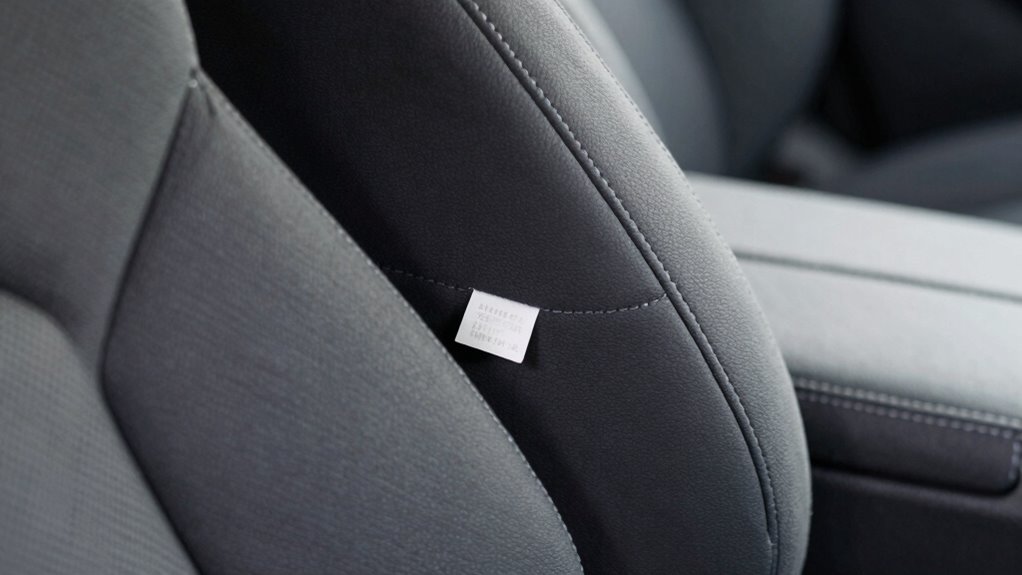
Ignoring your car seat’s expiration date can jeopardize your child’s safety during a crash. Over time, materials weaken and safety standards evolve, making older seats less effective and more prone to damage. Check the labels sewn into the seat to find its expiration, and plan for a replacement once it passes. Staying aware of this “hidden” rule helps ensure your child’s protection—if you want to discover more, keep going.
Key Takeaways
- Car seats have expiration dates to ensure safety; using expired seats can compromise crash protection.
- Labels with manufacturing dates and symbols indicate when a car seat expires; check all hidden and visible spots.
- Materials like plastics and foam degrade over time, weakening impact absorption and structural integrity.
- Safety standards evolve, making older, expired seats non-compliant and potentially unsafe in modern crashes.
- Replacing your car seat immediately upon expiration prolongs safety and prevents the risks associated with material deterioration.
Do I Need to Replace My Car Seat When It Expires?
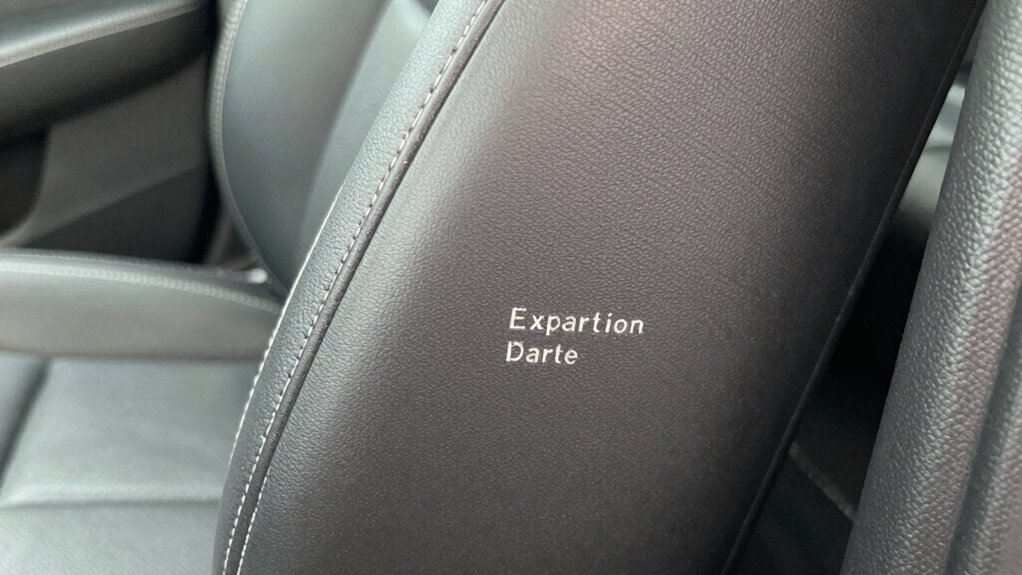
You don’t necessarily need to replace your car seat immediately when it expires, but it’s highly recommended for child safety. Over time, materials can weaken, and the seat’s effectiveness in protecting your child diminishes. An expired seat may also be more vulnerable to damage from accidents or wear and tear, even if it looks fine. Additionally, safety standards and regulations evolve, making older seats more likely to be involved in product recalls. If your seat has been recalled, it’s vital to replace it to guarantee your child’s safety isn’t compromised. Ignoring the expiration date can put your child at risk, as manufacturers design these limits to guarantee maximum protection. Safety standards and regulations evolve, making it essential to stay informed about updates and recalls. Being aware of car seat expiration dates helps ensure you are taking timely action to protect your child’s safety. Regular inspections and understanding material degradation can further help identify when a seat may no longer provide optimal protection. It’s also beneficial to consult manufacturer guidelines for specific recommendations regarding your seat model. Recognizing long-term wear and potential damage is crucial for maintaining safety, especially if the seat has been used extensively or stored improperly. Prioritizing a timely replacement keeps your child safe and helps you stay ahead of potential safety issues.
Why Do Car Seats Expire, and Are They Necessary?

Car seats expire primarily because materials like plastics, foam, and fabrics degrade over time, reducing their ability to absorb impact and protect your child effectively. Even if the seat looks fine, its structural integrity can weaken, compromising child safety during a crash. Manufacturing standards evolve, and older seats may not meet current safety regulations. Expiration dates make sure you replace a seat before material breakdown affects protection. They also account for technological advances and updates in safety features. Using an expired seat risks inadequate crash performance, which is why expiration dates are necessary. Material degradation is an ongoing process that can diminish the safety features of a seat even without visible damage. Additionally, regulatory updates can render older seats non-compliant with current safety standards. An understanding of material durability highlights how prolonged use can impact safety features over time. Recognizing long-term safety concerns helps parents appreciate why timely replacement is crucial. Ultimately, replacing your car seat on time helps keep your child safe, aligns with manufacturing standards, and ensures you’re providing the best possible protection during every trip.
How to Find and Read Your Car Seat’s Expiration Date
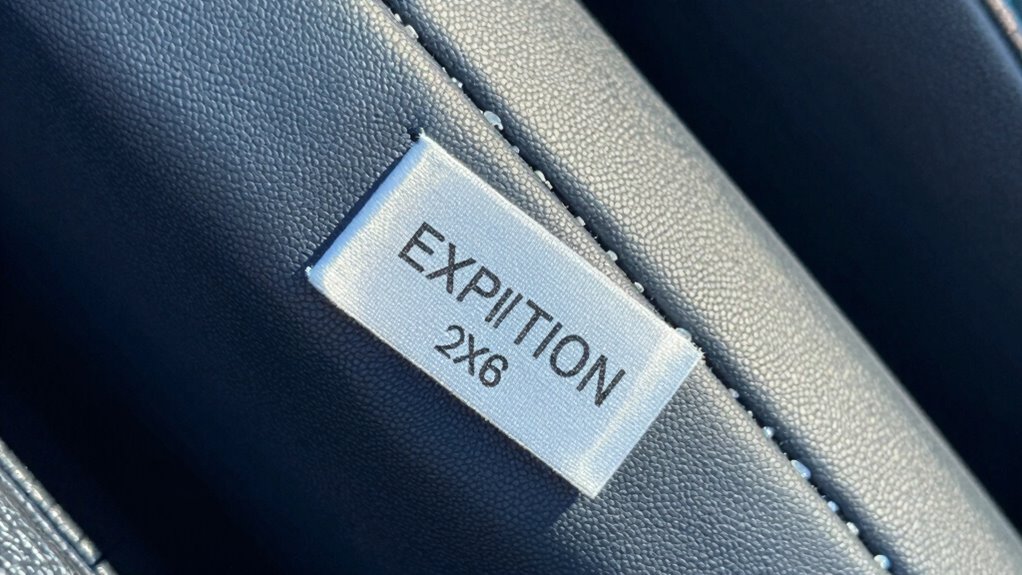
Finding and reading your car seat’s expiration date is straightforward once you know where to look. Most car seat labels are sewn into the shell, usually at the bottom or back of the seat. Look for a label labeled “manufacture date” or “date of manufacture,” which often includes an expiration date. Car seat labels typically feature expiration symbols—an icon with a clock or calendar indicating the end of the usable life. Sometimes, the expiration date is printed directly on the label, while other times it’s encoded in a series of numbers or letters. Carefully examine all labels on your car seat, especially in hidden spots, to find this vital information. Knowing how to locate and interpret these expiration symbols helps ensure safety and proper compliance with safety guidelines. Understanding expiration symbols can prevent the use of outdated or compromised seats, which is crucial for your child’s safety. Additionally, being aware of expiration date indicators can help you identify when a seat needs replacement even if the expiration label is damaged or unclear. Recognizing manufacture date formats can also assist in estimating the remaining usable life of the seat when expiration labels are missing or illegible.
What Are the Risks of Using an Expired Car Seat?

Using an expired car seat can substantially compromise your child’s safety. Over time, plastic and foam materials degrade, reducing the seat’s ability to protect during a crash. This deterioration weakens seat safety features like the harness system and energy absorption zones, increasing accident risks. An expired seat may no longer meet current safety standards, leaving your child vulnerable in a collision. Additionally, the plastic parts can become brittle or crack, impairing the seat’s structural integrity. Relying on an outdated seat gives a false sense of security, but its compromised condition can prevent proper protection when it’s needed most. Regularly inspecting for signs of material degradation and understanding manufacturer expiration guidelines can help you determine if your seat needs replacement sooner. It’s also important to recognize that safety standards evolve over time, making newer seats generally safer than older ones. Staying informed about seat safety testing can further ensure your child’s protection. To keep your child safe, it’s essential to replace a seat once it reaches its expiration date—what’s designed to protect them may no longer do so after it’s expired.
When and How to Replace Your Car Seat After It Expires
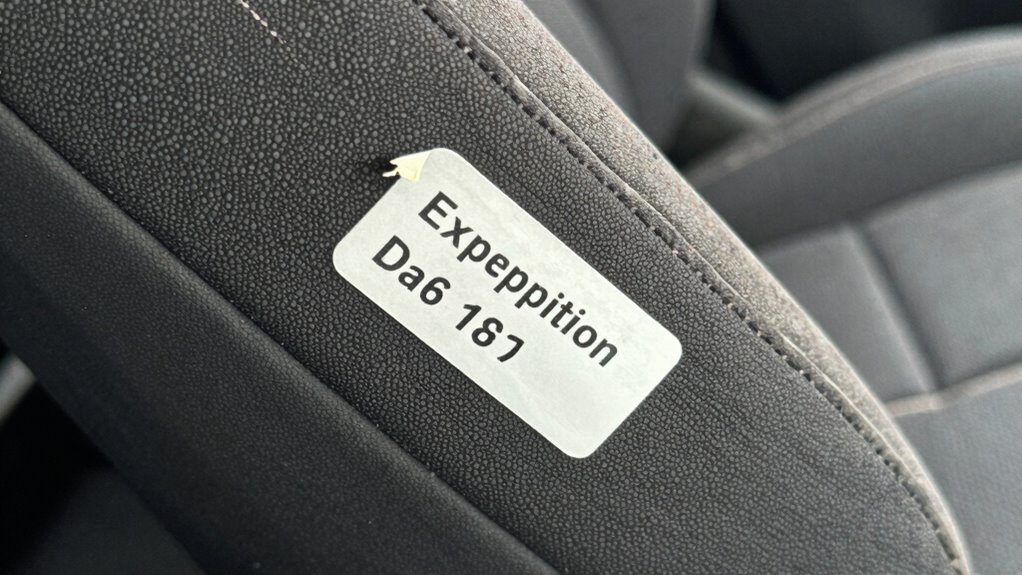
Once your car seat reaches its expiration date, it’s crucial to replace it promptly to guarantee your child’s safety. Follow the manufacturer guidelines carefully, as they specify the appropriate time to retire the seat. Typically, you should replace the seat immediately after it expires, even if it appears undamaged. This ensures the seat still meets safety standards and provides maximum protection. When replacing, dispose of the expired seat properly to prevent misuse. Proper disposal methods help keep children safe and prevent the seat from being reused improperly. Additionally, understanding product lifespan can help you plan for safe replacements in advance. Being aware of expiration date indicators can also help you identify when your seat is approaching its end of usability. Knowing how material degradation occurs over time can further emphasize the importance of timely replacement. Always buy a new seat from a reputable retailer, and install it according to the manufacturer’s instructions. Remember, using a seat beyond its expiration compromises child safety, so stay vigilant and prioritize timely replacement to keep your child protected on every trip.
Frequently Asked Questions
Can I Still Use a Car Seat After Its Expiration Date?
You shouldn’t use a car seat after its expiration date because it jeopardizes car seat longevity and usage safety. Over time, materials weaken, plastics degrade, and safety features may become less effective. Even if it looks fine, the seat might not protect your child properly in a crash. Always check the expiration date, and replace the seat when it’s expired to ensure maximum safety and peace of mind during every trip.
Do All Car Seats Have the Same Expiration Period?
You might think all car seats have the same expiration, but that’s far from true—some could last a decade, others just 5 years! Material degradation varies with manufacturer, age, and use, so expiration dates differ. Always check your seat’s label or manual, because ignoring these variations risks safety. A seat’s lifespan isn’t one-size-fits-all; stay informed to protect your little one effectively.
Are There Signs That Indicate a Car Seat Is Unsafe Before Expiration?
You can spot signs that your car seat may be unsafe before expiration by checking for wear and tear, like frayed fabric or cracked plastic, which can compromise safety. Also, look for manufacturing defects such as broken harnesses or missing parts. If any of these issues are present, it’s best to replace the seat immediately, even if it hasn’t reached its expiration date. Regular inspections help guarantee your child’s safety.
How Do Environmental Factors Affect a Car Seat’s Lifespan?
You should know that UV degradation and temperature effects can shorten your car seat’s lifespan. Bright sunlight beams down, causing the plastic and foam to weaken and crack over time. Extreme heat or cold can warp or degrade the materials, making the seat less safe. Keep your seat in shaded areas and avoid leaving it in hot cars to preserve its integrity and protect your child.
What Are the Legal Consequences of Using an Expired Car Seat?
Using an expired car seat can lead to serious legal penalties and increase your liability risks if you’re involved in an accident. Authorities may fine you or cite you for safety violations, and insurance claims could be denied. You’re also risking your child’s safety, which can result in legal action from affected parties. Always check expiration dates and replace your car seat promptly to avoid these legal and safety consequences.
Conclusion
Remember, about 90% of car seats are used beyond their expiration date, risking safety. Your car seat’s expiration isn’t just a suggestion—it’s an essential safety measure. Replacing it on time ensures your child stays protected. Keep an eye on the date, and don’t ignore it. Staying aware can make all the difference—after all, a recent study shows expired seats can be up to 75% less effective in a crash. Stay safe and check those dates!