The CPSC says CIYTI light-up princess costumes pose a serious battery-ingestion hazard and violate a mandatory toy standard.
The Latest
FoShanShiNanHaiQuNuoAiTongZhuangShangHang Recalls CIYTI Light-Up Princess Costumes Due To Risk Of Serious Injury Or Death From Battery Ingestion; Violate Mandatory Standard For Toys

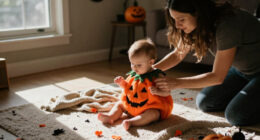
11 Best Halloween Sensory Bins for Toddlers in 2027
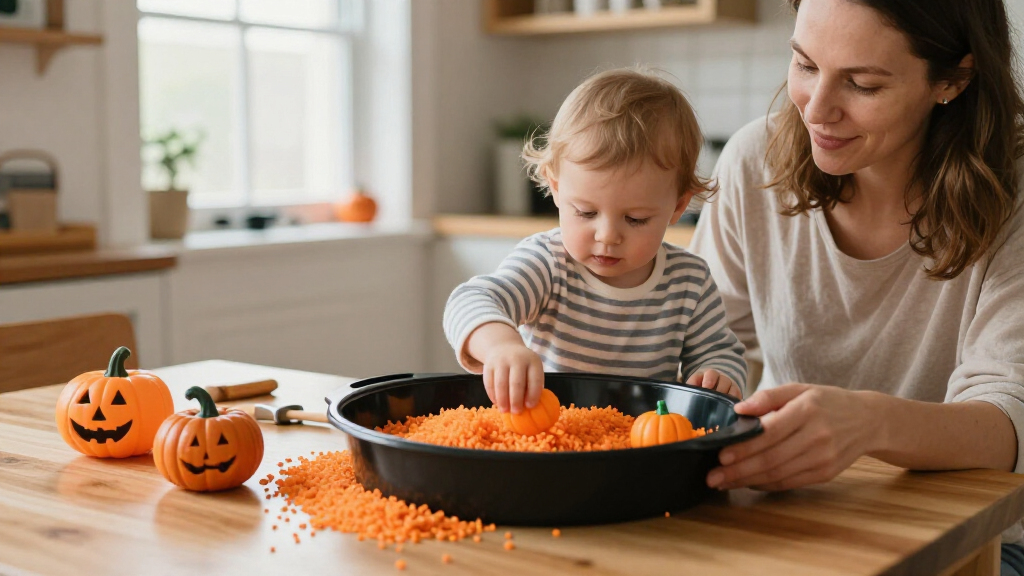
Compare 11 Halloween sensory bins for toddlers by material, play value, cleanup, age fit, and learning features to find the right setup for your family.
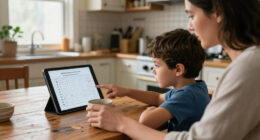
Amazon’s “Digital Pacifier” For Toddlers

Amazon is marketing new Kids tablets for children as young as 3. The launch has prompted concerns about device use, research claims and screen time.
Dolly Parton’s Imagination Library
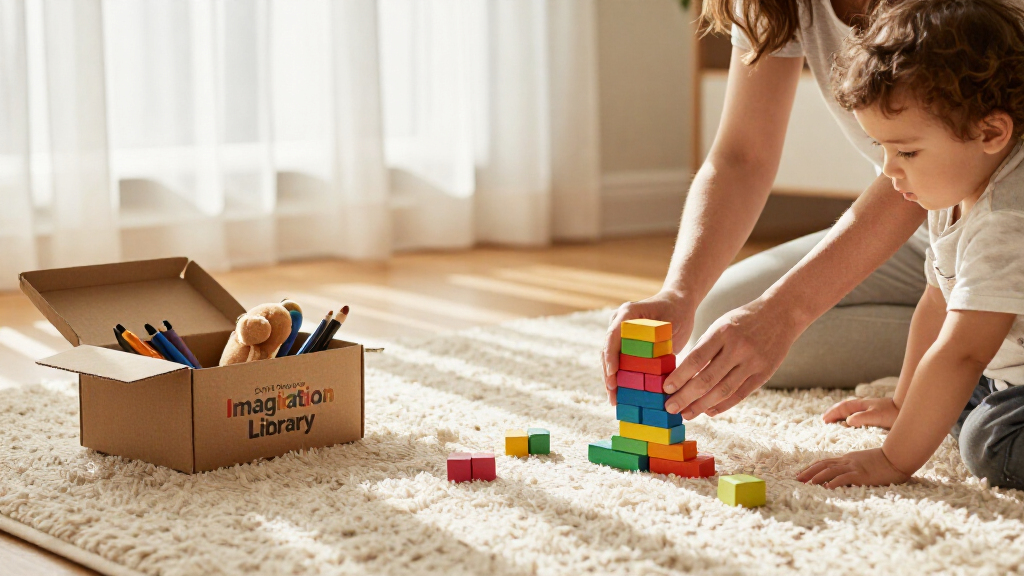
Dolly Parton’s Imagination Library mails a free, age-appropriate book each month to enrolled children from birth through age five in five countries.
Looking For A Wood Baby Crib? 9 Nontoxic Options For 2026
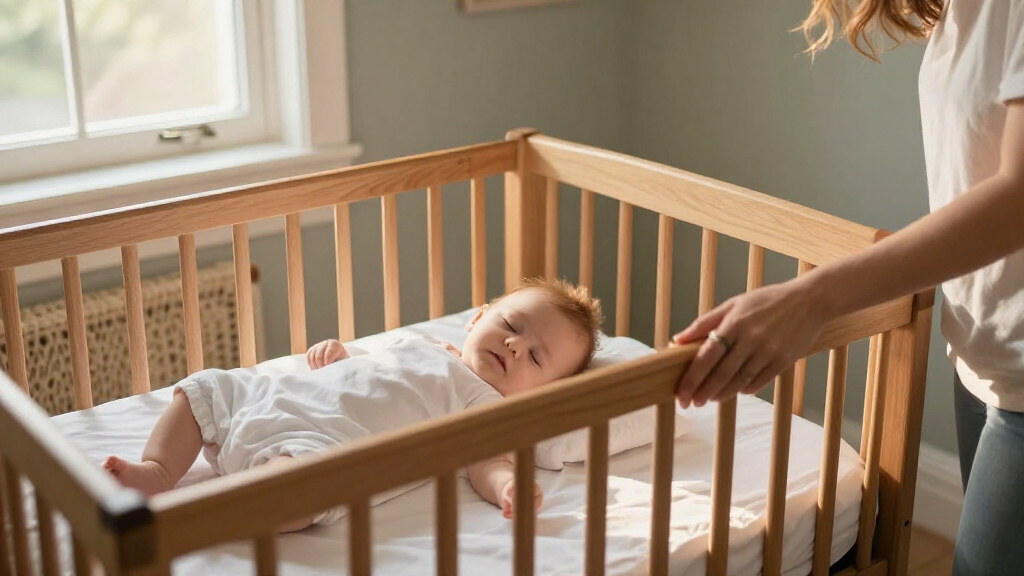
The Good Trade’s 2026 guide lists nine solid-wood baby cribs, with prices, materials and certification claims; check current safety and recalls.
13 Best Halloween Costumes for Parents in 2027
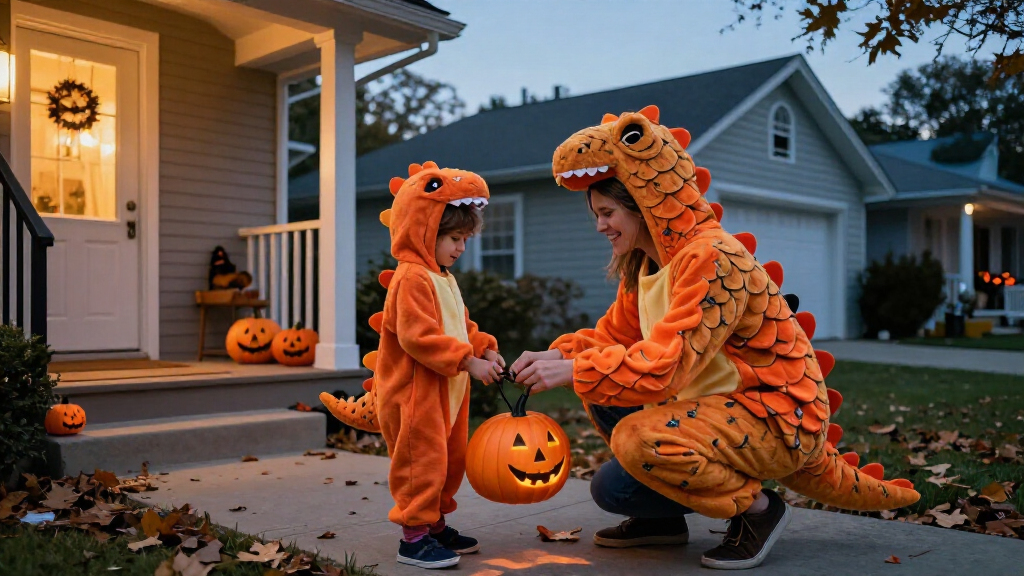
Compare 13 Halloween costumes for parents, from easy cloaks and cozy onesies to coordinated couples sets, with practical tips for choosing.
Bring Kids’ Creations To Life With The SpinAnimator Studio

Tree Town Toys introduces a screen-free animation kit for ages 6 and up, with drawing strips, markers and a hand-spun animation wheel.
Braun Sensian 7: A 3-In-1 Forehead Thermometer For $10

Slickdeals lists Braun’s Sensian 7 non-contact forehead thermometer for $9.99, with free shipping for Prime members or qualifying $35 orders.
8 Best Halloween Costumes for Twins in 2027
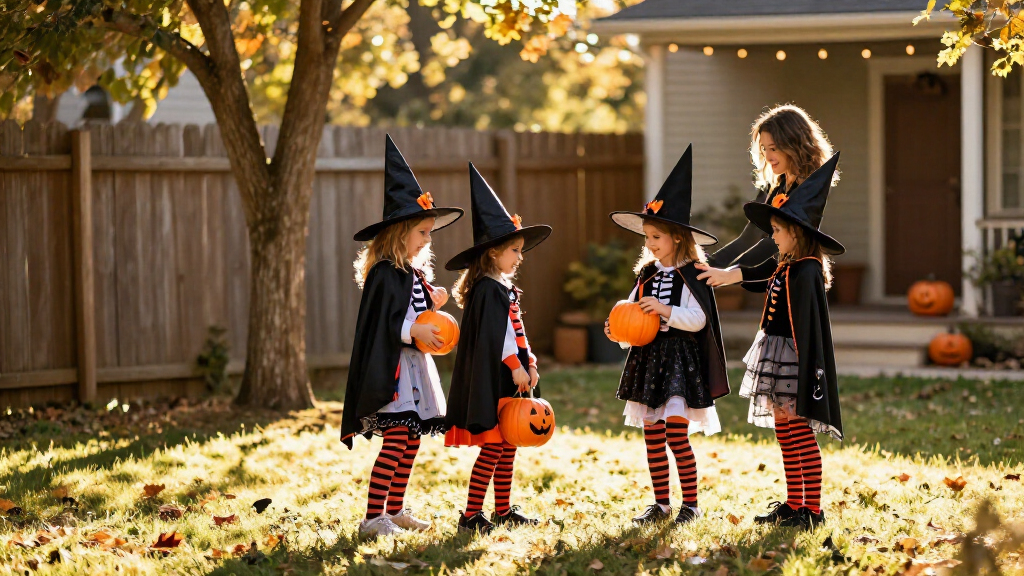
Discover the 8 best Halloween costumes for twins. From funny food pairs to matching tees, we compare fit, theme, and value to help you choose the right duo.
Is the Momcozy Slim Stroller Organizer with 2 Worth It? Honest Take + Alternatives
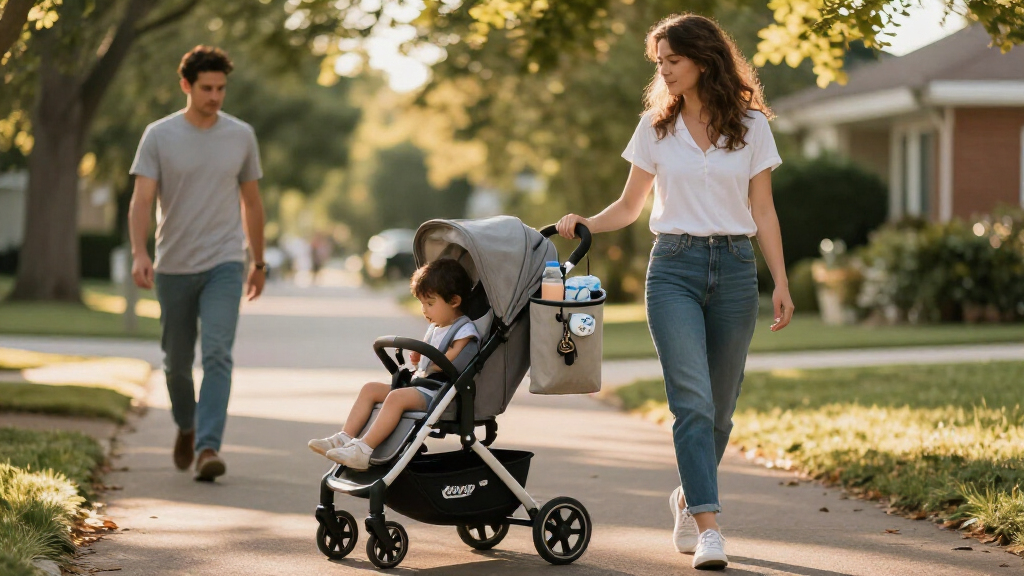
See whether Momcozy’s Slim Stroller Organizer is a practical buy for two drinks and quick-access essentials, and who should choose another organizer.