
The best child safety car seat for most families is the Graco Extend2Fit 2-in-1 Convertible, thanks to its extended rear-facing capacity and roomy leg panel that keeps toddlers comfortable longer. Two other standouts: the Safety 1st Grow and Go All-in-One, which covers birth through booster age in a single purchase, and the Graco SlimFit 3-in-1, whose narrow footprint fits three across in most vehicles. The main tradeoff in this category is between longevity (all-in-one seats) and specialized fit (dedicated boosters) — all-in-ones cost more upfront but last years longer, while boosters like the Safety 1st Grand are cheaper but only cover the school-age stage. Weight limits, installation ease, and seat width also separate these models sharply. Keep reading for the full breakdown of all ten seats.
Prime for Young Adults — start your free trial
Fast free delivery, streaming and member deals for eligible 18–24 year olds.
Try it freeAs an affiliate, we earn on qualifying purchases.
Complete the kit

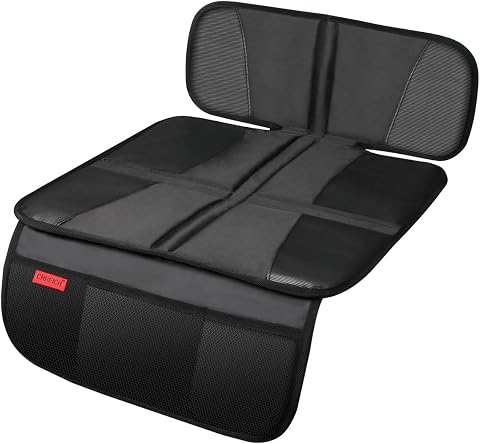
![Car Seat Protector - Extra Big [ISOFIX Compatible] - Black](https://m.media-amazon.com/images/I/71sj-SWVk6L._AC_SL480_.jpg)
Key Takeaways
- Extended rear-facing capacity is the biggest differentiator among the convertible seats — the Graco Extend2Fit’s 50-pound rear-facing limit outlasts the Safety 1st Grow and Go by 10 pounds, which can mean an extra year or more of the safest orientation.
- Three of the ten seats are boosters or harness boosters (Safety 1st Grand, Boost-and-Go, Baby Trend Hybrid SI, Graco Tranzitions), and none of them work for children under roughly 2 years old — buying one too early is the most common mistake in this lineup.
- The two Safety 1st Grow and Go colorways are identical seats; the real comparison is between that model and the Graco SlimFit, where the SlimFit wins on width but the Grow and Go wins on padding and price.
- The Safety 1st Ellaris is the only slim convertible with a machine-washable seat pad, which matters far more day-to-day than any spec sheet suggests once snacks enter the car.
- Budget picks like the Safety 1st Grand booster deliver 90% of the safety function of premium models for under half the price — the tradeoff is thinner padding and fewer installation aids, not crash protection.
| Graco Extend2Fit 2-in-1 Convertible Car Seat, Gotham |  | Best Overall | Weight Capacity Rear-Facing: 4–50 lbs | Weight Capacity Forward-Facing: 26.5–65 lbs | Modes: Rear-facing, forward-facing | VIEW LATEST PRICE | See Our Full Breakdown |
| Safety 1st Boost-and-Go Essential 3-in-1 Booster Car Seat |  | Best Value Booster | Weight Range: 30–100 lbs | Height Range: 34.4″–57″ | Modes: Forward-facing harness, high-back booster, backless booster | VIEW LATEST PRICE | See Our Full Breakdown |
| Safety 1st Ellaris 3-in-1 Convertible Car Seat, Smokey Haze |  | Best Slim Convertible | Weight Range: 5–65 lbs | Modes: Rear-facing infant, rear-facing toddler, forward-facing | Headrest Positions: 5 | VIEW LATEST PRICE | See Our Full Breakdown |
| Safety 1st Grand 2-in-1 Booster Car Seat, Black Sparrow |  | Best for Carpooling | Weight Range: 40–100 lbs | Height Range: 43.4″–52″ | Seat Type: 2-in-1: high-back harness to belt-positioning booster | VIEW LATEST PRICE | See Our Full Breakdown |
| Baby Trend Hybrid SI 3-in-1 Combination Booster Seat, Hoboken Black |  | Best Comfort Features | Stages: 3-in-1: harness, high-back booster, backless booster | Material: 100% polyester | Safety Features: Side-impact protection | VIEW LATEST PRICE | See Our Full Breakdown |
| Graco Tranzitions 3-in-1 Harness Booster Car Seat, Cinder |  | Best for Travel and Car-Hopping | Weight Range (Harness Mode): 26.5–65 lb | Weight Range (Highback/Backless): 40–100 lb | Adjustable Headrest: 9 positions | VIEW LATEST PRICE | See Our Full Breakdown |
| Safety 1st Grand 2-in-1 Booster Car Seat |  | Best Budget Pick for Three Across | Weight Range: 40–100 lb | Height Range: 43.4″–52″ | Seat Type: 2-in-1 (high back and belt-positioning booster) | VIEW LATEST PRICE | See Our Full Breakdown |
| Safety 1st Grow and Go All-in-One Convertible Car Seat, Alaskan Blue |  | Best Value All-in-One | Rear-facing Weight Limit: 5–40 lb | Forward-facing Weight Limit: 30–65 lb | Booster Weight Limit: 40–100 lb | VIEW LATEST PRICE | See Our Full Breakdown |
| Graco Slimfit 3-in-1 Convertible Car Seat, Jarret |  | Best Overall Convertible | Total Weight Range: 5–100 lb | Rear-facing Weight: 5–40 lb | Forward-facing Weight: 26.5–65 lb | VIEW LATEST PRICE | See Our Full Breakdown |
| Safety 1st Grow and Go All-in-One Convertible Car Seat, Green Gables |  | Best Comfort Features | Rear-facing Weight Limit: 5–40 lb | Forward-facing Weight Limit: 30–65 lb | Booster Weight Limit: 40–100 lb | VIEW LATEST PRICE | See Our Full Breakdown |
| child safety car seat | Cup Holders | Seat Pad |
|---|---|---|
| Graco Extend2Fit 2-in-1 Conver | — | — |
| Safety 1st Boost-and-Go Essent | 2 removable, dishwasher-safe | Removable, machine-washable and dryer-safe |
| Safety 1st Ellaris 3-in-1 Conv | 2 removable, dishwasher-safe | Machine-washable and dryer-safe |
| Safety 1st Grand 2-in-1 Booste | Removable, dishwasher-safe | Machine-washable |
| Baby Trend Hybrid SI 3-in-1 Co | Dual | — |
| Graco Tranzitions 3-in-1 Harne | 2 removable | Machine washable |
| Safety 1st Grand 2-in-1 Booste | Removable, dishwasher-safe | Machine washable |
| Safety 1st Grow and Go All-in- | — | Machine washable and dryer-safe |
| Graco Slimfit 3-in-1 Convertib | — | — |
| Safety 1st Grow and Go All-in- | — | — |
More Details on Our Top Picks
Graco Extend2Fit 2-in-1 Convertible Car Seat, Gotham
Best Overall status goes to the seat that solves the single biggest pain point of long-term rear-facing: cramped legs. The Extend2Fit’s extension panel adds up to 5 inches of legroom, which means fewer protests from a rear-facing toddler and, in practice, parents keeping the safer rear-facing position closer to that 50-pound limit. Compared with the Safety 1st Ellaris, which caps rear-facing at a lower weight and skips the leg panel entirely, this model is built around one clear safety advantage rather than a checklist of convenience features. The tradeoff is bulk — the Extend2Fit takes up real depth in rear-facing mode, so compact-car owners may need to slide the front seat forward. The harness adjustment also divides opinion: the no-rethread system is convenient once understood, but some parents find the mechanism unintuitive at first. Still, if extended rear-facing is the priority, this pick makes the most sense.
Pros:- Rear-facing up to 50 lbs, among the highest in this roundup
- 4-position extension panel adds up to 5 inches of rear-facing legroom
- No-rethread harness adjusts as the child grows
- Graco ProtectPlus engineered safety standards
- Covers the full 4–65 lb range from infancy through preschool
Cons:- Bulky in rear-facing mode; can crowd front seats in compact cars
- Harness adjustment mechanism takes time to learn
- No booster mode, so a second seat is needed later
Best for: Parents committed to maximizing rear-facing time who have a mid-size or larger vehicle
Not ideal for: Owners of small cars with tight second-row space — the extended rear-facing footprint eats legroom up front
- Weight Capacity Rear-Facing:4–50 lbs
- Weight Capacity Forward-Facing:26.5–65 lbs
- Modes:Rear-facing, forward-facing
- Extension Panel:4-position adjustable, up to 5 inches
- Harness:No-rethread, adjustable
- Safety Standards:Graco ProtectPlus
Our verdict“The strongest choice for families who want the longest, most comfortable rear-facing stage without buying an infant seat first.”
Safety 1st Boost-and-Go Essential 3-in-1 Booster Car Seat
For the preschool-and-up years, this option stands out as the best value booster because it covers three stages — harness, high-back, and backless — at a budget price. Compared with the Baby Trend Hybrid SI, which offers a similar 3-in-1 harness-to-booster concept, the Boost-and-Go pulls ahead on practicality: its narrow frame fits three across in most back seats, and the seat pad is machine-washable and dryer-safe, which matters enormously after a juice-box incident. The tradeoff is that it starts at 30 pounds forward-facing only, so unlike the Graco Extend2Fit, it can’t serve from infancy — it’s a second-seat purchase, not an only seat. Converting between modes also takes some effort, and the cup holders run small for wider bottles. For families who already own a convertible and need an affordable, long-lasting booster, this model makes the most sense.
Pros:- Three modes cover roughly ages 2 through booster years
- Slim design fits three across in most vehicles
- Dryer-safe machine-washable seat pad
- 7-position one-hand adjustable headrest
- Lightweight and easy to move between cars
Cons:- No rear-facing mode; requires an earlier seat first
- Mode conversions require effort and rethreading
- Cup holders too small for some bottles
Best for: Budget-conscious families buying a second seat for a child who has outgrown a convertible
Not ideal for: Parents wanting one seat from birth — there is no rear-facing mode
- Weight Range:30–100 lbs
- Height Range:34.4″–57″
- Modes:Forward-facing harness, high-back booster, backless booster
- Headrest:7-position, one-hand adjustable
- Cup Holders:2 removable, dishwasher-safe
- Seat Pad:Removable, machine-washable and dryer-safe
- Design:Narrow, lightweight, portable
Our verdict“A smart, low-cost pick for the post-convertible years if you can live with a 30-pound starting weight and no infant stage.”
Safety 1st Ellaris 3-in-1 Convertible Car Seat, Smokey Haze
This model earns Best Slim Convertible by attacking a problem most convertibles ignore: back-seat real estate. The Ellaris’s slim profile makes three-across installations or middle-seat room realistic, and unlike the Boost-and-Go, it starts at 5 pounds rear-facing, so it works as a from-birth purchase. The airplane-ready compact design also gives it a travel angle no other seat in this lineup matches — a real advantage for flying families. The compromises are honest ones: the forward-facing weight limit is lower than the Graco Extend2Fit’s 65 pounds, padding is thinner than bulkier all-in-ones like the Grow and Go, and the hook-style LATCH demands careful, tight installation that some parents will find fiddly. This pick makes the most sense for urban families in smaller vehicles who value footprint over plushness.
Pros:- Slim fit frees back-seat space in small vehicles
- Rear-facing from 5 lbs — usable from birth
- Airplane-ready compact design for travel
- Machine-washable, dryer-safe seat pad
- 5-position adjustable headrest
Cons:- Lower forward-facing weight capacity than the Graco Extend2Fit
- Hook-style LATCH requires careful installation
- Less padding than bulkier convertible models
Best for: City families with compact cars or three-across needs who want one seat from birth
Not ideal for: Parents prioritizing maximum cushioning or the highest forward-facing weight limits
- Weight Range:5–65 lbs
- Modes:Rear-facing infant, rear-facing toddler, forward-facing
- Headrest Positions:5
- Installation:Hook-style LATCH
- Cup Holders:2 removable, dishwasher-safe
- Seat Pad:Machine-washable and dryer-safe
- Travel Compatibility:Airplane-ready, compact design
Our verdict“The right convertible for tight back seats and frequent flyers, provided you’re diligent about installation.”
Safety 1st Grand 2-in-1 Booster Car Seat, Black Sparrow
Best for Carpooling goes to the seat that’s easiest to schlep between vehicles. The Grand 2-in-1 is lightweight enough to move between cars regularly, converts from a 40–65 lb harness mode to a belt-positioning booster up to 100 pounds, and keeps the slim three-across footprint shared with the Boost-and-Go — but drops that seat’s backless mode in exchange for a simpler two-stage structure. Compared with the Boost-and-Go Essential, the Grand starts 10 pounds higher, so it’s strictly for kids already past the youngest harness stage. Side by side with the Baby Trend Hybrid SI, the Grand trades the Trend’s side-impact padding for lower weight and easier portability — a reasonable swap if the seat lives in a rotating fleet of grandparents’ and neighbors’ cars. The machine-washable pad helps, but color choices are limited.
Pros:- Genuinely lightweight for frequent car-to-car transfer
- Slim enough for three-across seating
- Harness mode to 65 lbs before booster mode to 100 lbs
- Machine-washable seat pad and dishwasher-safe cup holders
Cons:- 40-lb minimum weight excludes younger harness-age kids
- Can still feel bulky in very small vehicles
- Limited color options
Best for: Families who regularly swap the seat between cars, or grandparents who need a simple booster
Not ideal for: Parents of kids under 40 pounds — the harness floor is higher than 3-in-1 rivals
- Weight Range:40–100 lbs
- Height Range:43.4″–52″
- Seat Type:2-in-1: high-back harness to belt-positioning booster
- Harness Mode:40–65 lbs
- Headrest:Adjustable
- Cup Holders:Removable, dishwasher-safe
- Seat Pad:Machine-washable
Our verdict“The practical choice for multi-car families who need a portable harness-to-booster seat for older kids.”
Baby Trend Hybrid SI 3-in-1 Combination Booster Seat, Hoboken Black
Where the Baby Trend Hybrid SI earns its place is comfort and side-impact protection — the only seat in this batch that calls out SIP explicitly, paired with genuinely cushioned polyester seating that squashes the complaints kids make on longer drives. The Graco Tranzitions competes in the same harness-to-booster category, but the Hybrid SI’s dual cup holders and plusher padding tilt it toward families who log serious highway miles. The tradeoffs mirror its rivals: it’s bulkier than the Safety 1st Grand, which is the better pick if portability matters more than padding, and it shares the 3-in-1 category’s reliance on careful installation — a loose harness-to-booster setup undermines the whole point of the side-impact engineering. Color options are essentially one: black. This model is better suited to comfort-first buyers than space-constrained ones.
Pros:- Explicit side-impact protection engineering
- Cushioned seating area for long rides
- Three stages: harness, high-back booster, backless
- Adjustable headrest and dual cup holders
Cons:- Bulkier footprint than the slim Safety 1st options
- Safety depends heavily on correct installation
- Effectively one color choice
Best for: Families with long daily commutes who prioritize padding and side-impact protection
Not ideal for: Small-vehicle owners or frequent seat-swappers — it’s the bulkiest of the booster options here
- Stages:3-in-1: harness, high-back booster, backless booster
- Material:100% polyester
- Safety Features:Side-impact protection
- Headrest:Adjustable
- Cup Holders:Dual
- Color:Hoboken Black
Our verdict“Pick this if ride comfort and side-impact protection outrank a slim footprint; skip it for tight back seats.”
Graco Tranzitions 3-in-1 Harness Booster Car Seat, Cinder
Most boosters in this roundup are designed to live in one car, but the Graco Tranzitions earns its spot as the one families can actually move around. It’s noticeably lighter than the Safety 1st Grow and Go, which matters when you’re shifting a seat between vehicles weekly or hauling it through an airport for a rental car. The no-rethread Simply Safe Adjust harness means you won’t be dismantling the seat every time your child hits a growth spurt — a real advantage over cheaper seats with fixed harness heights. The tradeoff is scope: unlike the Grow and Go, it doesn’t start rear-facing, so it can’t be your only seat from birth. Also, the booster-mode minimum is now 40 pounds, so smaller kids stay in the harness longer whether they like it or not.
Pros:- Genuinely lightweight and easy to transfer between vehicles
- No-rethread harness adjusts with the headrest in one motion
- Covers harness, highback, and backless booster stages
- Machine washable seat pad and harness covers survive real kid messes
Cons:- Booster mode now starts at 40 lb, delaying belt-positioning use for smaller kids
- No rear-facing mode limits its lifespan compared to all-in-one rivals
- Few color options to choose from
Best for: Families who regularly switch seats between cars, travel often, or need a lightweight backup seat for grandparents
Not ideal for: Parents of infants — with no rear-facing mode, this can’t serve as a first car seat
- Weight Range (Harness Mode):26.5–65 lb
- Weight Range (Highback/Backless):40–100 lb
- Adjustable Headrest:9 positions
- Harness System:Simply Safe Adjust (no rethread)
- Cup Holders:2 removable
- Seat Pad:Machine washable
Our verdict“Buy this if your child is past the rear-facing stage and your family lives out of multiple cars.”
Safety 1st Grand 2-in-1 Booster Car Seat
When you need to fit three car seats across a single back row, most seats in this lineup are simply too wide. The Safety 1st Grand is built for exactly that scenario, with a slim profile that squeezes in next to a convertible like the Graco Slimfit where a bulkier seat wouldn’t. It also undercuts most competitors on price while still covering the full 40–100 pound range with a harness-to-booster design. The compromises are structural: no rear-facing mode means it’s not a from-birth option like the Safety 1st Grow and Go, and the padding is thinner than pricier seats, which shows up on long drives. Think of it as the practical third-seat solution rather than a do-everything seat.
Pros:- Slim enough for three-across seating in most vehicles
- Affordable compared to all-in-one convertibles in this roundup
- Lightweight for moving between cars
- Dishwasher-safe cup holders and washable pad make cleanup easy
Cons:- No rear-facing mode, so it’s not a from-birth seat
- Padding is thinner and less comfortable on long trips
- Can still feel bulky in compact cars despite the slim claim
Best for: Parents of three or more kids who need multiple seats across one back row without spending a fortune
Not ideal for: Families with newborns or toddlers under 40 lb who need a full convertible seat
- Weight Range:40–100 lb
- Height Range:43.4″–52″
- Seat Type:2-in-1 (high back and belt-positioning booster)
- Harness Type:5-point harness
- Cup Holders:Removable, dishwasher-safe
- Seat Pad:Machine washable
Our verdict“The smart buy for big families packing three seats into one row — skip it if you still have a rear-facing child.”
Safety 1st Grow and Go All-in-One Convertible Car Seat, Alaskan Blue
If you want one seat from hospital discharge to booster age without paying premium prices, this is the pick that makes the most sense. The Grow and Go covers 5 to 100 pounds across three modes, matching the Graco Slimfit’s range at a friendlier price point — though you give up Graco’s slicker InRight LATCH installation and the Slimfit’s narrower footprint. What you get in return is genuinely useful: a seat pad that’s machine washable and dryer-safe, two dishwasher-safe cup holders, and a no-rethread harness. The honest tradeoffs are fit and bulk — it’s a wide seat that crowds small back rows, and kids at the upper height limits often sit awkwardly before officially maxing out. It also lacks the removable comfort pillows you’ll find on the Green Gables version.
Pros:- Covers 5–100 lb across rear-facing, forward-facing, and booster modes
- Dryer-safe washable pad is a genuine time-saver
- No-rethread harness and headrest adjustments
- Installs securely with either seatbelt or anchors
Cons:- Bulky footprint crowds small back rows and passengers
- Kids near the top height limits often outgrow comfort before the stated maximums
- Adjustment options can feel complicated for first-time users
Best for: Budget-conscious first-time parents who want a single seat purchase covering infancy through booster age
Not ideal for: Owners of compact cars, where the wide footprint makes installation and passenger space a struggle
- Rear-facing Weight Limit:5–40 lb
- Forward-facing Weight Limit:30–65 lb
- Booster Weight Limit:40–100 lb
- Recline Positions:3
- Installation:Seatbelt or seat anchors (LATCH)
- Seat Pad:Machine washable and dryer-safe
- Cupholders:2 dishwasher-safe
Our verdict“The strongest value in this lineup for a one-and-done seat purchase — as long as your back seat has room for it.”
Graco Slimfit 3-in-1 Convertible Car Seat, Jarret
This is the seat I’d point most families toward, because it solves the problem that sinks most convertibles: back seat real estate. The Graco Slimfit’s narrower frame and rotating cup holders that flip out of the way free up roughly three inches of space compared with the Safety 1st Grow and Go — often the difference between fitting a second passenger and not. It also installs faster than anything else here thanks to the InRight LATCH system, which audibly clicks into place rather than requiring the wrestling match of belt-route installs. Compared to the Tranzitions, you get a true from-birth rear-facing mode. The costs: it’s heavier than dedicated boosters, so it’s not a seat you’ll want to move weekly, and the single Jarret colorway limits choice.
Pros:- Space-saving design with rotating cup holders frees up back row width
- InRight LATCH makes installation genuinely quick and confidence-inspiring
- Full 5–100 lb range covers every stage from birth
- ProtectPlus engineering adds side-impact and rollover testing
Cons:- Heavier than dedicated boosters, making transfers between cars a chore
- Only available in one color option
- Multiple adjustment features have a learning curve for new parents
Best for: Families who want a single from-birth seat that preserves back-seat space for passengers or siblings
Not ideal for: Families who frequently move seats between vehicles — at this weight, it’s a pain to transfer
- Total Weight Range:5–100 lb
- Rear-facing Weight:5–40 lb
- Forward-facing Weight:26.5–65 lb
- Highback Booster Weight:40–100 lb
- Recline Positions:4
- Installation System:InRight LATCH
- Safety Features:ProtectPlus Engineered, no-rethread Simply Safe Adjust harness
Our verdict“The best all-around choice for families who want space savings and a from-birth seat in one purchase.”
Safety 1st Grow and Go All-in-One Convertible Car Seat, Green Gables
Functionally, this Grow and Go overlaps heavily with the Alaskan Blue version — same 5–100 lb range, same three modes — so the choice between them comes down to comfort details and quick-release features. The Green Gables adds removable body pillows, which make a real difference for smaller babies riding rear-facing, and the QuickFit harness lets you adjust both harness and headrest in one motion from the front. Compared to the Graco Slimfit, it offers plusher padding but a wider footprint and a fiddlier install without a one-click LATCH system. The three-position recline is serviceable but limited if your child sleeps in the car often — the Slimfit’s four positions give more flexibility there. If your priority is a cozy, well-padded ride rather than maximum space savings, this version edges ahead of its sibling.
Pros:- Removable pillows improve fit and comfort for newborns and small infants
- QuickFit harness adjusts headrest and straps together from the front
- Same full 5–100 lb range as the Alaskan Blue at comparable value
- Washable pad and dishwasher-safe cup holders keep maintenance simple
Cons:- Only three recline positions, limiting options for sleeping children
- Wide footprint makes tight back rows even tighter
- No one-click LATCH system — installation takes longer than the Slimfit
Best for: Parents of young babies who want extra cushioning and front-side harness adjustments from day one
Not ideal for: Families in compact cars or anyone needing more than three recline options for frequent car nappers
- Rear-facing Weight Limit:5–40 lb
- Forward-facing Weight Limit:30–65 lb
- Booster Weight Limit:40–100 lb
- Harness Type:QuickFit (no rethread)
- Recline Positions:3
- Installation:Seatbelt or seat anchors
- Cupholders:2 dishwasher-safe
- Extras:Removable comfort pillows
Our verdict“Pick this over the Alaskan Blue if your infant needs the extra pillows and you value the quicker harness adjustments.”

How We Picked
My ranking logic starts with how long a seat keeps a child in the safest configuration: rear-facing for convertibles, a 5-point harness for combination seats, and proper belt positioning for boosters. Seats with higher weight and height limits in those protected stages ranked above seats that graduate kids to the vehicle belt sooner. From there I weighed installation ease, because a seat that is hard to install correctly is a seat that gets installed wrong — LATCH accessibility, belt-path design, and level indicators all factored in.
The second tier of criteria covered practical fit and family logistics: seat width for three-across setups, harness and headrest adjustability as a child grows, washability, and whether the seat actually converts cleanly between modes or just claims to. Finally, I judged value over time rather than sticker price alone — a $300 all-in-one that replaces three separate purchases can outvalue an $80 booster bought twice. Where two seats tied on safety and longevity, comfort features and price broke the tie.
| child safety car seat | Seat Pad |
|---|---|
| Graco Extend2Fit 2-in-1 Conver | — |
| Safety 1st Boost-and-Go Essent | Removable, machine-washable and dryer-safe |
| Safety 1st Ellaris 3-in-1 Conv | Machine-washable and dryer-safe |
| Safety 1st Grand 2-in-1 Booste | Machine-washable |
| Baby Trend Hybrid SI 3-in-1 Co | — |
| Graco Tranzitions 3-in-1 Harne | Machine washable |
| Safety 1st Grand 2-in-1 Booste | Machine washable |
| Safety 1st Grow and Go All-in- | Machine washable and dryer-safe |
| Graco Slimfit 3-in-1 Convertib | — |
| Safety 1st Grow and Go All-in- | — |
Factors to Consider When Choosing Child Safety Car Seats
Before choosing a specific seat, it helps to understand the stage-based system that governs all child safety car seats — because the single biggest buying mistake is purchasing a seat for the wrong stage, not purchasing a bad seat.Match the Seat to Your Child’s Stage, Not Their Age
Car seats are divided into rear-facing (infant and convertible), forward-facing harness, and booster stages, and every seat in this roundup covers a different slice of that timeline. Age guidelines are averages; your child’s weight and seated shoulder height are what actually determine when a seat fits and when they’ve outgrown it. A tall, lean two-year-old may outgrow a booster-mode seat’s minimum requirements in height while still being far too young developmentally for a vehicle belt. Conversely, parents of small four-year-olds sometimes buy a convertible when a harness booster would serve them better for the next four years. Check the minimums, not just the maximums — a seat rated 30–100 pounds still needs your child to meet the harness or booster minimums safely. The pattern across this roundup is clear: the more stages a seat covers, the more compromises it makes in each one.
Rear-Facing Duration Matters More Than Most Parents Realize
The single most safety-relevant spec on any convertible seat is its rear-facing weight and height limit, because rear-facing dramatically reduces crash forces on a toddler’s head and neck. Seats in this lineup range from 40-pound rear-facing limits up to 50, and that difference can represent a full additional year in the safest position for an average-sized child. Many parents flip their child forward-facing at the legal minimum rather than the seat’s maximum, leaving easy safety margin on the table. When comparing seats, also check the rear-facing height limit and harness slot positions, because most children outgrow rear-facing by height before weight. A seat with a taller shell and higher harness slots keeps rear-facing viable longer even for long-torsoed kids. This is why the Graco Extend2Fit earned the top overall spot despite convertibles with longer total lifespans existing in the lineup.
Measure Your Back Seat Before You Buy
Seat width and depth cause more returns than any other factor, especially for families with multiple children or compact cars. A rear-facing convertible can consume 40+ inches of front-to-back space, which forces the front passenger seat uncomfortably forward in smaller vehicles — check whether the seat you want offers a more upright rear-facing angle for older toddlers. For three-across setups, seat widths under 19 inches (like the SlimFit and Ellaris) are the realistic threshold. Also consider vehicle belt geometry and LATCH anchor positions: some seats install easily in one car and poorly in another, and a seat that moves more than an inch at the belt path is not protecting your child properly. If possible, buy from a retailer with a generous return window and test the installation in your actual car before committing.
All-in-One Seats Save Money but Not Always Hassle
All-in-one seats (rear-facing through booster) look like the obvious value play — one purchase, ten years of use. The tradeoff is that multi-stage seats are heavier, bulkier, and more complex to reconfigure, and many parents find the booster mode of an all-in-one less convenient than a cheap dedicated booster later on. A common and legitimate strategy is buying a quality convertible for the first five years, then a $50–80 dedicated booster for the last stretch — often for less total money than one premium all-in-one. Where all-in-ones genuinely win is for families who want a single, never-replaced installation or who are buying for a second caregiver’s car. Also note that no seat expires as long as its marketing implies; most convertibles carry 7–10 year expiration dates from manufacture, so a seat bought for a newborn will typically still cover the booster years.
Comfort and Cleaning Features Are Not Just Luxuries
Features like machine-washable pads, cup holders, and adjustable headrests look like fluff on a spec sheet, but they determine whether daily life with the seat is pleasant or miserable. A child who is uncomfortable reclines poorly, complains, and distracts the driver; a machine-washable pad saves hours of hand-scrubbing over a seat’s lifespan. No-Rethread harnesses — where the harness height adjusts with the headrest rather than requiring you to uninstall and rethread straps — are worth paying extra for, since you’ll adjust them several times a year. One-sided harness adjusters and magnetic chest-clip buckles are smaller conveniences that add up during daily school runs. When two seats offer similar safety, these usability details should drive your decision.
Frequently Asked Questions
Is it worth paying more for the Graco Extend2Fit over the Safety 1st Grow and Go?
It depends almost entirely on your child’s size and how long you plan to keep them rear-facing. The Extend2Fit’s 50-pound rear-facing limit beats the Grow and Go’s 40-pound limit, and its extendable leg panel gives toddlers a place to put their feet, which reduces the most common reason parents flip kids forward early. If your child is average or above average in height, that extra rear-facing capacity could mean an additional year in the safest position. However, the Grow and Go converts to a booster mode the Extend2Fit lacks, so it technically lasts longer overall. For parents committed to maximizing rear-facing time, the Extend2Fit justifies its price; for parents who want one seat from birth through booster age, the Grow and Go is the better buy.
Can I use a booster seat like the Safety 1st Grand for my 3-year-old?
Legally, in many states yes — but safety experts strongly recommend against moving a child to a belt-positioning booster before age 4–5 at minimum. A 3-year-old’s hips and spine are not developed enough for a vehicle lap-shoulder belt to route safely, and young children also struggle to sit correctly positioned for an entire drive, which is the whole basis of booster protection. The Grand does start at 40 pounds in high-back mode, but the harness booster options in this lineup — the Graco Tranzitions and Baby Trend Hybrid SI — are the correct choice for this age, since they keep a 5-point harness while still converting to a booster later. If your 3-year-old has outgrown a convertible’s harness, a combination seat is the right intermediate step, not a straight booster.
Are the two Safety 1st Grow and Go colorways (Alaskan Blue and Green Gables) actually different seats?
No — they are functionally identical, differing only in fabric color, so choose whichever matches your car interior or your child’s preference and ignore any price difference beyond a few dollars. This is a common pattern across car seat brands: colorways are released at different times and retailers price them independently, which sometimes creates artificial price gaps of $30 or more for the same product. What actually matters when buying a Grow and Go is the manufacture date, since car seats expire 7–10 years from that date, not from purchase. If both colors are in stock, buy whichever is cheaper or fresher. Don’t confuse the standard Grow and Go with the Grow and Go Spin variant elsewhere in Safety 1st’s lineup, which adds a rotating base at a higher price.
Which seat is best if I need to fit three children across one back seat?
The Graco SlimFit 3-in-1 and Safety 1st Ellaris are the two seats in this lineup designed for exactly this scenario, both measuring under 19 inches wide with armrests and cup holders that fold or narrow the profile. Three-across success also depends heavily on your vehicle — a midsize SUV with three full LATCH positions is far more forgiving than a sedan’s contoured back seat. A practical approach is combining a slim convertible in the middle position with narrower boosters outboard, since boosters are generally easier to puzzle next to other seats. Check the seat’s stated width in forward-facing mode specifically, because some seats measure wider in certain configurations. When in doubt, measure your back seat’s usable width and subtract 2 inches for installation wiggle room before buying anything.
When should I replace my child’s car seat instead of converting it?
Replace a seat immediately after any moderate-to-severe crash, even if no child was riding in it, and replace it after its expiration date stamped on the shell — typically 7–10 years from manufacture for the seats in this roundup. Between those bookends, most replacement decisions come down to fit: if your child’s shoulders are above the top harness slots in forward-facing mode, or their ears reach the top of the shell, the harness stage is over even if they haven’t hit the weight limit. A common cost-efficient path is replacing a convertible with a dedicated booster like the Safety 1st Grand rather than using an all-in-one’s booster mode, since dedicated boosters are inexpensive and often fit bigger kids better. Also check for recalls periodically through the NHTSA website using your seat’s model number and manufacture date. And never buy a used seat unless you know its full crash history — hidden damage compromises crash performance invisibly.
Conclusion
For best overall, the Graco Extend2Fit 2-in-1 Convertible stands out for its class-leading 50-pound rear-facing limit and the leg-extension panel that keeps that position livable for toddlers — the most safety-relevant combination in this roundup. The best value pick is the Safety 1st Grand 2-in-1 Booster, which delivers reliable high-back and backless booster performance at a fraction of the typical price. For the best premium/longevity buy, the Safety 1st Grow and Go All-in-One covers birth through booster in one purchase, while the Graco SlimFit 3-in-1 is the pick if three-across fit is your constraint, with the Safety 1st Ellaris as its machine-washable runner-up.
For beginners or gift-buyers who want maximum simplicity, the Graco Tranzitions 3-in-1 Harness Booster offers the easiest installation and adjustment of the combination seats, making it ideal for grandparents’ cars and carpools. Families with young toddlers who want one seat that does everything reasonably well should lean toward the Grow and Go; families with a newborn should start with the Extend2Fit and add a cheap booster later. Whatever you choose, remember that the best seat is the one that fits your child, your car, and that you install correctly every single time.
Fall yard work Picks
leaf blowers
As an affiliate, we earn on qualifying purchases.