If you’re pregnant and notice persistent worry, racing thoughts, rapid heartbeat, nausea, or trouble sleeping, these could be signs of anxiety disorders that need attention. Feeling overwhelmed or fearing loss of control isn’t unusual but should be monitored. Developing a support system, practicing mindful relaxation, and seeking professional help early can make a big difference for you and your baby’s health. Keep going to learn more about recognizing and managing anxiety during pregnancy.
Key Takeaways
- Recognize persistent worry, racing thoughts, physical symptoms like rapid heartbeat, and sleep disturbances as signs of prenatal anxiety.
- Differentiate normal pregnancy concerns from clinical anxiety that disrupts daily functioning.
- Seek professional help if anxiety symptoms interfere with daily life, sleep, or eating habits.
- Use mindfulness, gentle exercise, and support systems to manage stress during pregnancy.
- Early intervention benefits both mother and baby, reducing postpartum anxiety and promoting overall well-being.

Have you ever wondered how anxiety can affect pregnant women? It’s a common concern, yet many women don’t realize how deeply anxiety can impact their pregnancy and postpartum experience. One form to be aware of is postpartum anxiety, which can develop after childbirth but is often linked to the stress experienced during pregnancy itself. Recognizing the signs early allows you to seek help and prevent complications. Anxiety during pregnancy isn’t just about feeling nervous; it can manifest as constant worry, racing thoughts, difficulty concentrating, or physical symptoms like rapid heartbeat, sweating, and nausea. If these symptoms persist, they can interfere with your daily life and your ability to enjoy your pregnancy.
Anxiety during pregnancy can cause persistent worry, physical symptoms, and interfere with daily life and joy.
Managing prenatal stress is essential in reducing anxiety’s impact. Prenatal stress management involves adopting strategies to keep your anxiety at bay, such as practicing mindfulness, engaging in gentle exercise, and ensuring you get enough rest. It’s important to remember that stress and anxiety are normal parts of pregnancy, but when they become overwhelming, they require attention. Developing a support system—whether through friends, family, or mental health professionals—can provide comfort and guidance. Talking openly about your fears and worries can alleviate feelings of isolation, and a counselor or therapist trained in maternal mental health can teach you coping techniques tailored to your needs.
You should also be aware that hormonal changes during pregnancy can amplify feelings of anxiety, making it harder to distinguish between normal worries and clinical anxiety disorders. Additionally, understanding how projector features like contrast ratio and color accuracy influence visual quality can serve as a reminder that paying attention to details can improve overall well-being and comfort. If your anxiety begins to interfere with your sleep, eating habits, or daily functioning, it’s vital to seek professional help. Early intervention can prevent postpartum anxiety from taking hold after your baby’s birth, which often makes recovery more manageable. Remember, managing prenatal stress isn’t just about reducing anxiety; it’s about creating a healthier environment for both you and your baby.
Taking proactive steps—such as attending prenatal classes, practicing relaxation techniques, and maintaining a balanced lifestyle—can make a significant difference. If you notice persistent feelings of dread or fear, don’t hesitate to reach out to healthcare providers. They can assess your symptoms, offer support, and suggest therapies or medications if necessary. Addressing anxiety early not only benefits your mental health but also promotes a smoother pregnancy and postpartum period. It’s essential to prioritize your emotional well-being, recognizing that seeking help is a sign of strength. Your efforts to manage stress now can create a positive foundation for both your pregnancy and your journey into motherhood.
prenatal anxiety relief products
As an affiliate, we earn on qualifying purchases.
As an affiliate, we earn on qualifying purchases.
Frequently Asked Questions
Can Anxiety Disorders Affect My Baby’s Development?
Anxiety disorders can impact your baby’s development if left unmanaged. Elevated stress levels may lead to preterm birth or low birth weight. To protect your baby, focus on stress management and seek emotional support from loved ones or professionals. Regular prenatal care can also help monitor your health, ensuring both you and your baby stay safe. Addressing anxiety early makes a positive difference for your little one’s growth.
Are There Specific Risks for Pregnant Women With Anxiety?
Yes, experiencing anxiety during pregnancy can pose risks like preterm birth, low birth weight, and developmental issues. To reduce these risks, you should focus on stress management techniques and prioritize regular prenatal care. Managing anxiety helps protect your health and your baby’s well-being. Don’t hesitate to seek support from your healthcare provider if you’re feeling overwhelmed, as they can offer strategies and resources to help you through this time.
How Can Partners Support Women With Anxiety During Pregnancy?
You can support her emotional well-being by encouraging open communication, so she feels safe sharing her anxieties. Listen actively without judgment, and validate her feelings. Offer reassurance and help her find relaxation techniques or professional support if needed. Your presence and understanding make a big difference, showing her she’s not alone. By supporting her emotional well-being, you help reduce her anxiety and foster a positive pregnancy experience.
Do Anxiety Medications Harm the Fetus?
Think of anxiety medications like a vintage record—sometimes they’re helpful, but you need to consider the risks. Certain medications may pose harm to the fetus, so medication safety is essential. Talk to your healthcare provider about alternative therapies like therapy or relaxation techniques, which can be effective without risking your baby’s health. Always discuss your options to find the safest approach for both you and your little one.
When Should I Seek Emergency Help for Anxiety Symptoms?
You should seek emergency help immediately if you experience severe panic attacks or emergency symptoms like chest pain, difficulty breathing, or fainting. If your anxiety symptoms become overwhelming, cause uncontrollable thoughts, or don’t improve with usual coping strategies, don’t hesitate to get professional assistance. Trust your instincts—if something feels dangerously intense or unusual, it’s better to be safe and seek urgent care.

Allura & Arcia 52 Stress Less & Self Care Cards – Mindfulness & Meditation Exercises – Anxiety Relief & Relaxation
- Number of Exercises: 52 mindfulness and relaxation exercises
- Designed For Everyone: Suitable for all ages and settings
- Developed by Professionals: Created by therapists and yogis
As an affiliate, we earn on qualifying purchases.
As an affiliate, we earn on qualifying purchases.
Conclusion
Remember, recognizing anxiety signs in pregnancy is like spotting early ripples on a calm pond—important to address before they grow. Don’t hesitate to seek help; you’re not alone in this journey. Talking to your healthcare provider can make a world of difference, easing your worries like a gentle breeze. Prioritize your mental health, so you can enjoy this special time with confidence and peace of mind. Your well-being matters every step of the way.
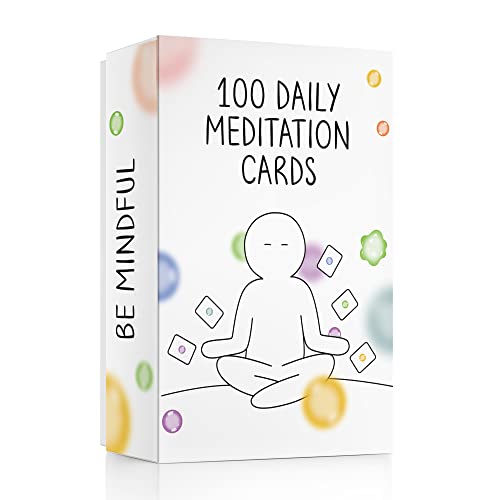
BEST 100 Daily Meditation Cards | Anxiety Relief Item for Relaxation | Self Care Kit for Stress Relief | Perfect Mindfulness Gift For Teens & Adults | Advance Beyond Positive Affirmations
- 100 Mindfulness Exercises: Stress relief and self-care cards
- 7 Organized Categories: Day and night mindfulness practices
- Suitable for All Levels: Beginner to advanced meditation exercises
As an affiliate, we earn on qualifying purchases.
As an affiliate, we earn on qualifying purchases.

Unisom SleepTabs, Nighttime Sleep-aid, Doxylamine Succinate, 80 Tablets
- Package Quantity: 80 tablets per bottle
- Faster Sleep Onset: Fall asleep 33% quicker*
- Non-Habit Forming: Safe and non-habit forming
As an affiliate, we earn on qualifying purchases.
As an affiliate, we earn on qualifying purchases.