Many parents assume LATCH is always safer or easier, but both LATCH and seat belt installations can be secure if done correctly. LATCH is often simpler for smaller children and offers quick attachment, but its weight limits and vehicle compatibility matter. Seat belts are versatile and work for older children. The key mistake is not properly tightening or checking the installation, which can compromise safety. Keep going, and you’ll discover how to guarantee your child’s car seat is safest and most secure.
Key Takeaways
- Many overlook vehicle LATCH weight limits, risking improper installation; always check manufacturer specifications.
- People often assume LATCH is always better, but seat belts can provide a more secure fit for older children.
- Incorrect seat belt routing or slack can compromise safety; proper snugness and positioning are crucial.
- Switching between LATCH and seat belt methods as the child grows is common but often done incorrectly, affecting stability.
- Failing to perform regular safety checks leads to unnoticed looseness or misinstallation, reducing overall child passenger safety.

Car Seat Latch Anchor Kit – Converts Older Cars to ISOFIX Compatibility Interface, Child Safety Car Seat Adapter Tether Bracket Mount for Vehicles Heavy-Duty Steel Easy Install (Check Size Before Buy)
ISOFIX ADAPTER: Enables secure installation of ISOFIX child safety seats in vehicles WITHOUT built-in ISOFIX anchors. Give older…
As an affiliate, we earn on qualifying purchases.
As an affiliate, we earn on qualifying purchases.
What’s the Difference Between LATCH and Seat Belt Car Seat Installations?
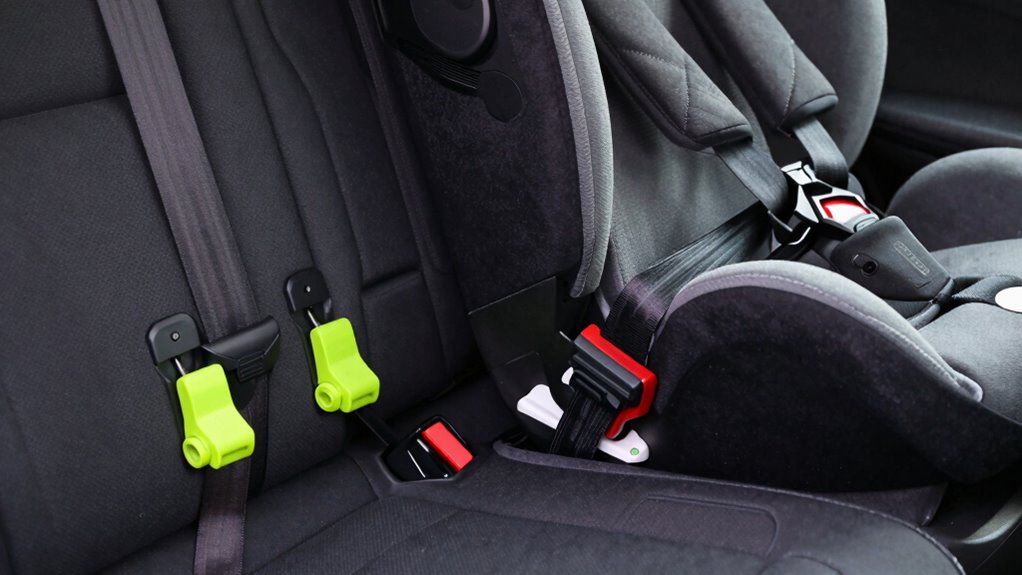
Understanding the difference between LATCH and seat belt installations is essential for guaranteeing your child’s car seat is secure. LATCH, which stands for Lower Anchors and Tethers for Children, connects directly to built-in anchors in your vehicle, making installation straightforward and often more secure for younger children. Seat belt installation, on the other hand, uses your vehicle’s seat belt to secure the car seat, which can be more versatile for different seat types. When choosing between the two, consider booster seat compatibility and car seat age guidelines. For older children, booster seats often rely on seat belts rather than LATCH. Knowing these distinctions helps you follow safety standards and ensures your child is properly protected during every trip.

UnbuckleMe Car Seat Buckle Release Tool – Easy Opener Aid for Arthritis, Long Nails, Older Kids – Button Pusher for Infant, Toddler, Convertible 5 pt Harness car Seats – As Seen on Shark Tank (Aqua)
As Seen on Shark Tank, the car seat clip opener that eliminates thumb pain and broken nails from…
As an affiliate, we earn on qualifying purchases.
As an affiliate, we earn on qualifying purchases.
When Should You Use LATCH or Seat Belt for Your Car Seat?
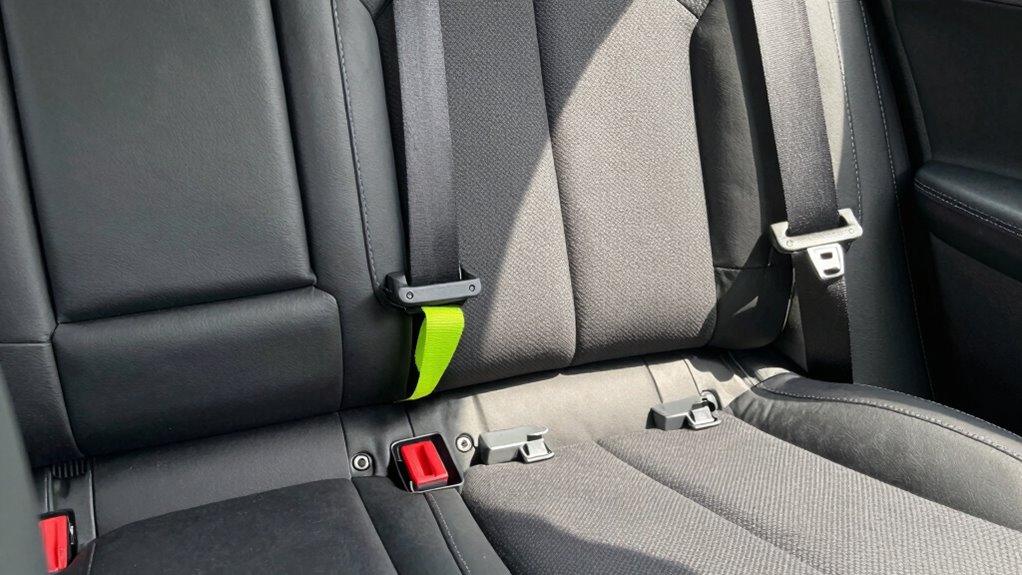
Choosing whether to use LATCH or a seat belt for your car seat depends on a few key factors, including your child’s age and the vehicle’s features. For child safety, LATCH is often recommended for infants and younger children because it provides a straightforward installation and reduces movement. However, if your vehicle has limited LATCH anchors or the anchors are difficult to access, using the seat belt might be a better choice. Always follow installation tips from your car seat manual and vehicle manufacturer to ensure proper fit. In some cases, switching from LATCH to seat belt as your child grows can improve stability. Additionally, understanding vehicle safety features can help you make an informed decision. The goal is to secure your child safely and correctly, so choose the method that offers the best fit and installation ease for your specific situation.

1 Pack Fixing Strap Pads Compatible with Universal Isofix Kids Seat Fixing Straps with Latch Interface Accessory Cover
Adjustable elastic buckle pads design: Built-in spring-padded mechanism ensures smooth insertion and removal. Automatically locks into place upon…
As an affiliate, we earn on qualifying purchases.
As an affiliate, we earn on qualifying purchases.
How to Install Your Car Seat Using the LATCH System
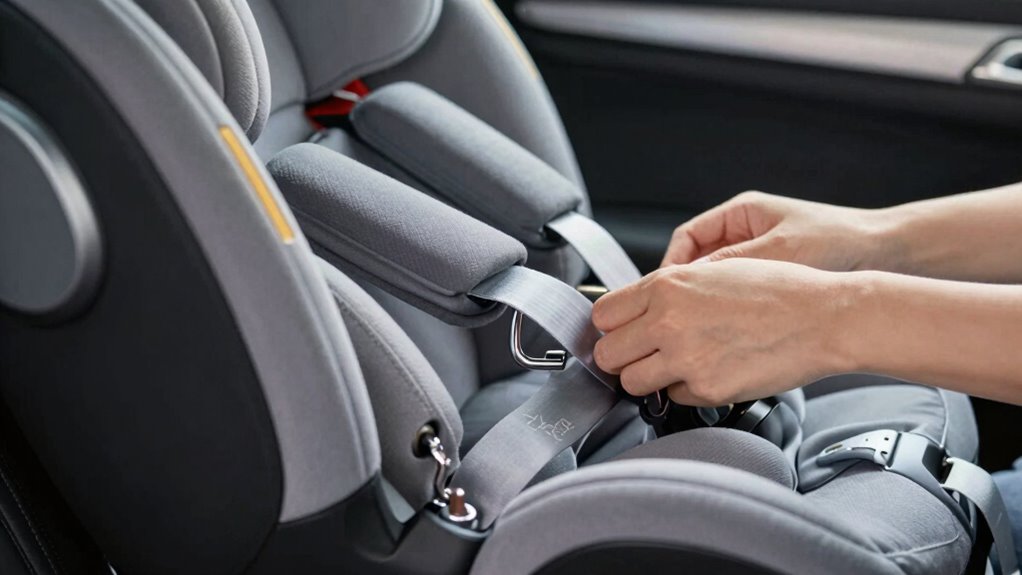
Installing your car seat with the LATCH system is straightforward when you follow a few key steps. First, locate the lower anchors in your vehicle’s back seat, usually between the seat cushion and backrest. Attach the LATCH connectors from your car seat to these anchors, ensuring they click securely. Adjust the tension to eliminate any slack, which improves child comfort by preventing excessive movement. Double-check that the seat is tight and doesn’t wiggle side to side. Proper installation also helps maintain your car’s aesthetics by avoiding bulky straps or seat belt tangles. Keep the LATCH straps neat and out of sight for a clean look. Ensuring the proper tension on the LATCH straps is crucial for a safe and secure fit. Additionally, regularly inspecting the LATCH system for wear or damage ensures ongoing safety. Understanding the vehicle’s LATCH weight limits can prevent overloading and compromise safety. Using the correct installation technique can significantly reduce the risk of incorrect setup. Knowing how to use the LATCH system correctly helps ensure your child remains safe in every trip. With a secure setup, your child stays safe and comfortable, and your car interior looks tidy.

Amazon Basics Emergency Escape Tool, Window Breaker and Seatbelt Cutter, Car Safety Hammer with Protective Bracket, Bright Orange, 2 Pack, SW-835
2-in-1 emergency-escape tool provides a window hammer and seat-belt cutter; 2-pack
As an affiliate, we earn on qualifying purchases.
As an affiliate, we earn on qualifying purchases.
How to Secure Your Car Seat With a Seat Belt : Step by Step
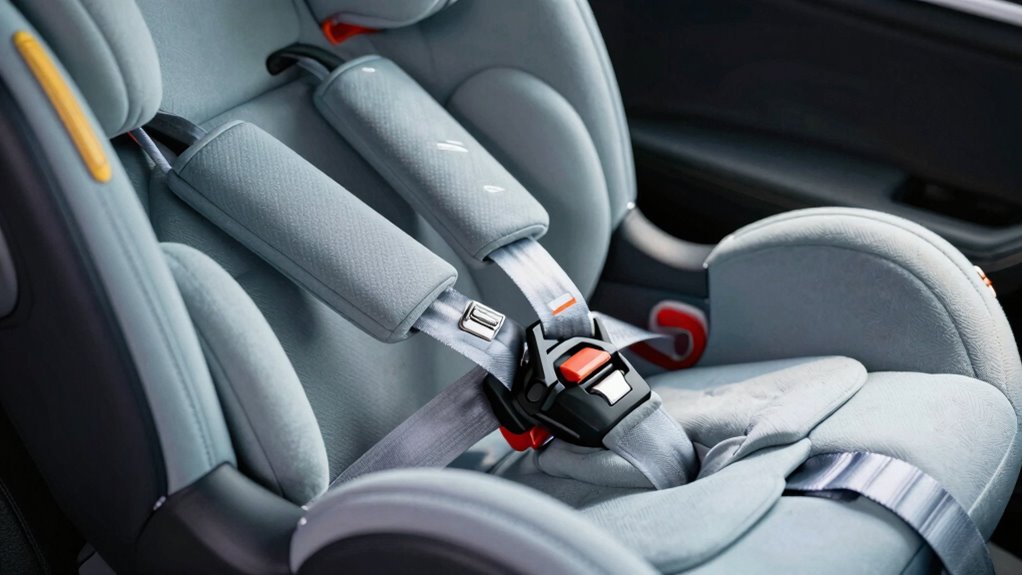
To guarantee your child’s safety, you need to focus on proper seat belt placement and securing the car seat correctly. Once the seat belt is snug and positioned correctly, double-check all connections and straps. Finish with final safety checks to confirm everything is secure and ready for the road. Ensuring proper installation techniques enhances overall safety during travel. Additionally, understanding Rhythm Failure can help you recognize the importance of timing and precision when securing your seat, similar to mastering a rhythm for perfect harmony.
Proper Seat Belt Placement
Securing your car seat with a seat belt requires careful attention to placement to guarantee maximum safety. First, confirm the seat belt lies flat across the car seat’s base and the child’s hips, not the stomach. The lap belt should be snug and positioned low on the hips, touching the thighs, to prevent any forward movement. The shoulder belt should cross the child’s chest and shoulder, not the neck or face, providing proper restraint. Using suitable car seat accessories, like belt guides or pads, can help achieve a comfortable fit and prevent discomfort. Proper belt placement not only enhances safety but also improves child comfort, making longer trips more enjoyable. Additionally, understanding the importance of proper seat belt placement can significantly reduce injury risks in the event of a collision. Ensuring that the seat belt fits correctly is a crucial step in overall vehicle safety. To achieve optimal safety, regularly double-check the belt before each ride to ensure it remains properly positioned and snug. Being aware of correct installation techniques can make a substantial difference in your child’s safety during travel. Moreover, staying informed about industry safety standards helps ensure your car seat setup adheres to the latest safety guidelines.
Securing the Car Seat
When securing your car seat with a seat belt, start by positioning the seat correctly in the vehicle according to the manufacturer’s instructions. Confirm the seat is compatible with your vehicle to avoid issues like airbag deployment risks. Pass the seat belt through the designated belt path, making sure it’s flat and not twisted. Buckle the seat belt securely, and then tighten it so there’s no slack, guaranteeing the seat doesn’t shift easily. Check that the seat is firmly anchored by giving it a firm push at the base. Remember, not all vehicle-seat belt combinations are compatible, so double-check your vehicle’s specs. Properly securing the seat with a seat belt is vital for your child’s safety and for avoiding any installation mistakes related to airbag deployment or vehicle compatibility. Additionally, always refer to the support and boundaries guidelines to ensure a safe and balanced approach to your child’s car seat safety.
Final Safety Checks
Before hitting the road, it’s essential to double-check that your car seat is securely installed. Carefully verify that the seat doesn’t move more than an inch side to side or front to back. Inspect for common installation pitfalls, such as loose straps or improper belt routing. Ensure the seat belt is tightly secured and threaded correctly through the designated path, following the manufacturer’s instructions. Confirm that the harness is snug against your child’s body, with no slack. Check that the seat meets safety standards, and that all locking mechanisms are engaged properly. Taking these final safety steps helps prevent accidental movement and guarantees your child’s safety during travel. A thorough final check minimizes risks and guarantees your car seat is installed correctly every time. Additionally, understanding proper installation techniques can greatly improve your confidence in securing the seat correctly.
Common Mistakes to Avoid When Installing Your Car Seat
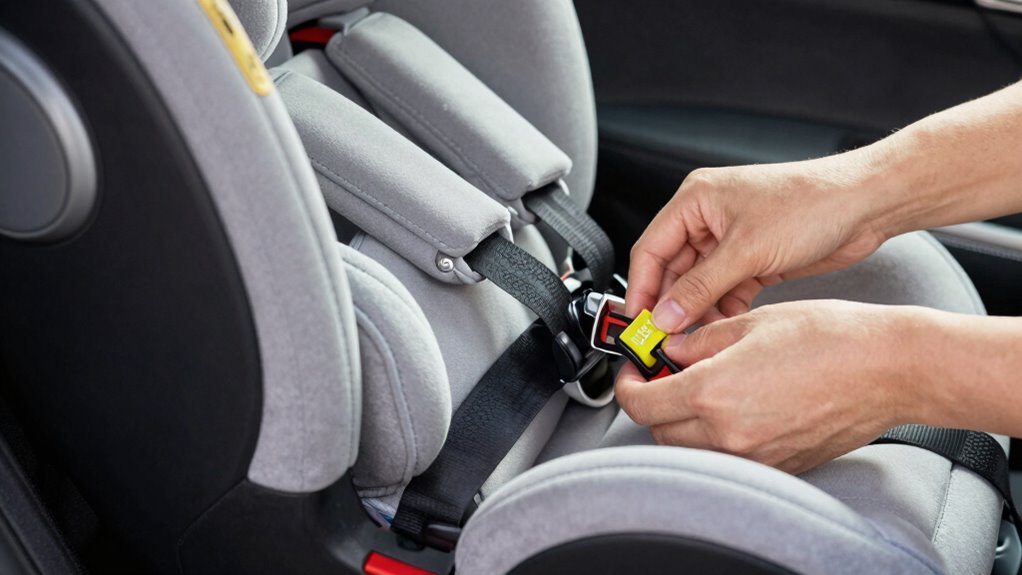
Installing your car seat correctly is crucial for your child’s safety, but many parents make common mistakes that can compromise its effectiveness. One mistake is not ensuring a snug fit, which can affect car seat longevity and overall protection. Avoid loose installations by double-checking the harness tension and tightness of the seat. Another mistake is ignoring child booster compatibility; using a booster that doesn’t fit your child’s size can reduce safety and comfort. Also, skipping proper anchor checks or misusing the LATCH system can weaken the installation. Remember, each mistake can jeopardize your child’s safety and the seat’s effectiveness over time. Carefully follow manufacturer instructions, perform regular safety checks, and ensure the seat is properly installed for maximum protection. Additionally, familiarize yourself with air fryer accessories to understand how proper maintenance and accessory choices can extend the lifespan of your equipment. For added safety, consider proper installation techniques to minimize the risk of incorrect setup. Regularly inspecting the body jewelry measurements can also help ensure the seat remains securely installed as parts may shift over time.
Which Installation Method Is Safer and More Flexible?
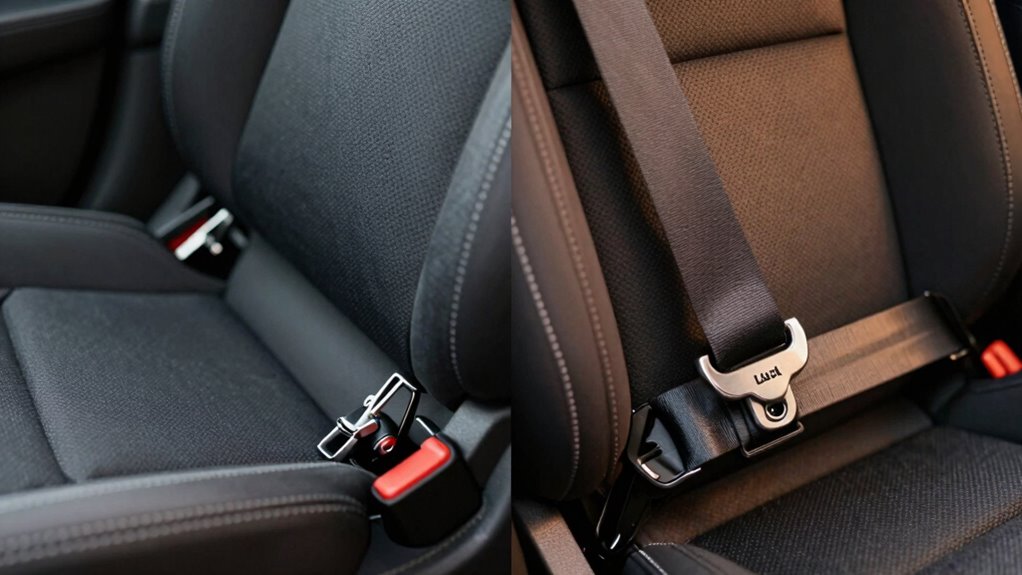
Both the LATCH system and seat belts offer reliable options for securing your child’s car seat, but their safety and flexibility can vary depending on the situation. LATCH is often easier to use and can provide a more secure fit, especially in smaller vehicles, making it a good choice for child safety. However, its compatibility depends on your vehicle’s specific anchor points, which might limit flexibility. Seat belts, on the other hand, are universally compatible and can be more adaptable, especially in larger or older cars. While both methods are safe when installed correctly, using the one that best fits your vehicle and provides a secure, snug fit guarantees maximum child safety. Consider your vehicle’s compatibility and your comfort level when choosing the safest, most flexible installation method. Installation techniques and proper use are essential to ensure maximum safety and effectiveness. Additionally, understanding vehicle compatibility can help you determine the most suitable installation method for your car. Properly securing your child seat with the appropriate method reduces the risk of injury during an accident, highlighting the importance of correct installation. For added peace of mind, consulting the child safety guidelines can further ensure that you are following the most current and effective safety practices.
How to Check That Your Car Seat Is Installed Correctly

Ensuring your child’s car seat is installed correctly is essential for their safety. To check, first tighten the straps and ensure no slack. Give the seat a firm shake at the base; it should not move more than an inch. Use installation tips like checking the recline angle and ensuring the harness is snug. Always double-check that the tether or LATCH connectors are secure. Remember, safety tips include verifying the seat is level and that the harness straps lie flat against your child’s chest. Consider the following:
| Step | What to Check |
|---|---|
| Tightness | No more than an inch of movement at the base |
| Correct Positioning | Seat angle and harness snugness |
| Secure Attachments | LATCH or seat belt firmly in place |
| Final Double-Check | All components properly secured |
Tips for Switching Between LATCH and Seat Belt as Your Child Grows
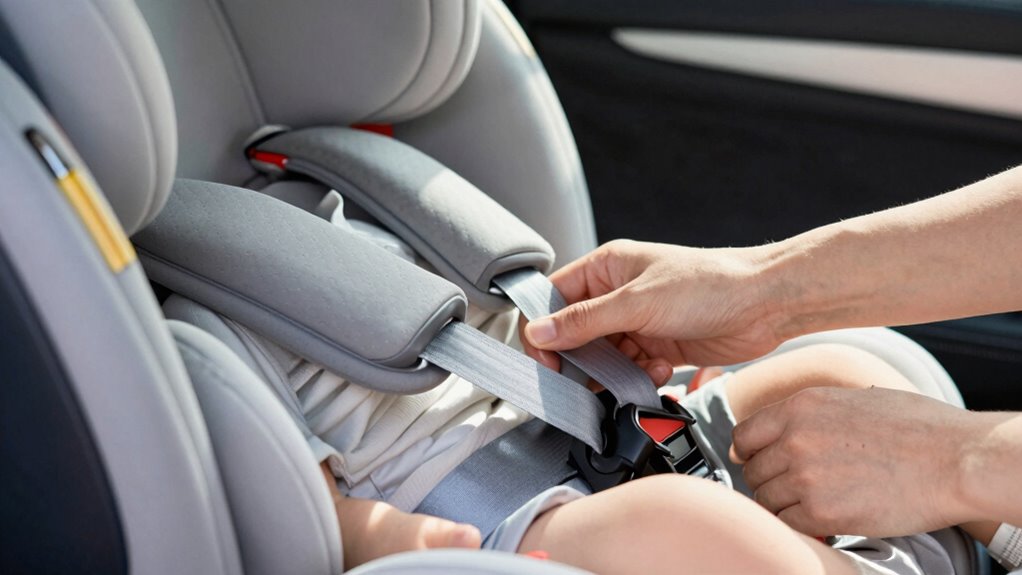
As your child outgrows their current car seat, switching between LATCH and seat belt installation becomes a common task. To assure child comfort, choose the installation method that keeps your child snug and secure without causing discomfort. Always check your vehicle’s compatibility, as some cars have limited LATCH anchors or specific seat belt configurations. When switching, carefully follow the manufacturer’s instructions for both methods, and double-check that the seat remains stable. Keep in mind that as your child grows, their needs may change, so periodically reassess the fit and comfort. If your vehicle makes switching difficult, consider a seat that offers easy conversion features. Staying informed and attentive helps keep your child safe and comfortable on every ride.
Troubleshooting: What to Do If Your Car Seat Doesn’t Fit or Feel Secure
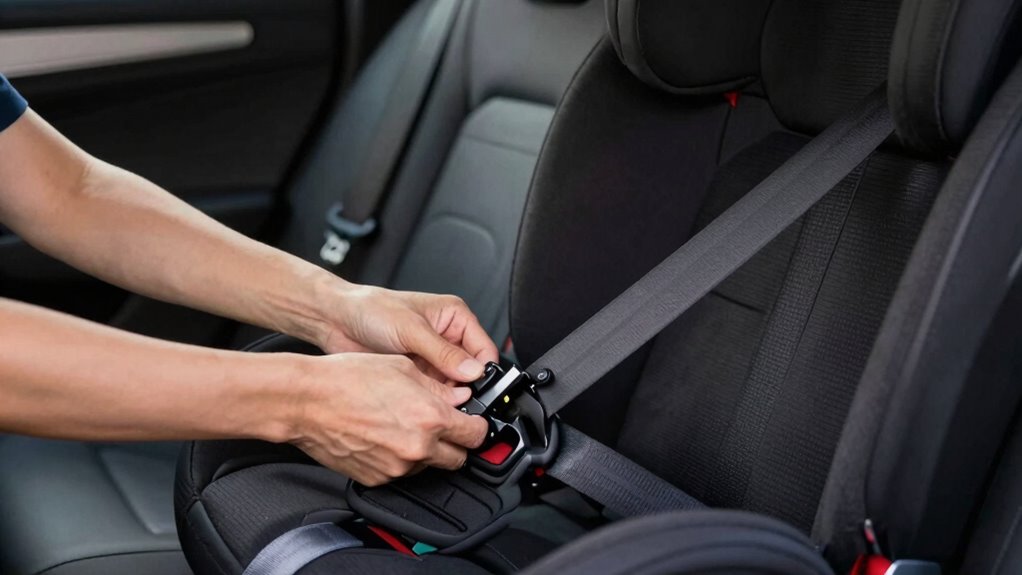
If your child’s car seat feels loose or doesn’t fit properly, it’s important to act promptly to correct the issue. Loose seats compromise child safety and often result from installation errors. First, double-check that you’ve followed the manufacturer’s instructions carefully. Reinstall the seat, ensuring the LATCH anchors or seat belt are securely fastened and tightened. Use the weight and height limits to confirm the seat is appropriate for your child. If it still feels unstable, try repositioning the seat or switching between LATCH and seat belt installation methods. Avoid forcing the seat, as this can lead to further installation errors. Remember, a properly installed car seat should not move more than an inch side-to-side or front-to-back when tested at the belt path.
Frequently Asked Questions
Can I Switch Between LATCH and Seat Belt Installation Anytime?
Yes, you can switch between LATCH and seat belt installation anytime, but you should follow the installation flexibility and switching guidelines. Always check your car seat manual and vehicle owner’s manual to guarantee proper use. Make sure the seat is securely installed each time, and avoid using both systems simultaneously unless the manufacturer explicitly allows it. Proper installation is key to keeping your child safe.
Are There Weight Limits for Using LATCH or Seat Belt?
You should always check the weight limit for your car seat’s LATCH system, typically around 40 pounds, including the child’s weight plus the seat’s weight. Once your child exceeds this LATCH weight limit, you need to switch to seat belt installation for safety. Remember, exceeding weight limits can compromise the seat’s grip, making it essential to follow manufacturer guidelines for both LATCH and seat belt use.
How Often Should I Check My Car Seat’s Installation Security?
You should check your car seat’s installation security every few weeks and before each trip to guarantee safety. Regular safety checks help identify any loosening or shifting that could compromise protection. Make it a habit to re-tighten straps and confirm proper positioning, especially after long trips or if your child moves. Consistent installation checks are key to maintaining your child’s safety and peace of mind during every drive.
Does My Vehicle’s Make and Model Affect Installation Options?
You might find it funny, but your vehicle’s make and model do affect installation options, thanks to vehicle compatibility and design differences. Some cars have specific LATCH anchors or seat belt configurations, creating installation variations. Always consult your vehicle’s manual or a certified technician to guarantee a safe fit. This way, you get the most secure installation, no matter how unique your car is.
What Signs Indicate My Car Seat Is Improperly Installed?
You’ll know your car seat is improperly installed if it’s loose or moves more than an inch side to side or front to back. Check for common installation mistakes like not tightening the straps enough or not locking the seat properly. Conduct safety inspection tips such as performing a quick tug test and ensuring the harness is snug. If unsure, always double-check your installation or consult a professional to guarantee your child’s safety.
Conclusion
Remember, whether you choose LATCH or a seat belt, the key is a secure, snug fit. For instance, if your child’s height outgrows the LATCH limits, switching to the seat belt guarantees continued safety. Always double-check your installation and avoid common mistakes. By staying informed and attentive, you’ll keep your little one safe on every ride—because proper car seat installation truly makes all the difference.