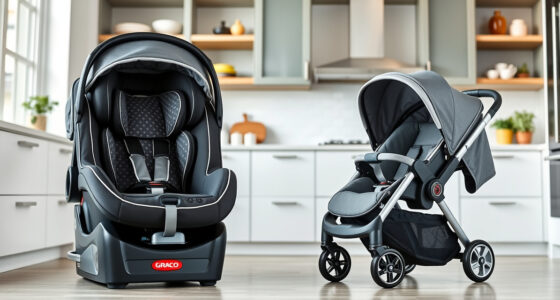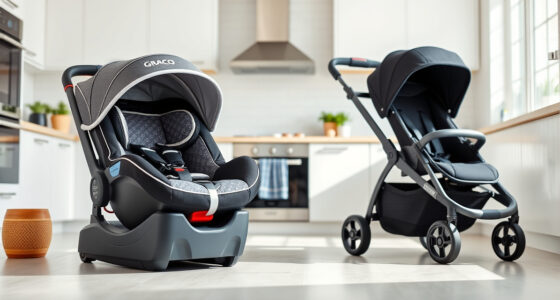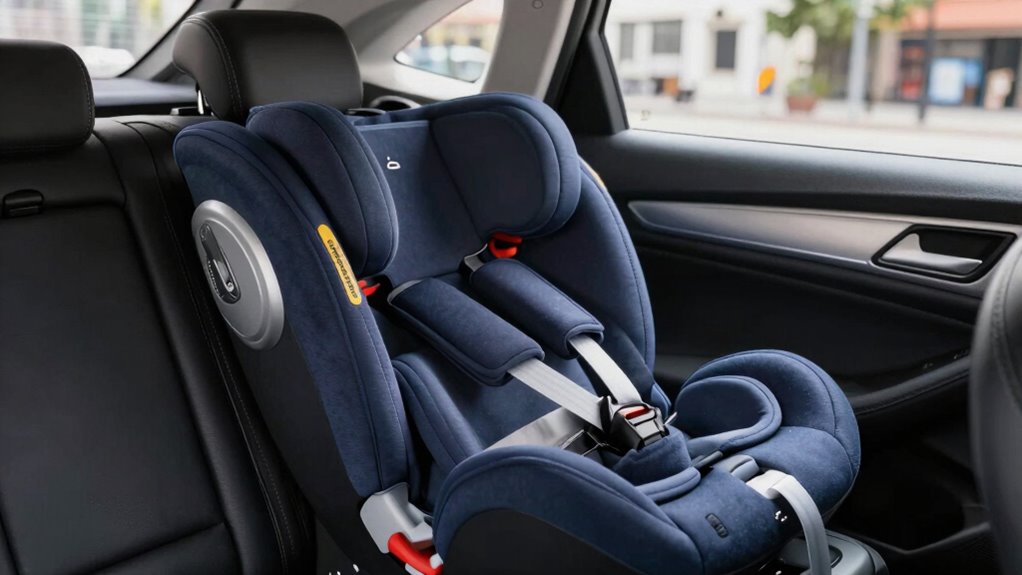

The latest research shows that keeping your child rear-facing as long as possible is the safest choice for their protection. Extended rear-facing cushions head, neck, and spine injuries during crashes by spreading crash forces more evenly. Crash tests confirm that rear-facing seats offer superior safety compared to forward-facing options. Staying informed about current guidelines guarantees you make the best decision for your child’s safety—so if you want to learn more, there’s plenty of important information ahead.

Turn the school run and nap time into listening time
- Thousands of audiobooks, podcasts and originals
- Listen on your phone, tablet or Echo — also offline
- Cancel anytime
Key Takeaways
- Extended rear-facing seats significantly reduce head, neck, and spine injuries in crashes, according to crash test and real-world data.
- Research shows children rear-facing until age 2 or beyond experience fewer injuries than those switched earlier.
- Crash tests confirm that rear-facing positions distribute crash forces more evenly, offering superior impact protection.
- Expert guidelines recommend keeping children rear-facing as long as possible, based on safety standards and developmental readiness.
- Myths about early forward-facing are disproven; evidence supports longer rear-facing for improved safety and injury prevention.
As an affiliate, we earn on qualifying purchases.
How Long Should My Child Stay Rear-Facing?
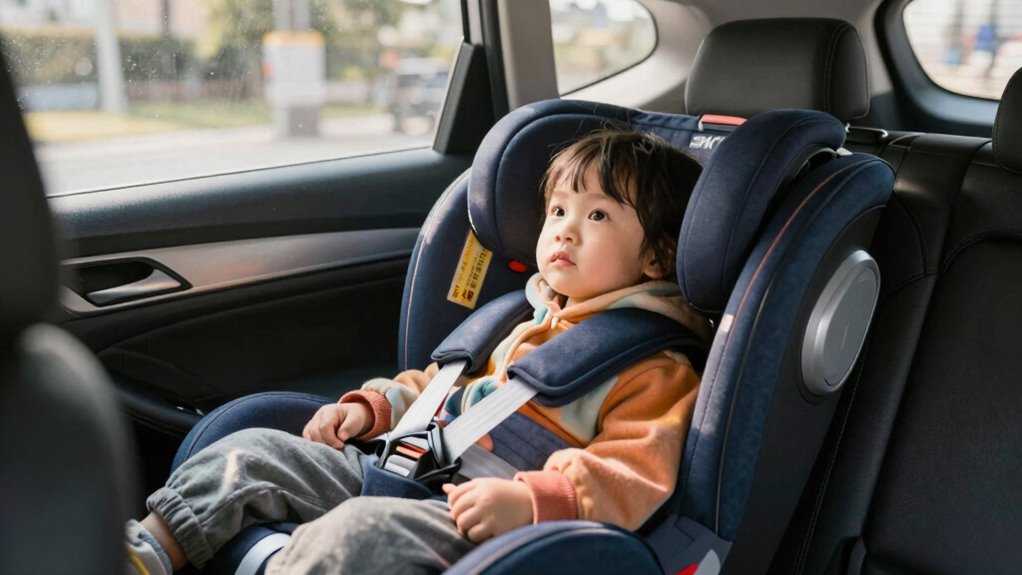
You should keep your child rear-facing as long as possible within the car seat’s height and weight limits. Doing so supports healthy child development by providing better protection for their head, neck, and spine during a crash. Proper car seat installation is essential to guarantee your child’s safety, so double-check that the seat is correctly installed each time. Many experts recommend keeping your child rear-facing until they reach the maximum weight or height allowed by the manufacturer, often around age 2 or even longer. This extended rear-facing position minimizes injury risk and promotes safer child development during those critical early years. Staying within the car seat’s limits is key to offering the best protection as your child grows. Ensuring your car seat is properly installed can significantly enhance safety during travel and is especially important when considering correct installation techniques to maximize protection. Additionally, smart sensors can be used in some modern car seats to monitor proper installation and alert you if adjustments are needed. Research also shows that extended rear-facing can reduce the severity of injuries in the event of a crash, making it a recommended practice for safety-conscious caregivers.
rear-facing infant car seat with weight limit
As an affiliate, we earn on qualifying purchases.
As an affiliate, we earn on qualifying purchases.
What Are the Safety Benefits of Keeping Your Child Rear-Facing Longer?
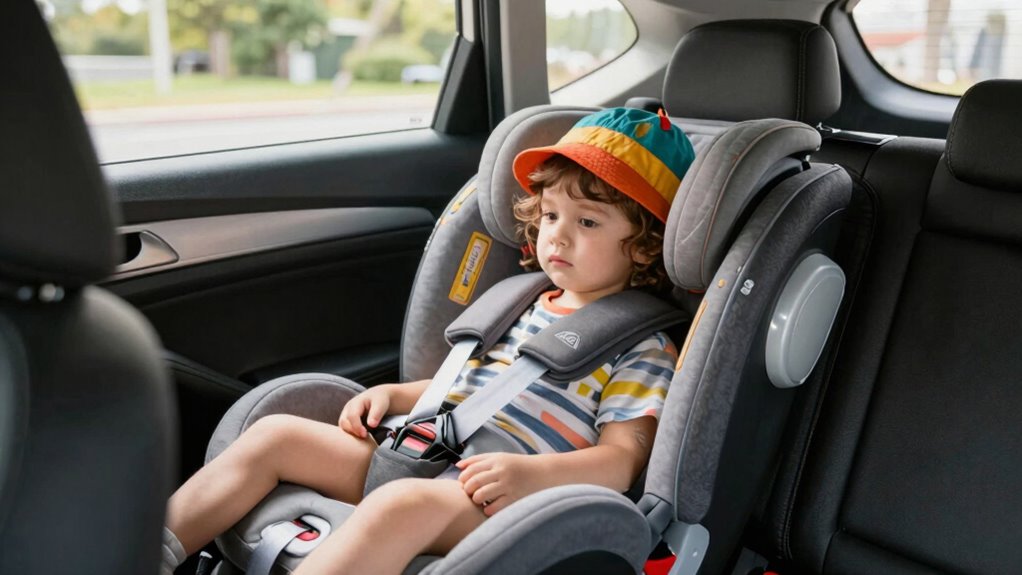
Keeping your child rear-facing longer provides significant safety advantages. Studies show that rear-facing car seats better protect your child’s head, neck, and spine during a crash, reducing injury risk. This positioning distributes crash forces more evenly across the vehicle safety structure and your child’s body. As your child’s body develops, keeping them rear-facing supports healthier child development because it minimizes the stress on their developing musculoskeletal system. Extended rear-facing travel aligns with recommendations from safety experts, emphasizing that children are safer when facing the rear until at least age two and beyond. Additionally, AI-powered virtual reality in e-learning can be used to educate parents about the benefits of rear-facing seats in engaging and interactive ways. By choosing to keep your child rear-facing longer, you’re prioritizing their safety and promoting better vehicle safety practices, giving your little one the best protection as they grow. Research also shows that rear-facing safety benefits are most effective when implemented in real-world scenarios, highlighting the importance of informed decision-making.
As an affiliate, we earn on qualifying purchases.
Do Crash Tests Confirm Extended Rear-Facing Is Safer?
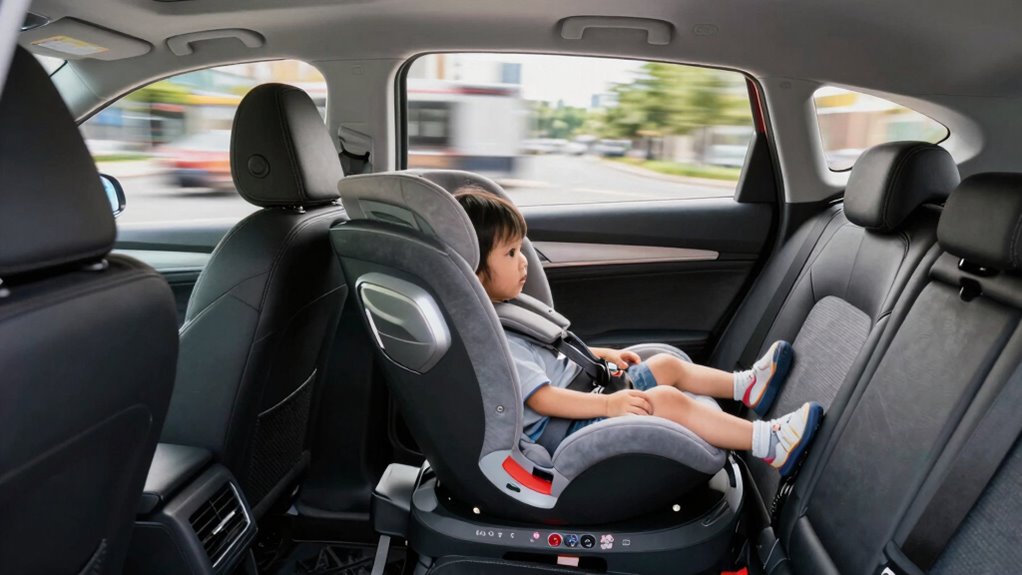
Crash tests consistently show that extended rear-facing seats provide better protection in collisions, especially for the head and neck. The safety margin evidence suggests these seats can absorb impact forces more effectively. When comparing real-world data, children in rear-facing seats often experience fewer injuries, confirming the tests’ findings. Moreover, understanding accessibility features can help parents select the safest options for their children. Incorporating luxury safety accessories can further enhance protection and comfort for young passengers. Additionally, considering sector performance metrics can inform broader decisions about safety innovations and market trends in child safety products.
Crash Test Outcomes
Numerous crash tests have consistently shown that extended rear-facing seats provide better protection for young children in the event of a collision. These tests, conducted by organizations like the IIHS and NHTSA, demonstrate that children in rear-facing seats experience less injury than those in forward-facing seats. Some booster seat myths suggest that switching early is safe, but crash data refutes this, emphasizing the importance of vehicle safety features like crumple zones and airbags. While safety features improve overall vehicle protection, they don’t compensate for the increased risk of forward-facing impacts. Crash test outcomes clearly support extended rear-facing as the safest choice, confirming that keeping children rear-facing longer reduces injury risk markedly. This evidence underscores the importance of following updated safety recommendations.
Safety Margin Evidence
While crash tests can’t replicate every real-world scenario perfectly, they provide strong evidence that extended rear-facing seats are safer for young children. These tests consistently show better protection for the head, neck, and spine when children remain rear-facing longer. Proper seat installation is critical, ensuring the seat absorbs impact effectively. Studies comparing forward-facing and extended rear-facing crashes reveal a clear safety margin in favor of the latter. Incorporating home design considerations such as optimal placement can also enhance overall safety during emergencies. Additionally, understanding child restraint laws can help ensure compliance and safety best practices. Research also indicates that crash test results support extending rear-facing use for enhanced protection. Moreover, the quality of seat manufacturing plays a vital role in maximizing safety during an accident.
Real-World Comparisons
Although crash tests provide valuable insights, real-world comparisons are essential to confirm whether extended rear-facing seats truly offer greater safety. In actual accidents, factors like proper seat installation and consistent car seat maintenance play vital roles in a child’s safety. When a seat is correctly installed, it minimizes the risk of injury, making the extended rear-facing position more effective in protecting your child. Conversely, incorrect installation can negate safety benefits, regardless of crash test results. Real-world data shows fewer injuries when children remain rear-facing longer, supporting the idea that extended rear-facing is safer. These comparisons highlight that, beyond crash test outcomes, diligent seat maintenance and proper installation are key to maximizing safety and ensuring your child’s protection in everyday driving situations. Additionally, understanding car seat safety guidelines helps parents make informed choices about extended rear-facing practices. Recognizing the importance of proper installation techniques can significantly enhance the safety benefits of extended rear-facing seats. Moreover, staying informed about latest safety research ensures parents can adapt their practices based on current evidence. Proper seat usage and ongoing education further contribute to improved safety outcomes.
best rear-facing convertible car seat
As an affiliate, we earn on qualifying purchases.
As an affiliate, we earn on qualifying purchases.
When Is My Child Ready to Switch to Forward-Facing?
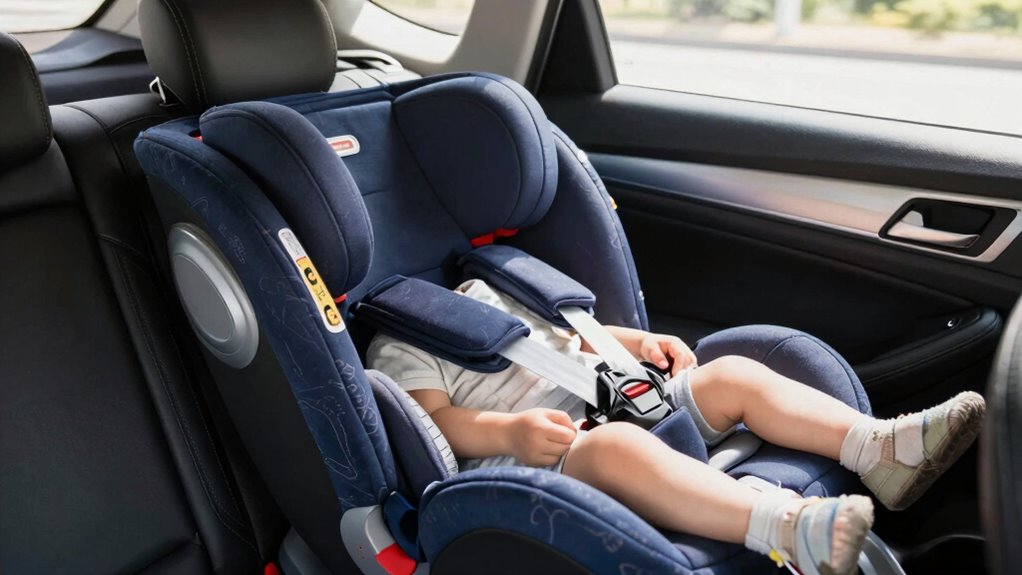
You should consider switching your child to a forward-facing car seat once they have outgrown the height or weight limits of their rear-facing seat, but it’s also vital to ensure they’re developmentally ready. Here are some signs:
- They can sit still and keep the harness properly positioned.
- They’ve mastered safe car seat installation and can handle the transition seamlessly.
- They’re at least age 2, but many experts recommend waiting longer.
- They’re comfortable with the harness and can sit without fuss during rides.
- Their car seat technology supports the transition when appropriate.
- Their overall developmental readiness includes physical and cognitive skills necessary for a safe transition. Additionally, some research suggests that delaying the switch to forward-facing until a child is around age 3 can provide added safety benefits, especially as their muscle control continues to develop. Developing motor skills further can enhance their ability to sit securely during car rides, and ensuring they have adequate body coordination is also beneficial.
Are There Myths That Could Put Your Child at Risk?
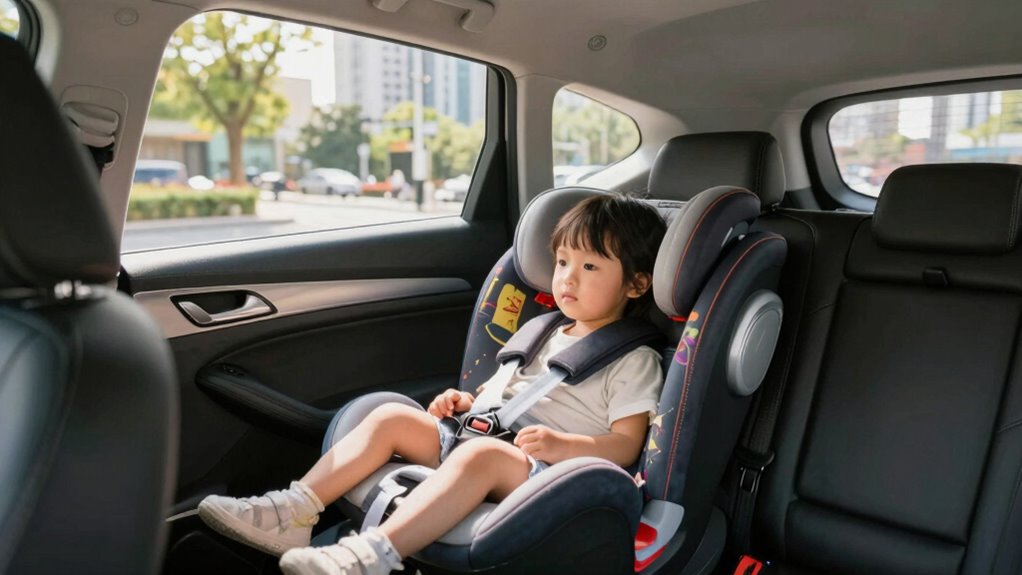
Many parents believe myths about car seat safety that could put their children at risk. Some think switching to forward-facing early is safe or that rear-facing offers no added protection, but these ideas are misleading. Understanding the truths behind these misconceptions helps you keep your child safer for longer.
Common Misconceptions About Forward-Facing
Misconceptions about forward-facing car seats can lead parents to make unsafe choices for their child’s safety. Many believe that once a child outgrows rear-facing, they should immediately switch to forward-facing, but this isn’t always best. Here are some common myths:
- Thinking seat orientation matters less after a certain age, when in reality, rear-facing offers better protection.
- Believing booster seats are safe for very young children; they’re designed for older kids who can sit properly.
- Assuming forward-facing is safer than rear-facing at all times, ignoring research on crash protection.
- Believing that a child can be trusted to sit correctly without a harness once in a booster seat.
Understanding these misconceptions helps you make informed, safer choices for your child’s car safety.
Risks of Premature Transition
Prematurely switching your child from a rear-facing to a forward-facing car seat can considerably increase their risk of injury in a crash. Many parents believe once a child hits a certain age or weight, it’s safe to shift. However, rushing this process ignores the benefits of rear-facing safety. Proper car seat installation is essential, especially when moving to booster seats later. Using a booster seat too soon can also compromise safety, as children need to be big enough for seat belts to fit correctly. Below is a reminder of key points:
| Transition Point | Risk if Prematurely Done | Recommended Practice |
|---|---|---|
| Age | Higher injury risk | Follow manufacturer guidelines |
| Weight | Increased injury chances | Wait until children meet weight limits |
| Seat Type | Less protection | Use rear-facing until fully grown |
| Installation | Incorrect fit increases risk | Ensure correct car seat installation |
| Booster Use | Improper fit risks injury | Use booster only when appropriate |
Myths About Car Seat Safety
While it’s common to believe that car seats are foolproof, several myths can lead you to unsafe choices. First, some think once a child outgrows a seat, they’re automatically safe in a booster—this isn’t true if their vehicle maintenance isn’t up to date. Second, many believe rear-facing is only for infants, but extended rear-facing offers better protection. Third, assuming a seat is “good enough” without proper installation can compromise safety; regular checks are essential. Finally, road trip planning often overlooks proper car seat placement, risking improper use. To stay safe, always verify the latest guidelines, ensure your vehicle maintenance is current, and plan trips with car seat safety in mind. These steps help keep your child protected on every journey.
How Do Age and Size Guidelines Affect Rear-Facing Duration?
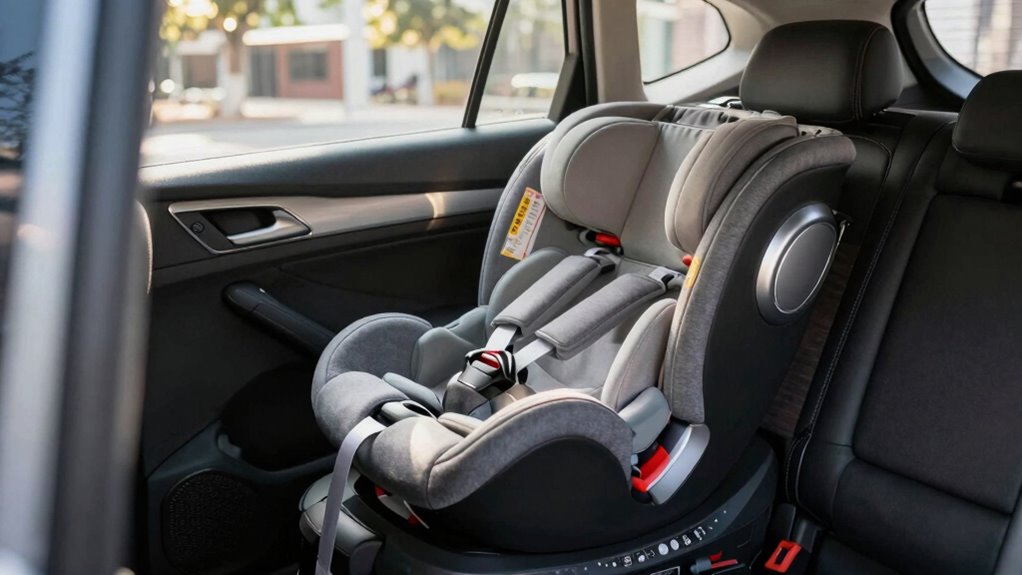
Age and size guidelines play a vital role in determining how long your child should stay rear-facing. These guidelines are based on safety standards that consider a child’s weight, height, and developmental stage. When you follow the recommended age and size limits, you help ensure proper seat installation, which is crucial for maximum protection. Larger children often outgrow rear-facing seats based on height or weight, but many still benefit from staying rear-facing longer. Prioritizing these guidelines supports your child’s comfort by allowing them to sit in a position that accommodates their growth. Remember, the goal is to keep your child rear-facing as long as they meet the manufacturer’s specifications, maximizing safety and comfort during every ride.
Tips for Keeping Your Child Rear-Facing Longer Safely
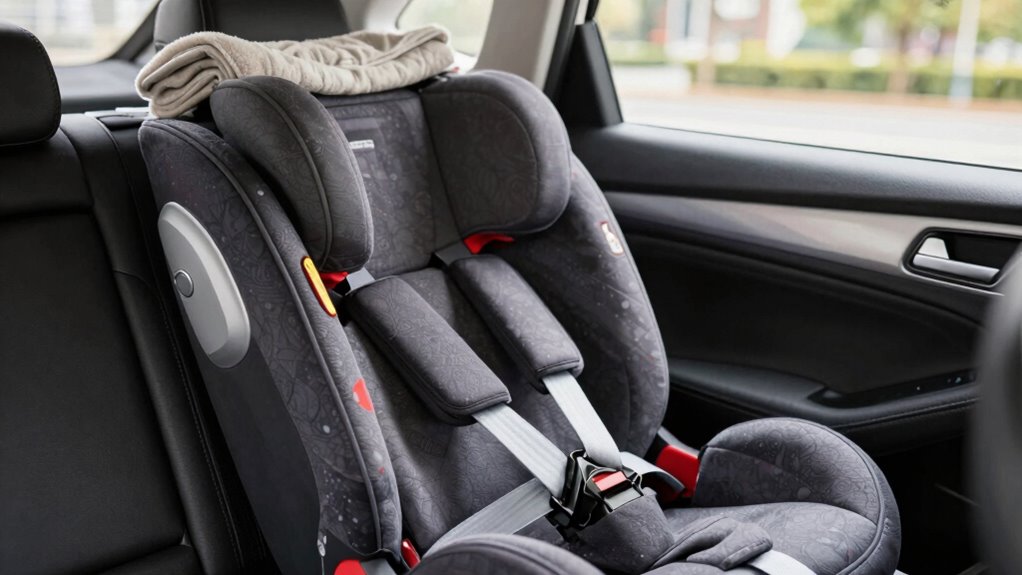
To keep your child rear-facing longer safely, make sure you choose a seat that meets current safety standards and fits your child’s size and weight. Proper seat installation is vital—double-check the manual and use a level to ensure the seat is secure. Consider adding car seat accessories like lock-offs or tether anchors to improve stability and safety. Here are some tips:
Choosing a safe, properly fitted rear-facing car seat and securing it correctly ensures your child’s safety.
- Regularly inspect the seat for any signs of wear or damage.
- Follow the manufacturer’s instructions precisely during installation.
- Keep your child’s harness snug and properly positioned at all times.
- Use accessories that enhance stability, such as anti-slip mats or tether straps.
What Do Pediatric Experts Recommend About Rear-Facing?

Pediatric experts recommend keeping your child rear-facing as long as possible, following safety guidelines. They advise sticking to age and weight limits to guarantee maximum protection. By doing so, you give your child the best safety benefits during car rides.
Pediatric Safety Guidelines
Experts strongly recommend keeping children rear-facing for as long as possible because it provides the best protection for their head, neck, and spine in a crash. Pediatric safety guidelines emphasize that a proper child restraint setup is essential for vehicle safety. To follow these guidelines:
- Use a rear-facing car seat until your child exceeds the maximum height or weight limit.
- Ensure the car seat is installed tightly, with minimal movement.
- Check that the harness fits snugly at or just below the child’s shoulders.
- Keep your child in the rear-facing position during every trip for maximum safety.
Following these recommendations helps maximize safety and aligns with pediatric experts’ advice for protecting your child’s developing body in vehicle accidents.
Age and Weight Recommendations
Children should stay rear-facing until they reach the maximum height or weight limits specified by their car seat manufacturer, which often means staying rear-facing well beyond their second birthday. Pediatric experts emphasize that an ergonomic design in car seats helps support your child’s head, neck, and spine during crashes, providing better protection. Manufacturing standards ensure these seats meet strict safety criteria, making them reliable for longer use. The focus is on following the manufacturer’s guidelines based on your child’s size, not just age. By adhering to these recommendations, you give your child the best chance for safety and comfort, as rear-facing seats are proven to reduce injury risk. Remember, staying rear-facing longer aligns with both ergonomic design principles and current safety standards.
How to Choose a Car Seat Based on the Latest Evidence
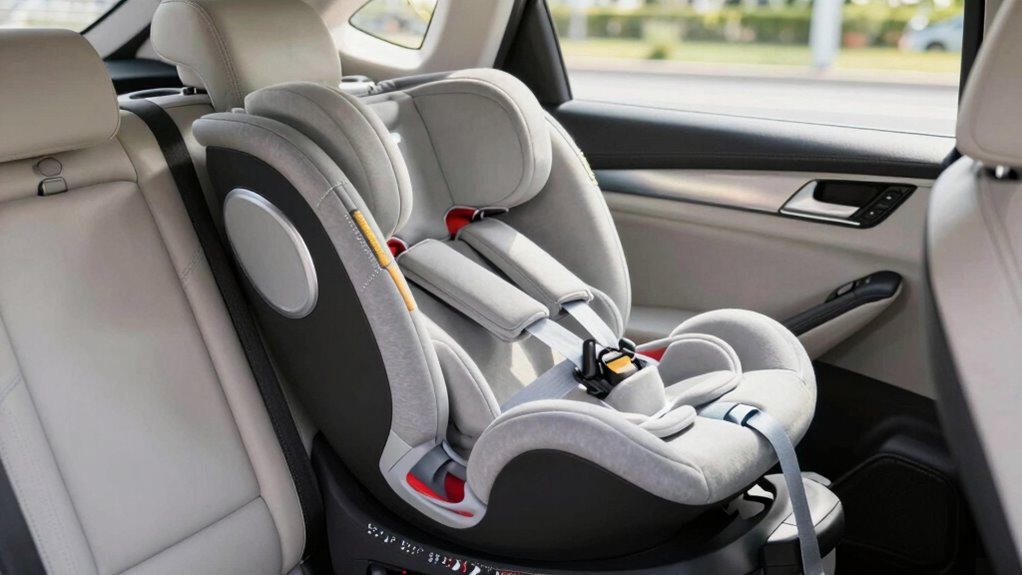
When choosing a car seat, it’s essential to base your decision on the latest research and safety standards. This helps guarantee your child’s protection and comfort. Consider these factors:
- Seat installation: Look for models that are easy to install correctly, reducing the risk of errors.
- Safety features: Prioritize seats with the newest safety innovations, like side-impact protection.
- Parental preferences: Think about your lifestyle—do you need a seat that’s portable, adjustable, or fits your vehicle?
- Follow the latest evidence: Choose a seat that supports extended rear-facing, as research shows it’s safer for longer periods.
Summary: Making Informed Decisions About Your Child’s Car Safety

Making informed decisions about your child’s car safety involves understanding the latest research and applying it to your choice of car seats. You should prioritize rear-facing seats for as long as possible, since research shows they offer better protection. Ensuring proper seat belt usage is vital; a seat is only effective if it fits your vehicle correctly and your child is secured properly. Check vehicle compatibility to confirm the seat fits well in your car and allows for correct installation. Stay updated with current guidelines and recommendations from safety experts. By combining knowledge of vehicle compatibility, seat belt usage, and research-backed safety practices, you can make confident choices that maximize your child’s safety during every trip.
Frequently Asked Questions
Are There Legal Restrictions on How Long a Child Can Stay Rear-Facing?
You should know that legal restrictions on how long your child can stay rear-facing vary by state. Some states set age limits, often requiring children to remain rear-facing until at least age one or two, while others follow weight or height guidelines. It’s crucial to check your local laws to make sure you’re complying. Generally, staying rear-facing longer is encouraged for safety, but always follow your state’s specific legal restrictions.
How Do Car Seat Regulations Vary Across Different Countries?
You’ll find car seat regulations vary widely across countries, reflecting international standards and cultural differences. While some nations emphasize strict safety measures, others prioritize ease of use or affordability. This contrast highlights how safety priorities shift globally, affecting laws on rear-facing limits, harness requirements, and installation rules. Understanding these differences helps you navigate local regulations better, ensuring your child’s safety aligns with the specific standards and cultural expectations wherever you travel.
What Are the Costs Associated With Extended Rear-Facing Car Seats?
You’ll find that extended rear-facing car seats often have higher cost implications, making them more expensive than standard options. Installation challenges can also arise, requiring more time and effort to guarantee safety. While the initial investment might be higher, many parents value the increased protection for their child. Keep in mind, these costs vary depending on the brand and features, so researching options that suit your budget and needs is essential.
How Do Rear-Facing Seats Impact Travel Convenience and Vehicle Compatibility?
You might find rear-facing seats less convenient for travel since they can be bulkier and more challenging to install properly, especially in smaller vehicles. Vehicle compatibility is important; some cars may not fit rear-facing seats easily, making installation more complicated. However, once installed correctly, rear-facing seats provide better safety for your child. Be prepared to adjust your vehicle setup to guarantee proper car seat installation and maximum safety during travel.
Can Extended Rear-Facing Seating Accommodate Different Vehicle Types?
You’ll find that extended rear-facing seats are surprisingly adaptable, fitting a wide variety of vehicle types. While some models might require extra effort during seat installation, many are designed with versatility in mind, making vehicle compatibility easier than you’d think. You can confidently choose different cars without worrying about whether the seat will fit; just double-check the manufacturer’s guidelines to guarantee a safe, snug fit every time.
Conclusion
So, are you willing to risk your child’s safety by rushing their shift to forward-facing? Staying rear-facing longer, backed by research and expert advice, can make a real difference in protecting your little one. It’s about giving them the best chance to stay safe during every trip. Isn’t their security worth taking the extra time? Trust the evidence and prioritize their well-being—because every moment counts when it comes to their safety.
Fall Picks
fall essentials
As an affiliate, we earn on qualifying purchases.