
TL;DR

Turn the school run and nap time into listening time
- Thousands of audiobooks, podcasts and originals
- Listen on your phone, tablet or Echo — also offline
- Cancel anytime
A Motherly report updated Sept. 29, 2026, outlines six common beliefs about protein for women and presents advice from nutritionist Cassy Joy Garcia. Garcia says the recommended daily allowance is a minimum, and that women can build protein into meals without relying on tracking apps or supplements.
Motherly updated a report on protein advice for women on Sept. 29, 2026, outlining six common beliefs and responses from nutritionist Cassy Joy Garcia. The article challenges the idea that women need a tracking app or protein powder to eat enough, and says life stages such as pregnancy, breastfeeding and menopause can affect protein needs.
Garcia, a holistic nutritionist and author of The Protein Meal Prep Plan, says women may need more protein during pregnancy, postpartum recovery and breastfeeding, as well as perimenopause and menopause. She also points to changes between ages 35 and 50 that can make muscle harder to build and maintain. The report attributes those explanations to Garcia; it does not provide individual assessments of protein needs.
The article says the current recommended dietary allowance is 0.8 grams per kilogram of body weight, and quotes Garcia describing it as a minimum intended to help prevent deficiency rather than an intake target for optimizing health. It also reports that the 2025–2030 Dietary Guidelines for Americans recommend 1.2 to 1.6 grams per kilogram a day. Those recommendations and ranges are presented as general guidance, not personalized medical advice.
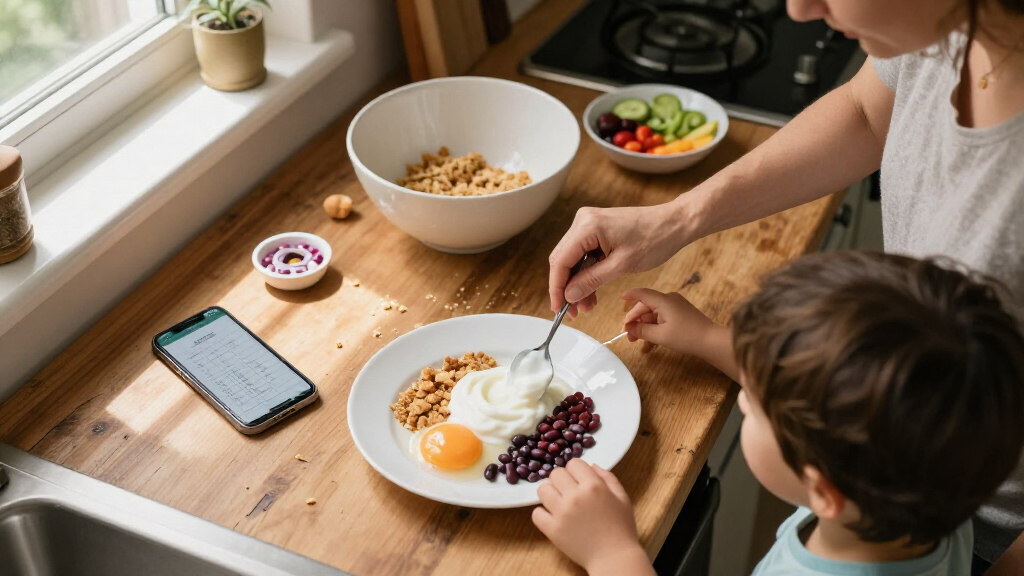
Garcia says people can begin by putting a protein source on their plate, without first downloading an app or buying powder. She suggests tracking intake briefly as a way to understand current habits, while saying it need not become a permanent routine. The report lists eggs, Greek yogurt, cottage cheese, tofu, edamame, lentils and beans as options alongside meat; it describes protein powder as a possible backup for drinks or foods such as smoothies and overnight oats.
Practical Ways to Build Protein Into Meals
The report addresses readers facing a crowded market of protein products and conflicting advice. Garcia’s suggestions focus on ordinary foods and meal planning, rather than making an app, supplement or specialized product a prerequisite. That can make the advice more accessible to people who want to review their meals without adding another ongoing task.
Its discussion of life stages also underscores why a single number may not answer every person’s needs. The report does not calculate an appropriate intake for individual readers, and readers with questions about pregnancy, breastfeeding, health conditions or dietary restrictions may need guidance tailored to them.
Six Beliefs the Report Examines
The article places protein advice within a broader shift toward tracking macronutrients and adding protein to familiar foods and drinks. It notes the spread of protein-focused products, including coffee drinks, while questioning whether consumers need the associated tools and supplements to make practical changes.
Its six myths are that eating normally guarantees enough protein, the RDA is an ideal target, an app and powder are required, protein means meat, breakfast should begin with carbohydrates, and weight lost while taking a GLP-1 drug is all fat. The supplied report text develops the first four in detail and includes meal-building examples; it names the breakfast and GLP-1 topics but does not provide their full supporting explanations or data in the material provided here.
““You don’t need an app or a powder to start.””
— Cassy Joy Garcia, holistic nutritionist and author
Individual Protein Needs Remain Personal
The report gives broad intake ranges but does not establish what amount is appropriate for any one reader. It does not detail the evidence behind each life-stage claim or provide a personalized assessment. The supplied material also does not give the full explanations for the breakfast and GLP-1 myths, including evidence about how weight lost while using GLP-1 medication is distributed.
Use Guidance With Personal Context
The article’s practical next step is to add a protein source to meals and use brief tracking only if it helps identify current habits. Readers considering changes to intake can consult a qualified health professional for advice that reflects their circumstances, particularly during pregnancy, breastfeeding or treatment with medication. The report does not announce a follow-up study or a scheduled next update.
Key Questions
Does the report say women need a protein-tracking app?
No. Garcia says an app is not needed to begin. She says tracking for a few days can help someone understand their current intake, but does not describe it as a permanent requirement.
What protein intake range does the article report?
Motherly reports that the 2025–2030 Dietary Guidelines for Americans recommend 1.2 to 1.6 grams per kilogram of body weight a day. The article also gives the RDA as 0.8 grams per kilogram and quotes Garcia calling it a minimum. These are general figures, not a personalized target.
Does protein have to come from meat?
No. The article names eggs, Greek yogurt, cottage cheese, tofu, edamame, lentils and beans as other sources. Garcia advises making a protein source a central part of a meal.
Does the article explain its GLP-1 claim in detail?
The supplied material lists the belief that weight lost on a GLP-1 is all fat as one of the six myths, but it does not include the full explanation or supporting data for that section.
Source: rss
Fall Picks
fall essentials
As an affiliate, we earn on qualifying purchases.