If you’re dealing with hard water on baby bottles, mineral buildup caused by calcium and magnesium can cause cloudy, sticky deposits that hinder proper sanitation. To fix this, soak bottles in a mixture of white vinegar and water for 15-30 minutes, scrub with a bottle brush, rinse thoroughly, and sterilize. Regularly testing water quality and using filtration or softeners can prevent future buildup. Keep going to find out more ways to protect your baby’s bottles effectively.
Key Takeaways
- Soak bottles in a mixture of distilled water and white vinegar for 15-30 minutes to dissolve mineral deposits.
- Use a bottle brush to scrub interior surfaces after soaking, then rinse thoroughly with hot water.
- Regularly sterilize bottles via boiling or sterilizer to prevent mineral buildup and bacteria growth.
- Install water softeners or use filtered or bottled water to reduce minerals in tap water.
- Inspect bottles regularly for signs of buildup and test water mineral content to choose appropriate treatment methods.

Baby Brezza Descaler 8 oz. Made in USA. Universal Descaling Solution for Baby Brezza and other baby appliances. Removes mineral build-up and extends your machine’s lifespan
Safe for use in all brands of appliances
As an affiliate, we earn on qualifying purchases.
As an affiliate, we earn on qualifying purchases.
What Is Hard Water and How Does It Affect Baby Bottles?

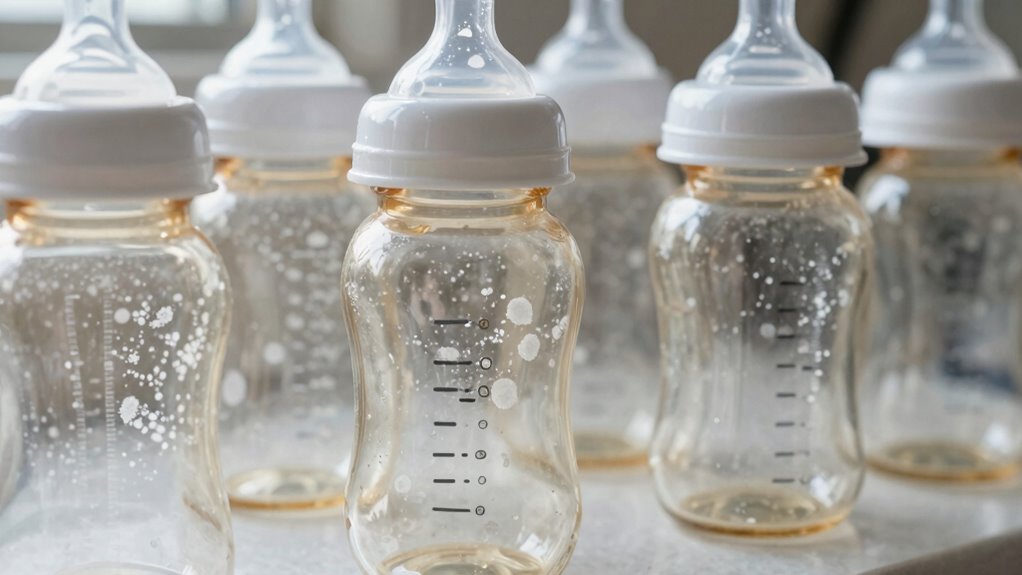
Hard water contains high levels of minerals like calcium and magnesium, which can build up on baby bottles over time. Poor water quality means these minerals aren’t fully removed during cleaning, leading to mineral accumulation on bottles’ surfaces. This buildup can make bottles appear cloudy or filmy and may affect their cleanliness. The mineral deposits don’t just stay on the surface; they can also embed in the bottle material, making it harder to sanitize thoroughly. Over time, this residue can cause unpleasant odors or taste issues, which might impact your baby’s feeding experience. Understanding how water quality influences mineral buildup helps you take the right steps to prevent it, ensuring your baby’s bottles stay clean and safe for use. Proper water treatment can significantly reduce mineral content and protect your bottles from buildup. Additionally, using water softening methods can further help prevent mineral deposits from forming on bottles. Regularly inspecting bottles for buildup and cleaning promptly can also help maintain their safety and longevity, especially in areas with hard water. Being aware of water mineral content can guide you in choosing the best cleaning and water treatment options for your baby’s bottles. To further minimize mineral deposits, consider using filtered water during bottle preparation, which can make a noticeable difference.

Momcozy KleanPal Pro Baby Bottle Washer, Sterilizer & Dryer – All-in-One Cleaning Machine for Bottles, Pump Parts & Baby Essentials – Time-Saving & Effortless Care
𝐔𝐋𝐓𝐈𝐌𝐀𝐓𝐄 𝐓𝐈𝐌𝐄-𝐒𝐀𝐕𝐈𝐍𝐆 & 𝐂𝐋𝐄𝐀𝐍𝐈𝐍𝐆 𝐒𝐎𝐋𝐔𝐓𝐈𝐎𝐍: Automatically washes, sterilizes, and dries baby bottles, pump parts, baby tableware, and more,…
As an affiliate, we earn on qualifying purchases.
As an affiliate, we earn on qualifying purchases.
How Can You Tell If Your Baby Bottles Have Mineral Buildup?

Mineral buildup on baby bottles often shows up as visible signs that you can spot with a quick inspection. Look for bottle discoloration, such as cloudy or stained areas, which indicate mineral deposits. You might also notice a persistent odor, even after washing, signaling mineral residue. Check for rough or gritty surfaces on the inside of the bottle where deposits may have accumulated. Additionally, if the bottle’s nipple or cap feels harder or less flexible, mineral buildup could be the cause. Regularly inspect for these signs to ensure your baby’s bottles stay clean and safe. Recognizing these indicators early helps prevent more significant buildup and keeps your little one’s feeding gear in top condition. Understanding effective cleaning techniques can further help in preventing mineral deposits. Incorporating proper water filtration can significantly reduce mineral buildup and maintain bottle clarity. Being aware of water quality issues in your area can also help you take preventative measures to protect your baby’s bottles from future mineral accumulation. Using appropriate cleaning tools can make removal of mineral deposits more efficient and thorough.
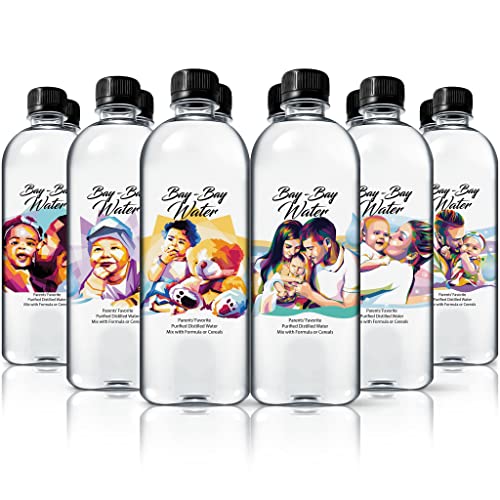
Bay Bay Water – Purified Distilled Water for Babies – 16.9 oz. – Use for Everyday Drinking, Infant Formula, Milk, and Baby Cereal – BPA Free – No Fluoride, Phosphate – Prevent Mineral Overload – (12)
𝐏𝐔𝐑𝐄 | 𝐏𝐔𝐑𝐈𝐅𝐈𝐄𝐃 𝐃𝐈𝐒𝐓𝐈𝐋𝐋𝐄𝐃 𝐖𝐀𝐓𝐄𝐑 𝐅𝐎𝐑 𝐁𝐀𝐁𝐈𝐄𝐒: Distillation is the method where pure Water is collected by removing…
As an affiliate, we earn on qualifying purchases.
As an affiliate, we earn on qualifying purchases.
How to Remove Mineral Deposits From Baby Bottles Effectively
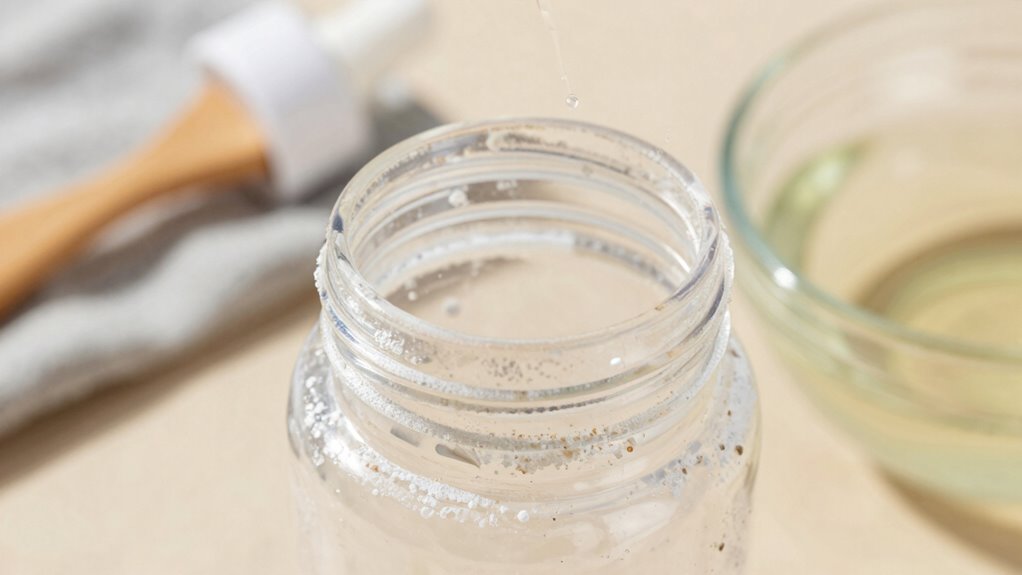
To effectively remove mineral deposits from baby bottles, start by soaking them in a vinegar solution. Fill the bottles with equal parts distilled water and white vinegar, and let them sit for 15-30 minutes. This helps loosen stubborn mineral buildup without damaging the bottle material. After soaking, scrub the inside gently with a bottle brush to ensure thorough mineral deposit removal. Rinsing the bottles thoroughly with hot water will eliminate any vinegar residue. For added safety, perform bottle sterilization by boiling the bottles or using a sterilizer after cleaning. This process not only removes mineral deposits but also guarantees your baby’s bottles are hygienic and safe for use. Regular cleaning with vinegar prevents future buildup and maintains clarity and cleanliness. Incorporating proper cleaning techniques can extend the lifespan of the bottles and ensure ongoing safety. Additionally, using safe cleaning methods helps preserve the integrity of the bottle material and prevents damage over time. Being aware of air quality considerations can help prevent mineral buildup caused by water impurities, further protecting your bottles from future deposits. Understanding the water source quality in your area can also contribute to reducing mineral accumulation on baby bottles over time. Monitoring water hardness levels can help you adjust cleaning routines to better prevent mineral deposits.

Munchkin® Sponge™ Bottle Brush, Modern Design, 2 Pack, Grey
Includes (2) BPA-free bottle brushes that stand upright and off of counters – new modern design
As an affiliate, we earn on qualifying purchases.
As an affiliate, we earn on qualifying purchases.
Tips to Prevent Hard Water Buildup on Baby Bottles
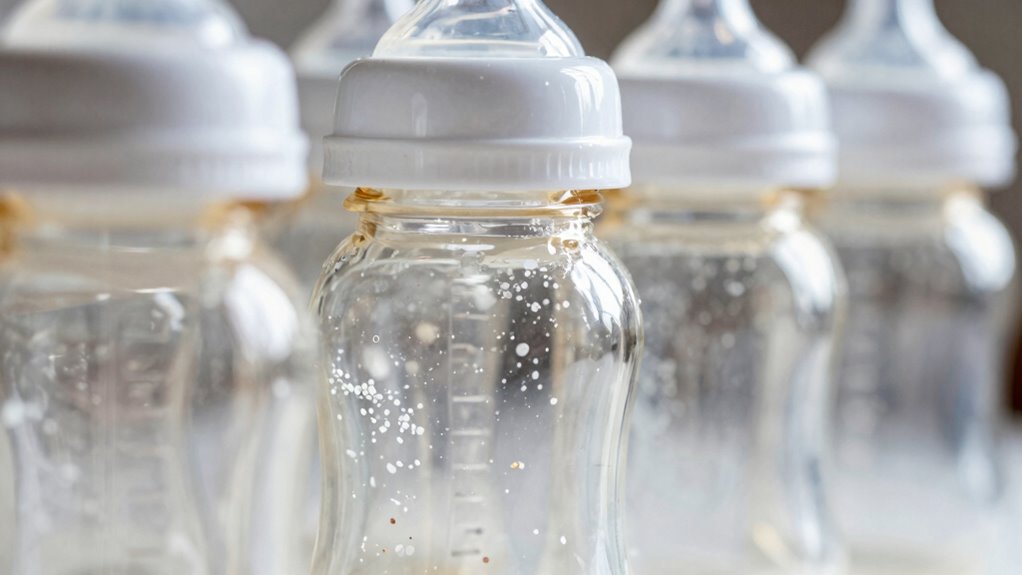
Since mineral deposits tend to accumulate over time, taking proactive steps can considerably reduce hard water buildup on baby bottles. Regularly sterilize bottles to prevent mineral buildup from lingering. Use water filtration systems to remove minerals before washing bottles, reducing deposits. Opt for bottled or filtered water for preparing formula or sterilizing bottles. Also, dry bottles thoroughly after washing to prevent mineral residue from sticking. Consider installing a water softener if your tap water is high in minerals, as it can markedly lower mineral content. Additionally, avoid letting bottles sit in stagnant water, which promotes mineral deposit formation. Incorporating water quality management practices can further help reduce mineral buildup. Understanding water mineral levels and their impact on household items can guide better water treatment choices. Monitoring water hardness levels can help you choose the most effective mineral reduction methods. Regularly testing your water’s mineral composition provides insight into the most suitable treatment options. By consistently practicing these tips, you’ll keep your baby’s bottles cleaner and minimize hard water buildup, ensuring safer, healthier feeding.
When Should You Test Water and Use Water Softeners for Baby Bottles?
Monitoring the mineral content in your water helps guarantee your baby’s bottles stay safe and clean. You should test your water quality regularly, especially if you use well water or live in an area with hard water. Testing methods include at-home test kits or professional lab analysis, which can detect high levels of minerals like calcium and magnesium. If tests reveal mineral levels above safe standards, it’s time to contemplate using water softeners or boiling water to reduce mineral buildup. You should test water before preparing bottles, particularly if you notice mineral deposits on bottles or a strange taste or odor. Regular water testing helps you stay informed about your water’s quality and potential risks. Implementing secure transaction methods and consistent monitoring can help you ensure your baby’s health and safety when using water for bottles.
Frequently Asked Questions
Are There Specific Bottle Materials More Resistant to Mineral Buildup?
Certain bottle materials, like stainless steel and polypropylene, offer better durability and resistance to mineral buildup. You’ll find that mineral resistance materials help prevent the accumulation of mineral deposits from hard water, making cleaning easier and maintaining bottle integrity longer. If you want to reduce mineral buildup, opt for bottles made from these mineral-resistant materials, as they’re designed to withstand mineral deposits and keep your bottles cleaner over time.
Can Mineral Deposits Affect the Safety of Stored Breast Milk?
Could mineral deposits compromise the safety of stored breast milk? Yes, mineral contamination from mineral buildup in bottles can pose risks. Hard water minerals may leach into breast milk, especially if bottles aren’t properly cleaned or if bottled water quality isn’t controlled. Always make certain bottles are thoroughly cleaned and use high-quality, low-mineral water for cleaning or diluting supplements to minimize potential health hazards.
Are Commercial Water Softening Products Safe for Baby Bottle Use?
Commercial water softening products are generally not recommended for baby bottles because their safety isn’t assured for infant use. These products often contain chemicals that might not be safe for your baby’s delicate health. Instead, opt for natural methods of water softening, like boiling or using a water filter approved for drinking water, to ensure product safety and keep your baby’s bottles free from mineral buildup.
How Often Should I Replace Baby Bottles Affected by Mineral Buildup?
You should replace baby bottles affected by mineral buildup when cleaning no longer restores their clarity and bottle durability declines. Typically, if mineral deposits persist despite frequent cleaning, it’s time to get new bottles. Regular cleaning frequency helps prevent buildup, but once mineral deposits compromise the bottle’s integrity or safety, replacing them guarantees your baby’s health. Keep an eye on the condition and don’t delay replacing worn or heavily scaled bottles.
Do Mineral Deposits Impact the Taste or Smell of Baby Formula?
Imagine preparing a bottle, only to notice a slight metallic taste or a strange smell. Mineral deposits from hard water can cause taste alteration and smell issues in baby formula, making it less appealing for your baby. These deposits can linger on bottles and affect the flavor, potentially leading to fussiness. Regular cleaning and using filtered water help avoid these problems, ensuring your baby’s formula tastes fresh and safe.
Conclusion
Think of your baby’s bottles as a delicate garden, thriving only with pure, gentle water. When mineral buildup clouds this garden, it’s like weeds choking the beauty away. By staying vigilant and caring for your bottles, you’re nurturing a safe haven for your little one’s health. With each clean, you’re planting seeds of trust and love, ensuring your baby’s growth blossoms in a world free from hidden dangers. Your effort keeps their future bright and beautiful.