
TL;DR
Children in a designated food desert are actively involved in a community farming effort, resulting in the harvest of approximately 30,000 pounds of fresh produce. The project aims to address local food insecurity and promote youth engagement in sustainable agriculture.
Children in a food desert have contributed to the cultivation of approximately 30,000 pounds of fresh produce through a community-led urban farming project, according to local organizers. This effort aims to improve access to healthy food and engage youth in sustainable agriculture, highlighting a successful model for addressing food insecurity.
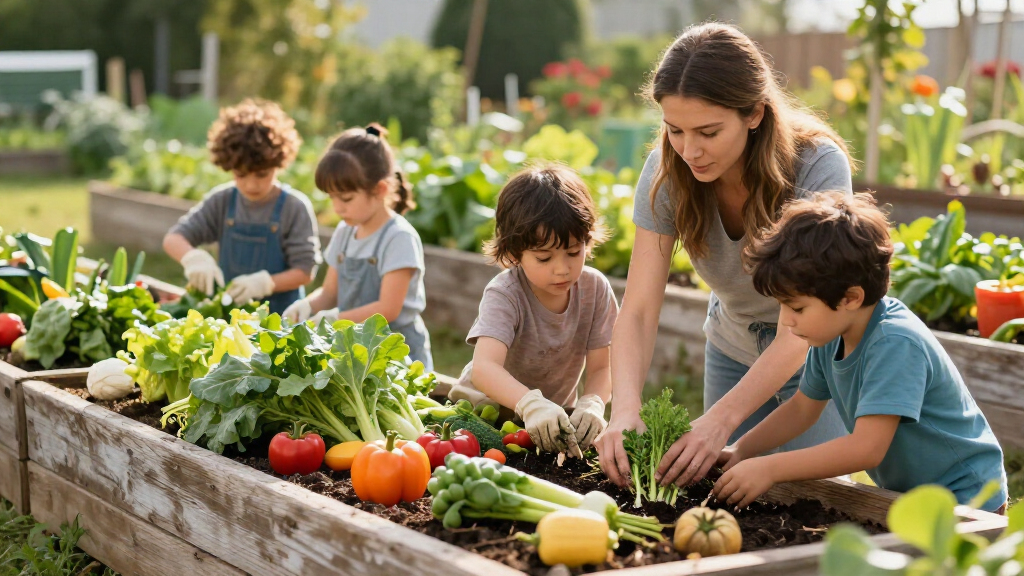
The initiative involves children aged 8 to 15 in planting, tending, and harvesting crops on a community farm located within the food desert. Local organizations partnered with schools and volunteers to create a sustainable urban farm that now supplies fresh vegetables and fruits to nearby residents. The project reports harvesting around 30,000 pounds of produce since its inception, with plans to expand further.
Organizers say that children’s participation has been vital, both in terms of labor and education. They have received training on gardening techniques, nutrition, and environmental sustainability. The farm’s produce is distributed through local food banks, community markets, and direct sales to residents, aiming to increase access to healthy options in an area where grocery stores are scarce.
Officials and community leaders emphasize that the project not only provides nutritious food but also fosters skills, responsibility, and community pride among participating youth. The initiative has received support from local government grants and nonprofit organizations dedicated to food justice and youth development.
Impact of Youth-Driven Food Production in Food Deserts
This project demonstrates how involving children in urban agriculture can address food insecurity in underserved areas. By producing 30,000 pounds of fresh produce, the initiative helps supply local residents with healthier options, potentially reducing diet-related health issues. Additionally, engaging youth in sustainable farming fosters educational and community development, creating a model for similar efforts elsewhere.
The success underscores the importance of community-driven solutions to food deserts, emphasizing youth participation as both a practical and educational strategy. It also highlights the potential for urban farming to transform neighborhoods with limited access to fresh food, contributing to broader efforts to combat food inequity.
As an affiliate, we earn on qualifying purchases.
Urban Farming Efforts in Food Deserts Expand
Food deserts are areas where residents have limited access to affordable, healthy food, often due to the absence of grocery stores. According to the U.S. Department of Agriculture, approximately 23.5 million Americans live in food deserts, many of whom are children and low-income families.
Recent years have seen increased initiatives to combat food insecurity through urban agriculture, including community gardens, school-based farms, and cooperative markets. The current project builds on this trend, focusing specifically on youth involvement to both produce food and educate the next generation about sustainable practices.
Previous efforts in similar communities have shown that youth engagement can lead to increased consumption of healthy foods, improved nutritional knowledge, and strengthened community bonds. This project’s harvest of 30,000 pounds is among the largest reported in recent urban farming initiatives targeting food deserts.
While the project has been praised for its success, it is still in early stages of long-term sustainability and scalability. Funding, ongoing community support, and integration with local food systems remain key factors under consideration.
“Seeing children take pride in growing their own food has been truly inspiring. It’s more than just about the harvest; it’s about building healthier, empowered communities.”
— Maria Lopez, Community Organizer
As an affiliate, we earn on qualifying purchases.
Long-Term Sustainability and Expansion Challenges
It remains unclear how sustainable the project will be beyond current funding cycles. Questions about ongoing financial support, scalability to other neighborhoods, and long-term community engagement are still unresolved. Additionally, the exact proportion of produce distributed directly to residents versus sold or donated is not yet confirmed.
urban farming starter kit for kids
As an affiliate, we earn on qualifying purchases.
As an affiliate, we earn on qualifying purchases.
Next Steps for Community Farming and Youth Engagement
Organizers plan to seek additional funding and partnerships to expand the farm’s capacity and include more youth participants. They aim to develop educational programs that can be integrated into local schools and explore ways to increase distribution channels. Monitoring and reporting on the project’s long-term impact will continue over the coming months.
As an affiliate, we earn on qualifying purchases.
Key Questions
How are the children involved in the farming process?
Children participate in planting, watering, weeding, and harvesting crops under supervision, gaining practical experience in urban agriculture and environmental stewardship.
What types of produce are grown in the project?
The farm produces a variety of vegetables and fruits, including tomatoes, peppers, lettuce, carrots, and strawberries, tailored to local preferences and growing conditions.
How does this project help address food insecurity?
By producing large quantities of fresh produce locally, the project supplies food banks, markets, and residents directly, reducing reliance on distant grocery stores and increasing access to healthy foods.
Are there plans to replicate this model elsewhere?
Yes, organizers are exploring opportunities to expand the program to other food deserts in the region, contingent on funding and community support.
What are the main challenges facing the project?
Key challenges include securing ongoing funding, maintaining community engagement, and scaling operations without compromising quality or access.
Source: rss