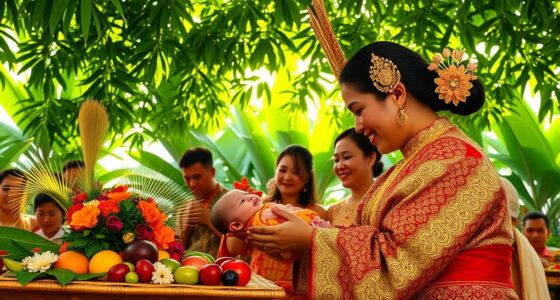

When exploring cultural identity and heritage in international adoption, you can actively honor your child’s background by incorporating their traditions, language, and customs into daily life. Celebrating holidays, connecting with cultural communities, and preserving stories helps your child feel proud and secure in their identity. Consistent effort, open conversations, and respect are key to fostering a strong sense of belonging. If you want to learn how to create a meaningful cultural connection, there’s more to discover ahead.
Key Takeaways
- Prioritize understanding and respecting the child’s cultural background beyond legal formalities.
- Incorporate cultural traditions, language, and holidays into daily routines to foster belonging.
- Connect with community organizations to support heritage preservation and cultural engagement.
- Maintain ongoing conversations and show patience to help the child explore and embrace their roots.
- Foster a secure environment that balances honoring heritage with adapting to the new family setting.

Have you ever wondered what it takes to bring a child from another country into your family? When you decide to pursue international adoption, you’re beginning a journey that goes beyond legal paperwork and medical checks. You’re entering a process that involves understanding and respecting a child’s cultural background while helping them integrate into their new life. One of the most vital aspects of this journey is cultural integration. It’s not just about providing a safe, loving home; it’s about embracing the child’s heritage and making space for their identity to flourish. You’ll want to learn about their country’s traditions, language, and customs so you can honor their roots. This effort helps the child feel valued and connected to where they come from, even as they adapt to their new environment. You might find that incorporating their cultural practices into daily routines, celebrating traditional holidays, or maintaining language skills can foster a sense of belonging. Recognizing the importance of cultural identity can help ensure a smoother transition and stronger emotional connection.
At the same time, heritage preservation becomes an essential part of the process. It’s easy to focus on the logistics of adoption—paperwork, legal procedures, and medical evaluations—but preserving a child’s cultural heritage requires intentional effort. You may consider creating a family environment that celebrates their country’s history, music, and stories. Connecting with community groups or cultural organizations can also help your child see that their background is an integral part of who they are. The goal isn’t to isolate or separate them from their origins but to weave their heritage into the fabric of their daily life. This approach helps prevent feelings of loss or disconnection and encourages pride in their identity.
As you navigate this complex terrain, keep in mind that fostering cultural integration and heritage preservation isn’t a one-time task but an ongoing commitment. It involves open conversations, patience, and a willingness to learn. It’s about creating a space where your child can explore their roots while feeling secure and loved in their new home. When you prioritize these elements, you’re helping your child develop a strong sense of self—one that respects their past and embraces their future. This balance can be challenging but ultimately rewarding, ensuring that your child’s cultural identity remains vibrant and intact as they grow and thrive in their new family.

Where Are You From?: A Story About Identity, Belonging, and Cultural Heritage
As an affiliate, we earn on qualifying purchases.
As an affiliate, we earn on qualifying purchases.
Frequently Asked Questions
How Can Adoptive Families Support a Child’s Cultural Heritage?
You can support your child’s cultural heritage by actively participating in Cultural celebrations and encouraging them to explore their roots. Preserve their heritage through storytelling, traditional foods, and learning the language. Attend cultural events and connect with community groups to foster a strong sense of identity. By doing so, you help your child embrace their background, ensuring Heritage preservation becomes a meaningful part of their life and identity.
What Are Common Challenges Faced by Internationally Adopted Teens?
You might think teens would happily embrace their new lives, but instead, they often grapple with identity struggles and peer acceptance. Ironically, amid a world that celebrates diversity, they can feel invisible or different. These challenges make it hard to find their place, fueling confusion about who they truly are. As a result, they often wrestle with fitting in while holding onto their unique cultural roots, creating a complex emotional maze.
How Do International Laws Impact a Child’s Cultural Identity?
International laws directly impact your child’s cultural identity through legal implications that govern their nationality, citizenship, and access to cultural preservation efforts. These laws can either support or hinder your child’s ability to maintain connections with their heritage, affecting their sense of belonging. By understanding and maneuvering through these legal frameworks, you help ensure they can preserve their cultural roots while integrating into their new environment.
What Resources Help Children Reconnect With Their Birth Culture?
You can reconnect with your birth culture through various resources that help preserve your heritage. Attend cultural celebrations, join community groups, or explore online platforms dedicated to heritage preservation. Museums, language classes, and cultural festivals serve as bridges to your roots. These resources enable you to embrace your identity fully, turning the journey into a treasure chest of meaningful experiences rather than a maze. Remember, every step keeps your heritage alive.
How Can Adoptive Parents Address Identity Questions From Their Child?
You can address your child’s identity questions by openly discussing their genetic heritage and emphasizing that personal identity is a complex mix of background and experiences. Encourage honest conversations, listen empathetically, and share stories about their origins. Support their exploration of cultural traditions, and reassure them that their identity is valid and evolving. Being present and responsive helps them feel secure as they navigate their unique sense of self.

MOMUSE Music Piano Mat 5-Language (EN/DE/FR/IT/ES) for 3 4 Year Old Boys Girls, Multilingual Education Baby Toy with 9 Animals & Recording, Portable Toddler Infant Kids 3+ Christmas Birthday Gifts
- Multilingual Language Options: Supports 5 languages: EN, DE, FR, IT, ES
- Multiple Play Modes: Switches between piano and animal zones
- Interactive Sound and Light Effects: Adjustable volume with visual and auditory effects
As an affiliate, we earn on qualifying purchases.
As an affiliate, we earn on qualifying purchases.
Conclusion
As you navigate international adoption, you realize that embracing your child’s cultural roots isn’t just about heritage—it’s a journey that unexpectedly mirrors your own. Sometimes, it’s the small, coincidental moments—like discovering shared traditions or stories—that reveal how intertwined your lives truly are. These surprises remind you that, in caring for your child’s identity, you’re also uncovering pieces of your own. In embracing their heritage, you find that your bond deepens in the most unforeseen, beautiful ways.

Christmas Around the World: Holiday Traditions from 12 Countries, with Crafts and More – Perfect for Classrooms and Cultural Exploration
- Condition: Used Book in Good Condition
As an affiliate, we earn on qualifying purchases.
As an affiliate, we earn on qualifying purchases.

Giiffu Family Scrapbook Album Photo Scrapbook Albums
- Laser-Engraved Family Tree Cover: Beautiful wooden cover with family tree design
- Large Capacity Album: Holds 50 sheets of black cardstock
- Generous Size: Measures 12×8.2 inches for ample space
As an affiliate, we earn on qualifying purchases.
As an affiliate, we earn on qualifying purchases.