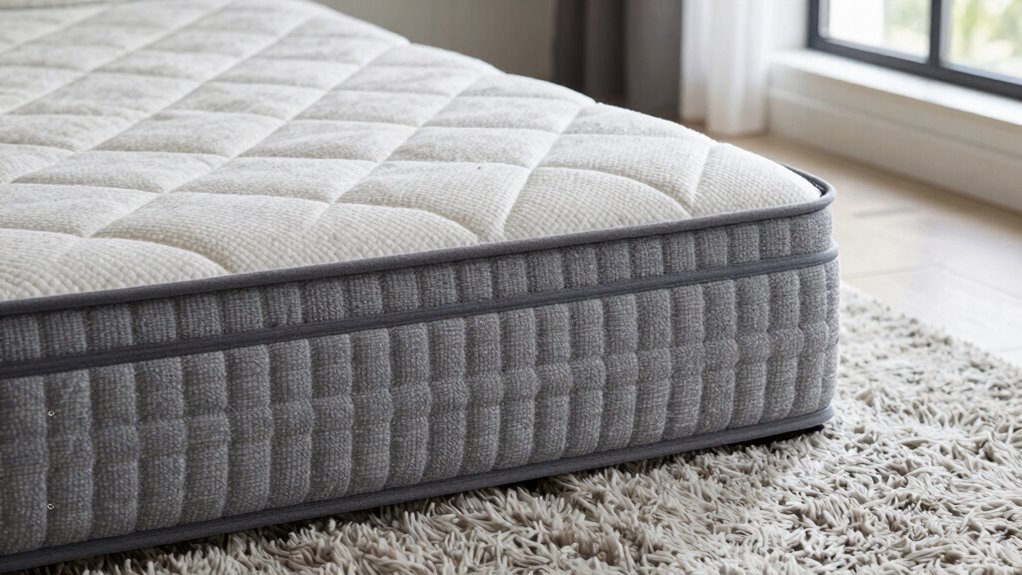

‘Non-toxic’ labels on mattresses and rugs can be misleading, often hiding harmful chemicals like VOCs, flame retardants, or synthetic fragrances. These claims don’t always mean the products are truly safe—manufacturers may omit ingredients or use vague terms. To protect yourself, look for trusted certifications and transparent ingredient lists. If you want to better understand what to avoid and how to choose genuinely safe options, there’s more to take into account below.

Turn the school run and nap time into listening time
- Thousands of audiobooks, podcasts and originals
- Listen on your phone, tablet or Echo — also offline
- Cancel anytime
Key Takeaways
- ‘Non-toxic’ labels can be misleading and do not guarantee absence of harmful chemicals or VOCs.
- Many products with ‘non-toxic’ claims still contain synthetic fragrances, flame retardants, or off-gassing chemicals.
- Verified certifications like GOTS or OEKO-TEX provide more reliable assurance of safety than marketing claims alone.
- Labels often lack transparency; researching product ingredients and manufacturer safety standards is essential.
- Regular ventilation and choosing natural, certified materials help reduce chemical exposure from mattresses and rugs.
As an affiliate, we earn on qualifying purchases.
What Does ‘Non-Toxic’ Really Mean on Home Products?
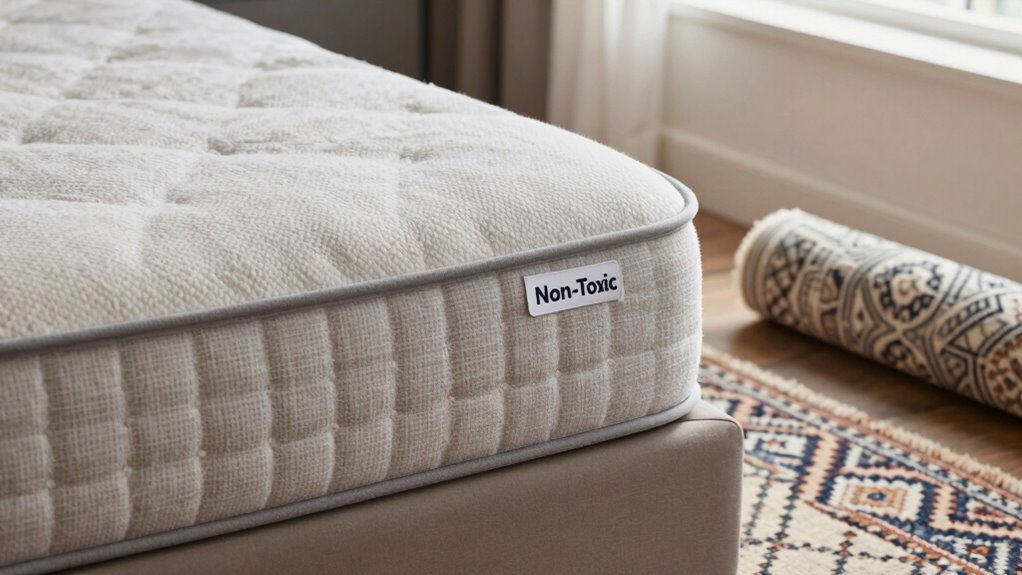
When you see a product labeled “non-toxic,” it might seem straightforward, but the truth is more complicated. Many people have chemical misconceptions, assuming “non-toxic” means completely safe or free of all chemicals. However, labels often lack clarity, making it hard to understand what’s truly in the product. Improving your label literacy is essential because manufacturers may use vague terms or omit details, leading to misunderstandings. Just because something is labeled “non-toxic” doesn’t guarantee it’s free from potentially harmful substances. Instead, it’s important to look beyond the label, ask questions, and research ingredients. Recognizing the limits of “non-toxic” claims helps you make more informed decisions about your home products and protects you from false assurances. Being aware of early warning signs for health risks** can further enhance your understanding of product safety. For example, understanding chemical misconceptions can help you identify potentially hazardous ingredients that are not clearly disclosed. Developing **ingredient transparency awareness enables consumers to better interpret ingredient lists and assess product safety. Additionally, paying attention to regulatory standards can help clarify what labels truly signify about a product’s safety profile. A good way to develop this awareness is by learning to interpret product safety labels and understanding the significance of ingredient lists.
As an affiliate, we earn on qualifying purchases.
Common Chemicals and Ingredients Hidden Behind ‘Non-Toxic’ Labels
Even products labeled “non-toxic” can contain hidden chemicals that raise health concerns. Many manufacturers use ingredients that aren’t immediately obvious, often hiding them behind vague claims. You might encounter chemical off gassing from volatile organic compounds (VOCs), which can cause respiratory issues and headaches. Synthetic fragrances are another common ingredient, designed to mask odors but often containing allergens and endocrine disruptors. These substances are typically not listed clearly on labels, making it difficult to identify potential hazards. To protect yourself, look for products that disclose all ingredients and avoid those with these hidden chemicals. Being aware of what’s behind “non-toxic” labels helps you make informed decisions for a healthier home. Additionally, understanding the concept of chemical off gassing can help you better assess product safety and reduce exposure. Recognizing ingredient transparency in product labels is essential for avoiding harmful substances and ensuring a safer living environment. Being familiar with the Indian numbering system can also assist in interpreting product information and ingredient lists more effectively. Furthermore, educating yourself about regulatory standards can help identify which claims are more trustworthy and backed by science. Incorporating knowledge of Indigenous wellness principles can also offer alternative, natural approaches to creating a healthier living space.
As an affiliate, we earn on qualifying purchases.
Debunking Myths: Are ‘Non-Toxic’ Mattresses and Rugs Truly Safer?

Many products labeled as “non-toxic” promise safer choices, but these claims can be misleading. You might believe that a “non-toxic” mattress or rug automatically means it’s free from harmful chemicals, but that’s often a chemical myth. Labels can hide tricky labeling tricks, making it seem safer than it truly is. Manufacturers may highlight certain “natural” ingredients while omitting or downplaying more dangerous chemicals. Just because something is labeled “non-toxic” doesn’t guarantee it’s free from volatile organic compounds (VOCs), flame retardants, or other harmful substances. It’s essential to look beyond the label and understand the actual contents. Don’t be fooled by marketing claims—question the specifics, research ingredients, and recognize that “non-toxic” is sometimes more about perception than reality. Additionally, understanding material composition can help consumers make more informed and safer choices. Knowing how chemical components are used in manufacturing can reveal hidden risks that aren’t apparent on the label. Being aware of manufacturing processes can also help identify potential sources of chemical exposure that may not be immediately visible. For instance, examining the chemical treatment processes involved in manufacturing can uncover hidden chemical residues. Recognizing testing standards and certifications can further aid in assessing product safety and transparency.
chemical-free hypoallergenic mattress
As an affiliate, we earn on qualifying purchases.
As an affiliate, we earn on qualifying purchases.
How to Evaluate and Choose Truly Non-Toxic Home Goods

To truly select non-toxic home goods, you need to become a savvy label reader and researcher. Focus on products made from natural fibers, which are less likely to contain harmful chemicals. Look for certifications that verify chemical-free manufacturing processes, such as GOTS or OEKO-TEX. Pay attention to ingredient lists and avoid items with vague or misleading labels. Prioritize brands committed to transparency and eco-friendly practices. Consider the product’s origin, as items made locally often undergo stricter safety standards. Remember, truly non-toxic goods are free from synthetic chemicals, dyes, and finishes. By being diligent, you can confidently choose home goods that promote a healthier living environment. Additionally, researching reputable deals buy options can help ensure you’re getting safe and quality products. Understanding philosophical insights about authenticity and existence can also deepen your commitment to choosing genuinely non-toxic items that align with your values. Developing an environmentally conscious mindset can guide you toward more sustainable and health-conscious choices in your home. Incorporating toxic chemical awareness into your shopping routine is essential for making informed decisions. Being aware of IRA investment strategies can also inspire you to approach your choices with a strategic and informed mindset.
Tips for Maintaining a Healthy, Chemical-Free Home Environment
Maintaining a healthy, chemical-free home starts with mindful daily practices that reduce exposure to harmful substances. Use eco-friendly cleaning products to keep surfaces sanitized without introducing toxins. Opt for organic bedding options, which minimize chemical treatments and off-gassing. Regularly ventilate your space to allow fresh air in and stale air out. Consider switching to natural air purifiers like houseplants. To help you stay on track, here’s a quick comparison:
| Practice | Benefit |
|---|---|
| Eco-friendly cleaning | Reduces chemical exposure and environmental impact |
| Organic bedding options | Limits toxins and improves sleep quality |
| Ventilation | Maintains air quality |
| Natural air purifiers | Enhances indoor air without chemicals |
| Consistent cleaning | Prevents buildup of dust and allergens |
Implementing air quality management techniques can further support a toxin-free environment.
Frequently Asked Questions
Are “Non-Toxic” Labels Regulated or Verified by Any Authority?
You should know that “non-toxic” labels aren’t strictly regulated or verified by any authority, which fuels marketing tactics that target consumer skepticism. Companies can use this term to appeal to health-conscious buyers without strict standards backing their claims. As a result, it’s wise to do your own research, ask questions, and look for third-party certifications to guarantee products truly meet non-toxic standards.
Can a Product Be Labeled “Non-Toxic” if It Contains Natural but Irritating Substances?
Think of a “non-toxic” label as a promise on a shiny package—yet, it can sometimes hide natural irritants like strong essential oils or plant compounds. If a product contains these irritants, it still might bear the label, making label accuracy tricky. So, yes, a product can be called “non-toxic” even if it contains natural irritants, but you should read the fine print to truly know what’s inside.
How Do “Green” or “Eco-Friendly” Claims Relate to “Non-Toxic” Labels?
Green and eco-friendly claims often suggest products prioritize chemical safety and reduce environmental impact. When you see these labels, it generally means the manufacturer has minimized harmful chemicals and environmental harm. However, always check for certifications and detailed ingredient lists, as some claims can be misleading. By choosing products with verified eco-friendly labels, you support healthier living environments and contribute to a more sustainable planet.
Are There Certifications That Guarantee a Truly Non-Toxic Product?
You’ll love knowing that certifications like GREENGUARD Gold and OEKO-TEX Standard 100 are your best bets for truly non-toxic products. They require rigorous third-party testing and strict safety standards, ensuring your mattress or rug is safe. While no certification can promise perfection, these highly respected labels markedly cut the risk of harmful chemicals, giving you peace of mind and a healthier living space.
Do “Non-Toxic” Products Have a Shorter Lifespan or Lower Durability?
Non-toxic products generally don’t have shorter lifespans or lower durability if made properly. Durability concerns often depend on materials and construction, not toxicity levels. However, some eco-friendly or natural materials might wear faster than synthetic ones, impacting lifespan implications. It’s essential to check product reviews and manufacturer info to guarantee that non-toxic choices meet your durability expectations, so you don’t compromise quality for safety.
Conclusion
Remember, a truly non-toxic home is like a peaceful garden, free from hidden weeds. By understanding what labels mean and choosing products carefully, you create a sanctuary where your family can breathe easy. Think of your space as a clear pond—calm, pure, and free of unseen pollutants. With mindful choices, you turn your home into a safe haven, allowing health and harmony to flourish just beneath the surface.
Fall Picks
fall essentials
As an affiliate, we earn on qualifying purchases.