
TL;DR

Turn the school run and nap time into listening time
- Thousands of audiobooks, podcasts and originals
- Listen on your phone, tablet or Echo — also offline
- Cancel anytime
The best family-friendly outdoor grills blend safety, ease of use, and cooking versatility. Consider size, fuel type, and features to find a model that suits your family’s needs and space. Active supervision remains key to safe cooking with kids around.
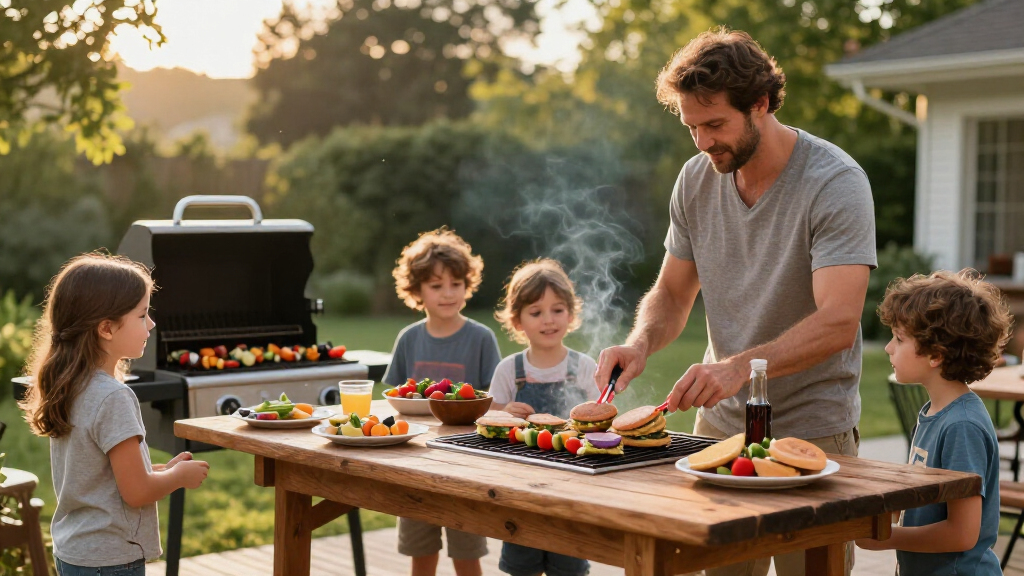
Imagine the aroma of sizzling burgers and the crackle of a flame, all with your kids giggling nearby. A family-friendly outdoor grill isn’t just about good food; it’s about safety, ease, and creating shared moments. If you’re tired of complicated setups or worrying about little hands reaching hot surfaces, you’re in the right place.
In this article, you’ll learn what features make a grill truly family-friendly—think safety measures, size considerations, and smart design choices. We’ll also explore the latest trends that make outdoor cooking more versatile and fun for everyone involved.
Prioritize safety features like enclosed fuel storage, insulated handles, and stable design to protect children.
Choose a grill size that matches your family’s typical meal and space—don’t overshoot, or it gets expensive and cumbersome.
Look for easy-to-clean features, including removable trays and bristle-free brushes, to keep your grill safe and functional.
Stay updated on trends like smart temperature monitoring and versatile accessories to enhance your outdoor cooking experience.
Always supervise children around grills, and follow all safety guidelines for the best family fun outdoors.
Why Safety Comes First When Choosing a Family Grill
Safety is the foundation of any family grill. You want a model that stays put, keeps children at a safe distance, and minimizes hazards. A stable, tip-resistant design is essential—nothing’s worse than a grill tipping over during a lively family cookout.
Look for features like insulated handles, enclosed fuel storage, and clearly marked controls. These safety features aren’t just convenient—they’re critical for preventing accidents. For instance, insulated handles reduce the risk of burns when adjusting the grill, while enclosed fuel storage prevents curious little hands from accessing potentially dangerous substances. Placing the grill in a designated safety zone of at least 3 feet away from play areas helps create a barrier that minimizes risk. Never leaving a lit grill unattended is a simple rule with profound safety implications, as it prevents accidental fires or injuries. Always have a fire extinguisher nearby, and ensure everyone knows how to use it in case of emergencies.
For gas models, regular inspections of hoses and fittings for leaks are vital because a small leak can lead to dangerous flare-ups or explosions. Charcoal grills pose different safety challenges: hot coals can cause burns or start fires if not handled properly. Never add gasoline or lighter fluid to hot coals, as this can cause dangerous flare-ups. Electric grills eliminate many open-flame hazards but still require precautions—always keep cords away from water and hot surfaces. Remember: indoor use of any electric or gas grill is unsafe due to fire and carbon monoxide risks. Proper safety precautions ensure that outdoor grilling remains a fun, family-friendly activity without unintended accidents.
family-friendly outdoor gas grill with safety features
As an affiliate, we earn on qualifying purchases.
As an affiliate, we earn on qualifying purchases.
Pick the Perfect Grill Type for Your Family’s Needs
| Type | Family Advantages | Main Drawbacks |
|---|---|---|
| Gas | Fast startup, precise temp control, easy cleanup | Propane handling, more parts to maintain |
| Charcoal | Rich, smoky flavor, affordable | Longer heat-up, more cleanup, flare-ups |
| Electric | Simple, no open flames, cool handles | Limited outdoor use, dependent on power |
| Pellet | Automated temperature control, great for smoking | Costlier, mechanical parts |
Choosing the right grill type isn’t just about convenience; it’s about understanding how each impacts your family’s outdoor experience. Gas grills often strike a balance between ease and control, making them ideal for busy families who want quick results without sacrificing flavor. They allow for rapid start-up and precise temperature adjustments, which help prevent overcooking and ensure consistent results. However, handling propane tanks requires awareness of safety protocols, such as proper storage and regular inspections, to prevent leaks or accidents. Charcoal grills, while offering a distinctive smoky flavor that many families cherish, demand more time and attention—longer preheating, careful addition of coals, and vigilant flare-up management. Electric grills are perfect for small spaces or balconies where open flames are prohibited; their simplicity reduces safety concerns but limits outdoor versatility. Pellet grills combine convenience with advanced controls, making them appealing for families interested in smoking and slow cooking, though their higher cost and mechanical complexity can be trade-offs. Ultimately, selecting the right type depends on your family’s cooking preferences, space, and safety considerations, ensuring your outdoor gatherings are both enjoyable and safe.
enclosed fuel storage outdoor grill
As an affiliate, we earn on qualifying purchases.
As an affiliate, we earn on qualifying purchases.
Size Matters: How Big Should Your Family Grill Be?
Size is more than just a number—think about how many mouths you’re feeding and what you’re cooking. For a family of four, a grill with at least 300 square inches of cooking space usually does the trick. It’s enough to toss on burgers, vegetables, and maybe a whole chicken. But beyond just surface area, consider how the layout affects your cooking efficiency. Multiple burners or heat zones let you cook different foods simultaneously at different temperatures, saving time and preventing cross-flavor contamination. A warming rack can keep side dishes hot without overcooking, while side shelves provide space for utensils and ingredients, reducing clutter and making preparation smoother. Larger families or those who love weekend cookouts may benefit from 500+ square inches or multiple burners, which allow for larger quantities and more complex meals. However, a bigger grill also means increased fuel consumption, longer cleaning times, and potentially more storage space needed. Carefully evaluate your typical cooking volume and available outdoor space to choose a size that enhances your family’s grilling experience without becoming a burden.
electric outdoor grill with temperature monitoring
As an affiliate, we earn on qualifying purchases.
As an affiliate, we earn on qualifying purchases.
Easy-to-Use Features That Make Family Cooking a Breeze
When kids are involved, simplicity matters. Look for grills with reliable electronic ignitions—no matches needed. Large, clear dials and built-in temperature gauges help you keep control without fuss. These features allow for quick adjustments and reduce the chance of mishaps, especially when supervising children. Removable grease trays and ash catchers make cleanup straightforward, preventing the buildup of flammable residues that could cause flare-ups. A lockable lid helps contain heat and prevents accidental opening, while wheels facilitate mobility—making it easier to store or reposition the grill as needed. Accessories like digital thermometers or smart app controls can enhance precision, allowing you to monitor temperatures remotely or set alerts for perfect doneness. These features aren’t just conveniences—they’re safety and efficiency improvements that make family grilling less stressful and more enjoyable, encouraging everyone to participate confidently.
easy-to-clean charcoal grill for families
As an affiliate, we earn on qualifying purchases.
As an affiliate, we earn on qualifying purchases.
Durability and Maintenance: Keep Your Grill in Top Shape
A family grill needs to withstand frequent use and outdoor elements. Materials like stainless steel, porcelain-coated cast iron, and enameled steel resist rust and make cleaning easier, extending the lifespan of your investment. However, durability isn’t just about materials—construction quality matters. Well-fastened parts, sturdy wheels, and reliable grease management systems prevent breakdowns and safety hazards. Routine cleaning is essential: after each use, brush the grates to remove food residues, and empty grease trays to prevent buildup that could ignite. Deep cleaning at least once a season—scrubbing burners and inspecting for corrosion—helps maintain even heat distribution and safety. Using a cover when not in use protects against weather damage, but always ensure the grill is cooled down first. Regular inspections of burners, vents, and connections can prevent flare-ups and prolong the life of your grill. Avoid bristle brushes or unsafe cleaning tools, opting for safer alternatives to prevent potential accidents. Proper maintenance not only extends your grill’s lifespan but also ensures safe and effective performance for countless family cookouts.
Must-Have Features for Family-Friendly Grills
- Cool-touch or heat-resistant handles
- Stable, lockable wheels
- Controls out of children’s reach
- Enclosed propane cylinders
- Removable grease traps
- Side burners or griddles
- Multiple heat zones
- Foldable shelves for storage
While no feature can make a grill entirely child-proof, thoughtful design elements significantly reduce risks. Cool-touch handles prevent burns during adjustments, and stable wheels with locking mechanisms keep the grill steady during use. Placing controls out of children’s reach minimizes accidental adjustments or injuries. Enclosed propane cylinders reduce the risk of leaks or accidental tipping, especially important in windy or uneven outdoor spaces. Removable grease traps simplify cleaning and reduce flare-up risks, maintaining safety and hygiene. Side burners and foldable shelves add versatility and convenience, allowing you to prepare side dishes or store utensils without cluttering your workspace. Multiple heat zones enable simultaneous cooking at different temperatures, reducing the need to move food around and preventing accidents. While these features enhance safety and convenience, active supervision remains essential. Combining thoughtful design with attentive oversight creates a safer, more enjoyable outdoor cooking environment for your family.
Latest Trends Making Family Grilling Better Than Ever
Smart technology is transforming outdoor cooking. Wireless temperature probes and app controls let you monitor food without opening the lid, reducing flare-ups and ensuring consistent results. Some grills even alert you when your burger hits perfect doneness, freeing you from constant checks. Versatile cooking systems are on the rise—interchangeable grates, pizza stones, rotisseries, and smoker boxes turn a single grill into a multi-tool, expanding what’s possible for family meals. Flat-top griddles are especially popular for breakfast foods, quesadillas, and sautéed vegetables, offering a different style of cooking that appeals to kids and adults alike. Pellet grills with automated controls and electric models designed for small spaces are gaining popularity, providing safer, cleaner, and more precise cooking options. These innovations reduce the need for constant attention, allowing families to focus on socializing and enjoying their time together outdoors. Embracing these trends means elevating your backyard cookouts into more efficient, enjoyable, and modern family experiences.
Key Facts Every Family Grill Owner Should Know
A grill’s burner power isn’t the only thing that determines cooking quality. Factors like heat distribution, airflow, and grate design are just as important because they influence how evenly food cooks and how much fuel you use. Poor heat distribution can lead to uneven cooking, which is unsafe and can ruin meals. More burners allow for better control over direct and indirect heat zones, giving you flexibility to cook multiple items simultaneously while maintaining safety and quality. Propane and natural gas grills are not interchangeable without proper conversion kits approved by the manufacturer—using the wrong fuel can be dangerous. Always fully extinguish charcoal and dispose of ashes safely to prevent accidental fires, especially after a long cookout. Never put out a grease fire with water; instead, cover it with a metal lid or use a fire extinguisher. To prevent cross-contamination and ensure food safety, use separate utensils and plates for raw and cooked foods. A digital thermometer is invaluable for checking internal temperatures, ensuring meats are cooked thoroughly and safely, reducing the risk of foodborne illnesses. Understanding these key facts helps you make safer, more effective choices for family grilling.
Your Top Questions About Family Outdoor Grills Answered
- Which grill type is best for a family? Gas grills are usually the easiest, combining quick start-up, precise control, and simple cleanup. Charcoal offers a richer flavor but requires more time and attention, which might not suit every family’s schedule. Electric models work well in small or restricted spaces, providing a safe alternative without open flames. Consider your space, safety concerns, and flavor preferences when choosing—each has implications for convenience, safety, and taste, so select what aligns best with your family’s needs.
- What size grill does a family need? A medium-sized grill with at least 300 square inches of cooking space usually suits a family of four, providing enough room for a variety of foods. Larger families or those who love hosting big cookouts might prefer 500+ square inches or multiple burners, which allow for more complex meals and simultaneous cooking. The right size balances functionality with practicality—an overly large grill can be cumbersome and costly, while a too-small one may limit your cooking options and discourage frequent use.
- Are gas grills safer than charcoal? Both have safety considerations: gas involves handling pressurized fuel, which requires proper storage and inspection to prevent leaks, while charcoal demands careful ignition and ash disposal. Neither is inherently safer; safety depends on correct handling and adult supervision. Proper maintenance, safe storage, and attentive use are essential regardless of the fuel type. Educating family members about these safety practices helps prevent accidents and ensures everyone enjoys outdoor cooking responsibly.
Other questions like balcony use, child safety features, and cleaning routines are common; always check local rules and manufacturer instructions before purchasing or operating your grill to ensure compliance and safety.
Conclusion
Picking the right outdoor grill for your family isn’t just about features—it’s about safety, simplicity, and creating moments you’ll remember. Focus on stability, safe design, and ease of use, and you’ll turn backyard cooking into a treasured family ritual.
Remember, no grill can replace active adult supervision. Invest in a model that fits your space and lifestyle, keep safety front and center, and let the good times roll—delicious, safe, and full of laughter.
Halloween Picks
halloween
As an affiliate, we earn on qualifying purchases.







![Every Parent Dreads That Call From School… 📞😱 [Litterbox Comics]](https://motherchronicle.com/wp-content/uploads/2026/10/every-parent-dreads-that-call-from-school-litterbox-comics-featured-260x140.jpg)