
Babies typically start rolling between 3 to 6 months, often around 4-5 months, progressing from tummy to back or vice versa. Crawling usually happens between 6 to 10 months, but some babies skip crawling and move directly to walking. Every baby develops at their own pace, so some may reach these milestones earlier or later. Stick with supportive environments and safe exploration—if you keep exploring, you’ll learn more about encouraging their movement growth.
Key Takeaways
- Babies typically start rolling between 3-6 months, progressing from uncoordinated attempts to rolling in both directions by 5-6 months.
- Crawling usually occurs between 6-10 months, often following rolling milestones, but some infants may skip crawling altogether.
- Developmental variations are normal; milestones can occur earlier or later, and skipping crawling is common and not worrisome.
- Creating a safe, engaging environment with supervised tummy time and sensory toys supports movement development.
- Encourage movement by getting down to the baby’s level, providing gentle guidance, and promoting confidence through positive reinforcement.
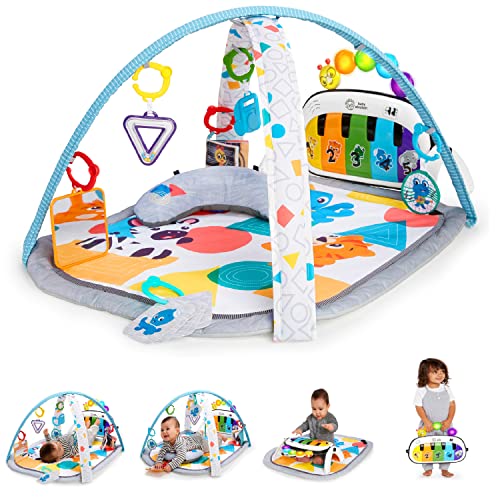
Baby Einstein 4-in-1 Kickin' Tunes Music and Language Play Gym and Piano Tummy Time Activity Mat
- Developmental Support: Supports motor and cause-effect skills from 0-36 months
- Versatile Modes: Four modes: lay, sit, tummy, on-the-go
- Musical & Educational: 25+ minutes of lights, music, and multilingual learning
As an affiliate, we earn on qualifying purchases.
As an affiliate, we earn on qualifying purchases.
Typical Timeline for Rolling and Crawling

Most babies start rolling over between 4 and 6 months old, with some beginning as early as 3 months. During this time, you’ll notice your baby trying to turn from tummy to back or vice versa. Initially, movements may be slow and uncoordinated, but they quickly gain strength and control. By around 5 to 6 months, many babies can roll in both directions, which helps them explore their environment. Crawling usually follows a few months later, often between 6 and 10 months. Some babies skip crawling altogether and move directly to pulling up or walking. Remember, every baby develops at their own pace, so don’t worry if your child reaches these milestones a little earlier or later. Developmental milestones vary from child to child, so it’s completely normal to see some variation.

Infinno Wrist Rattles and Foot Finder Socks Set, Baby Toys for 0-12 Months
- Promotes Sensory Exploration: Encourages sight, touch, and sound exploration
- Comfortable Fit: Soft, adjustable straps for growing babies
- Ideal Baby Gift: Beautifully packaged for baby showers
As an affiliate, we earn on qualifying purchases.
As an affiliate, we earn on qualifying purchases.
Tips to Support Your Baby’s Movement Development
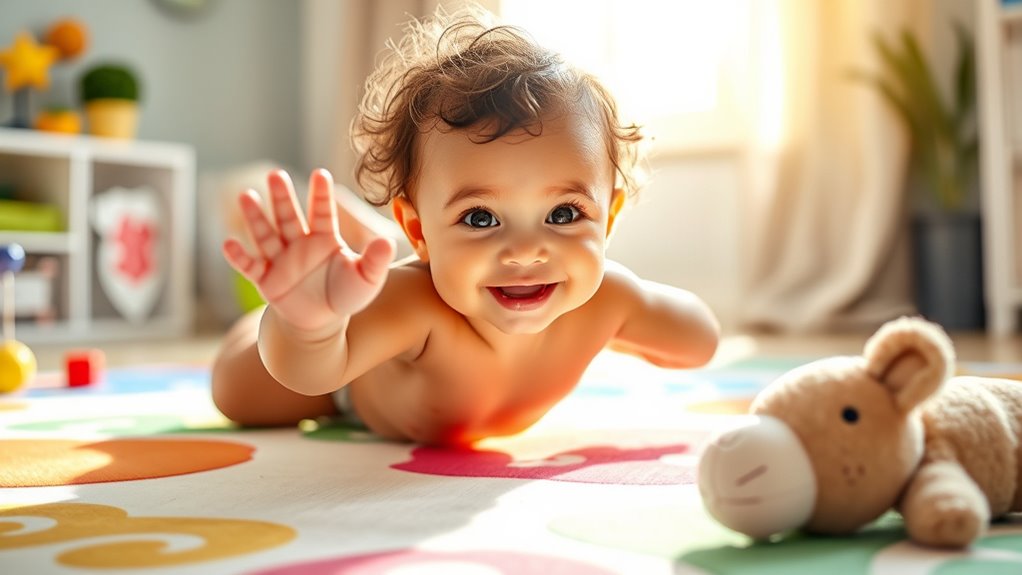
Supporting your baby’s movement development involves creating a safe and engaging environment that encourages exploration. Provide plenty of supervised tummy time, which helps strengthen muscles needed for rolling and crawling. Use colorful toys and mirrors to motivate your baby to reach, stretch, and move toward objects. Offer different textures and surfaces, like mats or carpets, to stimulate sensory exploration. Be patient and celebrate small progress to boost your baby’s confidence. Limit time in restrictive devices like swings or walkers, as they can hinder movement skills. Encourage your baby to practice movement by getting down on their level and guiding their efforts gently. Remember, your support and encouragement play a crucial role in helping your little one develop confidence and coordination. Incorporating emergency preparedness strategies can also help ensure your baby’s safety during unexpected situations.

Tummy Time Baby Mirror Infant Toys Newborn 0 3 Months Brain Development with Crinkle Cloth Book Teether Black and White High Contrast Baby Toys 2 4 5 0-6 Month Boys Girls Sensory Activity Shower Gifts
- Promotes Brain Development: High contrast patterns aid visual growth
- All-in-One Sensory Book: Includes crinkle cloth book and teether
- Enhances Motor Skills: Strengthens muscles and encourages crawling
As an affiliate, we earn on qualifying purchases.
As an affiliate, we earn on qualifying purchases.
Frequently Asked Questions
How Can I Tell if My Baby Is Developing Movement Skills on Time?
You might wonder if your baby’s movement skills are on track. Pay attention to their ability to reach, grasp, and shift positions regularly. If they’re gaining strength, exploring their surroundings, and meeting typical developmental milestones, you’re likely on the right path. However, if you notice delays or concerns, don’t hesitate to talk to your pediatrician. They can assess your baby’s progress and offer guidance to support their development.
Are There Specific Toys That Encourage Rolling and Crawling?
To encourage your baby to roll and crawl, choose toys that promote movement and exploration. Look for soft mats or textured play areas that motivate your baby to push and reach. Toys like colorful balls, rattles, or plush animals that require grabbing or pushing can stimulate their muscles. Placing toys just out of reach encourages your baby to move toward them, helping develop their rolling and crawling skills naturally.
What Signs Indicate My Baby May Need Extra Developmental Support?
If you’re concerned your baby might need extra support, watch for signs like delayed movement, difficulty holding their head up, or limited muscle tone. You might notice they aren’t reaching milestones like sitting or crawling by typical ages. If your baby seems unusually floppy, stiff, or shows little interest in movement, it’s a good idea to consult your pediatrician. Early intervention can make a big difference in supporting their development.
How Does Tummy Time Influence My Baby’s Movement Milestones?
Think of tummy time as planting seeds for your baby’s future adventures. It encourages your little one to lift their head, strengthen neck and shoulder muscles, and explore their surroundings. Regular tummy time helps develop coordination and balance, setting the stage for milestones like rolling and crawling. By making tummy time a fun, daily ritual, you’re gently guiding your baby toward reaching those exciting movement milestones.
When Should I Be Concerned About Delays in Rolling or Crawling?
If you’re worried about delays in your baby’s movement milestones, trust your instincts but stay patient. Most babies roll or crawl between 4-10 months. If your baby isn’t showing signs of rolling by 6 months or crawling by 9 months, consider consulting your pediatrician. They can evaluate your baby’s development, rule out any concerns, and offer guidance to support their growth. Remember, every baby develops at their own pace.

Baby Walker Head Protector Backpack, Toddler Adjustable Baby Head Protection Fall Pillow Safety Pad for Baby Walking and Crawling (Star Elephant)
- Head & Back Protection: Prevents falls and reduces impact
- Lightweight Design: Weighs only 0.4 lbs, easy to wear
- Safe & Durable Material: Made of premium fabric and high-elastic PP cotton
As an affiliate, we earn on qualifying purchases.
As an affiliate, we earn on qualifying purchases.
Conclusion
As you watch your little one’s tiny adventures unfold, remember each milestone is a stepping stone in their grand journey of discovery. Like a blossoming flower reaching toward the sun, their movements will bloom with confidence and strength. Cherish these fleeting moments, for soon they’ll be exploring the world on their own. Embrace every giggle and wiggle—you’re guiding their path, nurturing a brave little explorer ready to conquer new horizons.