
Infant reflexes are automatic responses present from birth that help your baby survive and develop. These primitive reflexes, like rooting, sucking, and Moro, support feeding, protection, and early exploration. As your baby grows, these reflexes gradually fade as their nervous system matures, paving the way for voluntary movements. Supporting reflex development involves creating a safe, stimulating environment and encouraging movement. Keep exploring to discover how you can help your little one thrive through these essential early signs of growth.
Key Takeaways
- Infant reflexes are automatic responses present at birth that support survival and early development.
- Understanding the timing and significance of reflexes helps monitor neurological health.
- Supporting reflex development involves safe environments, tummy time, and age-appropriate exploration.
- Reflexes like rooting and sucking enable feeding, while Moro and grasp protect and promote interaction.
- Observing reflex progress and fading indicates healthy neurological maturation and readiness for motor milestones.

Infant reflexes are automatic responses that babies are born with, serving as essential tools for survival and development. These reflexes are the foundation of reflex development, which is a vital part of your baby’s early growth. As your little one begins to explore their environment, these involuntary movements help lay the groundwork for more complex motor skills. You’ll notice that some reflexes, like the rooting or sucking reflex, kick in immediately after birth, allowing your baby to feed and bond from the very start. Others, such as the Moro or grasp reflex, serve protective functions, ensuring your infant’s safety during their initial interactions with the world.
Infant reflexes are vital automatic responses that support survival and early development.
Understanding reflex development is key to tracking your baby’s progress. These reflexes typically emerge in specific time frames and gradually fade as your child’s nervous system matures. For example, the sucking reflex appears within moments after birth, enabling your baby to feed efficiently, while the Moro reflex, a startle response, usually diminishes by around four to six months. Observing these changes can give you reassurance that your baby’s nervous system is developing normally. It’s also a way to identify potential concerns early on. If certain reflexes persist beyond their typical age, it might indicate neurological issues that require professional attention.
Supporting your baby’s reflex development involves providing safe, stimulating environments that encourage natural movement and exploration. Gentle handling, tummy time, and offering age-appropriate toys help reinforce early motor skills linked to reflexes. For instance, tummy time fosters neck and shoulder strength, which are essential for voluntary movements like rolling over or crawling. When you respond to your baby’s reflexive actions with comfort and encouragement, you help them transition smoothly from involuntary responses to intentional movements. This process is essential for reaching milestones, such as sitting or walking, and contributes to overall coordination and muscle strength. Recognizing the importance of reflex development can help you understand how foundational these involuntary responses are for your child’s future motor skills.
It’s important to remember that reflexes are not just primitive reactions but building blocks for your child’s future motor abilities. They serve as the initial steps in developing fine and gross motor skills that will support your child’s independence as they grow. By understanding the stages of reflex development and actively engaging with your baby through supportive activities, you help foster a healthy progression toward more voluntary, controlled movements. Watching these reflexes evolve offers you a unique window into your baby’s neurological development, giving you confidence that their growth is on the right track.
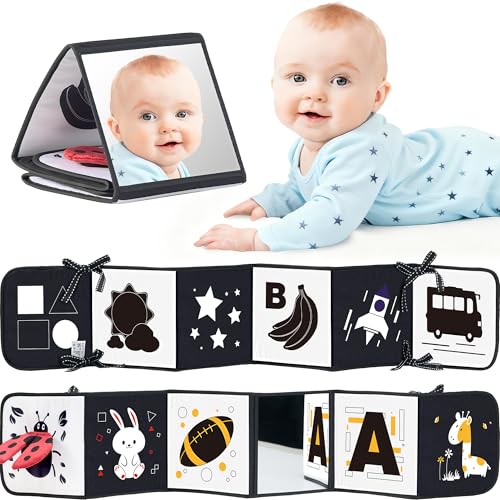
Black and White Baby Books for Newborn – Tummy Time Mirror & Sensory Toys Soft Montessori Toy for Infant Visual Stimulation, Brain Development & Early Learning – High Contrast Toys for 0-6 Months
Stimulate Your Baby’s Senses: This black and white baby book, designed for babies 0-6 months, features high-contrast black…
As an affiliate, we earn on qualifying purchases.
As an affiliate, we earn on qualifying purchases.
Frequently Asked Questions
How Do Primitive Reflexes Influence Early Childhood Development?
Primitive reflexes play a crucial role in your child’s early development by supporting neurological growth and motor coordination. As these reflexes emerge and integrate, they help develop essential skills like grasping, turning, and crawling. Your active support and understanding of these reflexes enable you to identify developmental progress and address any delays early, ensuring your child’s brain and motor systems develop smoothly for future learning and physical activities.
Can Primitive Reflexes Be Suppressed or Enhanced Intentionally?
You can influence primitive reflexes through reflex modulation and intentional facilitation. By engaging in specific activities and exercises, you can help suppress or enhance certain reflexes to support development. For example, targeted movement patterns can facilitate mature responses, while sensory integration techniques can help modulate reflex activity. Consistent, purposeful intervention allows you to shape reflex responses, promoting better motor skills and overall developmental progress.
What Are Common Signs of Retained Reflexes in Older Children?
Signs of retained reflexes in older children include clumsy coordination, difficulty concentrating, and poor posture. You might notice persistent reflex persistence causing developmental delays, affecting motor skills and learning. These signs often show up as struggles with sensory processing and social interactions. By recognizing these signals, you can support your child’s development and seek appropriate therapies to help them overcome the challenges posed by retained reflexes.
Are Primitive Reflexes Linked to Learning Disabilities?
Primitive reflexes can be linked to learning disabilities if they persist beyond typical developmental milestones. When you do reflex testing, you might notice retained reflexes that interfere with coordination, focus, or motor skills. These lingering reflexes can impact a child’s ability to meet developmental milestones, leading to challenges in school and social settings. Addressing retained reflexes early helps support better learning outcomes and overall development.
How Can Parents Support the Integration of Primitive Reflexes?
You can support the integration of primitive reflexes by engaging in activities that promote sensory integration and improve motor coordination. Focus on exercises like gentle rolling, crawling, or balance tasks that challenge your child’s sensory processing and motor skills. Consistent, playful activities help the reflexes mature naturally, reducing potential learning difficulties. Always observe your child’s responses and consult professionals if you notice persistent challenges, ensuring tailored support for their development.
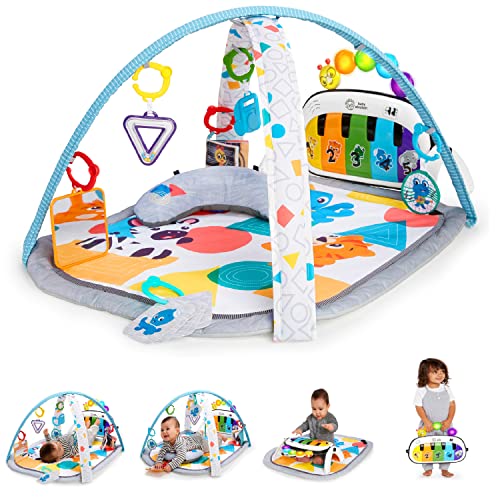
Baby Einstein 4-in-1 Kickin' Tunes Music and Language Play Gym and Piano Tummy Time Activity Mat
The best-selling Baby Einstein 4-in-1 Kickin’ Tunes Music & Language Discovery Activity Gym supports fine and gross motor…
As an affiliate, we earn on qualifying purchases.
As an affiliate, we earn on qualifying purchases.
Conclusion
Understanding infant reflexes is like revealing a baby’s first language, helping you connect and support their growth. By recognizing these natural responses, you can nurture their development and catch any early concerns. Think of reflexes as the roots of a tree—strong roots lead to healthy growth. Stay attentive and gentle, guiding your little one through these crucial stages, and you’ll foster a foundation that helps them flourish into their fullest potential.
Black and White Baby Books for Newborn – Tummy Time Mirror & Sensory Toys Soft Montessori Toy for Infant Visual Stimulation, Brain Development & Early Learning – High Contrast Toys for 0-6 Months
Stimulate Your Baby’s Senses: This black and white baby book, designed for babies 0-6 months, features high-contrast black…
As an affiliate, we earn on qualifying purchases.
As an affiliate, we earn on qualifying purchases.

Kizfarm Wooden Montessori Baby Toys, 8-in-1 Wooden Play Kit Includes Object Permanent Box, Coin Box, Carrot Harvest, Shape Sorting & Stacking – Birthday Gift for Boys Girls Toddlers
【8-IN-1 ACTIVITY CUBE】 Our Montessori-inspired play kit includes shape sorting and stacking, color matching sticks drop game, carrot…
As an affiliate, we earn on qualifying purchases.
As an affiliate, we earn on qualifying purchases.