Parental stress and mental health directly influence your baby’s emotional bonds, sleep, and overall growth. When you feel overwhelmed or anxious, your responses to your infant can become inconsistent, affecting their sense of safety and attachment. Stress also impacts your sleep, leading to disruptions for both of you. This can hinder your child’s development, emotional regulation, and physical health. Continuing to explore this topic will help you understand how to support your well-being and your infant’s healthy growth.
Key Takeaways
- Parental mental health influences the quality of attachment and emotional bonds formed with infants.
- Stress and anxiety in parents can disrupt infant sleep patterns, affecting growth and mood.
- Elevated parental cortisol levels due to stress can negatively impact early infant development.
- Lack of consistent, nurturing responses from stressed parents can hinder infants’ emotional regulation.
- Support systems and mental health care improve parental well-being, promoting healthier infant development.

Parental stress and mental health substantially influence infant development, shaping a child’s emotional, cognitive, and physical growth from the very beginning. When you’re overwhelmed or struggling with your mental health, it can directly affect your interactions with your baby, leading to attachment issues. If you’re feeling anxious, depressed, or exhausted, you might find it harder to respond promptly and consistently to your infant’s needs. This inconsistency can make your baby uncertain about whether they can count on you for comfort and safety, which hampers the development of secure attachment. Over time, attachment issues may manifest as difficulty trusting caregivers or forming healthy emotional bonds later in life.
Additionally, your mental health can influence your baby’s sleep patterns. Stress and anxiety often cause sleep disturbances for parents, which trickles down to your infant. If you’re tossing and turning or waking frequently during the night, your baby is likely to experience disrupted sleep as well. Sleep disturbances in infants can have a ripple effect, impacting their mood, learning, and overall development. When your baby doesn’t get enough restorative sleep, they may become irritable, have difficulty concentrating, and experience slower physical growth. The lack of restful sleep can also increase your stress levels, creating a cycle that’s hard to break.
It’s essential to recognize that your mental health isn’t just a personal concern but a key factor in your baby’s well-being. When you’re under stress, your body releases cortisol, which can influence your baby’s development even in early stages. Elevated stress levels can impair your ability to nurture and respond to your baby effectively, leading to less positive interactions. These interactions are crucial for healthy brain development and emotional regulation. If you’re experiencing persistent stress or mental health challenges, seeking support can make a real difference. Support systems, whether through therapy, community resources, or trusted friends and family, can help you manage your stress and improve your mental health.
Research indicates that maternal mental health has a direct impact on infant outcomes, highlighting the importance of addressing parental well-being early on. Addressing these issues benefits both you and your infant. By prioritizing your well-being, you create a more secure environment for your baby, reducing the risk of attachment issues and sleep disturbances. Remember, taking care of yourself isn’t selfish—it’s fundamental for fostering a healthy, nurturing environment that promotes your child’s best growth. Through managing stress and seeking help when needed, you lay a stronger foundation for your baby’s emotional and physical development, ensuring they have the best start possible in life.

Pink Stork Baby Sleep Drops for Infants and Kids, Melatonin-Free, 1 oz
- Supports Restful Sleep: Herbs and vitamins promote healthy sleep
- Melatonin-Free Formula: Contains Vitamin D, Magnesium, Chamomile
- Easy to Administer: Add to food, milk, or cheek
As an affiliate, we earn on qualifying purchases.
As an affiliate, we earn on qualifying purchases.
Frequently Asked Questions
How Does Parental Stress Affect Infant Attachment Styles?
When you’re stressed, it can make you less responsive to your infant’s needs, which may lead to insecure attachment styles. Your ability to be responsive and consistent helps foster a secure attachment, making your baby feel safe and valued. If stress overwhelms you, it might reduce your parental responsiveness, risking your infant developing insecure attachment patterns. Managing stress is vital for nurturing a secure, trusting bond with your baby.
Can Parental Mental Health Issues Be Inherited by Infants?
Yes, parental mental health issues can be inherited by infants through genetic predispositions and epigenetic inheritance. You pass on genes that influence mental health, and stressful environments can modify gene expression without changing DNA, affecting your child’s development. While genetics play a role, your environment and care also considerably impact how these inherited factors manifest in your infant. Being mindful of your mental health benefits your child’s well-being.
What Are Early Signs of Developmental Delays Linked to Parental Stress?
You might notice early signs of developmental delays linked to parental stress, like sleep disturbances and feeding issues in your baby. They may have trouble settling down or feeding consistently. These signs can indicate emotional or developmental concerns influenced by your stress levels. Paying attention to these cues helps you seek support early, improving your infant’s growth and well-being. Your awareness can make a significant difference in their development.
How Do Different Mental Health Conditions Impact Parenting Behaviors?
They say a healthy mind breeds healthy relationships, and mental health conditions shape how you parent. Anxiety might make you more restrictive, affecting parent-child communication, while depression could decrease your confidence, making it harder to respond to your child’s needs. Recognizing these impacts helps you seek support, strengthening your parenting confidence and fostering better connections with your child. Your mental health directly influences how you nurture and communicate with your little one daily.
Are There Specific Interventions to Mitigate Stress Effects on Infants?
To mitigate stress effects on infants, you can participate in mindfulness training, which helps you stay present and manage emotions effectively. Joining parent support groups offers emotional support and practical advice, reducing feelings of isolation. These interventions empower you to respond calmly and consistently, fostering a secure environment for your baby’s development. Engaging in these strategies benefits both your mental health and your infant’s early growth, creating a healthier family dynamic.

cotsoco 2-in-1 Finger Massager Roller for Pain Relief, Stress, Arthritis & Circulation, Dual-Sided Therapy Tool for Carpal Tunnel with 5 Pcs Acupressure Massage Rings, for Hands, Palm & Wrist, Grey
- Dual-Mode Massage Therapy: Deep tissue and gentle finger relief
- Portable and Cordless Design: Compact for travel and on-the-go use
- Adjustable Intensity: Customize massage strength for comfort
As an affiliate, we earn on qualifying purchases.
As an affiliate, we earn on qualifying purchases.
Conclusion
Remember, your mental health directly shapes your baby’s future. While stress might feel overwhelming, nurturing your well-being creates a foundation of security and growth for your infant. It’s a delicate balance—your calmness fosters confidence, yet your struggles don’t define you. By prioritizing self-care, you build resilience that benefits both of you. In this dance between stress and support, your love and effort become the strongest tools for your child’s healthy development.

Lynncare Adjustable Arch Bassinet Toys for Infant & Toddlers, Stroller Arch, Baby Crib Toys with Fascinating Hanging for Stimulating Baby’s Senses and Developing Motor Skills
- Engages Baby During Car Rides: Clips onto car seat handle for entertainment
- Sensory Development Toys: Vibrant colors and detachable toys for motor skills
- Universal Fit for Various Gear: Fits strollers, cribs, bassinets, and more under 29 inches
As an affiliate, we earn on qualifying purchases.
As an affiliate, we earn on qualifying purchases.
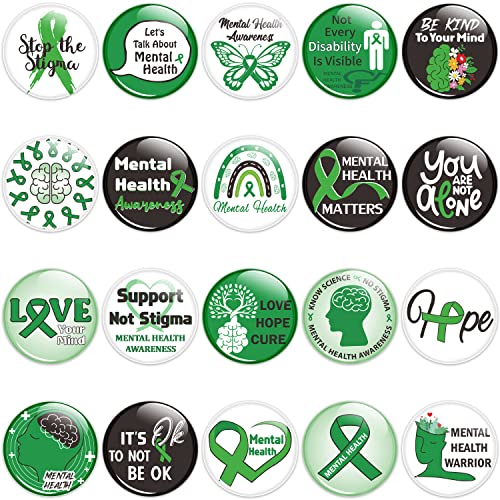
Dvbonike 40Pcs Mental Health Awareness Button Pins – Green Ribbon Round Badges Mental Health Awareness Month Pinback Decoration Party Favor Supplies, Clothing Bag Hat Accessories
- Positive Mental Health Messages: Warm words like 'You are not alone'
- Includes 40 Pins in 20 Styles: Bright, clear, and varied designs
- Durable Tinplate Material: Rust-proof, fade-resistant, long-lasting
As an affiliate, we earn on qualifying purchases.
As an affiliate, we earn on qualifying purchases.