

Reading aloud to your infant is a powerful way to boost their language skills and strengthen your emotional bond. When you speak with expression, ask gentle questions, and include gestures, you help your baby recognize sounds, words, and their meanings. This engaging activity also creates a warm, secure environment where curiosity and confidence flourish. Keep exploring these strategies to see how nurturing your child’s early language and emotional growth can be simple yet meaningful.
Key Takeaways
- Reading aloud enhances language skills and emotional bonds, fostering early vocabulary development and a sense of security.
- Interactive storytelling invites infant participation, making language learning engaging and accelerating understanding of speech patterns.
- Using expressive narration and gestures helps infants recognize sounds, rhythms, and new words naturally within stories.
- Selecting colorful, simple books with repetitive text encourages word-image connections and active involvement.
- Sharing stories creates a warm, nurturing environment that strengthens emotional bonds and motivates curiosity and confidence.

Have you ever wondered how reading aloud to infants can shape their development? When you engage in this simple activity, you’re doing much more than just sharing a story—you’re laying the foundation for their language skills and emotional growth. One of the most powerful tools in your hands is interactive storytelling. Unlike passive listening, interactive storytelling invites your baby to participate through sounds, gestures, or simple questions. For example, when you point to an object and ask, “What’s that?” or imitate animal sounds, you’re making the experience lively and engaging. This active involvement captures their attention and encourages them to connect words with meanings. Over time, these interactions boost their vocabulary development, as they begin to associate words with objects, actions, and feelings. The more you involve your infant in the storytelling process, the more they learn to anticipate language patterns, which accelerates their understanding of sentence structures and word meanings.
Reading aloud isn’t just about exposing your baby to words; it’s about creating a rich language environment. When you narrate a story with expression and enthusiasm, you help your infant recognize different sounds, intonations, and rhythms of speech. This exposure is essential for their phonemic awareness—the ability to hear and distinguish sounds—an indispensable skill for learning to read later on. As you introduce new words within stories, your infant’s vocabulary begins to expand naturally. Repetition of familiar words in different contexts helps reinforce their understanding, while new words pique their curiosity and motivate them to learn more. Over time, this consistent exposure builds a robust vocabulary foundation that supports their overall language development.
Your choice of stories and how you read them also impacts your infant’s learning. Brightly illustrated books with simple, repetitive text are ideal for this age. As you read, point out pictures, repeat key words, and ask gentle questions. This interaction encourages your infant to associate words with images and experiences, further reinforcing their vocabulary development. Remember, it’s not about perfect pronunciation or reading speed; it’s about creating a warm, engaging environment where your baby feels excited to listen and participate. The emotional connection you foster through reading aloud also nurtures bonding, making your infant feel safe, loved, and valued. This emotional security is equally important as the words themselves, as it encourages your baby to explore language with confidence and curiosity. In essence, reading aloud to your infant transforms a simple activity into a powerful tool for early learning and emotional connection.

Noisy Baby Animals: Includes 6 Sounds and an On/Off Switch on the Back Cover! (My First)
As an affiliate, we earn on qualifying purchases.
As an affiliate, we earn on qualifying purchases.
Frequently Asked Questions
When Is the Best Time of Day to Read to Infants?
You should read to your infant during your morning routines and bedtime stories, as these are ideal times for bonding and language development. In the morning, it sets a positive tone for the day, while at bedtime, it helps soothe and reinforce your connection. Consistently sharing stories during these moments makes reading a special part of your daily routine, fostering language skills and emotional bonds effectively.
Should I Choose Educational or Entertaining Books for My Baby?
Think of choosing books for your baby as picking the perfect app for a vintage gadget. You should choose age-appropriate books that blend education and entertainment, like those with simple words and colorful pictures. Incorporate sensory elements—soft textures, flaps, or crinkly pages—to engage your baby’s senses. This approach helps boost language development and creates a joyful bonding experience, making reading both fun and beneficial for your little one.
How Can I Make Reading Aloud More Engaging for Infants?
You can make reading aloud more engaging for your infant by incorporating interactive gestures, like pointing or waving, to capture their attention. Use an expressive voice, varying pitch and tone, to bring the story to life. Pause to observe their reactions and encourage them to touch or mimic actions. This active participation helps your baby stay interested and strengthens your bond while boosting their language development.
Are There Specific Books Recommended for Newborns Versus Older Infants?
Did you know that babies recognize their favorite books by six months? For newborns, opt for simple board books with bold, high-contrast images to grab their attention. As they grow, introduce sensory books with textures and sounds to stimulate their senses. These books are perfect for older infants, encouraging interaction and exploration. Tailoring your choices supports their development and keeps reading exciting for both of you.
How Does Reading Aloud Impact Infant Sleep Patterns?
Reading aloud to your infant can positively influence sleep routines by creating calming techniques that signal bedtime. The soothing sound of your voice helps your baby relax, making it easier for them to fall asleep. Regular reading sessions establish a comforting routine, reducing fussiness at sleep time. Over time, this bonding activity promotes a sense of security, encouraging peaceful sleep and reinforcing calming techniques that benefit your infant’s sleep patterns.

Bright Starts Safari Buddies Soft Book, Crinkle Plush Pages with Lion, Monkey, Elephant & More, Baby's First Book, Unisex, Ages 0+
Bright Starts Safari Buddies soft books for babies are learning toys that help baby identify animals, including monkey,…
As an affiliate, we earn on qualifying purchases.
As an affiliate, we earn on qualifying purchases.
Conclusion
Reading aloud to your infant isn’t just about words—it’s about building a bond that lasts a lifetime. As the saying goes, “The more you read, the more you grow.” By sharing stories, you nurture their language skills and foster a deep connection. Keep this habit consistent; your little one will thank you in countless ways. Remember, the smallest gestures often make the biggest impact on their future.
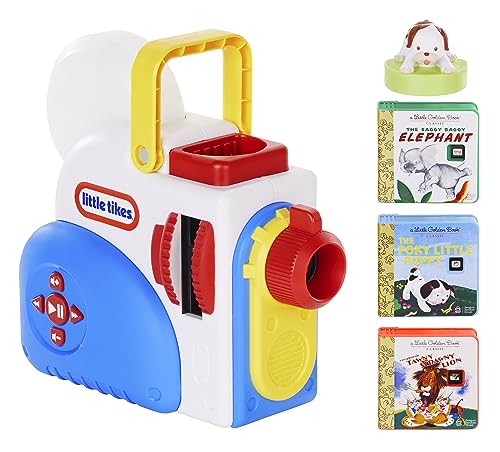
Little Tikes Story Dream Machine Starter Set, Storytime, Books, Little Golden Book, Audio Play, The Poky Little Puppy Character, Nightlight, Toy Gift for Toddlers and Kids Girls Boys Ages 3+
BRING STORYTIME TO LIFE – Watch, listen, and read along to stories like The Poky Little Puppy, as…
As an affiliate, we earn on qualifying purchases.
As an affiliate, we earn on qualifying purchases.

Dr.Rapeti 8-Pack Soft Cloth Books Baby Bath Books Crinkle Washable Chewable Early Educational Preschool Learning Giftable for Infant Toddler Kid
Soft Baby Books: Believing that babies’ safety is more important than anything, our baby soft books are made…
As an affiliate, we earn on qualifying purchases.
As an affiliate, we earn on qualifying purchases.