

Building strong bonds and secure attachments early on is key to your child’s social-emotional growth. When you respond promptly and warmly to their cries, gestures, and emotions, you teach them they are safe and valued. Consistent, nurturing interactions help your baby learn trust, emotional regulation, and social skills. By creating a supportive environment, you lay the foundation for their future relationships and resilience. Keep exploring to discover how these early connections shape lifelong emotional health.
Key Takeaways
- Early bonding and responsive interactions build a secure attachment foundation essential for emotional regulation.
- Caregiver sensitivity and consistent responsiveness foster trust and help infants understand and manage their emotions.
- Positive social-emotional development depends on nurturing environments that validate feelings and promote emotional expression.
- Secure attachment encourages exploration, confidence, and healthy social relationships later in life.
- Ongoing caregiver engagement shapes emotional skills vital for navigating complex social and emotional situations.
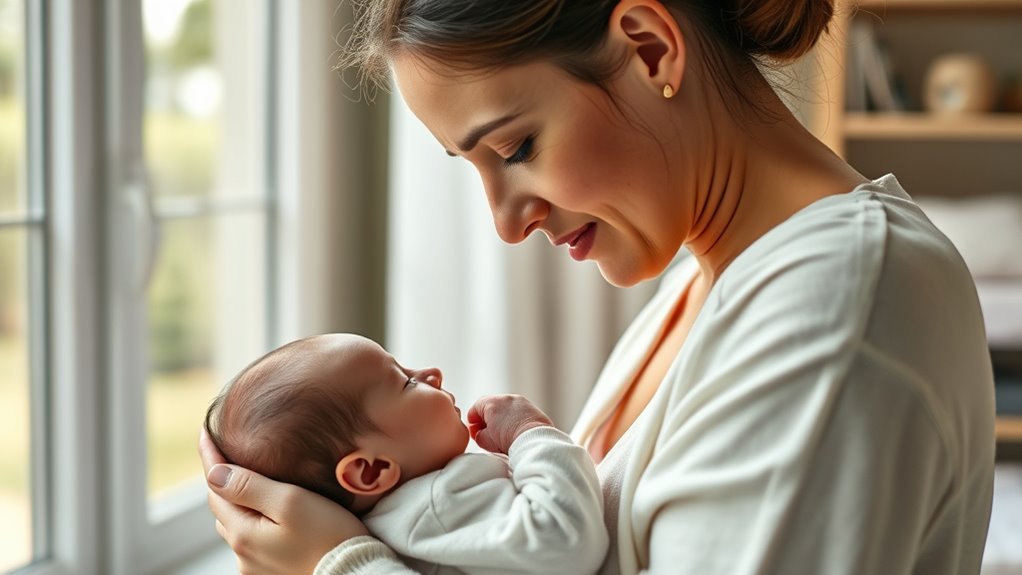
Have you ever wondered how children learn to understand their emotions and connect with others? The answer lies in the essential early moments of bonding and attachment, which are heavily influenced by caregiver interactions. During infancy, your consistent, responsive presence helps your baby feel safe and valued, laying the foundation for their social and emotional development. When you respond promptly to your baby’s cries, gestures, or sounds, you’re not just meeting their immediate needs—you’re teaching them that their feelings matter and that they can trust you. These interactions help your little one develop fundamental skills like emotional regulation, which allows them to manage their feelings and reactions as they grow.
Responsive caregiving builds trust, helps children develop emotional regulation, and lays the foundation for healthy social connections.
In the early months, your role is to create a nurturing environment where your baby feels secure. This involves more than just feeding and diapering; it’s about engaging in warm, attentive exchanges that foster connection. Eye contact, gentle touch, and soothing voices all reinforce that you are a dependable source of comfort. As your baby observes and mimics your facial expressions and tone, they start to understand emotions and develop the ability to regulate their own feelings. Your consistent caregiver interactions serve as a model for how to navigate emotional experiences, helping your child learn appropriate responses and develop resilience.
Furthermore, establishing a secure attachment early on provides a safe base from which your child can confidently explore their environment and develop social skills. As your baby gains awareness of their environment, they begin to express a wider range of emotions—happiness, frustration, fear, and curiosity. During these moments, your role in guiding emotional regulation becomes even more critical. By acknowledging your baby’s feelings without judgment and offering comfort, you reinforce their understanding that emotions are normal and manageable. For example, if your infant gets upset during a diaper change, calming them with a gentle voice or a reassuring touch helps soothe their distress and teaches them to self-soothe over time. Through these responsive interactions, your child learns that feelings can be acknowledged and processed safely.
Over time, these loving, responsive caregiver interactions establish a secure attachment, which is fundamental for healthy social-emotional development. This bond not only provides comfort and security but also encourages your child to explore the world confidently, knowing they have a reliable source of support. As they grow, this foundation influences their ability to form healthy relationships and regulate their emotions in more complex social settings. Your ongoing engagement and sensitivity are indispensable in shaping their emotional landscape, ensuring they develop the skills necessary to navigate life’s emotional ups and downs.
Frequently Asked Questions
How Does Cultural Background Influence Attachment Styles?
Your cultural background shapes your attachment style through cross-cultural caregiving and cultural norms. These norms influence how you respond to your child’s needs, fostering secure or insecure attachments. In some cultures, close physical contact and constant caregiving promote secure attachment, while others emphasize independence, affecting attachment patterns differently. Understanding these cultural influences helps you nurture your child’s emotional development in ways that align with your cultural values.
Can Attachment Styles Change Over Time in Infancy?
Yes, attachment styles can change over time in infancy. If you foster a secure attachment through consistent, responsive care, your child’s attachment stability increases. Conversely, inconsistent or neglectful interactions might lead to less secure attachment. As your child grows, positive experiences and sensitive caregiving can help shift attachment styles towards security, emphasizing that attachment is adaptable and influenced by ongoing interactions.
What Role Do Siblings Play in Emotional Development?
Did you know that siblings influence 80% of emotional development? You play a vital role in providing emotional support and managing sibling rivalry, which helps your child learn important social skills. Siblings can boost confidence, empathy, and resilience by sharing experiences and resolving conflicts. Your active involvement in nurturing these relationships fosters a secure environment, shaping your child’s emotional growth and helping them develop healthy attachments throughout life.
How Does Parental Mental Health Affect Bonding?
When parental mental health is poor, especially with depression, your ability to bond with your baby can be affected. It might be harder to respond to their needs consistently, which can impact attachment. Seeking mental health support helps you manage your feelings, allowing you to be more present and responsive. This strengthens your bond and promotes healthy emotional development for your infant. Prioritize your mental health for both your well-being and your child’s growth.
Are There Signs of Attachment Issues in Early Infancy?
You might notice signs of insecurity in your infant, like excessive crying or difficulty calming down. They may avoid eye contact or seem indifferent during interaction, indicating attachment behaviors that aren’t fully secure. If your baby shows these signs, it could suggest early attachment issues. Paying close attention to their responses and creating consistent, responsive routines can help foster stronger bonds and promote healthy attachment development.
Conclusion
Your baby’s social-emotional development is like planting a seed that blooms through bonding and attachment. By nurturing your connection, you create a strong foundation that supports their growing world of feelings and relationships. Remember, your love and responsiveness act as the sunlight and water, helping this delicate plant flourish. Keep showing up with patience and warmth—you’re guiding their heart’s garden to blossom into trust and security. Your caring shapes a future full of healthy connections.