To build early core strength through tummy time, choose a safe, flat surface and hold your baby upright against your chest to promote relaxation. Schedule short, regular sessions when your baby is alert and well-fed, using colorful toys or textures to engage their senses. Support their upper body with pillows if needed and maintain eye contact for encouragement. Keep sessions calm and joyful, and discover more techniques that help your little one strengthen muscles effectively.
Key Takeaways
- Use a firm, flat surface with soft padding to support baby’s chest during tummy time.
- Incorporate short, frequent sessions (3-5 minutes) to build endurance gradually.
- Engage visual and tactile stimuli, like colorful toys and textured fabrics, to motivate and maintain interest.
- Position yourself at eye level to encourage head lifting and promote core muscle engagement.
- Incorporate tummy time into daily routines, such as after naps or diaper changes, for consistency and development.
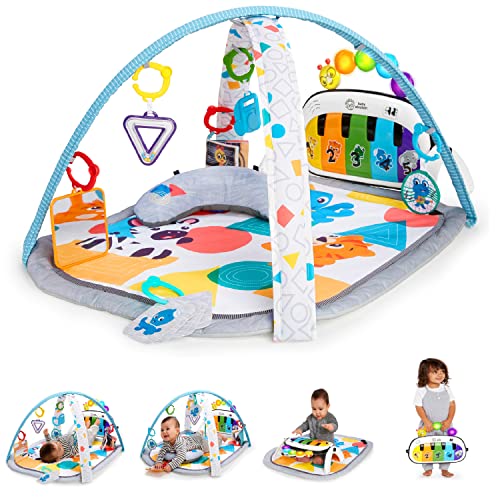
Baby Einstein 4-in-1 Kickin' Tunes Music and Language Play Gym and Piano Tummy Time Activity Mat
- Developmental Support: Supports motor and cause-effect skills from 0-36 months
- Versatile Modes: Four modes: lay, sit, tummy, on-the-go
- Musical & Educational: 25+ minutes of lights, music, and multilingual learning
As an affiliate, we earn on qualifying purchases.
As an affiliate, we earn on qualifying purchases.
Preparing Your Baby for Tummy Time

Before starting tummy time, it’s important to make sure your baby is comfortable and ready. Begin by holding your baby upright against your chest to help them relax and get used to being on their tummy. Make sure they’re well-fed and have a clean diaper to avoid fussiness. Use a soft, padded surface to provide gentle support and cushion. Talk to your baby in soothing tones and smile to create a calming environment. Watch for signs of tiredness or discomfort, and don’t force tummy time if your baby seems upset. Keep initial sessions short—just a few minutes—and gradually increase the duration as your baby becomes more comfortable. Creating a positive experience now sets the stage for successful tummy time later.

URMYWO Tummy Time Mirror Toys, High Contrast Baby Toys for Newborn
- High Contrast Patterns: Supports visual development for 0-12 months
- Colorful Stimulating Designs: Encourages senses and motor skills over 3 months
- Interactive Crinkle Pages: Soft, textured pages with animal designs
As an affiliate, we earn on qualifying purchases.
As an affiliate, we earn on qualifying purchases.
Choosing the Right Environment and Timing

You should select a safe, clutter-free area with a soft, flat surface for your baby’s tummy time. Pick a time when your baby is alert and fed, avoiding nap or cranky periods. Ensuring the environment is comfortable and secure helps your little one enjoy tummy time and build strength. Being aware of patterns of behavior can help you recognize when your baby is ready for tummy time sessions.
Optimal Play Areas
Finding the right environment and timing for tummy time can considerably boost your baby’s comfort and engagement. Choose a clean, soft, and safe surface, like a quilt or play mat, free of sharp objects or small items. Make certain the area is quiet and free from distractions to help your baby focus and feel secure. Keep the room at a comfortable temperature, so your baby isn’t too hot or cold. Use a firm, flat space with good lighting, which encourages curiosity and movement. Keep nearby toys within reach to motivate your baby to lift their head and explore. Additionally, picking a consistent spot for tummy time helps your baby associate that area with play and learning, making sessions more enjoyable and effective.
Best Timing Windows
Choosing the right time for tummy time can make a significant difference in how your baby responds and develops. Aim for periods when your baby is alert, rested, and not hungry or overly tired. Usually, after a diaper change or a nap works well. Watch for signs of readiness, like alert eyes or a calm demeanor. Avoid doing tummy time immediately after feeding, as discomfort or spit-up could occur. Pick a moment when your baby is calm and curious, so they’re more willing to engage. Short sessions—about 3 to 5 minutes—can be repeated throughout the day, gradually increasing as your baby builds strength. Consistency at *ideal* times helps your baby develop core muscles and makes tummy time a positive, routine part of their day. Incorporating virtual hackathons into your routine can also inspire creative ways to make tummy time more engaging for your little one.
Safe Surface Choices
Selecting a safe surface for tummy time is essential to prevent injuries and guarantee your baby feels comfortable. Choose a firm, flat area free of hazards like sharp objects or loose items. Soft surfaces like thick carpets or couches can pose suffocation risks or cause your baby to sink, so opt for a dedicated play mat or a clean, firm floor. Ensure the environment is well-ventilated, quiet, and free of distractions. Being aware of toilet maintenance and common issues can help you maintain a hygienic space for your baby’s activities.

Lovvie & Joy 2-in-1 Tummy Time Mat & Seated Support Pillow,Baby Tummy Time Pillow Support for Newborns and Older Babies,with Detachable Support Pillow and Toys
- Detachable Playmat Components: Includes pillow, cushion, foot pad, toys, crinkle paper
- Supports Development & Sensory Play: Promotes body development and sensory exploration
- Safe Teething Toy: ABP-free teether relieves teething pain
As an affiliate, we earn on qualifying purchases.
As an affiliate, we earn on qualifying purchases.
Using Tummy Time Pillows and Supports

Using tummy time pillows and supports can make the experience more comfortable and engaging for your baby. These tools help elevate your baby’s chest and head, reducing strain and encouraging longer, more effective tummy time sessions. Choose age-appropriate, firm supports that won’t slip or flatten under pressure. Place the pillow on a safe, flat surface, and lay your baby on their tummy with their arms supporting their upper body. This position promotes better head control and strengthens neck, shoulder, and core muscles. Be attentive to your baby’s comfort, adjusting the support as needed. Use pillows as a temporary aid to build confidence, gradually encouraging your baby to spend more time on the floor without support. Proper use of supports can make tummy time more enjoyable and beneficial. Empowering families with the right tools can help you feel more confident during this important developmental stage.

SEPARO Thick Baby Play Mat for Floor,50×50 Playpen Mat,Non-Slip,Grey
- Thickened Memory Foam: 1.2-inch supportive foam for safety
- Luxurious Soft Surface: Ultra-soft flannel fabric for comfort
- Non-Slip Backing: Ensures secure placement during play
As an affiliate, we earn on qualifying purchases.
As an affiliate, we earn on qualifying purchases.
Incorporating Tummy Time Into Play Sessions

Incorporating tummy time into play sessions makes the experience more engaging and enjoyable for your baby. Use familiar toys or colorful objects to attract their attention and motivate them to lift their head and explore. You can place toys just within reach to encourage reaching and stretching, which helps strengthen their core. Keep sessions short and playful, gradually increasing the duration as your baby becomes more comfortable. Incorporate singing, talking, or gentle encouragement to make tummy time feel like a fun activity rather than a chore. Change the environment by trying different mats or new spaces to keep things fresh. Remember, the goal is to create positive associations with tummy time, making it a natural part of play rather than a task. Additionally, sound vibrations can be used during tummy time to promote relaxation and enhance the experience.
Encouraging Head and Neck Lifts

To encourage your baby to lift their head and neck, start with proper positioning that keeps them comfortable and supported. Use engaging toys or your voice to motivate them during tummy time, making the experience fun. Keep sessions gentle and brief at first, gradually increasing as they gain strength and confidence.
Proper Positioning Techniques
Proper positioning is key to encouraging your baby to lift and turn their head during tummy time. You want to create an ideal environment that motivates movement and supports their developing muscles. Here are some effective techniques: 1. Place a rolled towel or small pillow under your baby’s chest to elevate their upper body slightly. 2. Keep their arms positioned comfortably in front to promote pushing up. 3. Position yourself at eye level to make eye contact and encourage effort. 4. Use a gentle, guiding hand to help your baby lift their head, gradually reducing support as they gain strength. Additionally, ensuring the right contrast ratio in the environment can help your baby see and focus better, making tummy time more engaging.
Using Engaging Toys
Have you noticed that babies are naturally curious about their surroundings? Using engaging toys during tummy time can motivate your little one to lift their head and strengthen their neck muscles. Place colorful, textured, or shiny toys just out of reach to encourage reaching and looking up. Choose lightweight, safe toys that make sounds or have interesting shapes to capture their attention. As your baby focuses on these toys, they’ll naturally push up and develop core strength. Keep toys within their line of sight to promote sustained effort. Remember, the goal is to make tummy time enjoyable, so rotate toys regularly to maintain interest. Additionally, understanding robotics in education can inspire innovative ways to incorporate technology and interactive play into your baby’s development activities to further enhance engagement.
Gentle Tummy Time Tips
Gently encouraging your baby during tummy time can make a big difference in their head and neck development. To support this, keep these tips in mind:
- Use a calm, soothing voice to reassure your baby and motivate them.
- Place yourself at eye level to create a sense of connection and encouragement.
- Keep tummy time short—start with a few minutes and gradually increase as they grow stronger.
- Offer a light, soft surface to prevent discomfort and promote easy movement.
- Incorporate gentle stimulation to help your baby become accustomed to tummy time and encourage active participation.
Engaging Your Baby With Visual and Tactile Stimuli

To effectively engage your baby during tummy time, you can use a variety of visual and tactile stimuli to capture their attention and encourage exploration. Hold colorful toys or objects within their line of sight to stimulate their vision. Moving these toys gently or making sounds can further pique their curiosity. You might also use textured fabrics or soft brushes to gently touch their hands, arms, or back, providing tactile input. Bright patterns, mirrors, or high-contrast images are especially effective for young babies. Keep stimuli within their reach and change them regularly to maintain interest. Incorporating hydrocolloid material into their environment, such as soothing patches or stickers, can provide additional comfort and promote healing if the baby has skin irritations. By combining visual and tactile cues, you help your baby develop focus, sensory awareness, and motivation to lift their head and strengthen their core muscles during tummy time.
Making Tummy Time a Daily Routine

Incorporating tummy time into your baby’s daily schedule helps build strength and develop important motor skills. To make this a habit, consistency is key. Here are four ways to establish a routine:
- Set specific times each day, like after diaper changes or naps.
- Keep sessions short at first, around 3-5 minutes, then gradually increase.
- Use a dedicated spot with a comfortable, flat surface.
- Pair tummy time with play or cuddling to keep your baby engaged.
Stick to these steps daily, and over time, tummy time will become second nature for both of you. Consistent practice helps your baby develop core muscles and coordinate movements more effectively. Be mindful of safety precautions to ensure a safe environment during tummy time.
Frequently Asked Questions
How Can I Tell if My Baby Is Ready for Tummy Time?
You can tell if your baby is ready for tummy time by observing their alertness and interest when placed on their stomach. If they can lift their head briefly or push up with their arms, they’re showing signs of readiness. Avoid forcing them if they seem fussy or tired. Start with short sessions and gradually increase as they become more comfortable, making tummy time a positive experience.
What Are Signs of Discomfort or Fatigue During Tummy Time?
If your baby shows signs of discomfort or fatigue during tummy time, you’ll notice fussiness, turning their head away, or crying. They might also become more fidgety, lose interest quickly, or seem overly tired. You should stop and give them a break if they seem distressed. Watch for these cues, and always keep tummy time short and positive to help your baby build strength comfortably.
How Can I Prevent My Baby From Slipping During Tummy Time?
Think of tummy time as a delicate dance that requires a steady footing. To prevent your baby from slipping, always place a non-slip mat or a towel underneath them. Keep the surface firm yet comfortable, and make certain your baby’s hands are positioned securely. Stay close and engaged, offering support as needed. These steps help build confidence and safety, turning tummy time into a joyful, slip-free experience for your little one.
Are There Specific Toys That Encourage Better Core Engagement?
You can encourage better core engagement by introducing toys that motivate your baby to reach and push. Soft, colorful toys with interesting textures or squeakers work well. Place them just out of reach to inspire your baby to lift their head and strengthen their muscles. Use mirrors or crinkly toys to keep your little one engaged, making tummy time more enjoyable and effective for building core strength.
How Do I Gradually Increase Tummy Time Duration Safely?
To gradually increase tummy time safely, start with just a few minutes a few times a day. Watch your baby’s cues and stop if they get upset. As they get stronger and more comfortable, slowly add more time, aiming for about 20-30 minutes daily. Always supervise closely and make certain your baby is on a firm, safe surface. Consistency and patience help build their core strength comfortably.
Conclusion
By preparing your baby, choosing the right environment, and incorporating tummy time into daily routines, you build a strong foundation for their development. By encouraging head lifts, engaging with stimuli, and supporting their efforts, you foster progress and confidence. By making tummy time enjoyable, consistent, and interactive, you create a positive experience that promotes strength, stimulates growth, and nurtures your baby’s natural curiosity and resilience.