
For postpartum nutrition, focus on nutrient-dense foods like leafy greens, lean proteins, whole grains, and colorful fruits to support recovery and milk production. Stay well-hydrated with herbal teas, infused water, and hydrating snacks such as watermelon and oranges. Prioritize foods that boost milk supply and healing, like oatmeal and nuts, while avoiding empty-calorie options. To learn more essential tips, continue exploring ways to nourish your body during this crucial time.
Key Takeaways
- Prioritize nutrient-dense foods like leafy greens, lean proteins, and whole grains to support recovery and breastfeeding.
- Stay well-hydrated with herbal teas, infused water, and nutrient-rich beverages to promote milk production.
- Incorporate foods that boost milk supply and healing, such as oatmeal, nuts, seeds, and vegetables.
- Include a variety of colorful fruits and vegetables to provide essential vitamins, minerals, and antioxidants.
- Avoid empty-calorie snacks, focusing instead on balanced meals that support overall postpartum health and energy.
Prioritize Nutrient-Dense Foods

After giving birth, focusing on nutrient-dense foods is essential to support your recovery and provide crucial nutrients for breastfeeding. You need to fill your plate with foods rich in vitamins, minerals, and healthy fats to rebuild your strength and nourish your baby. Think leafy greens, lean proteins, whole grains, and colorful fruits. These foods help restore energy, promote healing, and support milk production. Avoid empty-calorie snacks that don’t offer much nutritional value. Instead, choose foods that deliver sustained energy and vital nutrients. Prioritizing nutrient-dense options will help you feel better faster and ensure your little one gets the best start through your breast milk. Remember, your body needs quality fuel now more than ever. Incorporating strong, effective nutrients like glycolic acid can also support your skin’s recovery and rejuvenation during this important time.
Incorporate Hydrating Beverages and Snacks

Staying well-hydrated is essential during postpartum recovery and breastfeeding, as fluids support milk production and help prevent dehydration. Incorporating hydrating beverages and snacks into your daily routine keeps you energized and replenished. Choose drinks that provide hydration and nutrients, such as herbal teas, infused water, or coconut water. Pair these with snacks that boost hydration and offer essential vitamins. Here are some ideas:
Stay hydrated with nourishing drinks and snacks to support postpartum recovery and breastfeeding.
- Fresh fruit slices like watermelon, oranges, or berries
- Smoothies with yogurt, fruit, and a splash of coconut water
- Herbal teas such as chamomile or ginger tea
- Hydration aids like electrolyte-rich drinks can also be beneficial for maintaining fluid balance.
Focus on Foods Supporting Milk Production and Healing
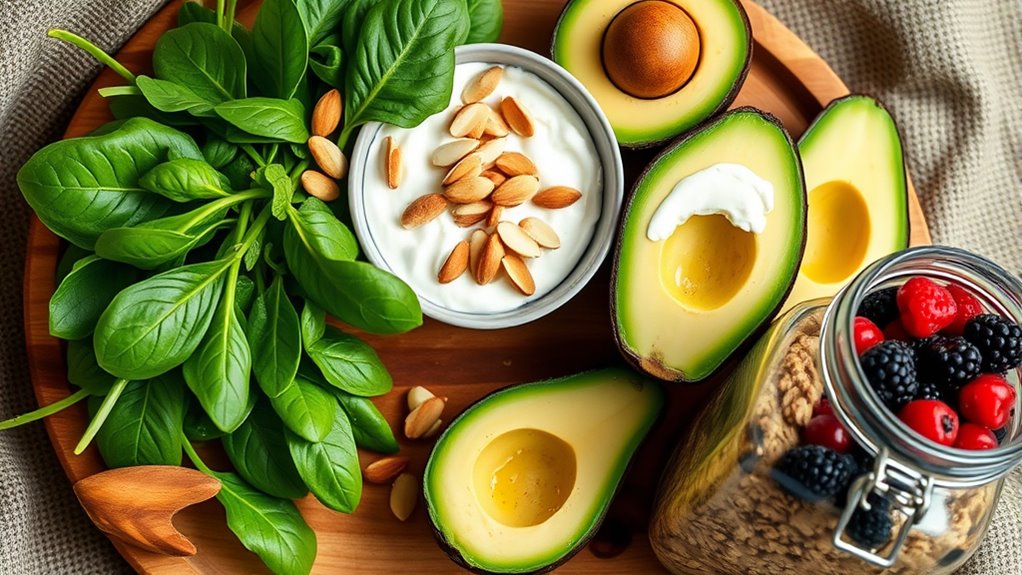
To support your milk supply and promote healing after childbirth, focus on including nutrient-dense foods that nourish both your body and your baby. Prioritize foods rich in vitamins, minerals, and healthy fats to boost energy and recovery. Incorporate plenty of leafy greens, nuts, seeds, and lean proteins to enhance milk production and repair tissues. Hydration remains essential—herbs like fenugreek and fennel may also encourage milk flow. Consider these key foods:
| Food Type | Benefits |
|---|---|
| Oatmeal & Whole Grains | Promote milk supply and sustained energy |
| Leafy Greens & Vegetables | Rich in calcium and antioxidants |
| Nuts & Seeds | Healthy fats supporting healing and milk production |
Frequently Asked Questions
How Can I Balance My Postpartum Diet With My Baby’S Preferences?
Balancing your postpartum diet with your baby’s preferences involves paying attention to both your nutritional needs and your baby’s cues. You can try offering a variety of healthy foods, including fruits, vegetables, and proteins, to see what your baby responds to best. Stay flexible, and don’t hesitate to adjust based on your baby’s reactions. Remember, your nourishing diet supports your milk supply and overall recovery, benefiting both of you.
Are There Any Foods I Should Avoid During Breastfeeding?
Imagine your body as a delicate garden, needing careful tending. During breastfeeding, avoid foods that might cause allergies or fussiness in your baby, like caffeine, alcohol, and certain spicy or gassy vegetables. Steer clear of heavily processed foods and excessive caffeine, which can pass through your milk. Instead, focus on nourishing, whole foods that support both your health and your baby’s growth. Your mindful choices help your garden flourish.
How Do I Manage Postpartum Energy Levels Through Nutrition?
To manage your postpartum energy through nutrition, focus on balanced meals that include lean proteins, whole grains, fruits, and vegetables. Stay hydrated and eat small, frequent snacks to maintain steady energy levels. Limit caffeine and sugar, which can cause crashes. Prioritize nutrient-dense foods, like nuts and dairy, to support recovery and milk production. Listening to your body’s hunger signals helps you stay energized and recover faster.
What Are Quick, Nutritious Snacks Suitable for New Moms?
Think of quick, nutritious snacks as your secret weapons in the marathon of new motherhood. You can grab a handful of nuts and dried fruit, which pack a punch of healthy fats and energy. Greek yogurt with berries offers protein and antioxidants. Whole grain crackers with cheese provide sustained energy. Smoothies made with fruits, spinach, and protein powder are portable powerhouses. These snacks fuel you, helping you keep pace through busy days.
Can Postpartum Nutrition Impact My Mental Health Recovery?
Your postpartum nutrition can profoundly impact your mental health recovery. Eating balanced meals with plenty of fruits, vegetables, lean proteins, and whole grains helps stabilize your mood and energy levels. Proper nutrition supports neurotransmitter production, reduces fatigue, and minimizes risks of postpartum depression. By fueling your body well, you’re also nurturing your mind, making it easier to cope with the emotional and physical changes during this crucial recovery period.
Conclusion
By nourishing your body with nutrient-dense foods, staying hydrated, and choosing items that support milk production and healing, you’re laying a strong foundation for recovery. Think of your postpartum journey as tending a delicate garden—each mindful choice helps it flourish. Trust in this nurturing process, and remember, your well-being is the bedrock upon which your little one’s health blossoms. Embrace these essentials, and watch your strength grow like a mighty oak from tiny roots.