
To support your mental health during postpartum recovery, focus on eating nutrient-dense foods like fruits, vegetables, lean proteins, whole grains, and healthy fats. These provide essential vitamins and minerals such as omega-3s, vitamin D, magnesium, and iron that help stabilize mood, reduce anxiety, and boost energy. Staying hydrated and limiting processed foods and caffeine also help keep your emotions balanced. Continue exploring how specific nutrients can enhance your recovery and well-being.
Key Takeaways
- Consume nutrient-dense foods like fruits, vegetables, lean proteins, and healthy fats to support mood and energy during postpartum recovery.
- Incorporate omega-3 fatty acids and vitamin D-rich foods or supplements to help reduce postpartum depression symptoms.
- Include magnesium and iron-rich foods to promote relaxation, reduce anxiety, and prevent fatigue.
- Stay well-hydrated with water and limit processed foods and caffeine to stabilize mood and prevent irritability.
- Consult healthcare providers about supplements that can fill nutritional gaps and enhance mental well-being postpartum.

Have you ever wondered how your diet after childbirth influences your mental health? The foods you choose now can markedly impact your mood, energy levels, and overall well-being during this recovery phase. A well-balanced breastfeeding diet not only nourishes your body but also supports your mental health by providing essential nutrients that stabilize mood and reduce feelings of anxiety or depression. When you’re breastfeeding, your body needs extra calories and nutrients to produce milk, so focusing on nutrient-dense foods becomes even more important. Incorporate plenty of fruits, vegetables, lean proteins, whole grains, and healthy fats into your meals to help maintain your energy and stabilize blood sugar levels, which can influence your mood.
Postpartum supplements can also play a pivotal role if your diet isn’t meeting all your nutritional needs. While it’s best to get nutrients from whole foods, supplements like vitamin D, omega-3 fatty acids, and B-complex vitamins can fill in the gaps. Omega-3s, particularly, are linked to improved mental health and may help reduce postpartum depression symptoms. Vitamin D, often low in new mothers, supports brain health and mood regulation. Talk to your healthcare provider before starting any supplements to ensure they’re appropriate for your specific needs. Proper supplementation, combined with a balanced diet, can help you feel more balanced emotionally and physically during this demanding time.
You might also consider incorporating foods rich in magnesium, such as nuts, seeds, and leafy greens, as magnesium supports relaxation and can ease postpartum anxiety. Iron-rich foods like lean meats and legumes help prevent postpartum fatigue, which can weigh heavily on your mental state. Hydration is equally essential; drinking plenty of water supports overall health and can help prevent mood swings associated with dehydration. Additionally, choosing high-quality projectors with accurate color and contrast can significantly enhance your visual experience, whether you’re relaxing at home or engaging in other activities. Avoid excessive caffeine or processed foods, which might cause energy crashes or irritability, further impacting your mental health.
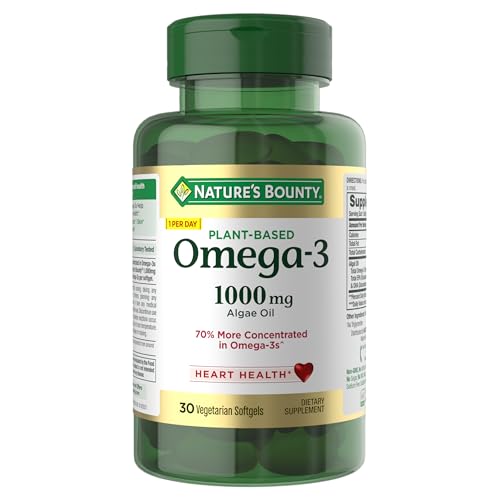
Nature's Bounty Omega 3, Plant-Based Omega 3 Fatty Acid Supplement, 30 Ct
- Concentrated Omega-3 Softgels: 1000 mg algae oil per softgel
- Easy Daily Dose: One softgel per day
- Supports Heart Health: Promotes cardiovascular wellness
As an affiliate, we earn on qualifying purchases.
As an affiliate, we earn on qualifying purchases.
Frequently Asked Questions
How Can I Improve My Mood With Specific Postpartum Foods?
You can boost your mood by eating nutrient-dense foods rich in omega-3s, magnesium, and B vitamins, which support brain health. Incorporate mood-boosting snacks like nuts, seeds, dark chocolate, or Greek yogurt into your day. These foods help increase serotonin and dopamine levels, improving your emotional well-being. Keep snacking on these healthy options to feel more energized, balanced, and uplifted during your postpartum recovery.
Are There Foods to Help Prevent Postpartum Depression?
While no foods can guarantee prevention of postpartum depression, incorporating herbal remedies like chamomile or St. John’s Wort may help, but consult your doctor first. Focus on foods rich in omega-3 fatty acids, folate, and vitamin D to combat nutrient deficiencies linked to mood disorders. A balanced diet supports your mental health, boosts your recovery, and helps stabilize your emotions during this challenging time.
How Much Water Should I Drink Daily Postpartum?
Did you know that staying properly hydrated can boost your energy and mood? You should aim for about 8-10 cups of water daily postpartum, following hydration habits that support your recovery. Water intake guidelines suggest listening to your body’s thirst cues, and increase your intake if you’re breastfeeding. Proper hydration helps prevent fatigue, supports healing, and keeps your mental health in check during this essential recovery period.
Can Certain Foods Boost My Energy Levels Postpartum?
Yes, certain foods can boost your energy levels postpartum. Focus on nutrient-dense snacks like nuts, seeds, and fresh fruit to keep your energy steady. Incorporate postpartum meal planning with lean proteins, whole grains, and vegetables to sustain your recovery. These foods provide essential vitamins and minerals that support your body’s healing process and help you feel more energized throughout the day.
Are There Foods to Support Breastfeeding and Mental Health?
Yes, you can support breastfeeding and mental health with certain foods. Incorporate herbal supplements like fenugreek and blessed thistle to boost milk production, but consult your healthcare provider first. Eating nutrient-dense foods helps manage postpartum cravings and stabilizes mood. Include omega-3-rich fish, leafy greens, and whole grains in your diet to promote mental well-being and support your breastfeeding journey effectively.
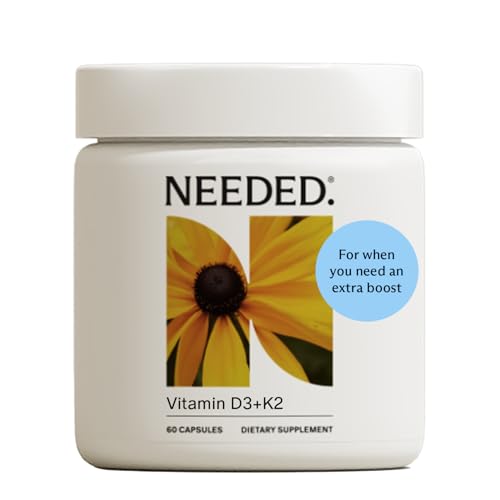
Needed. Expertly-Formulated Prenatal Vitamin D3/K2 | for Fertility, Pregnancy Breastfeeding, and Postpartum, Healthy Immunity and Bone Development, Supports Breast Milk Vitamin D Levels | 60 Capsules
- Expert-Formulated for Women's Health: Designed with perinatal nutrition experts
- Supports Fertility and Pregnancy: Enhances immune function and bone health
- Includes Vitamin D3 and K2: Supports nutrient absorption and synergy
As an affiliate, we earn on qualifying purchases.
As an affiliate, we earn on qualifying purchases.
Conclusion
Think of your postpartum journey as tending a delicate garden. Nourish it with wholesome foods, patience, and self-love, and watch it flourish. Every nourishing bite helps rebuild your strength and uplift your mental health, turning this challenging chapter into a beautiful bloom. Remember, with each mindful choice, you’re planting seeds of recovery and resilience. Trust in your ability to nurture yourself—you’re truly the gardener of your own well-being.

Nature’s Bounty High Absorption Magnesium Glycinate 240 mg for Supporting Muscle Relaxation and Bone, Heart & Nerve Health – Non-GMO, Gluten-Free, Vegetarian, 120 Count/60 Servings
- High Absorption Magnesium Glycinate: Easily absorbed and utilized by the body
- Supports Heart, Bone, Nerve, and Muscle Health: Promotes overall body wellness
- Rich Source of Magnesium: Provides 240 mg with two capsules daily
As an affiliate, we earn on qualifying purchases.
As an affiliate, we earn on qualifying purchases.

Nourished: The Complete Postpartum Cookbook For Recovery, Breastfeeding & Energy – 90+ Healing Recipes, Freezer Meals & Meal Plans for New Mothers (Pregnancy Gifts for Expecting Moms)
As an affiliate, we earn on qualifying purchases.
As an affiliate, we earn on qualifying purchases.