
TL;DR

Turn the school run and nap time into listening time
- Thousands of audiobooks, podcasts and originals
- Listen on your phone, tablet or Echo — also offline
- Cancel anytime
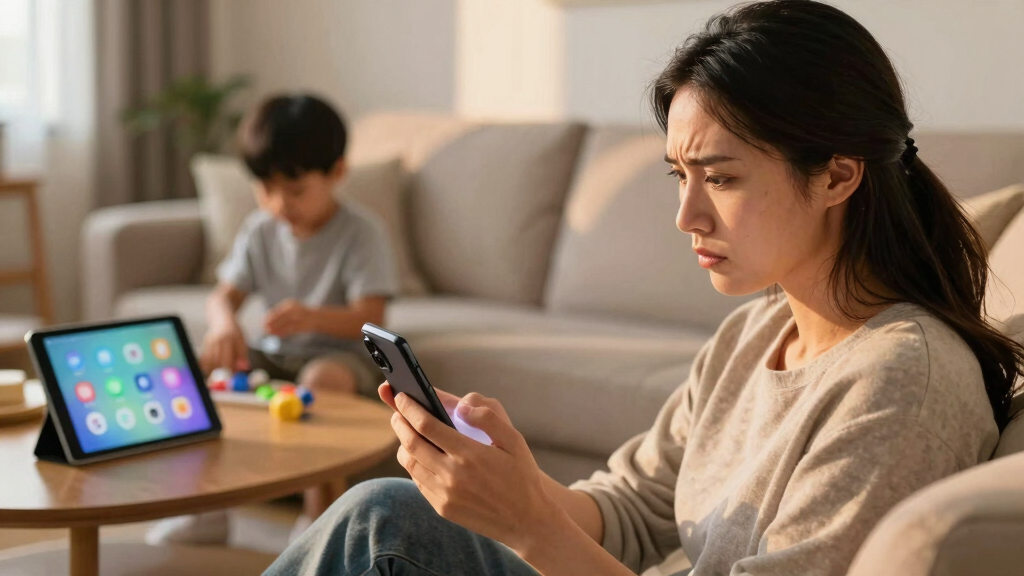
Parents are increasingly uncertain about recommended screen time limits for children due to conflicting guidelines from health authorities. This confusion impacts how they manage their children’s device use and raises questions about effective parenting strategies.
Many parents are feeling by the conflicting advice from health authorities and experts on how much screen time is appropriate for children. This uncertainty affects daily parenting decisions and raises concerns about children’s well-being amid rapidly changing digital landscapes.
Recent surveys indicate that a significant number of parents find it difficult to interpret official recommendations on children’s screen time. While some organizations suggest limiting screen use to one to two hours daily, others emphasize quality over quantity, leading to mixed messages. Experts acknowledge that guidelines have evolved over time, with some now focusing more on content and context rather than strict time limits. This has left many parents unsure about how to set boundaries effectively. Additionally, the rapid increase in digital device availability, especially during the COVID-19 pandemic, has intensified these challenges, as families navigate balancing screen use with educational and social needs.Why Parental Confusion Over Screen Time Matters
This confusion impacts children’s daily routines, potentially affecting their physical health, mental well-being, and social development. Inconsistent parenting practices may also lead to increased stress within families. Understanding and clarifying these guidelines is essential for supporting healthy digital habits and reducing parental anxiety.
children's screen time limit timer
As an affiliate, we earn on qualifying purchases.
As an affiliate, we earn on qualifying purchases.
Evolving Guidelines and the Digital Environment
Official recommendations on children’s screen time have shifted over the past decade. The American Academy of Pediatrics initially advised no more than two hours of recreational screen time daily but has since emphasized content quality and family context. During the COVID-19 pandemic, screen use surged due to remote learning and social distancing, complicating adherence to guidelines. Experts note that the rapid pace of technological change and diverse family circumstances make it difficult to establish one-size-fits-all rules.
“Parents are often caught between conflicting messages—some guidelines focus on strict time limits, while others stress the importance of content and social interaction.”
— Dr. Susan Miller, pediatrician
kids' educational tablet with parental controls
As an affiliate, we earn on qualifying purchases.
As an affiliate, we earn on qualifying purchases.
Unclear How Guidelines Will Evolve or Be Implemented
It remains unclear how official guidelines will adapt to ongoing technological changes and whether they will become more unified or flexible. Experts agree that more research is needed to determine optimal screen time levels tailored to different age groups and individual needs. Additionally, there is no consensus on how best to communicate these guidelines to parents to reduce confusion.
As an affiliate, we earn on qualifying purchases.
Future Efforts to Clarify and Harmonize Recommendations
Health authorities and child development organizations are expected to release updated, clearer guidelines in the coming months, possibly emphasizing content quality and family context over strict time limits. Researchers are also conducting studies to better understand the impacts of screen time, which may inform more nuanced advice. Meanwhile, parents are advised to focus on balanced routines and open communication about device use.
As an affiliate, we earn on qualifying purchases.
Key Questions
Why do guidelines on children’s screen time keep changing?
Guidelines evolve as new research emerges and as technology and children’s digital habits change. Experts aim to balance safety, development, and practical considerations, leading to updates over time.
What should parents prioritize when managing screen time?
Most experts recommend focusing on content quality, ensuring screen use is age-appropriate, and balancing device time with physical activity, sleep, and social interactions.
Are there risks associated with too much screen time?
Excessive screen time has been linked to issues such as poor sleep, reduced physical activity, and impacts on mental health. However, the specific safe limits vary and depend on individual circumstances.
How can parents reduce confusion about guidelines?
Parents should seek information from reputable sources, communicate openly with children about device use, and tailor routines to their child’s needs while focusing on overall balance and well-being.
Source: rss
Halloween Picks
halloween
As an affiliate, we earn on qualifying purchases.