

Start by listing key people in your life, like family, friends, colleagues, mentors, and community members, and consider their roles. Evaluate how supportive and reciprocal these relationships are, and identify any gaps where you need additional support. Communicate your needs clearly, showing appreciation and offering help in return. Stay active by attending events and nurturing meaningful connections, ensuring your support network adapts as your life changes—there’s more to explore for a stronger, reliable network.
Key Takeaways
- Identify essential support areas (emotional, professional, personal) and current key contacts for each.
- Assess the strength and reciprocity of existing relationships, noting gaps needing additional support.
- Clearly define your support needs and communicate them effectively to strengthen connections.
- Incorporate diverse sources like friends, family, mentors, groups, and community for comprehensive support.
- Regularly review and update your support network map to reflect changing needs and relationships.
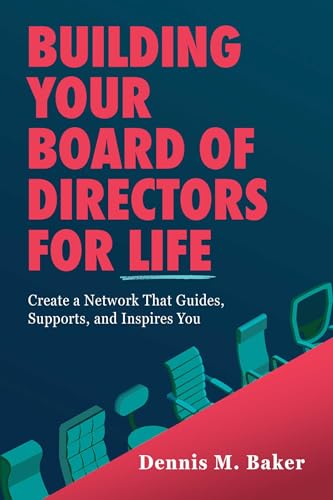
Building Your Board of Directors for Life: Create a Network That Guides, Supports, and Inspires You
As an affiliate, we earn on qualifying purchases.
As an affiliate, we earn on qualifying purchases.
Creating and Nurturing Your Support Network
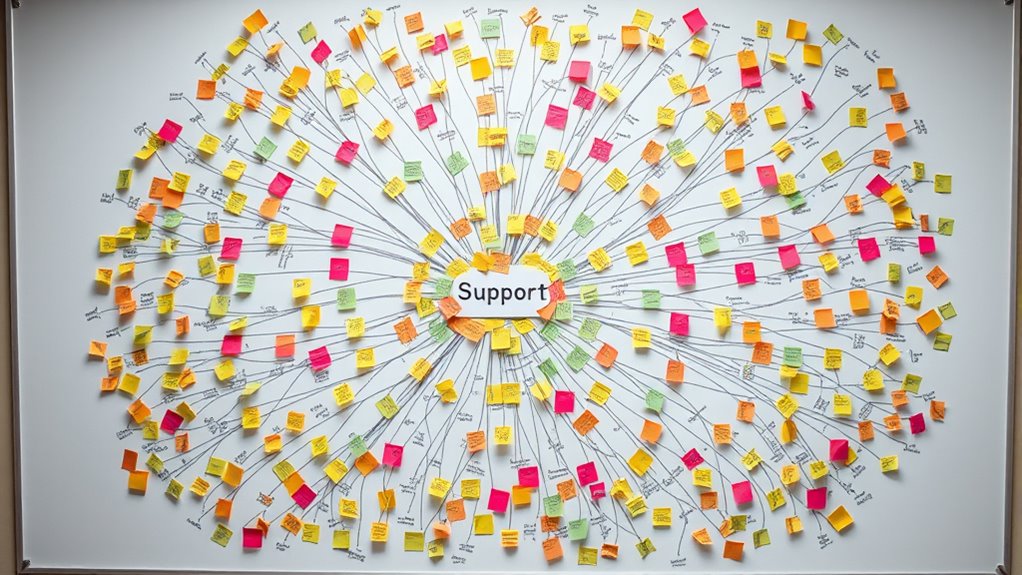
Building a strong support network is essential for steering life’s challenges and achieving your goals. When you have reliable people around you, it becomes easier to navigate setbacks, celebrate successes, and stay motivated. The first step is to identify the key areas where you need support, whether it’s emotional, professional, or personal growth. Think about the different roles people play in your life and how they can contribute to your well-being. This awareness helps you focus on building a diverse network that covers various aspects of your life.
Next, make a list of individuals who are already part of your life and could serve as potential support sources. Include friends, family members, colleagues, mentors, or community members. Be honest about how each person might help. For example, a friend might provide emotional comfort, while a coworker could offer professional advice. Once you’ve listed these people, evaluate the quality of your relationships. Are they mutually supportive? Do you feel comfortable sharing your thoughts and challenges? Building a support network isn’t just about having people around; it’s about fostering meaningful, reciprocal relationships.
After identifying your current support system, think about filling in gaps. Are there areas where you lack support? If you find yourself lacking guidance in your career, consider reaching out to a mentor or industry expert. If emotional support is limited, look for groups or communities that share your interests or experiences. Building new connections doesn’t mean you need to overhaul your entire network. Instead, focus on adding specific individuals who can provide the support you need in particular areas. Attending events, joining online groups, or participating in local meetups can help you meet new people who align with your support needs.
Another vital step is defining what kind of support you want from each person. Clear communication helps prevent misunderstandings. Be specific about your needs and ask for what you need, whether it’s advice, encouragement, or just someone to listen. Likewise, be open to reciprocating support when others reach out. Building a support network is a two-way street. Regular check-ins, showing appreciation, and maintaining honest communication strengthen these relationships over time.
Finally, keep your support network flexible and evolving. As your life changes, your support needs will too. Periodically assess your network—who’s still helpful? Are there new relationships worth cultivating? A strong support network is dynamic and proactive. By consciously mapping it out and nurturing those relationships, you create a reliable foundation that can sustain you through life’s ups and downs, helping you stay resilient as you pursue your goals. Incorporating awareness of inspiration and other factors from holistic wellness practices can further enhance your resilience and overall well-being.

Emotional Documentation: Formal records for overthinking, burnout, and the things you don’t say out loud
As an affiliate, we earn on qualifying purchases.
As an affiliate, we earn on qualifying purchases.
Frequently Asked Questions
How Often Should I Update My Support Network Map?
You should update your support network map whenever there’s a significant change in your life or support needs. Regularly reviewing it every six months helps you stay aware of new connections or gaps. If you experience major life events, like moving or job changes, update it promptly. Keeping it current guarantees you can rely on the right people when you need help, making your support system more effective and responsive.
What if I Feel Isolated Despite Having a Support Network?
Ever wonder why, despite having a support network, you still feel isolated? It’s possible your connections aren’t meeting your emotional needs or aren’t close enough. You might need to communicate more openly or seek deeper relationships. Consider reaching out for help if loneliness persists. Building genuine, supportive bonds takes effort, but it’s worth it. Remember, quality matters more than quantity when it comes to feeling truly supported.
Can Virtual Connections Be as Effective as In-Person Support?
Virtual connections can be just as effective as in-person support if you actively engage and communicate openly. While they might lack physical presence, video calls, messaging, and online groups create meaningful interactions. You can share your feelings, seek advice, and build trust online. The key is to stay consistent and genuine, making virtual relationships a reliable and supportive part of your overall network.
How Do I Approach Someone to Join My Support Network?
When approaching someone to join your support network, be genuine and clear about why you’re reaching out. Share what kind of support you’re seeking and how their involvement could help. Show appreciation for their time and willingness to listen. Keep it casual and respectful, and remember to ask if they’re comfortable helping. Building trust and being honest will encourage them to join and support you effectively.
What Are Signs My Support Network Needs Strengthening?
Think of your support network as a garden—if certain plants wither or fail to bloom, it’s time to tend the soil. You might feel isolated, overwhelmed, or notice connections growing weak. When friends become distant or unresponsive, or you’re constantly carrying burdens alone, your network needs nurturing. These signs show your support system isn’t as vibrant as it could be, and it’s time to water those relationships and seek new growth.
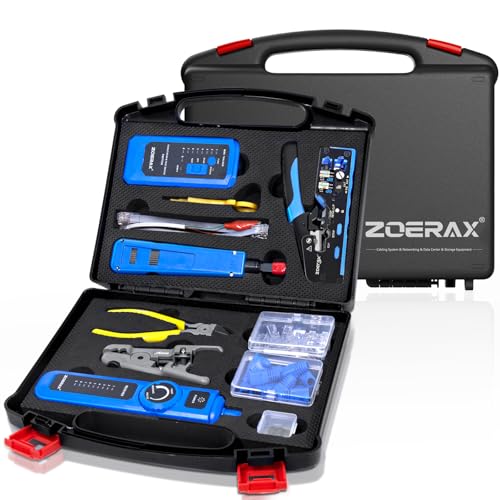
Professional Network Tool Kit, ZOERAX 14 in 1 – RJ45 Crimp Tool, Cat6 Pass Through Connectors and Boots, Cable Tester, Wire Stripper, Ethernet Punch Down Tool
- All-in-One Professional Kit: Sturdy case for easy transport and storage
- Complete Tool Set: Includes crimper, punch down, stripper, and connectors
- Versatile Ethernet Crimper: Adjustable, tool-free for pass-through and non-pass-through
As an affiliate, we earn on qualifying purchases.
As an affiliate, we earn on qualifying purchases.
Conclusion
Building a support network is essential—you’re not alone in this. Remember, studies show that people with strong support systems are 50% more likely to handle stress effectively. Keep nurturing those connections, reach out regularly, and don’t hesitate to ask for help when needed. A solid network isn’t built overnight, but with consistent effort, you’ll find yourself more resilient and confident. Embrace the journey—your support system is your greatest asset.

Community: Taking Your Small Group off Life Support
As an affiliate, we earn on qualifying purchases.
As an affiliate, we earn on qualifying purchases.