Managing strollers on public transit can be smooth when you prepare the right gear and understand local policies. Choose a compact, lightweight stroller that folds easily and practice quick folding techniques. Know your transit’s size restrictions and always fold larger strollers if needed. Stay aware of crowded times and designated stroller zones. Using helpful accessories and planning your route can make travel hassle-free. Keep exploring for expert tips to handle tricky situations and travel with confidence.
Key Takeaways
- Prepare your stroller by folding securely, removing bulky accessories, and practicing quick folding techniques for tight spaces.
- Know local transit policies on stroller size, folding requirements, and designated stroller areas to ensure compliance.
- Choose lightweight, compact strollers with smooth steering to navigate crowded environments easily.
- Use accessible ramps, elevators, and designated zones; communicate politely with transit staff for assistance.
- Travel during off-peak hours, plan routes in advance, and keep essential accessories minimal to reduce stress and improve mobility.
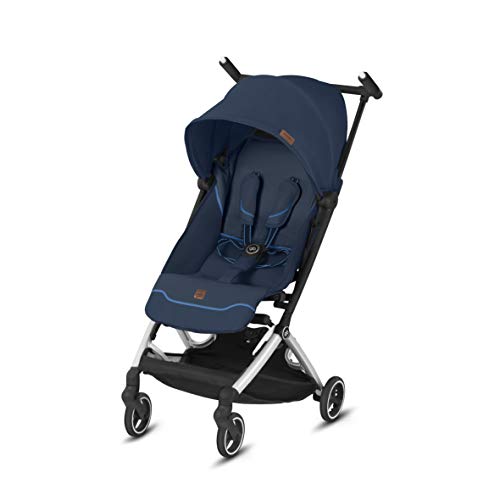
gb Pockit+ All City, Ultra Compact Lightweight Travel Stroller with Front Wheel Suspension, Full Canopy, and Reclining Seat in Night Blue
The Pockit plus All City folds up into a compact, handbag shaped package in seconds and is airplane…
As an affiliate, we earn on qualifying purchases.
As an affiliate, we earn on qualifying purchases.
How to Prepare Your Stroller for Public Transit

Preparing your stroller for public transit can make your commute much smoother. Start by attaching essential stroller accessories like a cup holder or storage basket to keep your essentials handy. Fold your stroller properly, ensuring it locks securely to prevent accidental opening during transit. Regular maintenance tips include checking for loose wheels, tightening any screws, and cleaning the fabric and frame to keep everything in top condition. Consider removing or collapsing bulky stroller accessories that might hinder folding or fit into crowded spaces. Keep a small repair kit on hand for quick fixes if needed. Additionally, inspecting your support breakfast options can help you plan snacks or meals for your outings, making your trips more comfortable for both you and your little one. Being aware of your stroller specifications can also ensure compatibility with different transit systems and prevent surprises during your journey. Checking the vehicle size and layout can help you choose the best boarding strategy and avoid overcrowded areas. Also, familiarizing yourself with the local transit policies regarding strollers can help you navigate rules and avoid potential issues. Staying informed about urban mobility trends can provide helpful insights into navigating different transit environments. By taking these steps, you’ll ensure your stroller is ready for busy city travel, making boarding trains or buses easier and more efficient for both you and your little one.
Deckly 4in1 Dog Bike Trailer – Dog Bicycle Trailer Attachment with 88lb Max Weight, Smooth Rolling Wheels Stroller – Pet Bike Carrier for Dogs, Versatile Pulling Cart for Cargo & Small/Large Dogs
EXPERIENCE 4-IN-1 FREEDOM with the Deckly Bike Wagon for Dogs that quickly becomes a pet trailer, pet stroller,…
As an affiliate, we earn on qualifying purchases.
As an affiliate, we earn on qualifying purchases.
Choosing the Right City Stroller: Size, Maneuverability, and Ease

Choosing the right city stroller is essential for steering busy streets and crowded transit systems with ease. Focus on size—compact strollers are easier to fold and fit into tight spaces. Practice folding techniques so you can quickly collapse your stroller when navigating stairs or bus entrances. Maneuverability is key; look for lightweight models with smooth steering to navigate crowded sidewalks effortlessly. Ease of use also means considering stroller accessories like easy-release wheels or adjustable handles, which enhance convenience. A stroller that’s simple to fold, lightweight, and equipped with helpful accessories will make your city journeys smoother. Additionally, selecting a stroller with smart home safety features such as integrated alarms or alert systems can improve safety during urban outings. Remember, choosing a stroller that is adaptable to your urban mobility needs will reduce stress and make your daily commute more manageable. Incorporating compact design features can further enhance portability and storage options. Ensuring your stroller has body-friendly ergonomic features can also help prevent fatigue during longer outings. Integrating eco-conscious materials can contribute to more sustainable urban living.

Accmor Stroller Cup Holder with Phone Holder, Bike Cup Holder, Universal Cup Holder for Uppababy Nuna Doona Strollers, 2-in-1 Cup Phone Holder for Stroller Bike Wheelchair Walker Accessory
Wide Compatibility: This universal cup holder with phone holder compatible with most baby strollers, walker, wheelchair, rollator, bike,…
As an affiliate, we earn on qualifying purchases.
As an affiliate, we earn on qualifying purchases.
What Transit Policies Do You Need to Know About Stroller Size and Accessibility?

Understanding transit policies about stroller size restrictions is crucial to prevent surprises during your commute. Many transit systems have specific rules, and accessibility policies can vary widely. Knowing these details helps ensure smooth travel for both you and your little one. Additionally, being aware of eco-friendly craft ideas related to travel accessories can help you make sustainable choices for your trips. Exploring wellness devices that promote relaxation during travel can also contribute to a more comfortable journey. Being familiar with security features like smart locks can provide added peace of mind when traveling with your family. Familiarizing yourself with dispute resolution strategies can help address any issues that arise with transit staff or policies effectively.
Stroller Size Restrictions
Stroller size restrictions are essential to keep in mind when traveling through public transit, as different systems have varying policies to guarantee safety and accessibility. Many transit agencies specify maximum stroller dimensions to prevent congestion and ensure passenger safety. Typically, these restrictions limit stroller width and length, often around 30-36 inches wide and 48 inches long, but check your local policies for exact measurements. Accessibility policies also influence stroller size limits, aiming to keep aisles clear and allow easy boarding for everyone. If your stroller exceeds these limits, you might need to fold it or find alternative transportation options. Folding strollers are often a recommended solution to comply with size policies while maintaining convenience. Being aware of and adhering to transit guidelines helps prevent delays and makes traveling with children smoother.
Accessible Transit Policies
When maneuvering public transit with a stroller, it’s important to familiarize yourself with accessibility policies that guarantee safe and easy boarding for all passengers. Transit agencies often have specific rules regarding stroller size and folding requirements to support urban mobility. Some policies allow strollers to be stored in designated areas or require them to be folded for boarding. Be aware of restrictions on stroller accessories, such as additional attachments, which could hinder accessibility. Knowing these policies helps you plan your trip smoothly and avoid surprises. Many transit systems prioritize accessibility for parents with young children, ensuring that strollers can be accommodated without obstructing aisles or exits. Additionally, understanding foam rolling techniques can be beneficial for parents to improve their recovery and HRV, helping them stay energized for busy days with their children. Staying informed about your local transit authority’s guidelines and any updates to accessibility policies can make your journeys stress-free and compliant. Being aware of stroller size guidelines ensures you select the appropriate equipment that complies with transit standards.

Gromast Gravity Folding Baby Stroller – Portable Travel Toddler Stroller w/Adjustable Backrest, Canopy, Footmuff & Cup Holder, Lightweight and UV Protected, One-Hand Automatic Folding – Dark Gray
Self-Standing Auto-Fold Design: The Gromast compact baby stroller can be automatically folded by gravity in seconds with the…
As an affiliate, we earn on qualifying purchases.
As an affiliate, we earn on qualifying purchases.
Common Challenges When Traveling With a Stroller on Public Transit

Traveling with a stroller on public transit can be tricky due to limited space and crowded conditions. You’ll need to navigate tight spots while making sure your child stays safe. Managing both the stroller and passenger safety requires patience and awareness in busy environments. Utilizing mental challenges can help you stay calm and focused during stressful moments, much like carefully navigating crowded transit with a stroller.
Space Constraints and Crowding
Have you ever found yourself squeezed into a crowded bus or subway car with a stroller in tow? Space constraints can turn a simple trip into a challenge. To maximize limited room, master folding techniques to make your stroller as compact as possible. Consider using stroller accessories like slimline bags or compact carriers to save space. Be mindful of your surroundings and wait for less crowded times when possible. Here are some tips to steer through tight spaces:
- Practice quick, easy folding techniques
- Remove unnecessary stroller accessories
- Opt for lightweight, compact strollers
- Position your stroller to avoid blocking aisles
- Use available handrails for stability
Being prepared and adaptable makes navigating crowded transit easier and safer for everyone involved.
Handling Stroller and Passenger Safety
Managing public transit with a stroller requires constant attention to safety, as unexpected bumps or sudden stops can cause accidents if you’re not vigilant. Regular stroller maintenance ensures brakes work properly and wheels roll smoothly, reducing risk during transit. Always lock the stroller’s wheels when stationary and fold it when not in use to prevent it from moving unexpectedly. Be mindful of passenger etiquette—apologize if you accidentally bump someone and give priority seating when needed. Keep your child secured with the harness and stay alert to your surroundings. When steering through crowded spaces, move carefully and communicate with fellow passengers. By maintaining your stroller and practicing courteous behavior, you help create a safer, more comfortable environment for everyone on public transit.
How to Board and Exit Buses, Trains, and Subways With a Stroller

Riding buses, trains, and subways with a stroller can seem intimidating at first, but with a few simple steps, you can navigate these changes smoothly. Before boarding, guarantee your stroller has the necessary accessories, like a stroller lock or compact fold, for easy handling. When approaching the vehicle, wait for the driver’s signal or the designated boarding area. Fold your stroller if required, and keep it close to prevent blocking aisles. During exit, fold your stroller first and step aside to clear the way. Regular stroller maintenance, like checking wheels and brakes, helps prevent issues during transit.
- Use accessible ramps or elevators
- Keep belongings organized for quick boarding
- Communicate with transit staff if needed
- Secure your stroller with accessories for safety
- Practice folding and unfolding for speed
Handling Crowds and Peak Hours When You Have a Stroller

To manage crowds and peak hours with a stroller, timing your travels is key—try to avoid the busiest times. Use designated stroller areas whenever possible to keep things organized and safe. Don’t hesitate to communicate with transit staff if you need assistance or clarification on policies; they’re there to help.
Timing Strategies for Crowds
Crowds and peak hours can quickly turn a trip with a stroller into a stressful experience, but planning your timing can make all the difference. To avoid the rush, consider traveling during off-peak times, like early mornings or late evenings. Check transit schedules in advance to avoid unexpected delays, and use stroller accessories that enhance your parent mobility, like compact foldable strollers or lightweight models. If you must travel during busy hours, plan your route to minimize transfers and crowded platforms. Avoid weekend afternoons when crowds peak, and stay flexible with your schedule. Being strategic about timing helps you stay calm, keeps your child comfortable, and makes maneuvering public transit smoother overall. Proper planning turns a challenging outing into a manageable one.
Using Designated Stroller Areas
Using designated stroller areas can considerably ease traversing crowded public spaces during peak hours. These spots are designed to accommodate urban stroller design, making navigation smoother for both parents and fellow riders. When you use these areas, ensure your stroller is well-maintained; a sturdy, properly functioning stroller reduces the risk of accidents or obstructions. Familiarize yourself with the location of these zones beforehand—many transit systems clearly mark them. During busy times, keep your stroller close to the designated space, avoiding blocking aisles or exits. This not only shows consideration for others but also helps prevent congestion. Proper stroller maintenance guarantees your equipment is safe and easy to maneuver, making peak-hour travel less stressful for everyone involved.
Communicating With Transit Staff
When maneuvering crowded transit environments with a stroller, clear communication with transit staff can make a significant difference. Being polite and explaining your needs helps staff assist you efficiently, especially during peak hours. Practice good transit etiquette and stroller etiquette by asking for space politely or signaling when you need to board. Don’t hesitate to approach staff calmly if you encounter issues or need help guiding through tight spots. Remember, staff are there to support you and other passengers.
- Ask staff for priority seating or assistance ahead of time
- Use respectful language to clarify your needs
- Signal politely when you need extra space
- Be patient and understanding during busy times
- Follow posted rules and transit etiquette to ensure smooth boarding
Effective communication helps create a more comfortable experience for everyone involved.
Keeping Your Child Safe and Comfortable During Transit

Ensuring your child’s safety and comfort during transit requires careful planning and attention to detail. Start by using appropriate stroller accessories, such as sunshades or padding, to enhance comfort. Regular stroller maintenance guarantees smooth operation and safety, preventing unexpected issues. Always secure your child with the harness and double-check locks before moving. To keep your child comfortable, bring essentials like a blanket or favorite toy. Consider this table to compare accessories:
| Stroller Accessories | Benefits |
|---|---|
| Sunshade | Protects from sun and wind |
| Cup Holder | Keeps drinks within reach |
| Padding | Adds comfort during long rides |
| Weather Cover | Shields from rain or cold |
| Storage Organizer | Keeps essentials accessible |
Prioritize safety and comfort for a smooth transit experience.
Troubleshooting Stroller Space and Locking Issues

Stroller space and locking issues can disrupt your child’s comfort and safety during outings. You might find your stroller doesn’t fit properly in designated storage areas or the lock mechanisms fail when you need them most. Regular stroller maintenance helps prevent these problems by keeping locks and wheels in top condition. Also, efficient stroller storage guarantees your stroller remains secure and easy to access.
Proper stroller maintenance ensures safety, smooth storage, and easy access during outings.
To troubleshoot, consider these tips:
- Check for debris or dirt blocking locks or wheels
- Lubricate locks and hinges periodically
- Confirm the stroller is folded correctly before storing
- Adjust or replace worn-out locking mechanisms
- Make sure your stroller fits well into transit storage spaces
Addressing these issues ensures smoother trips for you and your little one.
Traveling Light: Tips to Minimize Stroller Hassle on Busy Days

On busy days, managing your stroller can feel like an added chore, especially when space is limited and quick access is necessary. To minimize hassle, simplify your setup with essential stroller accessories like lightweight covers or compact storage bags. These items help keep your stroller organized and easy to fold, saving time when boarding or disembarking. Consider bringing only what you need, avoiding bulky items that add weight and bulk. Also, check your travel insurance for coverage related to stroller damage or loss, giving you peace of mind during hectic days. Planning ahead by packing efficiently and choosing versatile accessories makes maneuvering crowded transit smoother. Traveling light isn’t just about physical weight—it’s about reducing stress and staying prepared for anything that comes your way.
Resources and Tools to Simplify Stroller Navigation on Public Transit

Traveling public transit with a stroller can be challenging, but utilizing the right resources and tools can make the process much easier. Stroller accessories like foldable carts or compact stroller models help you navigate crowded buses and trains smoothly. Smart stroller storage solutions, such as lightweight bags or attachable organizers, keep essentials accessible without adding bulk. Consider portable ramps or stroller-friendly transit maps to plan your routes efficiently. Additionally, investing in foldable or modular strollers simplifies storage and transport. You can also use apps that provide real-time transit updates, helping you avoid delays and crowded cars. These tools and accessories streamline your journey, reduce stress, and guarantee a smoother experience when traveling with your stroller on public transit.
Frequently Asked Questions
How Do I Handle Stroller Breakdowns During Transit?
If your stroller breaks down during transit, stay calm and quickly find a safe spot to assess the issue. Carry basic tools for stroller repairs or a compact repair kit to handle minor repairs on the spot. Practice emergency preparedness by knowing nearby repair shops or service centers. If repairs aren’t possible, consider switching to a carrier or seeking help from transit staff to guarantee your child’s safety while you resolve the issue.
Can I Bring Additional Baby Gear on Public Transit?
While bringing extra baby gear on public transit is generally allowed, it’s best to check local policies first. You might need parking permits for larger items or specific stroller accessories that enhance convenience. Think of it as packing a little more of your parenting toolkit—just guarantee everything fits comfortably and complies with transit rules. Being prepared with permits and accessories helps you smoothly navigate your journey with minimal fuss.
Are There Stroller Storage Options During Transfers?
Yes, there are stroller storage options during transfers. You can often find designated stroller storage areas on platforms or inside transit stations, making transfer logistics smoother. Some transit systems also allow you to fold your stroller and keep it with you, reducing the need for dedicated storage. Always check your local transit authority’s guidelines beforehand, so you’re prepared for stroller storage options and can navigate transfers efficiently with your little one.
How Do I Assist My Child if They Get Scared During Transit?
When your child gets scared during transit, focus on child comfort and anxiety management. Speak calmly and reassure them that you’re near, offering gentle touches or holding their hand if possible. Bring familiar items like a toy or blanket to help soothe them. Engage in simple distraction techniques, like singing or talking about what’s happening around them. Your calm presence reassures your child and helps ease their fears during the ride.
What Are the Best Practices for Stroller Maintenance on the Go?
Think of your stroller as a trusty steed—maintaining it keeps your journey smooth. Regularly clean the stroller to prevent buildup, using gentle wipes for surfaces and wheels. Check the battery and replace it if needed, ensuring electronic features work properly. Carry a small repair kit for on-the-go fixes. Staying proactive with stroller cleaning and battery replacement means fewer surprises, making your trips safer and more comfortable for your child.
Conclusion
Managing public transit with a stroller might seem daunting, but you’re not alone—over 60% of city parents face the same challenges. By preparing your stroller, understanding policies, and staying patient, you can make every trip smoother. Remember, a well-chosen stroller and a little planning go a long way in keeping your child safe and comfortable. With these tips, you’ll confidently conquer city transit, turning everyday commutes into hassle-free adventures.