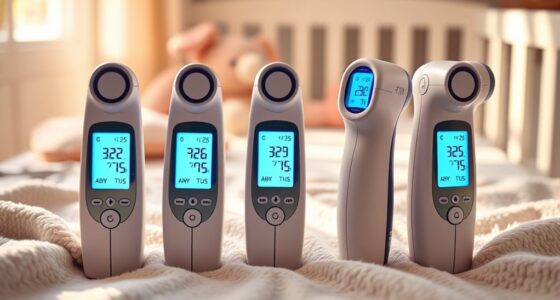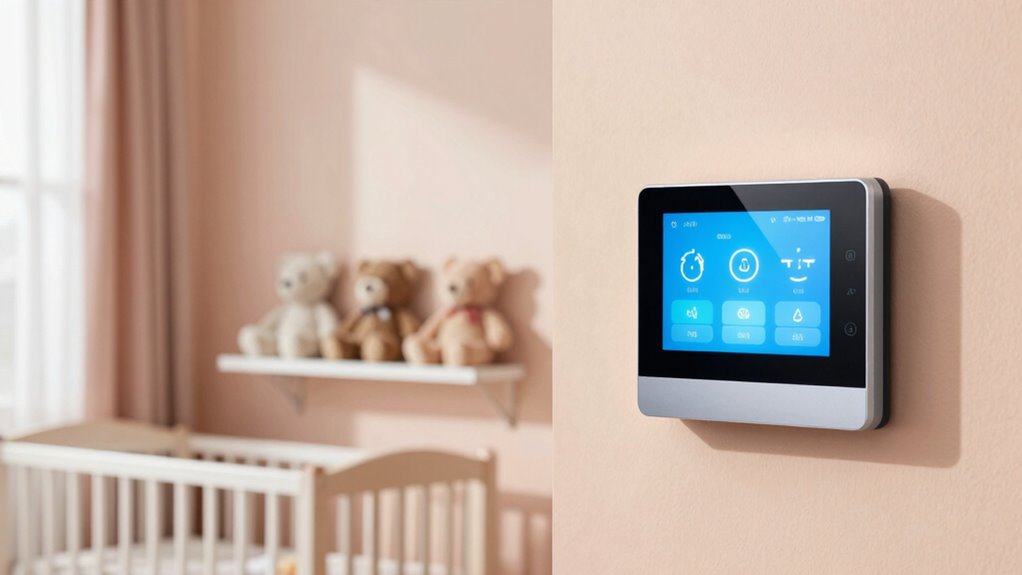

Choosing a smart thermostat for nursery temperature control involves balancing precise climate management with ease of use and safety. The Google Nest Thermostat stands out as the best overall choice for its reliable performance and user-friendly interface. For those seeking a budget-friendly option, the Amazon Smart Thermostat offers solid features at a lower price. Meanwhile, the ecobee Smart Thermostat Enhanced is ideal for parents who want advanced control and integration options. These choices reflect the key tradeoffs of cost versus features and ease of installation versus customization. Continue reading for a detailed breakdown of each option and what makes them suitable for nursery use.

Turn the school run and nap time into listening time
- Thousands of audiobooks, podcasts and originals
- Listen on your phone, tablet or Echo — also offline
- Cancel anytime
Complete the kit


Key Takeaways
- The best overall smart thermostat combines reliable performance with user-friendly setup, like the Google Nest Thermostat.
- Budget options such as the Amazon Smart Thermostat provide essential features but may lack some advanced customization for nursery needs.
- Energy efficiency certifications, like Energy Star, are important for long-term savings and safety in a nursery.
- Compatibility with voice assistants (Alexa, Google Assistant) simplifies control, especially when multitasking with a baby.
- Installation complexity varies; DIY-friendly models can save money but may require more effort for optimal nursery setup.
| Google Nest Thermostat – Smart Programmable WiFi Thermostat (Charcoal) |  | Best Overall for Ease and Ecosystem Integration | Color: Charcoal | Certification: ENERGY STAR | Connectivity: Wi-Fi 2.4/5 GHz | VIEW ON AMAZON | See Our Full Breakdown |
| Google Nest Thermostat – Smart Wifi Programmable Thermostat for Home – Snow |  | Best for Voice-Friendly Remote Control | Connectivity Protocol: Wi-Fi | Energy Star Certified: Yes | Compatibility: Most systems without C-wire | VIEW ON AMAZON | See Our Full Breakdown |
| ecobee Smart Thermostat Essential – WiFi Smart Thermostat, Energy Star Certified |  | Best for Broad Compatibility and Energy Savings | Energy Savings: Up to 23% annually | Compatibility: 85% of HVAC systems, Apple HomeKit, Google, Alexa | Smart Features: Humidity detection, schedule assistant | VIEW ON AMAZON | See Our Full Breakdown |
| Sensi Smart Thermostat ST55 – Wi-Fi, Alexa Compatible, Energy Star Certified, DIY Installation |  | Best for Easy DIY Setup and Standard Compatibility | Model: ST55 | Connectivity: Wi-Fi | Voice Compatibility: Alexa | VIEW ON AMAZON | See Our Full Breakdown |
| Amazon Smart Thermostat |  | Best for Alexa Users and Guided DIY Setup | Brand: Amazon | Works With: Alexa, Ring | Certification: ENERGY STAR | VIEW ON AMAZON | See Our Full Breakdown |
| ecobee Smart Thermostat Enhanced, Programmable Wi-Fi Thermostat |  | Best for Energy Efficiency and Smart Home Integration | Energy Savings: Up to 26% per year | Compatibility: Supports 90% of HVAC systems | Connectivity: Wi-Fi, Apple HomeKit, Alexa, Google Assistant, SmartThings | VIEW ON AMAZON | See Our Full Breakdown |
| smart thermostat for nursery temperature control | Connectivity | Compatibility | Installation | Certification |
|---|---|---|---|---|
| Google Nest Thermostat | Wi-Fi 2.4/5 GHz | Google Assistant, Matter | — | ENERGY STAR |
| Google Nest Thermostat | — | Most systems without C-wire | — | — |
| ecobee Smart Thermostat Essent | Wi-Fi | 85% of HVAC systems, Apple HomeKit, Google, Alexa | DIY with optional Power Extender Kit | Energy Star |
| Sensi Smart Thermostat ST55 | Wi-Fi | — | DIY | — |
| Amazon Smart Thermostat | — | — | DIY with guidance | ENERGY STAR |
| ecobee Smart Thermostat Enhanc | Wi-Fi, Apple HomeKit, Alexa, Google Assistant, SmartThings | Supports 90% of HVAC systems | Includes Power Extender Kit, hardwired setup | — |
More Details on Our Top Picks
Google Nest Thermostat – Smart Programmable WiFi Thermostat (Charcoal)
This model stands out for its seamless integration with the Google ecosystem and its user-friendly app interface, making it a strong choice for those already invested in Google smart home devices. While it offers excellent energy-saving features like auto-away and HVAC alerts, it requires a C-wire for some systems or a power accessory, which can be a hurdle in older homes. Compared with the ecobee, it lacks a touch screen but compensates with a simpler setup and clean design. Its remote control capabilities and compatibility with Matter-certified assistants make it highly versatile. The absence of a lock feature limits control when you want to prevent accidental changes, but overall, this pick suits users seeking reliable, ecosystem-compatible nursery temperature management.
Pros:- Energy-efficient with auto-away and HVAC monitoring alerts
- Remote control via phone or tablet enhances convenience
- Works seamlessly with Google Assistant and Matter-certified devices
Cons:- Requires a C-wire or power accessory for certain HVAC setups
- No physical lock feature to prevent accidental changes
Best for: Homeowners using Google Assistant or Matter-compatible systems who want an easy-to-use, energy-efficient thermostat.
Not ideal for: Parents with older HVAC systems lacking a C-wire or those wanting a physical lock on settings; this model’s setup can be complicated without wiring upgrades.
- Color:Charcoal
- Certification:ENERGY STAR
- Connectivity:Wi-Fi 2.4/5 GHz
- Wireless Interconnect:Bluetooth Low Energy
- Lock Feature:No
- C Wire:Often required
- App:Google Home
- Compatibility:Google Assistant, Matter
Our verdict“This thermostat is ideal for Google ecosystem users seeking a straightforward, energy-saving solution for nursery temperature control.”
Google Nest Thermostat – Smart Wifi Programmable Thermostat for Home – Snow
This version emphasizes voice control and remote management, with compatibility for both Google Assistant and Alexa, making it flexible for families who want hands-free operation. It supports HVAC monitoring and energy savings suggestions, similar to the Nest Charcoal but with a slightly simpler setup. Unlike the ecobee, it lacks a touch screen or advanced smart features, which might limit customization. Its reliance on Wi-Fi and compatibility checks mean some systems may need additional wiring or accessories, but for those prioritizing voice commands and remote access, it’s a solid choice. This model is less suited for users who want detailed room-level monitoring or advanced scheduling features.
Pros:- Supports both Alexa and Google Assistant for voice control
- Remote app access for convenience
- HVAC alerts help prevent system issues
Cons:- No touch screen or advanced scheduling options
- Compatibility depends on HVAC wiring; some systems may need upgrades
Best for: Parents who prefer voice control and remote management via Alexa or Google Assistant, with straightforward HVAC compatibility checks.
Not ideal for: Users seeking detailed room sensors or advanced customization; this model is more basic compared to ecobee or ecobee Smart Thermostat Essential.
- Connectivity Protocol:Wi-Fi
- Energy Star Certified:Yes
- Compatibility:Most systems without C-wire
- Control:App, voice (Google/Alexa)
- Features:HVAC monitoring, energy suggestions
- Color:Snow
Our verdict“Best suited for families wanting voice-activated, remote temperature adjustments with basic HVAC monitoring.”
ecobee Smart Thermostat Essential – WiFi Smart Thermostat, Energy Star Certified
This thermostat makes a compelling choice for those wanting high compatibility across a wide range of HVAC systems and smart home platforms. Its 23% annual savings potential and color touchscreen provide both efficiency and ease of use. Unlike the Nest models, it offers integrations with Apple HomeKit, Google Assistant, and Alexa, making it more flexible for diverse smart home setups. The built-in eco+ features, including humidity detection and energy optimization, translate into tangible comfort and cost benefits in a nursery. However, it requires the optional Power Extender Kit or a DIY wiring solution if a C-wire isn’t present, which can add complexity. This makes it better suited for tech-savvy parents comfortable with DIY installation and multi-platform integration.
Pros:- Up to 23% annual energy savings
- Compatibility with multiple smart ecosystems including Apple, Google, and Alexa
- Intuitive color touchscreen and ongoing software updates
Cons:- Requires optional Power Extender Kit for some setups
- SmartSensor accessories are sold separately
Best for: Parents with diverse smart home ecosystems seeking maximum compatibility and cost savings.
Not ideal for: Users looking for a plug-and-play, all-in-one solution with minimal setup or without existing wiring upgrades.
- Energy Savings:Up to 23% annually
- Compatibility:85% of HVAC systems, Apple HomeKit, Google, Alexa
- Smart Features:Humidity detection, schedule assistant
- Connectivity:Wi-Fi
- Certification:Energy Star
- Installation:DIY with optional Power Extender Kit
Our verdict“Ideal for parents who want a highly compatible, energy-efficient thermostat with advanced features and DIY flexibility.”
Sensi Smart Thermostat ST55 – Wi-Fi, Alexa Compatible, Energy Star Certified, DIY Installation
The Sensi ST55 offers an approachable, DIY-friendly installation process with its built-in level and step-by-step app guidance, making it accessible for parents wary of complex wiring. Its compatibility with Alexa and ENERGY STAR certification help save energy and reduce bills, with a potential 23% savings. Compared to the ecobee or Nest, it lacks some of the advanced smart features and detailed scheduling options, but for straightforward nursery temperature management, it covers the essentials well. Its non-reliance on a C-wire in most cases simplifies installation, though this might limit future upgrades or integrations. This pick suits those prioritizing quick setup over extensive smart home integration.
Pros:- Easy DIY installation with built-in level and app instructions
- No C-wire required in most applications
- ENERGY STAR certified with significant savings potential
Cons:- Limited advanced smart features compared to higher-end models
- Savings depend on specific usage patterns and may vary
Best for: Parents seeking a reliable, easy-to-install thermostat with basic scheduling and energy savings.
Not ideal for: Homeowners who want advanced smart features or detailed room-level control; this model focuses on simplicity over customization.
- Model:ST55
- Connectivity:Wi-Fi
- Voice Compatibility:Alexa
- Energy Star Certified:Yes
- C-wire:Generally not required
- Installation:DIY
Our verdict“Best for parents wanting a straightforward, energy-efficient thermostat that’s simple to install and operate.”
Amazon Smart Thermostat
This thermostat emphasizes simplicity and compatibility with Alexa and Ring, making it suitable for parents already invested in Amazon’s smart ecosystem. Its guided DIY installation process, backed by Honeywell technology, simplifies setup, though a C-wire is required, which can be a barrier for some homes. Its energy-saving potential is estimated at $90 annually, and remote control via the Alexa app adds convenience. Compared with the Nest or ecobee, it offers fewer advanced features but provides reliable basic control and energy management at a lower cost. Its focus on Alexa integration makes it a practical choice for families already using Amazon devices, though it may lack the detailed scheduling options of higher-end models.
Pros:- ENERGY STAR certified with estimated $90 yearly savings
- Guided DIY installation with support options
- Remote control via Alexa app enhances usability
Cons:- Requires a C-wire in most cases, which may not be available
- Limited advanced features compared to premium models
Best for: Amazon Alexa enthusiasts seeking a straightforward, budget-friendly thermostat with reliable energy savings.
Not ideal for: Homes without a C-wire or users who want extensive smart features beyond basic scheduling and remote control.
- Brand:Amazon
- Works With:Alexa, Ring
- Certification:ENERGY STAR
- Estimated Yearly Savings:$90
- Installation:DIY with guidance
- Requirement:C-wire
Our verdict“Ideal for Alexa users desiring a simple, cost-effective thermostat with solid energy savings and easy installation.”
ecobee Smart Thermostat Enhanced, Programmable Wi-Fi Thermostat
The ecobee Smart Thermostat Enhanced stands out for its ability to automatically optimize temperature settings based on occupancy and user preferences, making it a smart choice for parents focused on energy savings and convenience. Compared to the Google Nest Thermostat, it offers more comprehensive smart home support, including compatibility with Apple HomeKit and SmartThings, while Nest emphasizes simplicity and user-friendly setup. The ecobee’s inclusion of a Power Extender Kit simplifies wiring for many installations, but potential buyers should check their HVAC system compatibility beforehand. Its ability to learn habits and remotely control via app or Apple Watch offers a seamless experience for busy households. However, its setup can be somewhat complex for those unfamiliar with DIY installations, and it relies heavily on Wi-Fi for remote functions, which could be a drawback if your network is unstable.
Pros:- Automates temperature adjustments to optimize energy savings
- Supports multiple smart home platforms and voice assistants
- Includes a Power Extender Kit for easier installation
- Learns user preferences and occupancy patterns
Cons:- Requires compatibility check with HVAC system before purchase
- Dependent on stable Wi-Fi connection for remote features
- Installation may be complex for users without technical experience
Best for: Parents who prioritize energy efficiency, extensive smart home integration, and remote control features.
Not ideal for: Homeowners with older HVAC systems that aren’t compatible or those uncomfortable with DIY installation complexities.
- Energy Savings:Up to 26% per year
- Compatibility:Supports 90% of HVAC systems
- Connectivity:Wi-Fi, Apple HomeKit, Alexa, Google Assistant, SmartThings
- Installation:Includes Power Extender Kit, hardwired setup
- Features:Learns schedule, occupancy sensing, remote control via app and Apple Watch
Our verdict“This thermostat is ideal for tech-savvy parents seeking energy savings and extensive smart home integration, provided their HVAC system is compatible.”

How We Picked
The products were evaluated based on their temperature precision, ease of installation, safety features, energy efficiency, and integration capabilities. Since nursery environments require stable, precise control to ensure baby comfort, models with reliable sensors and user-friendly interfaces ranked higher. Additional points were awarded for compatibility with voice assistants and remote control options, as these enhance convenience for busy parents. We also considered build quality and safety certifications, ensuring each product can be trusted in a sensitive space like a nursery. The ranking reflects a balance of performance, versatility, and value, emphasizing practical features suited for parents managing a nursery climate.| smart thermostat for nursery temperature control | Connectivity | Installation |
|---|---|---|
| Google Nest Thermostat | Wi-Fi 2.4/5 GHz | — |
| Google Nest Thermostat | — | — |
| ecobee Smart Thermostat Essent | Wi-Fi | DIY with optional Power Extender Kit |
| Sensi Smart Thermostat ST55 | Wi-Fi | DIY |
| Amazon Smart Thermostat | — | DIY with guidance |
| ecobee Smart Thermostat Enhanc | Wi-Fi, Apple HomeKit, Alexa, Google Assistant, SmartThings | Includes Power Extender Kit, hardwired setup |
Factors to Consider When Choosing Smart Thermostat For Nursery Temperature Control
When selecting a smart thermostat for nursery temperature control, it’s vital to focus on factors that ensure safety, comfort, and ease of use. The nursery environment demands precise temperature regulation to prevent overheating or chills, making sensor accuracy paramount. Compatibility with your existing smart home system can simplify control, while energy efficiency saves costs in the long run. Installation ease matters because a complex setup can delay achieving a stable nursery climate. Lastly, consider safety features like secure wiring and reliable connectivity to prevent accidental adjustments or malfunctions that could impact your baby’s safety.Temperature Precision and Sensor Accuracy
Accurate temperature control is critical in a nursery to maintain a safe and comfortable environment. Look for thermostats with high-quality sensors that provide consistent readings and allow fine-tuned adjustments. Models with multiple sensors or remote sensors can help avoid drafts or hot spots, ensuring the entire room remains at an optimal temperature. Inaccurate readings can lead to overheating or chilling, which should be avoided at all costs in a space where a baby’s safety is a priority.
Ease of Installation and Setup
Nursery thermostats should be straightforward to install, especially for parents who might not be technically inclined. DIY-friendly options with clear instructions and minimal wiring are preferable, but they must still ensure a secure connection. Complex installations can delay setting the right environment, so consider models that offer step-by-step guidance or professional installation options. Remember, a quick and reliable setup gets your nursery climate stabilized faster, reducing stress and potential temperature fluctuations.
Compatibility and Integration with Smart Home Devices
Choosing a thermostat compatible with your existing smart home ecosystem simplifies control and automation. Voice assistant compatibility, like Alexa or Google Assistant, allows hands-free adjustments—handy when tending to a sleeping baby. Compatibility with other devices, such as smart humidifiers or air purifiers, can help create a comprehensive nursery climate system. Ensuring seamless integration reduces the risk of conflicting controls and makes managing the nursery environment more intuitive.
Safety Features and Build Quality
In a nursery, safety is non-negotiable. Look for thermostats with secure wiring, reputable safety certifications, and reliable connectivity to prevent accidental adjustments or malfunctions. Some models include alerts for system issues or temperature anomalies, adding an extra layer of security. Durable build quality and tamper-proof designs help ensure the device remains safe and functional over time, giving peace of mind during sleepless nights.
Energy Efficiency and Cost Considerations
Energy-efficient thermostats can help reduce utility bills while maintaining a consistent nursery temperature. Features like programmable schedules, adaptive learning, and energy usage reports allow you to optimize settings for comfort and savings. While premium models often offer more advanced energy management, budget options can still provide essential features. Balance your budget against the need for reliable, stable climate control for your baby’s safety and comfort.
Frequently Asked Questions
How precise does the temperature control need to be in a nursery?
In a nursery, temperature control should be precise enough to keep the room between 68-72°F (20-22°C), which is generally safe for infants. Look for thermostats with sensors that can maintain this range within a degree or two, especially since babies are more sensitive to temperature fluctuations. Accurate control prevents overheating or chilling, both of which can be harmful, and provides a stable environment for restful sleep.
Can I install a smart thermostat myself in the nursery?
Many smart thermostats are designed for DIY installation, with clear instructions and straightforward wiring. However, it’s important to follow safety guidelines and check compatibility with your existing HVAC system. If unsure, professional installation is advisable to ensure safety and proper functioning, especially since the nursery requires reliable and consistent temperature control. A proper setup minimizes risks and ensures the thermostat operates correctly in the sensitive environment of a baby’s room.
What safety features should I look for in a nursery thermostat?
Safety features such as secure wiring, certifications like UL or ETL, and alerts for temperature irregularities are vital. Some thermostats include tamper-proof designs or child-proof screens to prevent accidental changes. Reliability in connectivity and consistent performance reduce the risk of temperature spikes or drops. Ensuring the device has these safety measures provides peace of mind when managing your baby’s environment.
Is energy efficiency important for a nursery thermostat?
Yes, energy efficiency is important as it helps keep utility bills manageable and ensures the heating or cooling system isn’t overworking, which could cause temperature instability. Features like scheduling, adaptive learning, and energy reports help optimize operation without sacrificing comfort. While energy-saving features are beneficial, they should not compromise the thermostat’s ability to maintain a stable, safe environment for your baby.
How does voice control improve nursery temperature management?
Voice control allows for quick, hands-free adjustments, which is especially useful when caring for a sleeping or fussy baby. It simplifies changing the temperature without disturbing your child’s sleep or getting up from your task. Compatibility with voice assistants also enables integration with other smart devices, creating a more controlled and responsive nursery environment. This feature can make managing the climate more convenient and less intrusive in busy moments.