Engaging in regular physical activity after your baby’s born can considerably boost your mental health. Exercise helps reduce postpartum depression symptoms, lifts your mood through endorphin release, and aids in emotional recovery during this demanding time. It also improves sleep and energy levels, making it easier to handle daily stresses. Consistent movement, like walking or gentle yoga, creates a sense of normalcy and control. Keep exploring to discover how you can incorporate safe, enjoyable routines into your postpartum journey.
Key Takeaways
- Exercise boosts mental well-being by releasing endorphins that improve mood and reduce postpartum depression symptoms.
- Physical activity supports emotional resilience during pregnancy and postpartum recovery.
- Regular, moderate exercise helps manage common postpartum emotional challenges like anxiety and fatigue.
- Engaging in safe activities, such as walking or gentle yoga, promotes physical recovery and emotional stability.
- Consistent postpartum exercise enhances sleep quality, energy levels, and long-term mental health.
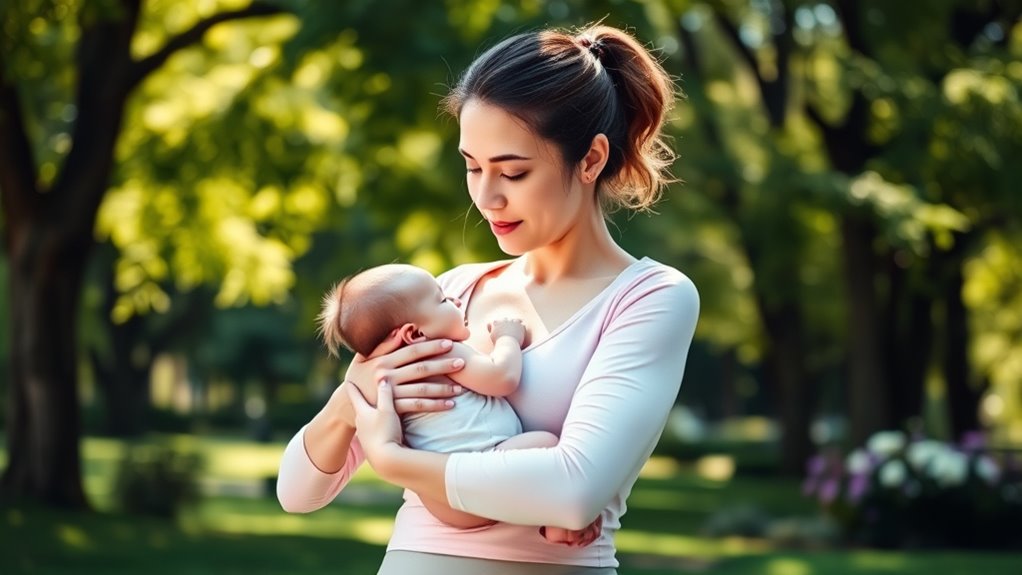
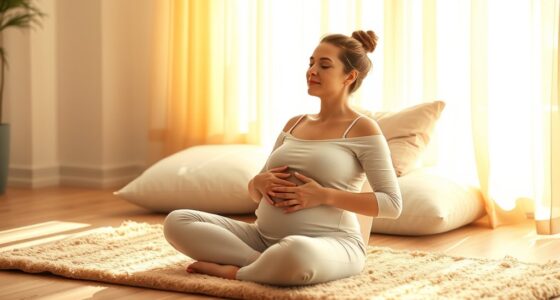
Physical activity plays a pivotal role in supporting maternal mental health, especially during the demanding period of pregnancy and postpartum. After giving birth, many women experience a range of emotional challenges, including feelings of sadness, anxiety, and fatigue. These are common symptoms associated with postpartum depression, a condition that affects many new mothers. Regular exercise can markedly reduce the risk and severity of postpartum depression by boosting your mood through the release of endorphins, known as the body’s natural feel-good chemicals. Engaging in physical activity isn’t just about physical recovery; it’s also a powerful tool for emotional resilience and mental well-being. When you incorporate exercise into your postpartum routine, it can help you regain a sense of normalcy, improve sleep, and increase energy levels—all essential for coping with the stresses of new motherhood.
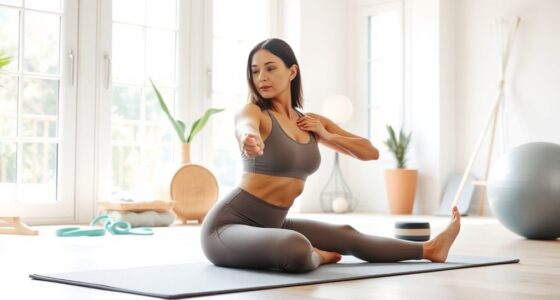
However, sticking to an exercise routine postpartum can be challenging. Exercise adherence often drops off during this period due to fatigue, time constraints, or uncertainty about how soon and what types of activity are safe. That’s why setting realistic goals and choosing activities you enjoy are fundamental. Even moderate, consistent movement like walking, gentle yoga, or postpartum-specific workouts can offer substantial mental health benefits. These activities not only help you physically recover but also foster a sense of accomplishment and control, which are crucial when managing postpartum depression symptoms. It’s important to listen to your body and gradually increase activity levels, ensuring you don’t push yourself too hard too soon. Additionally, understanding state-specific guidelines and recommendations can help you tailor your exercise routine safely and effectively. Consistency is key—making exercise a regular part of your routine can improve adherence over time, helping you sustain these mental health benefits longer.

Amazon Basics 1/2 Inch Extra Thick Exercise Yoga Mat with Carrying Strap for Home Workouts and Fitness, 74" x 24", Black
Extra thick, cushy floor mat in Black for yoga, gym, and everyday exercise
As an affiliate, we earn on qualifying purchases.
As an affiliate, we earn on qualifying purchases.
Frequently Asked Questions
How Soon After Childbirth Can I Start Exercising Safely?
You can usually start light postpartum recovery exercises within a few days after childbirth, but always follow your healthcare provider’s advice. Typically, gentle activities like walking or pelvic floor exercises are safe once you’ve healed enough, usually around 4 to 6 weeks. Stick to exercise guidelines recommended by your doctor, listen to your body, and avoid strenuous workouts until you’re fully cleared, ensuring a safe and healthy recovery.
Are There Specific Types of Exercise Best for Postpartum Mental Health?
Think of gentle yoga as a soothing balm for your postpartum mind. It’s especially effective because it strengthens your pelvic floor, boosts mood, and reduces stress. You’ll find that gentle yoga, focusing on breathing and gentle stretches, is ideal for supporting your mental health after birth. This low-impact exercise helps you reconnect with your body, creating a calming routine that lifts your spirits and promotes emotional well-being.
Can Exercise Help With Postpartum Depression Symptoms?
Exercise can definitely help with postpartum depression symptoms. It boosts hormone regulation, which lifts your mood, and increases social support when you join group activities. Regular activity releases endorphins, reducing feelings of sadness and anxiety. Plus, engaging in exercise gives you a chance to connect with others, helping you feel less isolated. So, incorporating movement into your routine can be a powerful step toward feeling better postpartum.
How Does Physical Activity Impact Sleep Quality After Birth?
Think of physical activity as a gentle tide, washing away your weariness. It boosts sleep quality by helping you fall asleep faster and enjoy deeper rest. Regular exercise also acts as a shield, reducing fatigue and leaving you more energized during the day. By moving your body, you create a cycle of sleep improvement and fatigue reduction, making each night’s rest more restorative and helping you feel more balanced in your postpartum journey.
Are There Any Risks of Exercising Too Soon Postpartum?
Exercising too soon postpartum can pose risks, especially if your pelvic floor isn’t fully healed or if you’re breastfeeding. You might experience pelvic discomfort or strain, and certain exercises could interfere with breastfeeding or cause nipple pain. It’s best to wait until your healthcare provider approves you, gradually reintroducing activities that support pelvic floor strength and considering breastfeeding considerations to ensure both your recovery and your baby’s well-being.

New Balance Women's 577 V1 Hook and Loop Walking Shoe, 100% Leather
Abzorb cushioning in the heel for exceptional shock absorption
As an affiliate, we earn on qualifying purchases.
As an affiliate, we earn on qualifying purchases.
Conclusion
So, you thought binge-watching shows and skipping workouts was the answer? Think again! Exercise isn’t just about fitting into those jeans; it’s your secret weapon against the postpartum blues. Swap the remote for some movement, and you’ll suddenly find yourself laughing more and stressing less. Who knew that a little physical activity could turn your mood around faster than your baby’s giggle? So, get moving—your mental health will thank you, and your postpartum self will thank you even more.

Pedal Resistance Band,Multifunction Adjustable Sit-up Bodybuilding Abdominal Trainer,Elastic Pull Rope Fitness Equipment for Abdomen,Waist,Leg,Arm,Home Gym Workout,Postpartum Recovery&Body Shaping
🎁【Multifunctional Full Body Workout Equipment】This pedal resistance band can effectively exercise your abdomen, waist, legs, arms, shoulders and…
As an affiliate, we earn on qualifying purchases.
As an affiliate, we earn on qualifying purchases.

Yoga for Pregnancy Collection
2-DVD box set featuring prenatal and postnatal yoga sessions
As an affiliate, we earn on qualifying purchases.
As an affiliate, we earn on qualifying purchases.