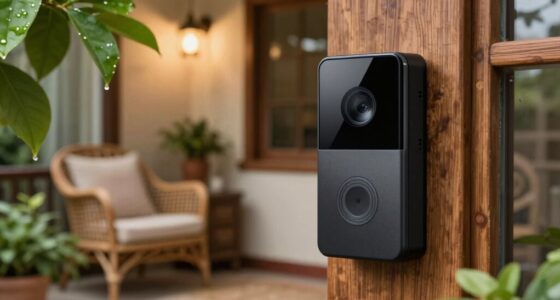

To set proper boundaries with nanny cams, you should disclose their presence openly to caregivers and visitors, explaining the camera’s purpose, location, and how footage is used. Communicate honestly and respectfully, avoiding hidden placements, and place cameras only in common areas like entrances or shared spaces—never private zones. Always comply with local laws and secure any recordings. By maintaining transparency and trust, you’ll create a safe and respectful environment—continue to learn how to balance privacy with safety effectively.
Key Takeaways
- Clearly inform caregivers and family members about camera locations, purposes, and how footage is used to ensure transparency and consent.
- Obtain explicit permission before installing cameras, especially in shared or private areas, and communicate the reasons for recording.
- Limit camera placement to common, non-private areas like entrances, avoiding bedrooms and bathrooms to respect privacy boundaries.
- Comply with local privacy laws and secure recorded footage with passwords and encryption to protect individuals’ privacy.
- Regularly review camera setup and policies, involving children when appropriate, to balance safety with respecting personal boundaries.
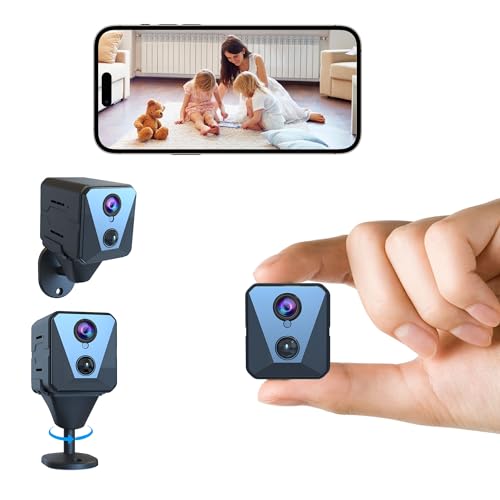
Funstorm 2025 Upgraded Security Camera, 4K HD Mini Nanny Cam for Home with Night Vision, WiFi Indoor Camera, 100 Days Long Battery Life, Motion Detection, Remote Viewing, Wireless Surveillance Cam
【Why choose us?】Newly upgraded indoor camera in 2025, 4K UHD picture quality and video quality, 100 days of…
As an affiliate, we earn on qualifying purchases.
As an affiliate, we earn on qualifying purchases.
Why Is Transparency Important When Using Nanny Cams?
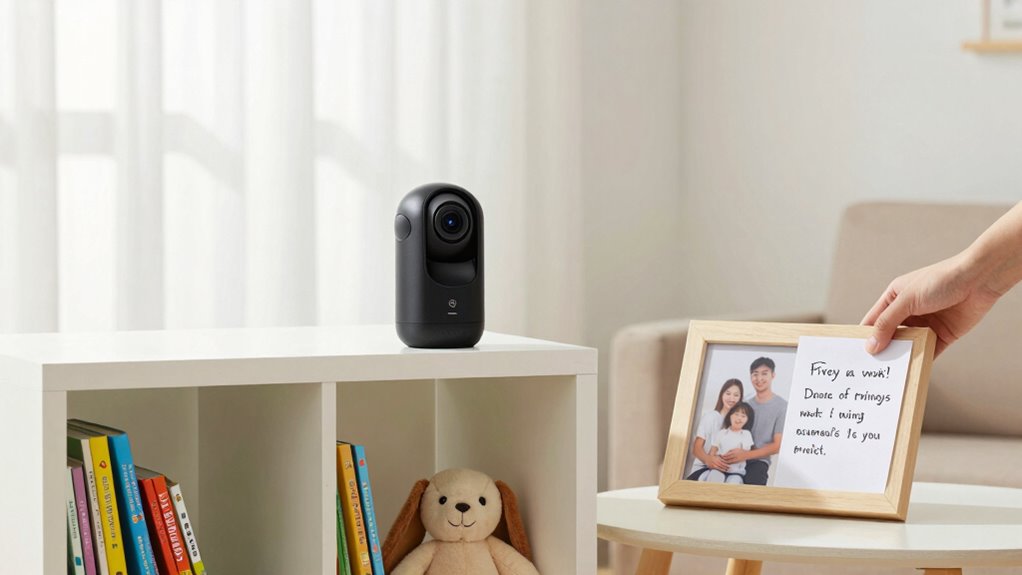
Transparency is essential when using nanny cams because it builds trust and prevents misunderstandings. Addressing privacy concerns upfront shows you’re committed to respecting everyone’s boundaries and maintaining open communication. Ethical considerations come into play when deciding where and how to place cameras—avoiding intrusive areas like bedrooms or bathrooms demonstrates respect for personal privacy. Being honest with caregivers and visitors about the presence of cameras helps foster a sense of security and fairness. It also prevents feelings of betrayal if someone discovers the cameras unexpectedly. By being transparent, you show that your intentions are rooted in safety and care, not surveillance or mistrust. Additionally, understanding privacy considerations helps ensure that any visual monitoring setup maintains clear and accurate images, promoting transparency about what is being observed. Being aware of legal regulations surrounding surveillance can help you avoid potential legal issues and uphold ethical standards. Recognizing boundary-setting as a key component of ethical surveillance further emphasizes the importance of respectful monitoring practices. This honest approach helps create a positive environment where everyone feels respected and informed, and discussing camera placement with all involved parties can help establish mutual comfort and agreement.
Funstorm 2025 Upgraded Security Camera, 4K HD Mini Nanny Cam for Home with Night Vision, WiFi Indoor Camera, 100 Days Long Battery Life, Motion Detection, Remote Viewing, Wireless Surveillance Cam
【Why choose us?】Newly upgraded indoor camera in 2025, 4K UHD picture quality and video quality, 100 days of…
As an affiliate, we earn on qualifying purchases.
As an affiliate, we earn on qualifying purchases.
What Should I Disclose About Cameras to Caregivers and Visitors?
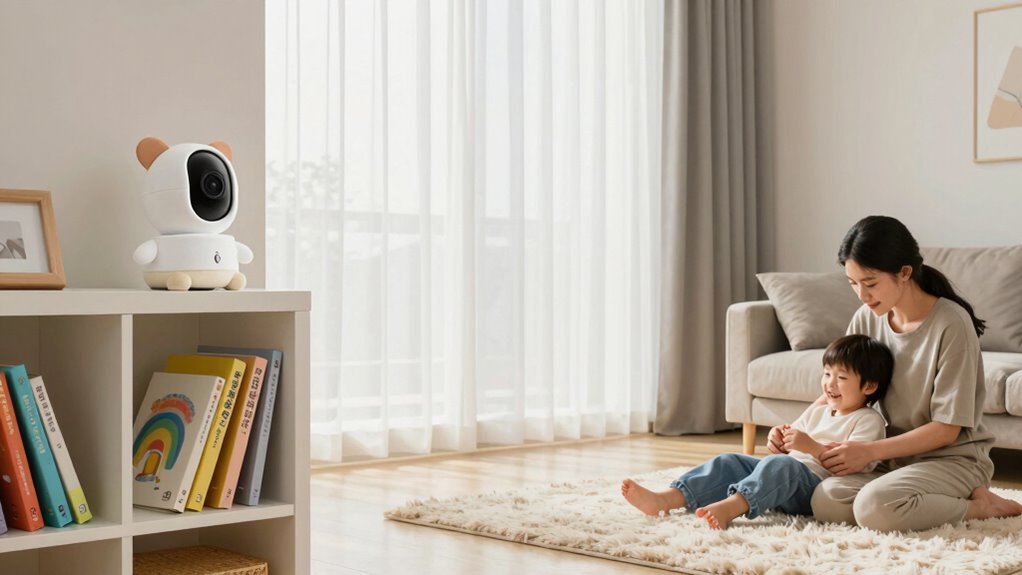
When disclosing information about cameras, it’s important to be clear about their presence, purpose, and placement. This helps build trust and ensures everyone’s comfort. You should communicate:
- The exact camera placement, so caregivers and visitors know where they are located.
- The purpose of the cameras, whether for safety, monitoring, or record-keeping.
- How the footage will be used, stored, and who has access.
- Visitor disclosure, making sure guests know cameras are active in common areas without infringing on privacy.
- Understanding privacy policies and how they relate to surveillance helps ensure compliance and respect for personal boundaries. Being transparent about these details allows caregivers and visitors to understand the boundaries and feel respected. Clear disclosure of camera placement and intentions helps prevent misunderstandings and fosters a transparent environment. Additionally, informing caregivers about surveillance laws specific to your area ensures that all practices remain legal and ethical. Recognizing regional regulations related to surveillance is essential for maintaining lawful and ethical practices in your setting. Furthermore, staying updated on ethical considerations surrounding surveillance can help balance safety with privacy rights.

ZOSI 1080P CCTV Camera Outdoor Indoor Hybrid 4 in 1 HD TVI/CVI/AHD/CVBS Home Security Cameras System,Night Vision,Waterproof Metal Housing Bullet Cam For 960H,720P,1080P,5MP,4K analog Surveillance DVR
【2MP HD 1080P 4-IN-1 Security Camera】This is 4-in-1 TVI/CVI/AHD/CVBS bullet camera. It is compatible with 960H,720P,1080P,3MP,5MP,8MP,4K HD-TVI, AHD,…
As an affiliate, we earn on qualifying purchases.
As an affiliate, we earn on qualifying purchases.
How Do I Communicate Camera Presence Clearly and Respectfully?
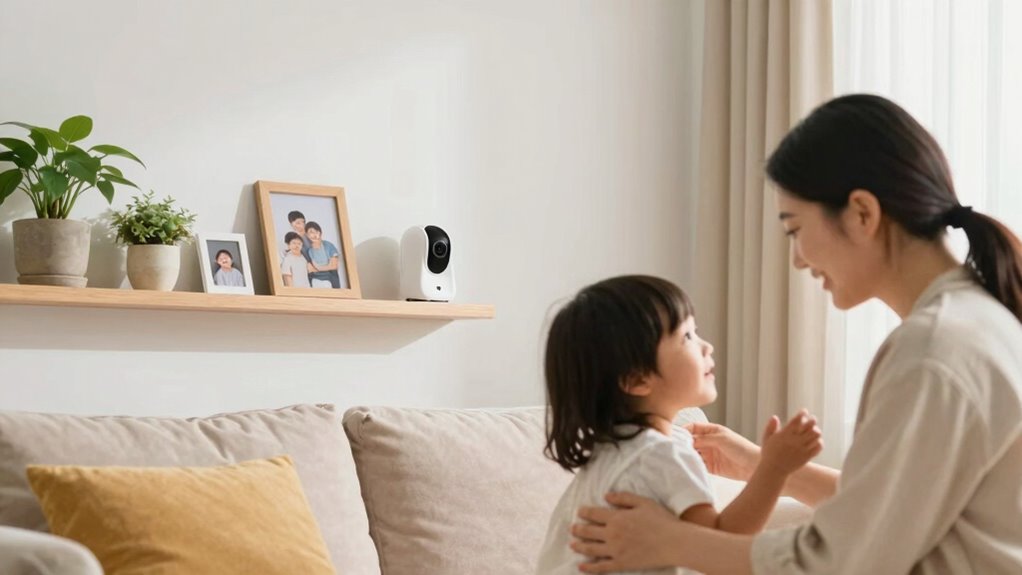
To communicate the presence of cameras clearly and respectfully, start by informing caregivers and visitors in a straightforward manner. Be transparent about where cameras are located and their purpose, which helps establish clear privacy boundaries. Use respectful communication to explain that cameras are in place for safety and accountability, not for monitoring personal moments. Avoid ambiguity by providing written notices or verbal notifications, ensuring everyone understands the boundaries and expectations. Emphasize that respecting privacy boundaries is a priority, and encourage open dialogue if anyone has concerns. By being upfront and respectful, you foster trust and prevent misunderstandings, making everyone feel comfortable and aware of camera presence without feeling their privacy is being compromised. Additionally, understanding privacy laws can help ensure your disclosures are compliant and appropriate. Clear communication about camera policies can further reinforce trust and transparency in your safety measures. Being aware of privacy policies helps you maintain a respectful environment while protecting everyone’s rights. Recognizing the impact of media on perceptions can also help in addressing any concerns or misconceptions about surveillance. Furthermore, knowing about electric dirt bikes and other related equipment can help you better explain the purpose of surveillance in various contexts.

AX NANNY CAM 2026 Upgraded 4K Hidden Camera with Night Vision,Wireless WiFi Wall Outlet Camera,Motion Detection|SD Storage Indoor Camera for Pet|Home|Office (Black)
【Hidden Camera Outlet】This outlet camera is designed to look exactly like a standard wall outlet, with a perfectly…
As an affiliate, we earn on qualifying purchases.
As an affiliate, we earn on qualifying purchases.
Where Should I Place Cameras and Which Areas Should I Monitor?
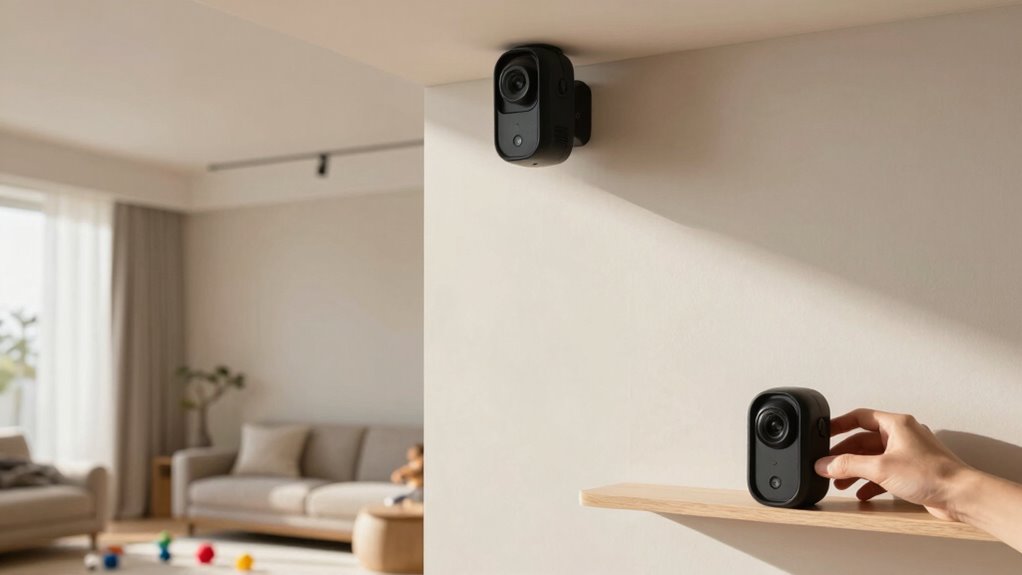
Choosing the right locations for your cameras is essential to effectively monitor your space while respecting privacy. When considering hidden camera placement, avoid areas where privacy is expected, such as bedrooms or bathrooms. Focus on common areas like living rooms or entrances. To balance safety and privacy considerations, consider these guidelines:
- Place cameras at entrances to monitor who comes and goes.
- Position cameras to cover shared living spaces without invading private zones.
- Avoid pointing cameras directly into bedrooms or bathrooms.
- Use discreet placements to prevent them from feeling intrusive or invasive.
- Remember that privacy boundaries should always be respected to maintain trust and legal compliance.
How Can I Balance Child Privacy and Safety Ethically?
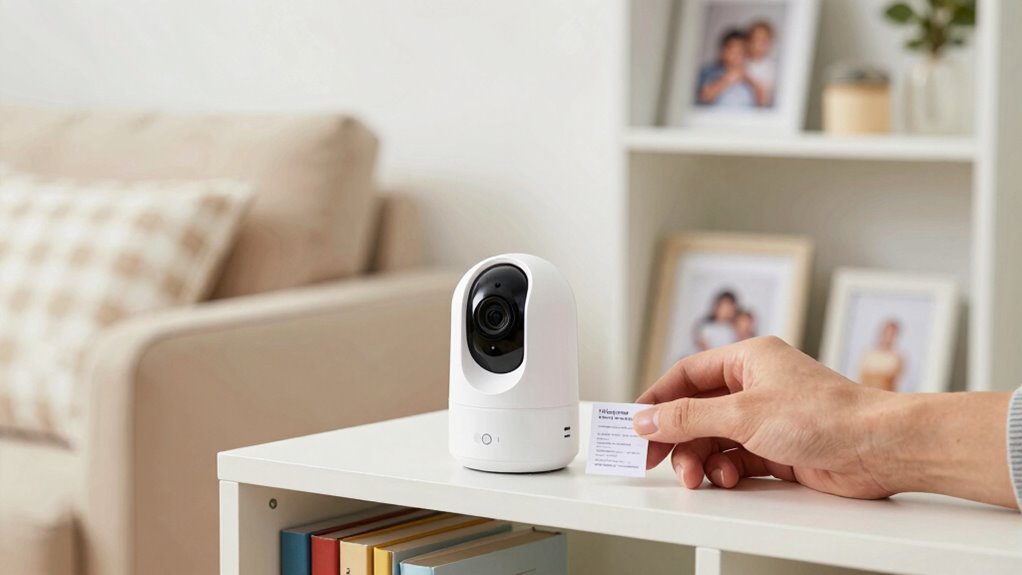
Balancing child privacy and safety ethically requires careful consideration of both their need for independence and your responsibility to protect them. You should prioritize transparent communication about your monitoring practices, helping your child understand why cameras are in place. Respect their child privacy by limiting surveillance to areas where safety concerns are genuine, avoiding intrusive monitoring. Ethical monitoring involves setting boundaries that protect without overstepping personal space. Regularly reassess your monitoring methods to ensure they remain appropriate as your child grows. Keep the focus on fostering trust while maintaining safety, and involve your child in age-appropriate conversations about privacy. By doing so, you demonstrate respect for their autonomy, creating a balanced environment rooted in care and responsibility. Understanding the importance of transparency in financial services can also serve as a reminder to be open about your reasons for monitoring, fostering trust and mutual respect. Additionally, considering privacy regulations can guide you in establishing appropriate boundaries that respect legal and ethical standards. Being aware of child development stages can help tailor your approach to their evolving understanding of privacy and safety. Incorporating self-awareness of boundaries ensures your monitoring practices remain respectful and considerate of your child’s growing independence.
What Are the Legal Rules for Using Nanny Cams and Building Trust?

Understanding the legal rules for using nanny cams is essential to building trust with your caregiver and ensuring you’re acting within the law. Privacy laws and consent procedures vary by location, so you need to be aware of local regulations. To stay compliant, consider these steps:
- Confirm whether local privacy laws permit video recording in your area.
- Obtain explicit consent from your caregiver before installing cameras.
- Clearly disclose camera locations and purposes to avoid privacy violations.
- Keep recordings secure and limit access to trusted individuals to protect everyone’s privacy.
- Be aware of cabling considerations when installing cameras to prevent technical issues or security breaches.
Frequently Asked Questions
Can I Record Audio With Nanny Cameras Without Violating Privacy Laws?
You can record audio with nanny cameras, but you must adhere to privacy laws. Laws vary by state, so check your local regulations before doing so. Generally, you need to inform everyone who might be recorded about the audio recording to stay within legal boundaries. Failing to disclose audio recording could violate privacy laws and lead to legal issues. Always prioritize transparency and ensure your recordings comply with applicable privacy regulations.
How Do I Address Concerns From Caregivers About Being Monitored?
Think of trust boundaries like a delicate dance; your caregivers need to feel comfortable. To address their concerns, you should foster open communication, explaining why monitoring is in place and listening to their feelings. Reassure them that transparency builds trust, and clarify boundaries so everyone feels respected. By doing this, you create a partnership rooted in honesty, making them more comfortable with monitoring and strengthening your relationship.
Are There Age-Specific Considerations for Camera Placement Around Children?
Yes, there are age-specific considerations for camera placement around children. For infants, position cameras at eye level to monitor safety and comfort, avoiding direct shots of their face to respect privacy. For older children, place cameras in common areas but keep them discreet to promote trust. Always prioritize child safety by avoiding blind spots and ensuring the camera doesn’t pose any hazards. Adjust placement as children grow and their activities change.
What Are the Best Practices for Updating Caregivers on Camera Use?
You should regularly update caregivers about camera placement and usage policies to guarantee transparency and trust. Clearly communicate any changes in camera placement or when new cameras are installed, emphasizing that they’re aware of where cameras are and how footage is used. Maintain open caregiver communication by inviting questions and feedback, which helps everyone feel comfortable and confident about camera use, fostering a respectful and secure environment for everyone involved.
How Can I Handle Disputes Over Camera Use Ethically and Legally?
When disputes over camera use arise, you should prioritize clear, fair communication to address concerns about privacy boundaries. Respect your caregiver’s feelings and explain your reasons for camera use transparently. Listen actively, seek common ground, and make certain everyone understands their rights. Legally, avoid hidden cameras or cameras in private spaces. Handling these disagreements openly fosters trust, ensuring both ethical standards and legal requirements are maintained.
Conclusion
By being open about your cameras, you create a transparent environment where trust can blossom like a well-tended garden. Respect your caregiver’s privacy, just as you’d want yours respected, and set clear boundaries that balance safety with dignity. Think of your home as a cozy sanctuary—cameras are the gentle guardians watching over, never intruding. When you combine honesty with respect, you nurture a relationship built on clarity and mutual understanding.