To create a safe space for your infant, focus on reducing indoor toxins by ensuring good ventilation, avoiding smoking, and choosing natural cleaning products. Use air purifiers with HEPA filters, select organic bedding and non-toxic toys, and maintain proper humidity to prevent mold. Regularly monitor indoor air quality and minimize sources like VOCs and dust. Taking these steps helps protect your baby’s developing lungs and immune system—continue to discover more ways to keep their environment truly toxin-free.
Key Takeaways
- Use natural cleaning products and avoid synthetic fragrances to minimize indoor chemical exposure.
- Ensure proper ventilation and incorporate air purifiers with HEPA filters to reduce airborne toxins.
- Select organic bedding, natural toys, and non-toxic paints to limit chemical sources in the environment.
- Maintain optimal humidity levels and eliminate indoor smoking to prevent mold and reduce airborne pollutants.
- Regularly monitor indoor air quality and implement proactive measures to create a safe, toxin-free space for infants.

Have you ever wondered how toxins in our environment impact your health and the planet? When it comes to creating a safe space for infants, understanding the role of indoor air quality and the importance of chemical-free cleaning becomes essential. Babies are especially vulnerable to airborne toxins because their lungs and immune systems are still developing. Poor indoor air quality can introduce pollutants like volatile organic compounds (VOCs), dust, mold, and pet dander, all of which can cause respiratory issues or exacerbate allergies. Ensuring good ventilation, using air purifiers, and reducing sources of pollution indoors are critical steps toward safeguarding your little one’s health.
One of the most effective ways to improve indoor air quality is to eliminate or minimize the use of chemical-based products. Conventional cleaning agents often contain harsh chemicals that release VOCs into the air, which can linger for hours or even days. These airborne toxins can irritate your infant’s delicate respiratory system and may contribute to long-term health problems. That’s why switching to chemical-free cleaning products is a smart move. You can opt for natural ingredients like vinegar, baking soda, and lemon to clean surfaces and freshen the air. Not only are these options safer, but they’re also just as effective at removing dirt and germs. Additionally, regular dusting, vacuuming with HEPA filters, and avoiding synthetic fragrances help keep indoor air cleaner.
Creating a toxin-free environment doesn’t stop with cleaning. It involves controlling sources of indoor pollution—like avoiding smoking indoors, reducing the use of synthetic air fresheners, and choosing furniture and textiles made from natural materials. Keep humidity levels in check to prevent mold growth, which can be particularly harmful to infants. Opening windows daily for fresh air exchange and using air purifiers with HEPA filters can considerably reduce airborne particulates and allergens, ensuring your baby breathes in cleaner air. Incorporating air quality monitoring devices can further help you stay aware of pollutant levels inside your home.
You also want to be mindful of the products you bring into your home. Select organic bedding, natural toys, and non-toxic paints to minimize chemical exposure. Regularly check labels and opt for items labeled as free from harmful chemicals or toxins. By making these conscious choices, you’re not only improving indoor air quality but also reducing the overall toxin load in your environment. Remember, creating a safe space for your infant is an ongoing process that involves awareness and proactive steps. Prioritizing chemical-free cleaning and maintaining good indoor air quality are foundational in protecting your child’s health now and in the future.
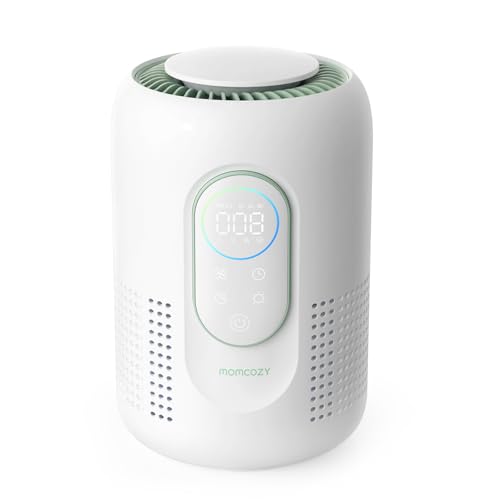
Momcozy Nursery Air Purifier, 4-Filter System with H13 HEPA & Carbon, Real-Time PM2.5 Air Quality Monitor & Display with 3-Color Status, Baby Air Purifier with 21 dB Sleep Mode, Dimmable Night Light
Quad-Layer Filtration System: Prefilter and H13 HEPA capture fine particles and pet dander, activated carbon reduces nursery and…
As an affiliate, we earn on qualifying purchases.
As an affiliate, we earn on qualifying purchases.
Frequently Asked Questions
How Can I Test My Home for Hidden Toxins Harmful to Infants?
You can test your home for hidden toxins by using DIY testing kits or hiring professional services to identify chemical contaminants. Look for testing methods that analyze air, water, and surfaces for common harmful substances like lead, pesticides, or volatile organic compounds. Confirm the kits are reputable and follow the instructions carefully. Regular testing helps you identify hazards early, creating a safer environment for your infant.
Are Natural Cleaning Products Completely Safe for Infants?
Natural cleaning products are generally safer for infants, but they aren’t magic shields—think of them as a gentle rain rather than a hurricane. Always check the labels for natural ingredients and verify they meet chemical safety standards. While they reduce exposure to harsh chemicals, it’s still wise to keep the area well-ventilated and supervise your baby during cleaning. No product guarantees absolute safety, but choosing natural options is a smart step.
What Are the Long-Term Effects of Early Toxin Exposure?
Early toxin exposure can have lasting effects, increasing neurodevelopmental risks like learning disabilities and behavioral issues. It may also impact your infant’s immune system, making them more vulnerable to illnesses later in life. These effects can persist for years, highlighting the importance of minimizing exposure from the start. By creating a safe environment, you help protect your child’s brain development and immune health, ensuring a healthier future.
How Do Indoor Air Purifiers Reduce Toxin Levels for Infants?
You can reduce toxin levels for infants by using an air purifier with effective toxin filtration methods. Regular maintenance, like changing filters on schedule, guarantees the purifier works efficiently. These devices capture airborne toxins, such as dust, pet dander, and volatile organic compounds, creating a safer environment. Proper air purifier maintenance keeps toxin filtration at its best, helping to protect your infant from harmful indoor pollutants.
Can Certain Plants Help Improve Indoor Air Quality for Babies?
A picture is worth a thousand words, so choose your plants wisely. Certain indoor plants, like snake plants and pothos, can help improve indoor air quality for babies by absorbing toxins and releasing oxygen. These plant benefits include natural air filtration, making your home safer. Just make sure to select non-toxic varieties and keep plants out of baby’s reach, turning your space into a healthier haven for your little one.

The Peanutshell 4 Piece Organic Cotton Baby Crib Bedding Set for Girls – Newborn, Infant & Toddler Nursery Bed Set Decor with Two Crib Sheets, Dust Ruffle Comforter – Wildflower
Floral Theme: Add a playful and soft touch to your toddler's or baby’s nursery with a floral theme…
As an affiliate, we earn on qualifying purchases.
As an affiliate, we earn on qualifying purchases.
Conclusion
Think of your home as a delicate garden, where each toxin is a weed threatening to choke out new growth. By creating a safe space, you’re planting seeds of safety and nurturing a future full of vibrant life. Your mindful choices act as sunshine and gentle rain, guiding your infant’s path through a lush, toxin-free landscape. With care, you’re building a sanctuary where their innocence can flourish, unburdened by harmful shadows.

Baby Rattles & Teethers Set – Baby Toys 0-6 Months, Teething Toys 3-6 Months, Sensory Toys with Soft Textures, Gentle Sounds & Easy-Grip Shape, Neutral Newborn Gift(10-Pack)
🍼【10-Piece Baby Rattles & Teethers Set】 This premium 10 baby toys set includes a variety of soft silicone…
As an affiliate, we earn on qualifying purchases.
As an affiliate, we earn on qualifying purchases.

Babyganics Toy & Highchair Cleaner, Pack of 3, Fragrance-Free Multipurpose Household Cleaning Spray for Kids Toys, High Chair, and More, Child Safe, 17oz Spray Bottles
CONVENIENT 3-PACK: Each purchase includes three (3) 17-ounce bottles of Babyganics Toy & Highchair Cleaner Spray, ensuring you…
As an affiliate, we earn on qualifying purchases.
As an affiliate, we earn on qualifying purchases.