
After you stop breastfeeding, your prolactin levels drop quickly, prompting your body to restart the menstrual cycle. As prolactin declines, your ovaries become active again, increasing estrogen and progesterone, which cause physical and emotional shifts like mood swings, fatigue, and breast tenderness. These changes typically happen within weeks to months, and full hormonal balance may take longer. Understand more about how your hormones adjust during this changeover by exploring further.
Key Takeaways
- Prolactin levels decline rapidly after weaning, signaling the end of milk production.
- Hormonal balance begins to restore within 4 to 8 weeks, allowing ovulation and menstrual cycles to resume.
- Estrogen and progesterone levels gradually increase, stabilizing mood and physical symptoms during recovery.
- Full hormonal normalization can take 3 to 6 months, sometimes up to a year, depending on individual factors.
- Regular monitoring and healthcare support can facilitate a smooth transition back to hormonal regularity.
The Role of Prolactin During Breastfeeding

Prolactin plays a crucial role in breastfeeding by stimulating milk production in the mammary glands. When your baby suckles, sensory signals are sent to your brain, prompting your pituitary gland to release more prolactin. This hormone signals the mammary glands to produce milk, ensuring a steady supply for your infant. The more your baby feeds, the more prolactin is released, maintaining milk production. Prolactin levels naturally increase during pregnancy, preparing your breasts for lactation. Even after delivery, elevated prolactin continues to support milk supply as long as breastfeeding persists. By regulating milk synthesis, prolactin helps you nourish your baby effectively, creating a essential link between hormonal signals and successful breastfeeding.
Hormonal Changes Immediately After Weaning
When you stop breastfeeding, your body’s hormonal landscape shifts rapidly. Prolactin levels drop quickly, signaling the end of milk production. This decrease triggers a cascade of hormonal changes, including a rise in gonadotropin-releasing hormone (GnRH), which stimulates your ovaries to resume normal activity. As a result, luteinizing hormone (LH) and follicle-stimulating hormone (FSH) levels increase, encouraging follicle development and ovulation. Estrogen and progesterone levels also begin to rise, preparing your body for a menstrual cycle. These hormonal shifts can cause various symptoms, such as mood swings, hot flashes, or breast tenderness. The timing and intensity of these changes vary from person to person, but the overall process marks your body’s *progression* back to its non-lactating reproductive state. Additionally, the resumption of regular hormone cycles is often associated with the re-establishment of the menstrual cycle and self-regulating hormone levels, which help maintain overall reproductive health.
Resumption of Menstrual Cycles Post-Weaning

After you stop breastfeeding, your hormonal levels begin to shift, signaling the return of your menstrual cycle. The timeline for cycle resumption varies, often taking several weeks to months depending on individual factors. Understanding these hormonal changes can help you anticipate when your periods will restart. During this transition, maintaining a vibrational mindset aligned with health and wellness can support a smoother hormonal adjustment.
Hormonal Changes Resuming
Have you ever wondered how your body shifts back to fertility after weaning? When you stop breastfeeding, your prolactin levels decrease, signaling your body to resume normal hormone production. This drop allows your ovaries to restart ovulation, leading to the rise of estrogen and progesterone. As these hormones increase, the uterine lining rebuilds, preparing for a potential pregnancy. Your hypothalamus begins releasing gonadotropin-releasing hormone (GnRH) again, which prompts the pituitary gland to produce luteinizing hormone (LH) and follicle-stimulating hormone (FSH). These hormones stimulate follicle development and ovulation. The process varies from person to person, but generally, hormonal changes gradually restore your menstrual cycle, marking the return of fertility after the period of lactational suppression. Additionally, hormonal regulation plays a crucial role in coordinating these changes to ensure fertility is restored safely.
Timeline for Cycle Return
Once prolactin levels decline following weaning, your body begins to reestablish regular hormonal patterns. The return of your menstrual cycle varies widely, typically occurring between 4 to 8 weeks after stopping breastfeeding, but it can take longer. Factors influencing this timeline include your overall health, breastfeeding frequency, and individual hormonal response. You might notice periods resuming gradually, starting with irregular cycles before normalizing. Keep in mind that some women experience a delay, especially if breastfeeding persists or was intense. Monitoring your cycle can help you understand your personal timeline. Here’s what to expect:
- Initial irregular bleeding or spotting
- Cycles becoming more predictable
- Cycle length stabilizing over time
- Full menstrual regularity returning within a few months
Additionally, hormonal fluctuations can temporarily affect your cycle’s stability during this period.
The Influence of Estrogen and Progesterone Recovery
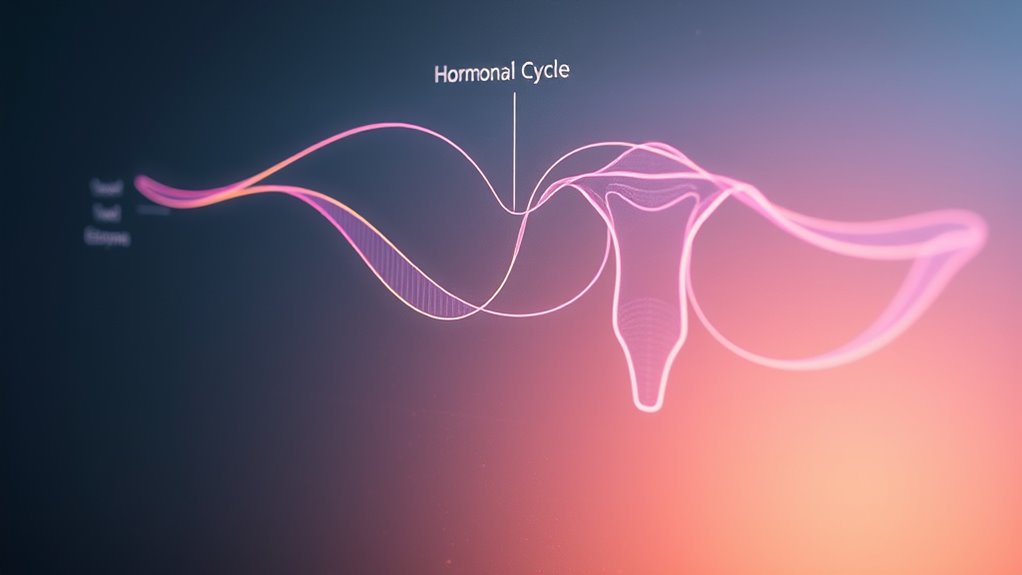
The recovery of estrogen and progesterone levels after weaning plays a crucial role in restoring normal hormonal balance and reproductive function. As your body shifts away from breastfeeding, hormone levels begin to rise, signaling your ovaries to resume regular activity. Estrogen helps rebuild the uterine lining and promotes the return of your menstrual cycle, while progesterone prepares your body for potential pregnancy. This hormonal rebound influences your mood, energy, and physical symptoms, making you feel more like yourself. The speed of recovery varies based on individual factors like breastfeeding duration and overall health. During this transition, your body works to re-establish a steady cycle, setting the stage for fertility to return and hormonal stability to be restored.
Common Physical and Emotional Symptoms During Transition
As your body adjusts to the changing hormone levels after weaning, you may notice a variety of physical and emotional symptoms. These symptoms are normal as your hormones realign.
- Mood swings or irritability: Fluctuations in prolactin and estrogen can cause emotional ups and downs.
- Fatigue: Your energy levels may dip as your body recovers from hormonal shifts.
- Breast tenderness: Residual sensitivity or discomfort might occur as milk production decreases.
- Sleep disturbances: Changes in hormone levels can disrupt your usual sleep patterns.
Additionally, some women may experience changes related to floating on water, which can help promote relaxation and reduce stress during this transitional period.
These symptoms vary in intensity and duration. Recognizing them as normal helps you manage the transition more smoothly. Remember, your body is adapting, and these signs will gradually resolve as hormone levels stabilize.
Factors That Affect Hormonal Readjustment
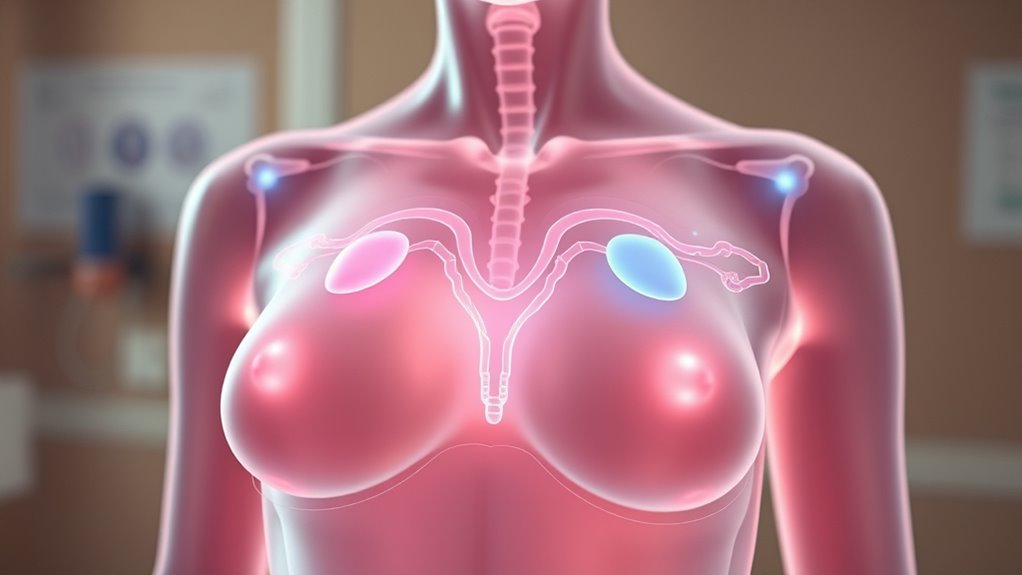
Several factors influence how quickly and smoothly your hormones readjust after weaning. Your age can play a role; younger women often recover faster due to more resilient hormonal systems. The duration and intensity of breastfeeding impact recovery—longer, more frequent nursing may prolong elevated prolactin levels, delaying hormonal balance. Your overall health, including nutrition, sleep, and stress levels, also matters; poor habits can slow down the process. Additionally, any underlying medical conditions, like thyroid issues, can interfere with hormonal readjustment. Genetics may influence how your body responds to changes after weaning. Finally, whether you experience emotional stress or physical complications during weaning can affect how swiftly your hormones stabilize. Monitoring hormone cycles and understanding their patterns can help you support a smoother transition.
Long-Term Hormonal Health After Weaning

Understanding your hormonal recovery timeline helps you anticipate when your cycles will normalize. Prolactin can have lasting effects that influence your long-term hormonal health, even after weaning. Recognizing these changes empowers you to better support your body’s ongoing balance. Additionally, hormonal safety measures are crucial in managing and monitoring your recovery process.
Hormonal Recovery Timeline
After weaning, your hormonal levels gradually begin to return to pre-pregnancy baseline, but this process can vary widely among women. Typically, you might see your menstrual cycle resume within a few weeks to several months. The timeline depends on factors like breastfeeding duration, individual hormone balance, and overall health. During recovery, your estrogen, progesterone, and prolactin levels stabilize, signaling your reproductive system is regaining regular function. Here’s what to expect:
- Menstrual cycles may restart within 6-8 weeks post-weaning.
- Hormone levels gradually normalize over 3-6 months.
- Irregular cycles are common initially but tend to stabilize.
- Full hormonal balance may take up to a year, especially if breastfeeding was prolonged.
- Incorporating protective styling methods like crochet styles for locs can support hair health during hormonal fluctuations.
Stay attentive to your body, and consult your healthcare provider if recovery seems delayed.
Prolactin’s Long-Term Effects
Prolactin’s long-term effects on hormonal health can influence your body’s ability to maintain balance well after you stop breastfeeding. Elevated prolactin levels during nursing can temporarily suppress ovulation, but long-term, high prolactin may disrupt your normal hormone cycles. Persistent elevated prolactin can lead to irregular periods or even amenorrhea, affecting your fertility and overall hormonal harmony. It may also influence your mood, energy, and bone health over time. Additionally, understanding regional flavors and traditions can enhance your appreciation of local culinary experiences. However, for most women, prolactin levels gradually normalize after weaning, restoring hormonal balance. Monitoring prolactin levels and working with your healthcare provider ensures any lingering effects are addressed, helping your body recover and regain its natural rhythm post-weaning.
Frequently Asked Questions
How Long Does It Take for Prolactin Levels to Normalize After Weaning?
You’re wondering how long prolactin levels take to normalize after weaning. Typically, it can take a few weeks to a couple of months for prolactin to return to pre-pregnancy levels. Your body adjusts based on how long you nursed and individual factors. During this time, hormone levels stabilize, and your menstrual cycle may resume. Keep in mind that everyone’s recovery timeline varies slightly.
Can Breastfeeding Affect the Timing of Menstrual Cycle Resumption?
Imagine your menstrual cycle as a train waiting at the station, ready to depart. Breastfeeding acts like a barrier, sometimes delaying the train’s departure because it keeps hormone levels, like prolactin, elevated. This can postpone the resumption of your period, especially if you’re breastfeeding frequently or exclusively. Every woman’s body reacts differently, so while some notice a delay, others see their cycle return sooner.
Are Hormonal Imbalances Common After Stopping Breastfeeding?
Hormonal imbalances can be common after stopping breastfeeding, especially as your body adjusts to the change. You might notice irregular periods, mood swings, or other symptoms as your hormone levels stabilize. Your body is working to restore its normal cycle, which can take a few weeks to several months. Stay patient and consult your healthcare provider if you experience prolonged or severe symptoms.
What Lifestyle Factors Influence Hormonal Recovery Postpartum?
Imagine your body as a garden, needing care to bloom again. Postpartum, your lifestyle choices play a crucial role in hormonal recovery. Prioritize quality sleep to help reset your body’s rhythm, nourish yourself with balanced foods to support hormone production, and manage stress through relaxation techniques. Regular gentle exercise can boost mood and hormone balance. Avoid excessive caffeine and alcohol, and stay hydrated. These habits help your body restore harmony naturally.
How Does Early Weaning Impact Long-Term Reproductive Health?
Early weaning can affect your long-term reproductive health by disrupting hormonal balance and delaying the return of regular cycles. When you wean early, your body might produce less prolactin, which influences ovulation and fertility. This could lead to irregular periods or challenges conceiving later. However, individual responses vary, so maintaining a healthy lifestyle and consulting your healthcare provider can help support your reproductive health after early weaning.
Conclusion
So, after all that hormonal rollercoaster, you might think your body’s done with surprises. But don’t be surprised if your cycle takes a little longer to settle or if emotions still run high—you’re not alone. Irony, isn’t it? You wean, and suddenly your hormones decide it’s showtime again. Just remember, patience is key, and your body’s resilience is pretty remarkable—even if it doesn’t always feel that way.