
TL;DR

Turn the school run and nap time into listening time
- Thousands of audiobooks, podcasts and originals
- Listen on your phone, tablet or Echo — also offline
- Cancel anytime
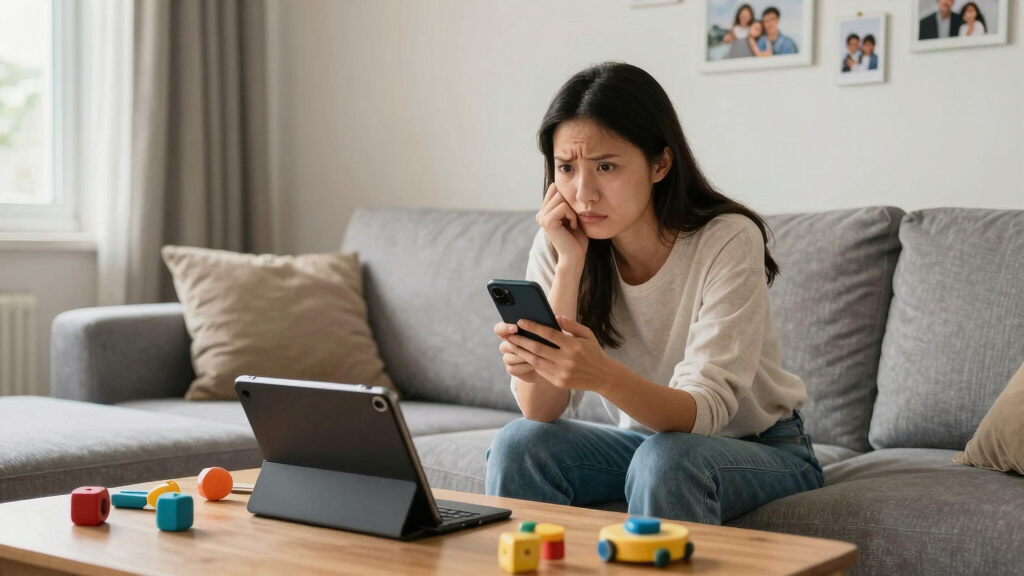
Many parents find current screen time advice for children confusing due to conflicting recommendations from health authorities and experts. This confusion impacts how they manage their kids’ device use, with some feeling unsure about what is safe and appropriate.
Many parents are experiencing confusion over the appropriate amount of screen time for their children, as conflicting advice from health authorities, pediatric experts, and media sources creates uncertainty. This development matters because it influences parental decisions on device use, potentially affecting children’s health and development.
Multiple organizations, including the American Academy of Pediatrics and the World Health Organization, have issued guidelines on children’s screen time, but their recommendations vary. For example, the WHO suggests limiting screen time to one hour for children aged 2-4, while the AAP emphasizes a balanced approach without strict time limits. These differing guidelines, coupled with evolving research on digital media’s impact, contribute to parental confusion.
Recent surveys indicate that a significant proportion of parents feel unsure about what constitutes a ‘healthy’ amount of screen time. A study conducted by the Pew Research Center found that 65% of parents report feeling confused by the conflicting advice they receive. Many express concern about the potential effects of excessive screen time, including impacts on sleep, attention, and social skills, but also worry about being too restrictive.
Implications of Conflicting Screen Time Advice for Families
This confusion can lead to inconsistent parenting practices, with some parents imposing strict limits while others are more permissive. Such variability may affect children’s health outcomes, including sleep quality, physical activity, and social development. It also increases parental stress, as caregivers struggle to navigate conflicting messages and trusted sources.
children's tablet with parental controls
As an affiliate, we earn on qualifying purchases.
As an affiliate, we earn on qualifying purchases.
Evolving Research and Guidelines on Children’s Screen Use
Over the past decade, research on digital media’s effects on children has grown, but findings remain mixed. Early concerns about screen time’s impact on attention span, sleep, and behavior prompted guidelines advocating strict limits. However, recent studies suggest that content quality, context, and parental involvement are equally important factors. This has led to a shift from strict time limits to more nuanced advice, which can be confusing for parents trying to interpret these messages.
Additionally, guidelines are frequently updated as new research emerges, further complicating parental understanding. The COVID-19 pandemic also increased screen use among children, prompting authorities to revisit recommendations amid changing circumstances.
“Parents are overwhelmed by the conflicting advice, which makes it difficult to set consistent, healthy boundaries for their children’s screen use.”
— Dr. Lisa Miller, pediatrician
educational kids' screen time timer
As an affiliate, we earn on qualifying purchases.
As an affiliate, we earn on qualifying purchases.
Unclear Impact of Screen Time on Child Development
While guidelines differ, the precise long-term effects of various screen time levels remain under study. Researchers continue to investigate how content type, context, and individual child factors influence outcomes, leaving some aspects of safe use uncertain.
As an affiliate, we earn on qualifying purchases.
Ongoing Research and Clarification of Guidelines
Experts expect future updates to guidelines as new evidence emerges. Additionally, organizations are working to produce clearer, more consistent advice for parents, emphasizing content quality and parental involvement alongside time limits. Parents are advised to stay informed through trusted health sources and consult pediatricians for personalized guidance.
child-friendly digital media device
As an affiliate, we earn on qualifying purchases.
As an affiliate, we earn on qualifying purchases.
Key Questions
Why do different health organizations give different screen time recommendations?
Different organizations base their guidelines on varying interpretations of research, age groups, and emphasis on content quality versus time limits. As new evidence emerges, recommendations may evolve, leading to discrepancies.
How can I determine what’s best for my child’s screen use?
Consult trusted pediatric sources, consider your child’s individual needs, and focus on content quality, parental involvement, and balanced activities beyond screen time. Regularly discuss with your child’s healthcare provider.
Does screen time affect children’s sleep and attention?
Research suggests excessive screen time, especially before bed, can disrupt sleep and attention span, but effects vary based on content and context. More studies are ongoing to clarify these impacts.
Should I restrict all screen use for my young children?
Most experts recommend moderation and supervision rather than complete restriction, especially for very young children. Focus on age-appropriate content and active parental engagement.
Source: rss
Halloween Picks
halloween
As an affiliate, we earn on qualifying purchases.