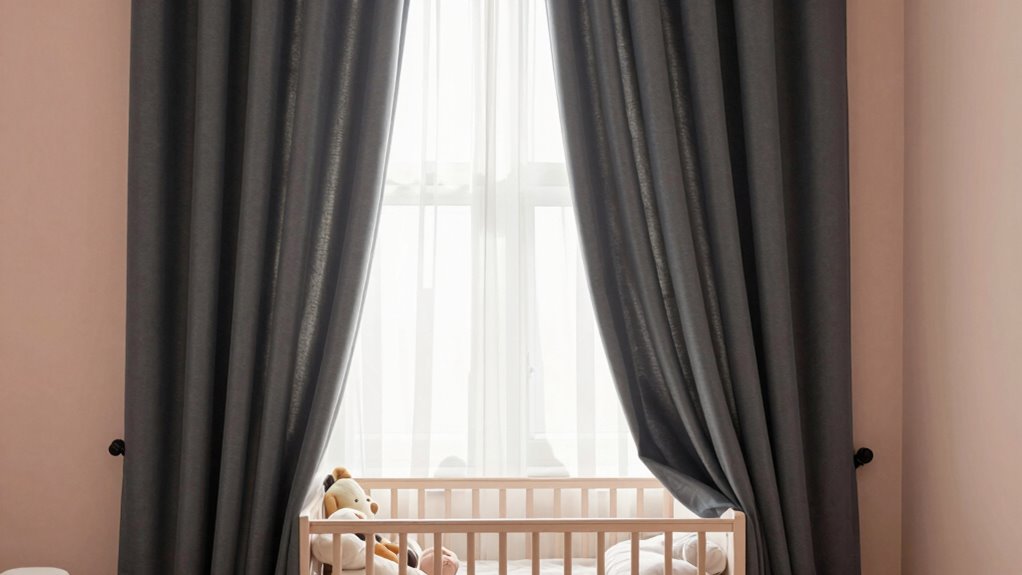
Blackout curtains can help your baby sleep longer and more peacefully by creating a dark, quiet environment that mimics nighttime. They support healthy sleep patterns by blocking sunlight, which aids in developing circadian rhythms. However, overusing them or installing unsafe materials may pose safety risks and limit natural light exposure during the day. To guarantee you’re making the best choice, exploring the science behind light and sleep will give you clearer guidance.
Key Takeaways
- Blackout curtains create a dark environment that enhances sleep quality and duration for babies.
- Proper use balances darkness during sleep with exposure to natural light during the day to support circadian development.
- Safe installation and child-proofing are essential to prevent hazards like choking or injury.
- Excessive darkness may hinder natural circadian cues if not combined with daytime light exposure.
- Selecting safe, durable fabrics and ensuring secure mounting maximizes benefits and minimizes risks.
Do Blackout Curtains Help Baby Sleep Better?
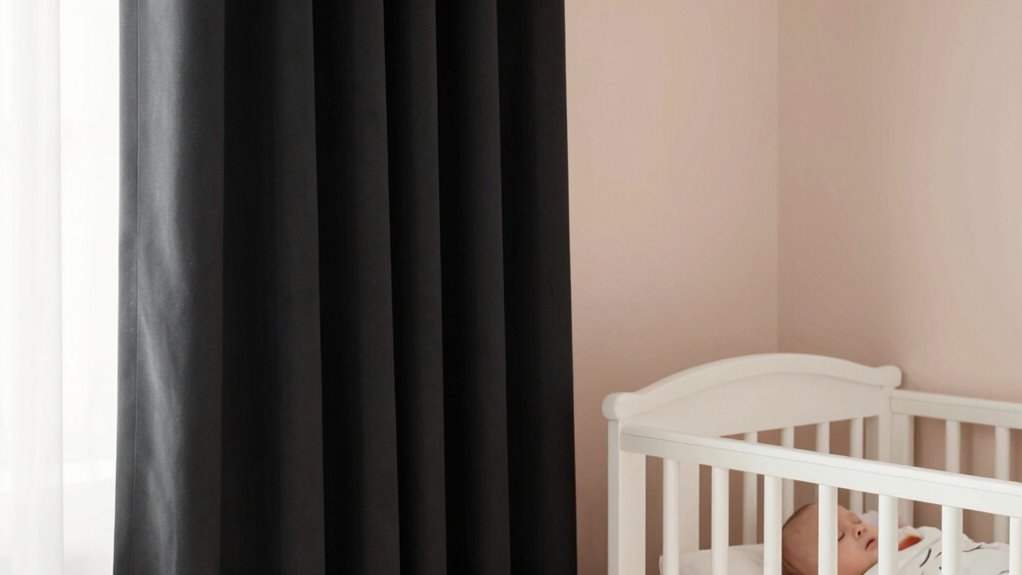
Blackout curtains can substantially improve your baby’s sleep quality by creating a dark, quiet environment that mimics nighttime conditions. This helps regulate their internal clock and promotes longer, more restful sleep. When choosing nursery decoration, blackout curtains are a practical addition that also serve as soundproofing techniques, reducing outside noise disruptions. This peaceful atmosphere minimizes your baby’s chances of waking up prematurely. By blocking out sunlight and streetlights, you help your little one stay asleep during daytime naps and early mornings. Properly installed blackout curtains also contribute to a calming nursery ambiance, making it easier for your baby to settle down. Additionally, requirements traceability ensures that the curtains meet safety standards and quality benchmarks. Overall, they’re a simple, effective way to enhance sleep quality without complex soundproofing measures.
What Science Says About Light and Infant Sleep

Scientific research shows that light exposure directly influences an infant’s sleep patterns by affecting their circadian rhythms. Proper light management helps your baby develop healthy sleep-wake cycles, which is essential for their growth. Light therapy, often used for sleep issues in infants, demonstrates how controlling light exposure can promote better sleep. During sleep training, exposure to natural light during the day and darkness at night helps reinforce routines and signals to your baby when to sleep and wake. Darkness cues the production of melatonin, the hormone that promotes sleep, making blackout curtains a helpful tool. Understanding the impact of light on sleep can help you create an environment that supports your baby’s natural rhythms, leading to more restful nights for your little one. Additionally, controlling light exposure can prevent disruptions in their sleep patterns, promoting overall health and development. Recognizing the role of circadian rhythms in infant sleep underscores the importance of light management strategies like blackout curtains. Moreover, light management techniques are backed by scientific evidence that highlights their effectiveness in establishing consistent sleep routines.
Are There Risks or Downsides to Using Blackout Curtains for Babies?

While blackout curtains can improve sleep, they might also cause sleep disruption if your baby becomes overly dependent on complete darkness. Overexposure to darkness could affect their ability to adjust to different lighting environments. Additionally, there’s a risk of safety hazards if curtains are not properly installed or pose choking concerns. Some parents consider light regulation methods like bike generators to create a more flexible sleep environment. Incorporating Free Floating concepts such as adjustable lighting solutions can help balance darkness and visibility, reducing potential dependency issues. Understanding privacy policies related to smart lighting devices can also help ensure a safe and informed environment for your baby.
Sleep Disruption Concerns
Although blackout curtains can help create a dark, calming environment for your baby’s sleep, some parents worry about potential downsides. One concern is that blocking out natural light might also limit awareness of environmental cues, possibly disrupting your baby’s sleep patterns. Additionally, blackout curtains can sometimes amplify nighttime noise, making it harder for your baby to stay asleep if the room isn’t well insulated. You should also monitor room temperature, as blackout curtains can trap heat or cold, affecting your baby’s comfort. If the room becomes too warm or too cold, it could lead to sleep disruptions. To maximize their benefits, consider using soundproofing techniques alongside blackout curtains to reduce noise disturbances. Proper room ventilation can also help maintain a comfortable temperature and prevent stuffiness. Research suggests that temperature regulation plays a crucial role in infant sleep quality. It is also beneficial to choose curtains made from breathable fabrics that promote airflow and comfort. Incorporating appropriate insulation can further help maintain a consistent room temperature, supporting better sleep. While blackout curtains generally promote better sleep, staying attentive to these factors helps ensure they support, rather than hinder, your baby’s restful nights.
Overexposure to Darkness
Using blackout curtains can substantially improve your baby’s sleep environment, but it’s important to contemplate potential drawbacks of prolonged darkness. Excessive darkness might lead to overexposure to darkness, which can impact your baby’s natural circadian rhythms. In areas with light pollution, blackout curtains help reduce external light, but if used constantly without exposure to natural light during the day, your baby’s internal clock could become disrupted. This disruption might affect their ability to differentiate between day and night, potentially causing sleep issues later on. While blackout curtains are effective at creating a consistent sleep environment, balance is key. Ensuring your baby still experiences natural light during the day helps regulate their internal clock and promotes healthy sleep patterns. Additionally, incorporating accessibility features like timed lighting can help maintain a healthy circadian rhythm even with blackout curtains in place. Moreover, understanding the impact of light exposure on sleep development can guide better decisions about curtain use and light management. Regular exposure to natural light during the day is crucial for circadian rhythm regulation and overall well-being. Furthermore, being aware of light management strategies can assist in creating an optimal sleep environment for your baby. Incorporating appropriate light exposure during daylight hours can mitigate potential risks associated with prolonged darkness.
Potential Safety Hazards
Blackout curtains can create a safer sleep environment for your baby, but they also pose potential safety hazards you should consider. Improper curtain installation or choosing drapery aesthetics that aren’t child-safe can lead to accidents. For example, heavy or poorly secured curtains might fall or be pulled down, posing a risk of injury. Additionally, long cords or ties can become strangulation hazards if not properly managed. To further enhance safety, consider studio dividers that are specifically designed for child-proofing spaces. Ensuring the curtains are properly secured and free of dangling cords can significantly reduce the risk of accidents and make blackout curtains a safer choice.
How Blackout Curtains Impact Your Baby’s Sleep Environment
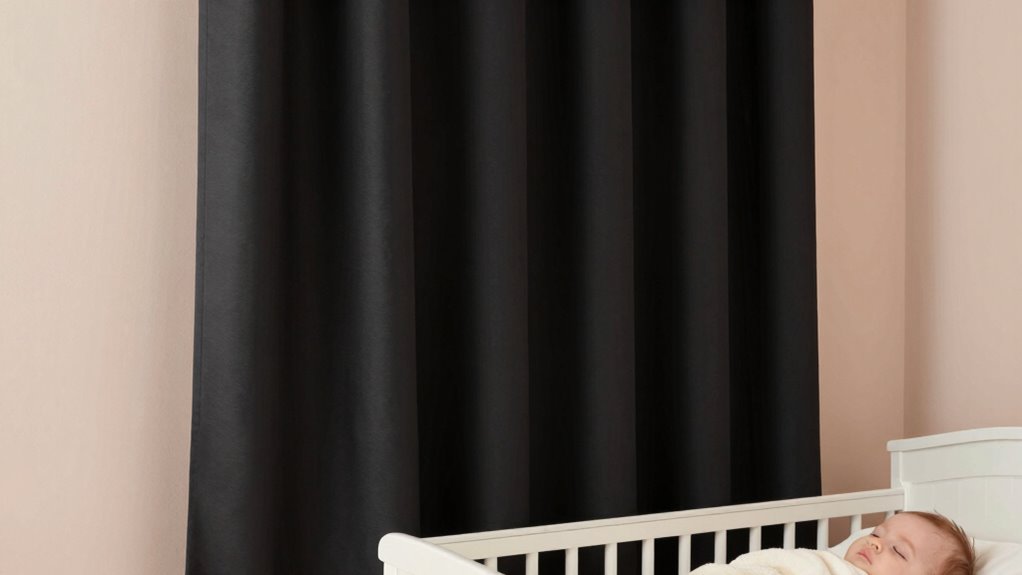
Blackout curtains substantially enhance your baby’s sleep environment by controlling natural light and reducing external disturbances. They create a darker, calmer space that encourages longer, more restful sleep. When selecting blackout curtains, consider these key points:
Blackout curtains improve your baby’s sleep by blocking light and reducing disturbances for a calmer, more restful environment.
- Nursery decor: Choose colors and patterns that complement your nursery decor, making the space cozy and inviting.
- Window safety: Ensure curtains are securely installed and cords are out of reach to prevent accidents.
- Light control: Use curtains that effectively block sunlight during daytime naps and early mornings, helping your baby develop consistent sleep habits.
Can Blackout Curtains Disrupt Your Baby’s Circadian Rhythm?

Blackout curtains are great at blocking light, but they can also affect your baby’s natural sleep patterns. If they prevent your baby from seeing natural light during the day, it might disrupt their sleep-wake cycle. This could lead to challenges in establishing consistent sleep rhythms over time.
Light Blocking Effects
While blackout curtains are effective at blocking out light, they can sometimes interfere with your baby’s circadian rhythm if used improperly. Too much darkness during daytime naps might make your baby think it’s nighttime, delaying wake-up cues. To prevent this, consider these points:
- Make sure the room isn’t completely silent; gentle daytime noise helps signal wakefulness.
- Keep the room temperature comfortable, as overly warm or cold spaces can affect sleep quality.
- Use curtains that block light but allow some ambient sounds or soft music to create a balanced environment.
Sleep-Wake Cycle Disruption
Although blackout curtains can create a dark environment ideal for naps and nighttime sleep, using them improperly during the day may disrupt your baby’s natural sleep-wake cycle. Babies rely on light exposure to set their circadian rhythm, which helps regulate sleep and alertness. If blackout curtains block all light during the day, your baby may miss important cues that signal wakefulness, leading to a confused or delayed sleep schedule. This disruption can make it harder for your baby to develop a consistent sleep pattern. To support healthy circadian rhythm development, it’s best to use blackout curtains only during sleep times and allow natural light into the room during the day. Proper light exposure is essential for maintaining a balanced sleep-wake cycle.
Safe Ways to Use Blackout Curtains for Baby Sleep
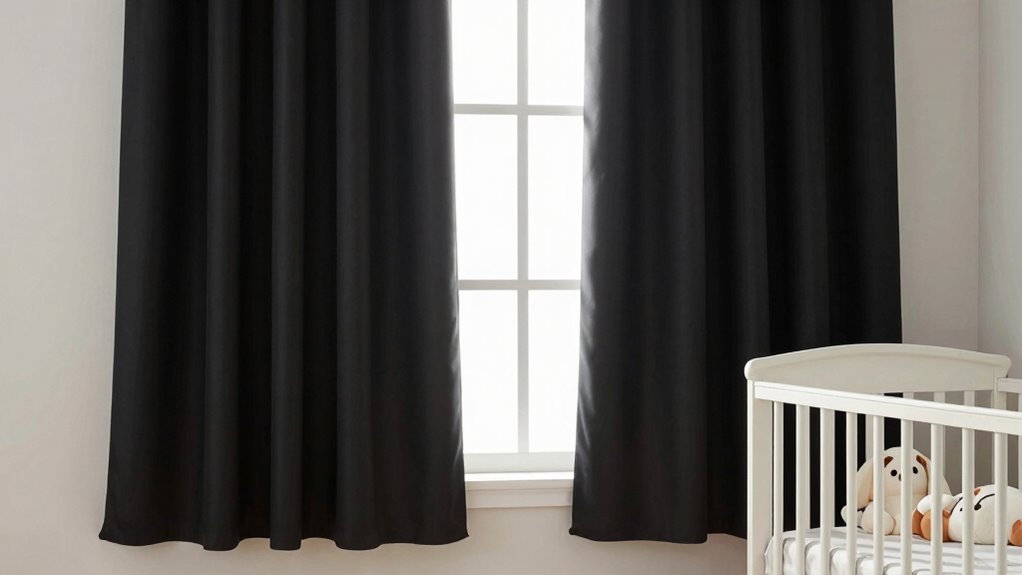
To guarantee your baby’s safety while using blackout curtains, it’s important to install them correctly and choose the right materials. First, ensure they are securely mounted without loose cords or strings that could pose a strangulation risk. Second, opt for curtains made from flame-retardant, non-toxic fabrics to prevent potential hazards. Third, monitor your baby’s napping routines and adjust room temperature to maintain comfort, as blackout curtains help create a consistent sleep environment. Keep windows out of reach to avoid accidental pulling. Regularly check for wear and tear. Proper installation and careful material selection help ascertain your baby sleeps safely and comfortably, supporting healthy sleep patterns without unnecessary risks.
Alternatives to Blackout Curtains to Promote Baby Sleep

If blackout curtains aren’t suitable for your nursery, several alternatives can help promote restful sleep for your baby. You might consider using light-filtering window treatments, such as honeycomb shades or blackout blinds with adjustable slats, to control light levels without complete darkness. Blackout window film is another option, providing darkness without bulky curtains. Additionally, creating a consistent sleep environment through sleep training techniques can help your baby associate darkness with sleep, regardless of outside light. Using a sleep soother, like a white noise machine, can further enhance the environment. These options allow you to tailor the room’s lighting to your baby’s needs, supporting healthy sleep habits without the potential downsides of blackout curtains.
Choosing the Right Blackout Curtains for Your Nursery

When selecting blackout curtains for your nursery, consider the fabric material to guarantee safety and durability. You’ll want curtains that effectively block out light while also fitting comfortably into your space. Pay attention to the light blocking capabilities to make sure your baby’s sleep stays undisturbed during daytime naps and early mornings.
Fabric Material Choices
- Polyester – Known for its durability and resistance to wrinkles, it maintains its appearance over time.
- Cotton blends – Offer a soft look, blending comfort with sturdiness, ideal for a cozy nursery.
- Velvet – Provides a luxurious feel and excellent blackout qualities, enhancing aesthetic appeal while being durable.
Your choice should balance longevity with style, ensuring the curtains stay functional and visually pleasing throughout your baby’s growth.
Light Blocking Effectiveness
Choosing the right blackout curtains for your nursery depends heavily on their ability to block out light effectively. You want curtains that create a dark environment, helping your baby sleep longer and more peacefully. Look for options with a high light blocking rating, such as those with tightly woven fabrics or specialized blackout linings. Keep in mind that some curtains may be more effective but could affect your room aesthetics, so choose styles and colors that complement your nursery decor. Cost considerations also matter; higher-quality blackout curtains may cost more but often last longer and provide better light control. Ultimately, selecting curtains that balance light blocking performance with your aesthetic preferences and budget will help create an ideal sleep environment for your little one.
Common Mistakes to Avoid When Using Blackout Curtains

Using blackout curtains improperly can undermine their effectiveness and even pose safety risks. First, avoid choosing curtains that don’t fit your window treatments properly; gaps reduce light blockage and compromise sleep. Second, don’t ignore safety; opt for cordless or securely mounted curtains to prevent choking hazards for your baby. Third, steer clear of distracting nursery decor that interferes with the curtains’ placement or operation. Guarantee curtains are installed at the right height and aren’t loose or frayed, which can cause accidents. Keep in mind that well-chosen blackout curtains enhance sleep, but only if they’re installed correctly and safely. Proper use helps your nursery stay dark and cozy, supporting restful sleep without creating hazards.
Should You Rely Solely on Blackout Curtains or Combine Sleep Strategies?
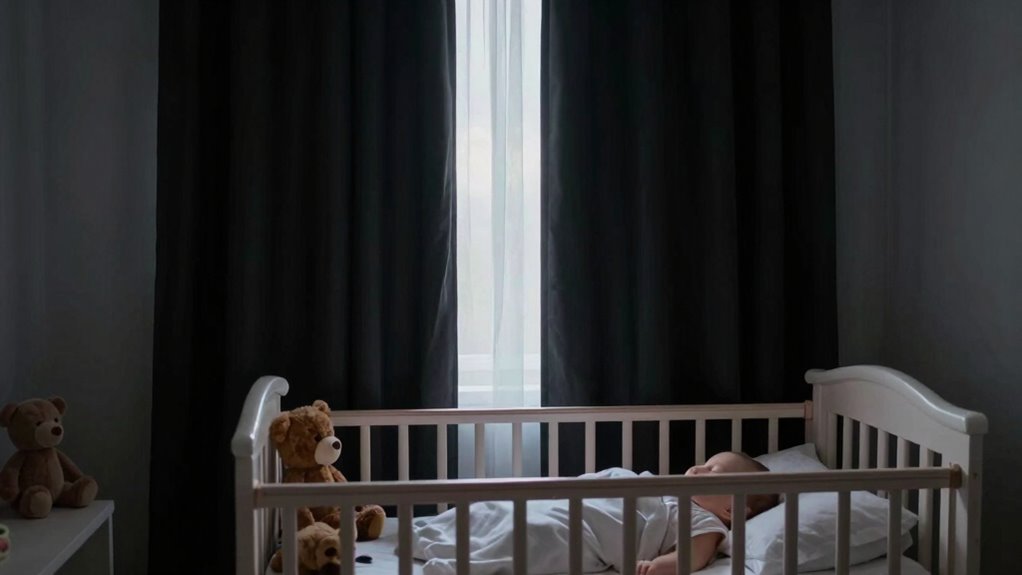
Blackout curtains can substantially improve your baby’s sleep environment, but relying on them alone might not be enough for consistent rest. Incorporating blackout curtains into your nursery decor helps create a dark, calming space, but combining this with other sleep strategies is more effective. Relying solely on window treatments may overlook factors like bedtime routines, consistent schedules, and soothing sounds. Sleep is complex, so integrating multiple approaches—such as a bedtime routine, white noise, and proper lighting—supports better rest. Using blackout curtains as part of a holistic sleep plan ensures your baby benefits from ideal conditions while addressing other needs. This combined approach promotes longer, more restorative sleep, helping both your little one and you feel more refreshed.
Frequently Asked Questions
Can Blackout Curtains Cause Overheating in a Baby’s Nursery?
Blackout curtains can cause overheating in your baby’s nursery if they trap too much heat due to their thermal insulation properties. While they excel at light blocking, they may also prevent heat from escaping, especially in warmer weather. To prevent overheating, make certain of proper ventilation and choose curtains with breathable fabrics. Monitoring room temperature regularly helps keep the environment safe and comfortable for your baby.
Are There Specific Materials Best Suited for Blackout Curtains for Babies?
Like selecting the armor for a knight, you need durable, safe fabric for your baby’s blackout curtains. Opt for materials like tightly woven polyester or cotton blends, which offer excellent fabric safety and durability. These fabrics resist tearing, fading, and are easy to clean, ensuring long-lasting protection. Avoid flimsy or synthetic fabrics with harsh chemicals. Your choice helps create a safe, cozy environment, shielding your little one from light and noise effectively.
How Do Blackout Curtains Compare to Window Blinds for Infant Sleep?
Blackout curtains provide better light control and privacy compared to window blinds for infant sleep. They block out almost all outside light, creating a darker environment that helps your baby sleep longer and more peacefully. Blinds may let in stray light and offer less privacy. With blackout curtains, you get a consistent, cozy sleep space, making them a more effective choice to promote restful naps and nighttime sleep for your little one.
Do Blackout Curtains Help With Nap Times During Daytime?
Yes, blackout curtains substantially improve nap time benefits by creating a dark environment, which helps your baby sleep better during daytime sleep. They block out sunlight and reduce visual distractions, making it easier for your little one to settle down and stay asleep longer. This consistent, calm setting can lead to more restful naps and better overall sleep patterns, supporting your baby’s health and development.
What Are Safe Installation Tips to Prevent Accidents With Blackout Curtains?
Think of your baby’s safety as a delicate thread you must carefully manage. To prevent accidents, guarantee curtain cords are out of reach—use cord safety devices or tie them up securely. Keep curtain length properly adjusted—shorter curtains reduce risk of pulling or entanglement. Regularly check that all hardware is secure and cords are tucked away, turning your home into a safe haven where your little one can explore freely without hazards.
Conclusion
Ultimately, whether blackout curtains help your baby sleep better depends on your unique situation. While they can create a cozy, dark environment, over-relying on them might interfere with your little one’s natural rhythms. Sometimes, a simple coincidence—the quiet of a nap or the gentle fade of evening light—can do more than any curtain. Trust your instincts, combine strategies, and remember, the right sleep environment is a personal harmony, not just a blackout curtain.