

TL;DR
Many couples face disagreements about having children. This article examines strategies for couples to navigate this sensitive issue, emphasizing communication and mutual understanding.
Many couples confront disagreements about whether to have children, with one partner desiring parenthood and the other not. This issue can create significant relationship tension, but experts say open communication and mutual respect are key to finding common ground.
Research indicates that disagreements over having children are common among couples, with studies showing that about 20-30% of relationships experience conflicting desires regarding parenthood. Relationship counselors recommend that couples approach this sensitive topic with honesty, patience, and active listening. Strategies include exploring underlying reasons for each partner’s stance, considering compromise options, and seeking professional guidance if necessary. While some couples reach agreements or mutually decide against parenthood, others may face ongoing conflict, which can impact relationship satisfaction and stability.
Experts emphasize that understanding each other’s perspectives and values is crucial. For example, some partners may fear losing personal freedom or have concerns about parenting responsibilities, while others may see parenthood as essential to their identity or life goals. Recognizing these motivations helps couples navigate their differences constructively. It is also advised that couples avoid pressuring each other and instead focus on shared values and future plans, whether or not they align on having children.
The Impact of Unresolved Parenthood Conflicts on Relationships
Disagreements over having children can lead to long-term relationship strain or breakup if not addressed effectively. Understanding how to communicate and negotiate these differences is vital for relationship health, especially as societal norms evolve and more couples delay or reconsider parenthood. This issue affects emotional well-being, relationship satisfaction, and future planning, making it a significant concern for many couples and counselors alike.

Love More, Fight Less: Communication Skills Every Couple Needs: A Relationship Workbook for Couples
As an affiliate, we earn on qualifying purchases.
As an affiliate, we earn on qualifying purchases.
Prevalence and Challenges of Parenthood Disagreements
Research shows that conflicts about having children are among the most common sources of relationship strain. A 2022 study published in the Journal of Family Psychology found that about 25% of couples experience significant disagreement on this issue. Historically, societal expectations often pressured couples into parenthood, but changing social norms have increased acceptance of diverse relationship choices. Despite this, many couples struggle with communication barriers and emotional conflicts related to their differing desires about children, which can persist over time if not properly addressed.
“Open, honest conversations are essential for couples navigating disagreements about having children. It’s important to understand each other’s core values and fears.”
— Dr. Lisa Carter, relationship psychologist

Couples Therapy Workbook: Strategies to Connect, Restore Love and Trust, Improve Communication Intimacy and Validation: A Relationship Workbook for Couples
As an affiliate, we earn on qualifying purchases.
As an affiliate, we earn on qualifying purchases.
Unresolved Questions About Long-Term Outcomes
It is not yet clear how many couples ultimately find lasting solutions or decide to separate due to differing desires about children. Long-term data on the effectiveness of various negotiation strategies remains limited, and individual circumstances vary widely. Researchers continue to study how these conflicts impact relationship longevity and mental health over time.
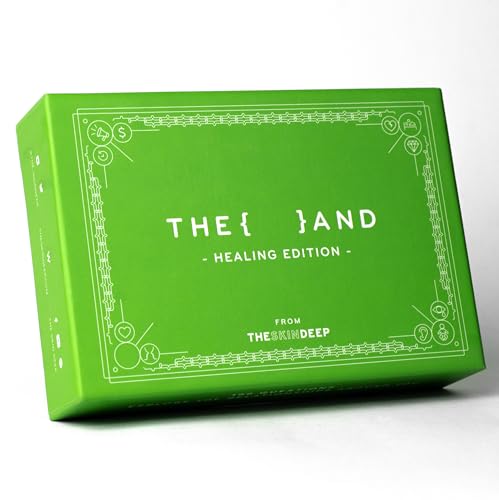
{THE AND} Healing Edition – 199 Question Cards to Heal Strained Relationships – Reconnect by Understanding & Releasing Hurt Feelings – Couple Card Game to Have Difficult Conversations By The Skin Deep
- Game for Healing Relationships: Releases hurt feelings and reconnects
- Facilitates Effective Communication: Provides a safe space for expression
- Promotes Reconnection and Healing: Breaks down barriers and mends relationships
As an affiliate, we earn on qualifying purchases.
As an affiliate, we earn on qualifying purchases.
Future Directions in Counseling and Relationship Support
Experts suggest that more couples will seek professional counseling to navigate their differences about parenthood. Future research aims to identify which communication strategies are most effective and how societal shifts influence individual choices. Additionally, relationship programs may increasingly incorporate modules on handling major life disagreements, including those about children.

Couples Conflict Resolution Workbook: Stop Fighting. Communicate Better. Solve Problems as a Team. (Relationship Skills Series)
As an affiliate, we earn on qualifying purchases.
As an affiliate, we earn on qualifying purchases.
Key Questions
Can couples with differing desires about children stay together?
Yes, many couples successfully navigate this issue through open communication, mutual respect, and compromise. However, some may find the disagreement insurmountable, leading to separation.
What are effective ways to discuss this sensitive topic?
Approaching the conversation with honesty, active listening, and empathy is crucial. Exploring underlying motivations and fears helps build understanding and find common ground.
Should couples seek counseling for this issue?
Many experts recommend counseling to facilitate productive discussions and develop strategies for managing disagreements about parenthood.
Is it possible to change one’s mind about having children?
While some individuals change their views over time, this is not guaranteed. Ongoing dialogue and reflection can influence perspectives, but respect for each other’s core values remains essential.
Source: rss