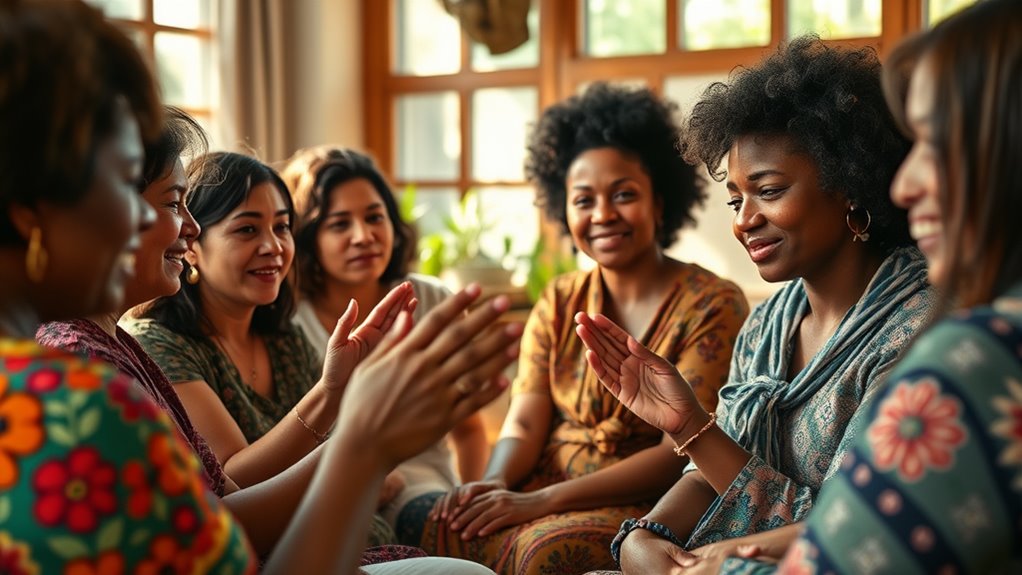

Sharing your birth experiences through storytelling and images helps you connect with others who’ve faced similar journeys. You’ll find comfort and validation in expressing your emotions, which strengthens emotional well-being. Your stories can inspire, reassure, and build a sense of community, encouraging open conversations about challenges and triumphs. When you share authentically, you help normalize childbirth and foster support. Keep exploring how storytelling amplifies your impact and creates meaningful connections—you’ll discover how powerful your story truly is.
Key Takeaways
- Sharing birth stories fosters emotional healing and validation for new parents.
- Birth photography creates authentic visual stories that deepen emotional connections.
- Sharing experiences builds community, reducing feelings of isolation among new parents.
- Combining words and images offers comprehensive narratives that inspire and empower others.
- Open storytelling encourages dialogue, support-seeking, and celebrates resilience in the birthing journey.
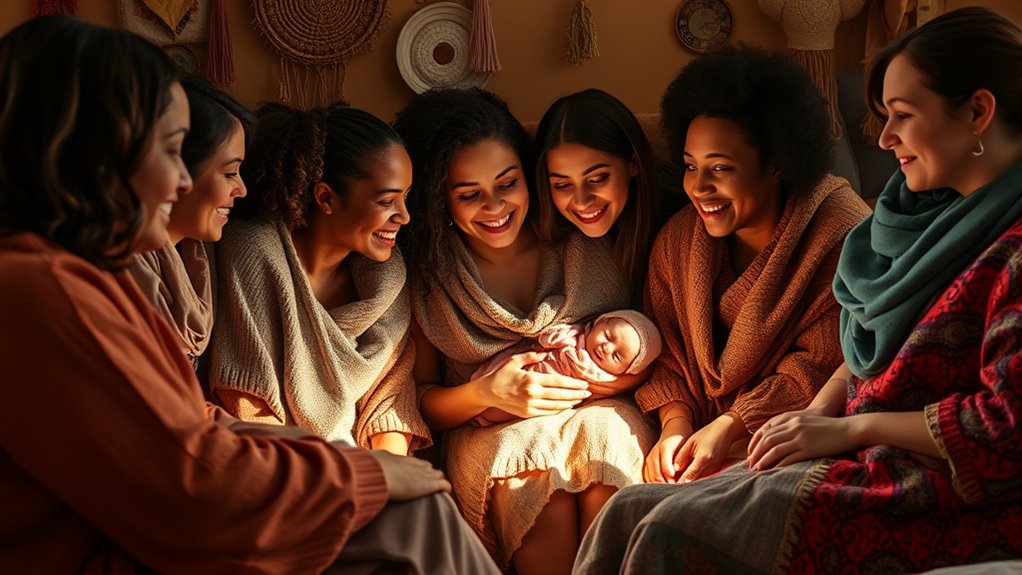
Sharing your birth experiences can be a powerful way to process your journey and connect with others. When you open up about your story, you not only validate your feelings but also create a space for others to share their own experiences. This act of storytelling fosters community and reminds you that you’re not alone in what can sometimes feel like a solitary path. It can also be an essential part of postpartum support, helping you navigate the emotional ups and downs that come after giving birth. When you talk openly about your birth story, you may find comfort in knowing others have faced similar challenges, fears, and triumphs. This shared understanding can be a lifeline, providing reassurance and encouragement when you need it most.
Incorporating birth photography into your storytelling can deepen this sense of connection. Photos captured during your birth can serve as visual narratives, bringing your story to life in compelling ways. They allow you to relive those powerful moments and share them authentically with friends, family, or even online communities. Birth photography isn’t just about beautiful images; it’s about preserving raw emotion, strength, and vulnerability. When you share these photographs alongside your story, it humanizes the experience and invites others to see the depth of your journey. Many new parents find that these images help them process their feelings and celebrate their resilience, making storytelling more impactful. Recognizing the significance of birth photography can enhance your storytelling by creating a vivid and meaningful narrative.
Additionally, sharing your birth story can inspire other parents who are still preparing for their own journeys. Your honesty about the realities of childbirth, including the challenges and unexpected twists, can demystify the process and foster trust. It creates a space where questions are welcomed, and fears are acknowledged. As you share, you might also discover new ways to seek postpartum support, whether through local groups, online forums, or professional resources. Your openness can encourage others to seek help, reinforcing that asking for support is a sign of strength, not weakness.
Finally, remember that storytelling is a personal act, and there’s no right or wrong way to do it. Whether you write a detailed account, share a few photos, or participate in a community event, what matters most is that you feel heard and understood. Your birth story—told through words or images—becomes part of a larger tapestry of shared experiences that build community, provide comfort, and celebrate the incredible journey of bringing new life into the world.

Cartoons Puppy Dog Paw Theme Photography Backdrops Kids Boys Birthday Party Banner Photo Background Newborn Baby Shower Candy Cake Table Decor Photobooth Props 5x3ft Vinyl
- Material: Polyester, seamless, tearproof, lightweight
- Size: 5×3 ft with high-resolution print
- Color: Bright vivid digital printing
As an affiliate, we earn on qualifying purchases.
As an affiliate, we earn on qualifying purchases.
Frequently Asked Questions
How Can Storytelling Improve Postpartum Mental Health?
Storytelling can considerably improve your postpartum mental health by fostering emotional healing and empathy development. When you share your birth experiences, you process complex feelings and reduce isolation. Listening to others’ stories helps you feel understood and less alone in your journey. This mutual empathy builds a supportive community, encouraging healing and resilience. Ultimately, storytelling empowers you to embrace your postpartum experience with compassion and strength.
What Are the Best Ways to Support Others Sharing Birth Stories?
Ever wonder how you can truly support someone sharing their birth story? You support them best by cultivating empathy and sharpening your listening skills. Offer genuine attention, avoid judgment, and acknowledge their feelings. Do you realize that simply being present and validating their experience can foster healing? Your active listening creates a safe space, empowering them to share openly and build community through understanding and compassion.
How Do Cultural Differences Influence Birth Storytelling?
Cultural differences shape how you share birth stories, influenced by cultural narratives and tradition preservation. You might find some cultures emphasize communal sharing and respect for ancestral practices, while others prioritize individual experiences. Recognizing these differences helps you appreciate diverse storytelling styles and meanings. By respecting cultural narratives, you foster inclusivity, ensuring your storytelling honors tradition and creates a richer, more connected community where everyone feels valued and understood.
Can Sharing Birth Stories Help Prepare Future Parents?
Sharing birth stories acts like a lighthouse, guiding you through the stormy seas of parenthood. It helps build emotional resilience and peer connection, showing you you’re not alone. By hearing others’ experiences, you gain practical insights and emotional strength, easing anxieties about what’s ahead. This shared wisdom prepares you mentally and emotionally, making the journey smoother and more confident, turning collective stories into a powerful toolkit for future parents.
What Are Common Challenges in Sharing Personal Birth Experiences?
You might face challenges like emotional vulnerability, where sharing personal birth stories feels exposing or overwhelming. Privacy concerns can also arise, making you hesitant to reveal details you prefer to keep private. Balancing honesty with sensitivity is tricky, and you may worry about judgment or misinterpretation. These challenges require careful thought, but overcoming them can foster genuine connections and understanding within your community.
As an affiliate, we earn on qualifying purchases.
Conclusion
Sharing your birth story is like planting a seed that grows into a strong, supportive community. When you open up, you create connections and remind others they’re not alone in their journey. Your experience can inspire, comfort, and empower others, just like a lighthouse guiding ships through darkness. So, don’t hesitate to share your story—it’s a powerful way to build bonds and turn individual moments into collective strength.
As an affiliate, we earn on qualifying purchases.
As an affiliate, we earn on qualifying purchases.