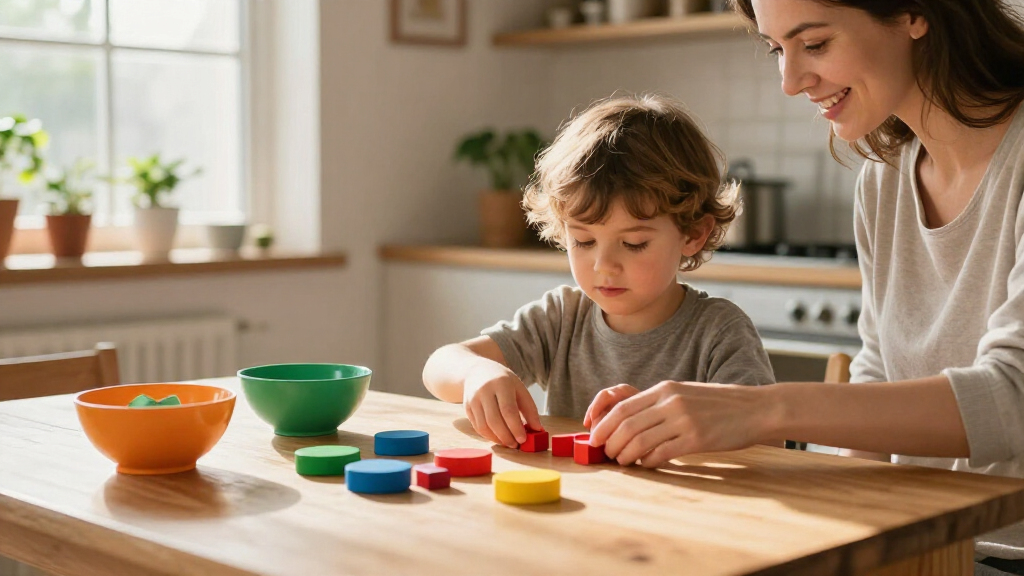

For the best color matching games, I’d start with Ravensburger Colorino for simple early color recognition, while Hues and Cues stands out for creative family play and Raccoon Rumpus adds a playful board-game format. The options differ sharply: toddler sorting toys build hands-on recognition, while card-and-ring challenges favor speed, dexterity, and head-to-head rounds. Some sets offer more varied activities, but may take longer to explain or need closer supervision with young children. My ranking weighs age fit, clarity of play, replay potential, and practical setup rather than treating every colorful product as the same kind of game. Read on for the full breakdown and help choosing the right style for your players.

Turn the school run and nap time into listening time
- Thousands of audiobooks, podcasts and originals
- Listen on your phone, tablet or Echo — also offline
- Cancel anytime
Complete the kit


Key Takeaways
- Ravensburger Colorino is the clearest early-learning pick in this lineup because its color-recognition focus is more direct than the broader sorting-and-counting toys.
- Hues and Cues offers a different kind of color play: players communicate through clues, making it a better fit for families seeking conversation and interpretation than toddler practice.
- Two-player ring-and-card sets dominate the quick-competition options, but their similar formats make component quality, storage, and included challenge materials more useful differentiators than the name alone.
- Montessori sorting toys favor open-ended practice over structured rounds; buyers should choose them for hands-on matching and fine-motor play, not expect the pace of a conventional board game.
- The strongest choice depends on age and play style: simpler visual matching suits beginners, while clue-based or timed challenges work better when players can follow rules and compare results.
| Montessori Animal Color Sorting and Counting Toy Set |  | Best for Preschool Color Sorting | Brand: Skrtuan | Recommended age: 36 months–6 years | Set contents: 36 animals, 6 sorting bowls, 2 tweezers | VIEW LATEST PRICE | See Our Full Breakdown |
| 4-in-1 Wooden Montessori Color Sorting Toy |  | Best for Activity Variety | Brand: MTTIERY | Material: Natural wood | Pieces: 22 | VIEW LATEST PRICE | See Our Full Breakdown |
| Minoskia Color Matching Challenge Game, 2-Pack |  | Best for Flexible Group Play | Brand: Minoskia | Model: 207-94D | Number of games: 2 | VIEW LATEST PRICE | See Our Full Breakdown |
| Ravensburger Colorino Color Recognition Game for Ages 2+ |  | Best for First-Time Color Matching | Age range: 2 years and up | Players: 1–4 | Play time: 15 minutes | VIEW LATEST PRICE | See Our Full Breakdown |
| Wooden Color Matching and Stacking Game for Kids and Adults |  | Best for Intergenerational Game Nights | Material: Natural wood | Finish: Water-based paint | Game type: Color matching and stacking | VIEW LATEST PRICE | See Our Full Breakdown |
| FLLOBE Color Challenge Game Set, 2 Pack |  | Best for Flexible Solo or Head-to-Head Play | Brand: FLLOBE | Model: SCDD002 | Recommended age: 6 years and up | VIEW LATEST PRICE | See Our Full Breakdown |
| MUONE Montessori Color-Sorting Busy Book for Toddlers |  | Best for Early Color Learning | Brand: MUONE | Recommended age: 36 months–6 years | Colors: 12 | VIEW LATEST PRICE | See Our Full Breakdown |
| Hues and Cues Color Guessing Board Game |  | Best for Parties and Conversation | Brand: USAopoly | Players: 3 to 10 | Age range: 8 years and up | VIEW LATEST PRICE | See Our Full Breakdown |
| Color Challenge Game 2-Pack with 100 Cards, 120 Rings, Bell, and Storage Bag |  | Best for Two-Player Skill Levels | Brand: Hcusus | Players: 2 | Minimum age: 6 years | VIEW LATEST PRICE | See Our Full Breakdown |
| Montessori Animal Color Sorting and Counting Toy Set |  | Best for Sorting with Extra Learning Skills | Brand: FQKIOMY | Age range: 3 years and up | Piece count: 44 | VIEW LATEST PRICE | See Our Full Breakdown |
| Rumexeng Color Match Challenge Game, Wooden Ring Stacking Puzzle, 2-Pack |  | Best for Older Puzzle Fans | Brand: Rumexeng | Material: Wood | Package quantity: 2 games | VIEW LATEST PRICE | See Our Full Breakdown |
| LLESSOO Color Challenge Game, 2-Player Set |  | Best for Quick Head-to-Head Rounds | Brand: LLESSOO | Model: SCDD002 | Recommended age: 6 years and up | VIEW LATEST PRICE | See Our Full Breakdown |
| Raccoon Rumpus Board Game |  | Best for Preschool Color Learning | Age range: 36 months–6 years | Players: 2 to 4 | Included components: 4 raccoon cards, 20 costume cards, jumbo color die, jumbo costume die, game guide | VIEW LATEST PRICE | See Our Full Breakdown |
| Askemio Giant Color Matching Game, 2-Player Set, 2 Pack |  | Best for Easy-to-Grip Pieces | Brand: Askemio | Model: 207-95 | Players: 2 | VIEW LATEST PRICE | See Our Full Breakdown |
| iuuoi Color Matching Challenge Game, 2-Pack |  | Best for Short, Portable Play | Brand: iuuoi | Model: 207-94B | Pack size: 2 | VIEW LATEST PRICE | See Our Full Breakdown |
| color matching game | Brand | Material | Included components | Recommended age |
|---|---|---|---|---|
| Montessori Animal Color Sortin | Skrtuan | Rubber | — | 36 months–6 years |
| 4-in-1 Wooden Montessori Color | MTTIERY | Natural wood | — | 12 months to 3 years |
| Minoskia Color Matching Challe | Minoskia | Plastic | — | 3 years and up |
| Ravensburger Colorino Color Re | — | Plastic | 40 pegs in 6 colors, 6 double-sided motif boards (12 designs), transparent pegboard, instructions in 7 languages | — |
| Wooden Color Matching and Stac | — | Natural wood | — | — |
| FLLOBE Color Challenge Game Se | FLLOBE | — | Bell, storage bag, instructions | 6 years and up |
| MUONE Montessori Color-Sorting | MUONE | Thick, tear-resistant cardboard | Sticker book and hook-and-loop fastener | 36 months–6 years |
| Hues and Cues Color Guessing B | USAopoly | — | Game board, 100 color cards, 30 player pieces, rulebook, scoring frame | — |
| Color Challenge Game 2-Pack wi | Hcusus | — | — | — |
| Montessori Animal Color Sortin | FQKIOMY | Listed as plastic; description also calls animals rubber | 2 tweezers and 6 sorting cups | — |
| Rumexeng Color Match Challenge | Rumexeng | Wood | — | 14 years and up |
| LLESSOO Color Challenge Game | LLESSOO | — | 2 stack racks, 120 colored rings, 1 bell, 1 storage bag, quick-start guide | 6 years and up |
| Raccoon Rumpus Board Game | — | Paper and plastic | 4 raccoon cards, 20 costume cards, jumbo color die, jumbo costume die, game guide | — |
| Askemio Giant Color Matching G | Askemio | Plastic | 2 bases, 2 storage bags, 50 double-sided challenge cards, 80 colorful rings | 3 years and up |
| iuuoi Color Matching Challenge | iuuoi | Plastic | 50 double-sided challenge cards, 2 bases, 12 pillars, 80 rings, connectors, manual | — |
More Details on Our Top Picks
Montessori Animal Color Sorting and Counting Toy Set
Animal-themed sorting makes this set a strong fit for preschoolers who learn colors through handling and grouping objects. Children can sort 36 forest animals into six bowls, compare groups, and count pieces; the included tweezers add a fine-motor challenge that a peg-based game like Ravensburger Colorino does not emphasize as much. Washable rubber pieces also suit play that may get messy.
The tradeoff is that this is more of an open-ended learning activity than a turn-taking color-matching game. Its activities are aimed at younger children, and the small pieces call for supervision. Compared with the 4-in-1 Wooden Montessori Color Sorting Toy, this set offers more repeated animal pieces and counting practice, while the wooden option has a broader mix of sorting formats and a travel bag.
Pros:- 36 animals and six bowls support repeated color grouping and counting
- Tweezers add a fine-motor task beyond basic matching
- Washable rubber pieces suit hands-on play
- Combines color recognition, comparison, and counting
Cons:- Small pieces require adult supervision for young children
- Activities are primarily aimed at preschool-level play
Best for: Preschool families looking for hands-on color sorting that also practices counting and tweezer control.
Not ideal for: Buyers seeking a competitive, rule-based game for older children, or caregivers who want to avoid small pieces during unsupervised play.
- Brand:Skrtuan
- Recommended age:36 months–6 years
- Set contents:36 animals, 6 sorting bowls, 2 tweezers
- Material:Rubber
- Unit count:36
- Play activities:Sorting, counting, color recognition, and comparison
Our verdict“Choose this set for preschool color sorting and counting practice, not for structured competition or older-player challenges.”
4-in-1 Wooden Montessori Color Sorting Toy
Four sorting formats give this wooden set a wider activity mix than the animal-and-bowl approach of the Montessori Animal Color Sorting and Counting Toy Set. Lids, colorful sticks, shape sticks, and discs let toddlers practice matching through different kinds of placement, which can help keep short play sessions varied. The drawstring canvas bag is a practical advantage for families who want to pack the pieces away or take them along.
This is a developmental sorting toy rather than a shared challenge game, so it suits guided solo play better than group competition. Its listed age range is 12 months to 3 years, while the title also mentions ages 2 to 4; that mismatch may leave buyers unsure when the activities will fit. Compared with Ravensburger Colorino, it offers more piece types but lacks Colorino’s clear picture-board matching format.
Pros:- Four sorting formats provide variety within one set
- Wooden pieces support hands-on color and shape matching
- Smooth, rounded edges and non-toxic paint are specified
- Drawstring canvas bag helps keep pieces together during travel
Cons:- The stated age range conflicts with the title’s ages 2 to 4
- No player count or structured turn-taking format is listed
- More focused on sorting than color-matching competition
Best for: Caregivers of toddlers who want several hands-on sorting activities in one portable set.
Not ideal for: Buyers who need a clearly defined age recommendation or want a picture-based matching game with straightforward rules.
- Brand:MTTIERY
- Material:Natural wood
- Pieces:22
- Included items:4 types of lids, 8 colorful sticks, 8 popsicle sticks, 5 shape sticks, 5 discs, drawstring canvas bag
- Recommended age:12 months to 3 years
- Set name:4-in-1
- Manufacturer part number:Yhhy-btsg-4pcs
Our verdict“Pick this for toddler activity variety and portability, but choose Colorino for a more defined picture-matching game.”
Minoskia Color Matching Challenge Game, 2-Pack
Multiple play modes make this two-game set the most adaptable group option among these five picks. Players can match rings to pattern cards alone, cooperate, race against a timer, or form teams, so the same core color task can shift from practice to friendly competition. The 2-pack also gives groups a way to play side by side, unlike Ravensburger Colorino, which centers on one pegboard and picture boards.
The compact 5.5 × 2.5-inch dimensions help explain the portable tabletop format, but they also limit the playing area and may feel cramped for some players. It is designed for indoor use, and the product data does not specify how many pattern cards are included. Compared with the open-ended Montessori Animal Color Sorting and Counting Toy Set, this is more clearly a game, though it offers less counting and exploratory sorting.
Pros:- Two games support side-by-side or shared play
- Solo, cooperative, timed, and team modes offer varied challenges
- Pattern-card matching gives play a clear goal
- Compact dimensions suit tabletop use
Cons:- Indoor-only use limits where it can be played
- Small dimensions may restrict the playing area
- Pattern-card quantity is not specified
Best for: Families or small groups with children ages 3 and up who want both cooperative and competitive color-matching modes.
Not ideal for: Buyers who need an outdoor game, a larger tabletop setup, or detailed information about the card supply.
- Brand:Minoskia
- Model:207-94D
- Number of games:2
- Players:2–4
- Recommended age:3 years and up
- Material:Plastic
- Dimensions:5.5 × 2.5 in
- Usage:Indoor
Our verdict“Choose this for flexible group challenges in a small indoor setup, rather than open-ended sorting or large-format play.”
Ravensburger Colorino Color Recognition Game for Ages 2+
Large, easy-to-handle pegs and simple picture matching make Colorino the clearest starting point here for young children learning basic colors. Its six colors and double-sided boards offer 12 designs, giving children a visible target without requiring the faster responses of the Minoskia Color Matching Challenge Game. The transparent pegboard lets a child build directly over a motif, connecting color recognition with simple placement and creative play.
Colorino supports one to four players and lists a 15-minute play time, so it can work for short shared sessions as well as solo practice. Its main limit is its narrow age focus: it is designed primarily for ages 2 to 5, with less challenge for older children than the timed and team modes in Minoskia. Compared with the 4-in-1 Wooden Montessori Color Sorting Toy, Colorino has fewer kinds of sorting pieces but a more explicit picture-based matching task.
Pros:- Large pegs are easy for young children to handle
- Six colors provide a focused introduction to color recognition
- Six double-sided boards offer 12 picture designs
- Supports solo play or groups of up to four
Cons:- Designed primarily for children ages 2 to 5
- Picture-board matching offers less variety in play style than Minoskia’s modes
Best for: Families introducing color matching to toddlers who benefit from large pieces and visual examples.
Not ideal for: Older children seeking speed, complex rules, or a game that stays challenging beyond the early-childhood years.
- Age range:2 years and up
- Players:1–4
- Play time:15 minutes
- Included components:40 pegs in 6 colors, 6 double-sided motif boards (12 designs), transparent pegboard, instructions in 7 languages
- Material:Plastic
- Model number:20832
- Model year:2022
Our verdict“Choose Colorino for an accessible first color-matching activity, but look to Minoskia for more varied challenges as children grow.”
Wooden Color Matching and Stacking Game for Kids and Adults
Family and party play is the focus here, setting this wooden stacking game apart from toddler-centered options like Ravensburger Colorino. Its color matching and stacking format can bring pattern recognition, counting, and hand-eye coordination into a screen-free activity shared across ages. Natural wood, water-based paint, and smooth edges give it a different feel from the plastic peg and ring games in this roundup.
The available details do not give a player count, piece count, dimensions, or specific rules, so buyers have less information to judge table space and replay options than with the Minoskia Color Matching Challenge Game. The description also flags fast-paced play, which may put off players who prefer a calm, deliberate activity. I’d choose this for a family that values a shared stacking challenge, but not for someone who needs a clearly defined toddler learning game or precise setup details.
Pros:- Designed for family activities, parties, and game nights
- Combines color matching with stacking and pattern recognition
- Encourages basic counting and hand-eye coordination
- Natural wood with water-based paint and smooth edges
Cons:- Fast-paced gameplay may not suit every player
- Piece count and dimensions are not provided
- Player count and specific rules are not listed
Best for: Families and party hosts seeking a screen-free wooden activity that can bring children and adults together.
Not ideal for: Buyers who need a specified player count, piece inventory, dimensions, or a slower-paced game for young children.
- Material:Natural wood
- Finish:Water-based paint
- Game type:Color matching and stacking
- Recommended use:Family game nights, parties, and educational play
- Play format:Screen-free activity
- Learning activities:Pattern recognition, counting, and hand-eye coordination
Our verdict“Pick this for a shared wooden stacking activity across age groups, provided the missing setup details are not a dealbreaker.”
FLLOBE Color Challenge Game Set, 2 Pack
FLLOBE earns this role because its 100 cards split evenly between easy and hard challenges, letting players adjust the pace without changing games. The two stack racks make head-to-head play possible, while solo play offers a way to practice matching and stacking at an individual pace. Compared with Hues and Cues, which centers on giving verbal clues about subtle shades, FLLOBE is a hands-on speed-and-coordination activity; it does not offer the same group conversation. The storage bag helps keep the 120 rings and other pieces together, but the many small components still need sorting after play. Quick color recognition and stacking are central to the challenge, so this set may frustrate children who prefer untimed or slower matching activities.
Pros:- Easy and hard card decks let players choose different challenge levels.
- Supports solo play as well as head-to-head competition.
- 100 challenge cards provide variety across rounds.
- Storage bag gives the rings and accessories a portable place to go.
Cons:- Quick matching and stacking may not suit players who need a slower pace.
- Small rings and other pieces require attention during cleanup.
- The two-rack format is less suited to group play than Hues and Cues.
Best for: Families with children ages 6 and up who want a color game that can shift between solo practice and two-player competition.
Not ideal for: Players who prefer calm, untimed activities or larger group games, since the challenge focuses on quick matching and the set has two racks.
- Brand:FLLOBE
- Model:SCDD002
- Recommended age:6 years and up
- Game modes:Easy and hard
- Challenge cards:100 (50 easy, 50 hard)
- Rings:120
- Stack racks and poles:2 stack racks; 16 poles
- Included components:Bell, storage bag, instructions
Our verdict“Choose FLLOBE if you want a portable, adjustable color-stacking challenge for solo practice or two players.”
MUONE Montessori Color-Sorting Busy Book for Toddlers
MUONE’s busy book is the gentlest learning-focused pick here: toddlers match illustrated pieces to color categories rather than racing to stack rings or guessing a shade from a clue. Its 12 colors and more than 48 hook-and-loop stickers give young children repeated practice, while the pictures can prompt vocabulary and shared conversation with an adult. Compared with the Montessori Animal Color Sorting and Counting Toy Set, this book is flatter and easier to use at a table or during quiet time, but it offers less hands-on sorting with objects and tweezers. Thick, tear-resistant pages and rounded corners suit small hands, though the product is recommended from 36 months, not for younger toddlers. The removable stickers can also go missing, so this is better for supervised play than a set left scattered among other toys.
Pros:- Practices recognition across 12 colors using illustrated matching activities.
- Hook-and-loop pieces give children hands-on fine-motor practice.
- Thick, tear-resistant cardboard and rounded corners are designed for child-friendly handling.
- Picture prompts support shared play and vocabulary building.
Cons:- The stated age range begins at 36 months, so it is not aimed at younger toddlers.
- Removable stickers can be misplaced.
- Offers less loose-piece sorting practice than the FQKIOMY animal set.
Best for: Caregivers of children ages 3 to 6 who want a quiet, shared activity that combines color matching with picture-based vocabulary practice.
Not ideal for: Families with children under 36 months or buyers seeking durable loose pieces for independent sorting and repeated floor play.
- Brand:MUONE
- Recommended age:36 months–6 years
- Colors:12
- Matching pieces:More than 48 stickers
- Material:Thick, tear-resistant cardboard
- Safety:Non-toxic; meets ASTM F963 standards
- Included components:Sticker book and hook-and-loop fastener
- Set count:1
Our verdict“Pick MUONE for supervised, book-style color matching with a preschooler who is ready to handle removable pieces.”
Hues and Cues Color Guessing Board Game
Hues and Cues takes color matching beyond direct sorting: players describe a target from a board of 480 colors using one- or two-word clues, and the group interprets what they mean. That makes it the strongest social choice in this set, with room for 3 to 10 players, while the FLLOBE Color Challenge Game Set, 2 Pack is built around individual speed and ring-stacking rather than discussion. Its word-game format is quick to learn and invites creative clues, but success depends on how players interpret language and subtle differences between nearby hues. That subjectivity is part of the conversation, though it can frustrate players seeking a precise right-or-wrong matching task. The requirement for at least three players also rules it out for solo play or a two-person game night.
Pros:- A 480-color board makes subtle shade recognition central to play.
- Supports groups from 3 to 10 players.
- Clue-giving encourages creative language and discussion.
- Rules are designed for quick learning and roughly 30-minute play.
Cons:- Requires at least three players, unlike the FLLOBE two-rack game.
- Clue interpretation and color guesses can feel subjective.
- Relies on verbal clue-giving rather than hands-on sorting or stacking.
Best for: Families, classrooms, and party groups of at least three who enjoy verbal clues and open-ended color interpretation.
Not ideal for: Solo players, pairs, or anyone who wants a tactile, objectively scored color-sorting challenge.
- Brand:USAopoly
- Players:3 to 10
- Age range:8 years and up
- Playing time:About 30 minutes
- Number of colors:480
- Game mechanics:Word game using one- or two-word clues
- Included components:Game board, 100 color cards, 30 player pieces, rulebook, scoring frame
- Language:English
Our verdict“Choose Hues and Cues for a group that wants to talk, interpret clues, and compare perceptions of color.”
Color Challenge Game 2-Pack with 100 Cards, 120 Rings, Bell, and Storage Bag
Hcusus Color Challenge suits players who want a structured ring-stacking contest, with 50 easy and 50 hard cards to shift the challenge as skills develop. Its 120 rings, 16 poles, and two racks give each player a setup for matching card patterns, while solo play is also described as an option. Compared with Hues and Cues, this is a more tactile and direct test of color recognition; it trades group clue-making for focused stacking and coordination. The bell and drawstring bag add a clear start signal and a way to carry the pieces, but they do not change the core two-rack format. The listing specifies two players, so buyers planning a larger family activity should favor Hues and Cues instead. Quick pattern matching may also be a poor fit for players who dislike time pressure.
Pros:- Separate Easy and Hard decks let players adjust challenge difficulty.
- Two racks support direct head-to-head play.
- 100 cards offer a variety of patterns to match.
- Drawstring storage bag makes the set easier to carry and put away.
Cons:- The listed two-player format limits group use compared with Hues and Cues.
- Quick ring matching may not suit players who prefer reflective, untimed play.
- Numerous rings and poles need to be gathered and stored after a game.
Best for: Two players ages 6 and up who want card-guided color matching that can be adjusted from easy to hard.
Not ideal for: Large families or party groups, since the listing specifies two players; also skip it if fast stacking is not appealing.
- Brand:Hcusus
- Players:2
- Minimum age:6 years
- Challenge cards:100 (50 Easy, 50 Hard)
- Rings:120
- Poles and stack racks:16 poles; 2 stack racks
- Dimensions:10 × 7 in
- Included accessories:Bell, drawstring storage bag, instructions
Our verdict“Choose Hcusus for a portable, two-player stacking challenge with separate easy and hard card sets.”
Montessori Animal Color Sorting and Counting Toy Set
FQKIOMY’s animal set is the most open-ended preschool option in this batch: children can sort 36 animals by color, count them into six cups, make patterns, or use tweezers to move them. That gives it broader early-learning play than the MUONE Montessori Color-Sorting Busy Book, which focuses on matching illustrated stickers across 12 colors. The animal pieces turn color recognition into a hands-on task, and the bucket provides a place to store the 44-piece set. This format asks for adult guidance if children are to explore more than simple sorting, and its loose pieces can be harder to keep track of than a bound book. Product details also conflict on whether the animals are rubber or plastic, so buyers should not rely on a specific material description.
Pros:- Combines color sorting with counting and pattern-making activities.
- Tweezers add fine-motor practice beyond simple matching.
- Six colors of animal pieces provide material for multiple sorting tasks.
- Washable pieces and a storage bucket support cleanup.
Cons:- Product details conflict about whether the animals are rubber or plastic.
- Loose animals, cups, and tweezers can be easier to misplace than MUONE’s bound book.
- Open-ended play may need adult prompts for children to explore counting and patterns.
Best for: Preschoolers age 3 and up who benefit from hands-on color sorting combined with counting, patterning, and tweezer practice.
Not ideal for: Buyers seeking a paper-based, low-piece-count activity or those who need clear, consistent information about the toy’s material.
- Brand:FQKIOMY
- Age range:3 years and up
- Piece count:44
- Animals:36 animals in 6 colors
- Included components:2 tweezers and 6 sorting cups
- Material:Listed as plastic; description also calls animals rubber
- Usage:Indoor
- Dimensions:3.6 × 3.6 × 6.2 inches
Our verdict“Pick this set for a preschooler who will enjoy sorting animal pieces and practicing early math alongside color matching.”
Rumexeng Color Match Challenge Game, Wooden Ring Stacking Puzzle, 2-Pack
Wooden racks and turn-based ring moves give this set a more deliberate puzzle feel than the quick simultaneous races in the LLESSOO Color Challenge Game. Players recreate card patterns by moving one ring at a time, with solo and two-player modes and three stated difficulty levels. Its 100 challenge cards offer plenty of pattern prompts, while the two-game format supports a head-to-head setup. The wood construction may appeal to buyers who prefer a less toy-like feel than the plastic Askemio Giant Color Matching Game. The tradeoff is age and pace: it is recommended for ages 14 and up, and following the turn rules may feel slow for younger children or players after a rapid-fire game. I’d choose it for teens and adults who want a more methodical color puzzle.
Pros:- Supports both solo play and two-player competition
- Includes 100 challenge cards and three stated difficulty levels
- Wooden components offer an alternative to plastic ring-and-peg sets
- Two-game package can support simultaneous play
Cons:- Recommended for ages 14 and up, limiting its fit for younger family play
- One-ring-at-a-time turn rules can make rounds slower than simultaneous racing games
Best for: Teens and adults who want a turn-based color-pattern puzzle with both solo and head-to-head play.
Not ideal for: Families shopping for young children or a fast, easy-to-grasp race; the stated age recommendation is 14 years and up, and turns require rule-following.
- Brand:Rumexeng
- Material:Wood
- Package quantity:2 games
- Challenge cards:100
- Colored rings:60
- Rack size:11.02 x 9.84 x 3.15 inches
- Play modes:Solo and two-player
- Difficulty levels:Easy, hard, and ultimate
- Recommended age:14 years and up
Our verdict“Choose Rumexeng if you want a wooden, more deliberate color puzzle for teens or adults rather than a quick game for young children.”
LLESSOO Color Challenge Game, 2-Player Set
Quick rules and simultaneous play make LLESSOO a straightforward pick for short color-matching contests. Players sort rings onto empty poles or poles holding the same color, then race to match a card; easy and hard modes help keep the puzzle approachable while adding a step up. Compared with Rumexeng’s one-ring-at-a-time, turn-based format, this set is better suited to brisk face-offs, and its bell, storage bag, and 100 cards make it ready to set up and pack away. The listed components include 120 rings across the modes. Its main limitation is scale: play tops out at two, unlike Raccoon Rumpus, which supports a small group of children. The product data also gives no durability details, so buyers should not assume how well the pieces will hold up to frequent use.
Pros:- Supports solo play and simultaneous two-player racing
- Includes 100 cards split between easy and hard challenges
- Bell adds a clear finish signal for competitive rounds
- Storage bag helps keep rings and cards together
Cons:- Designed for no more than two players
- Product information does not describe piece durability
Best for: Parents or caregivers seeking a screen-free, short-round color challenge for one child or two players aged six and up.
Not ideal for: Families wanting a group game for three or more players, or buyers who need clear information about component durability.
- Brand:LLESSOO
- Model:SCDD002
- Recommended age:6 years and up
- Players:1–2
- Easy mode:6 poles and 40 rings
- Hard mode:8 poles and 60 rings
- Challenge cards:100 (50 easy, 50 hard)
- Included components:2 stack racks, 120 colored rings, 1 bell, 1 storage bag, quick-start guide
Our verdict“Pick LLESSOO for fast two-player color races with simple rules, but choose Raccoon Rumpus if you need a game for a larger group of young children.”
Raccoon Rumpus Board Game
Costumes and raccoon characters turn color matching into a story-led activity for preschoolers, setting Raccoon Rumpus apart from the ring-stacking races in Askemio’s Giant Color Matching Game. Its classic matching mode gives young children a direct way to identify colors, while the memory costume mode changes the task without changing the playful theme. Designed for two to four players ages three to six, it suits a family or preschool table better than the many two-player-only sets in this roundup. The jumbo dice and costume cards also give children tangible prompts to handle and talk about. The tradeoff is that it is not a timed pattern-reproduction puzzle, and the two modes may feel predictable once children learn them. I’d choose it for early learning and shared play, not for older players seeking a demanding logic challenge.
Pros:- Offers both color matching and costume-memory gameplay
- Supports two to four players, unlike the two-player-only Askemio set
- Designed for young children ages three to six
- Jumbo dice and costume cards provide tactile, talk-friendly play
Cons:- The two modes may become predictable after repeated play
- Does not offer the ring arrangement and challenge-card format found in competitive puzzle sets
Best for: Families and preschool groups looking for a character-based first color and memory game for children ages three to six.
Not ideal for: Older children or adults who want fast ring-stacking races, advanced pattern challenges, or more than two gameplay modes.
- Age range:36 months–6 years
- Players:2 to 4
- Included components:4 raccoon cards, 20 costume cards, jumbo color die, jumbo costume die, game guide
- Material:Paper and plastic
- Manufacturer:Educational Insights
- Model number:EI-1734
- Warranty:1 year
Our verdict“Choose Raccoon Rumpus for preschool color recognition and group play; skip it if your priority is a more demanding color-pattern race.”
Askemio Giant Color Matching Game, 2-Player Set, 2 Pack
Oversized rings and a long base make Askemio a practical choice for young players who find smaller pieces fiddly. Two players arrange the rings on pegs to match easy or hard patterns on double-sided cards, giving the game a clear visual task without the turn-by-turn ring-moving rules of Rumexeng. The included storage bags and two bases also suit families who want to keep both player setups together for travel. Compared with Raccoon Rumpus, Askemio is more focused on reproducing patterns than learning colors through costumes, and it is designed for exactly two players. That narrow player count is its biggest limit; it will not serve a larger group without another activity. Plastic construction is easy to handle, but the product details do not specify component durability.
Pros:- Oversized rings are designed to be easy to grip
- Easy and hard patterns provide two difficulty levels
- Includes two bases and two storage bags
- Portable format supports play at home or on the go
Cons:- Designed for two players only
- Plastic construction may not suit buyers seeking wooden components
- Product data does not specify how durable the pieces are
Best for: Caregivers seeking a two-player pattern-matching game with larger rings for young children or players who prefer easy-to-grip pieces.
Not ideal for: Families needing a game for three or more players, or buyers who prefer wood or detailed information about piece durability.
- Brand:Askemio
- Model:207-95
- Players:2
- Recommended age:3 years and up
- Included components:2 bases, 2 storage bags, 50 double-sided challenge cards, 80 colorful rings
- Material:Plastic
- Dimensions:22 x 6.69 inches
- Operation mode:Manual
Our verdict“Choose Askemio for a portable two-player pattern game with larger rings, but opt for Raccoon Rumpus if you need a preschool game for a group.”
iuuoi Color Matching Challenge Game, 2-Pack
Five-minute rounds and compact components make iuuoi a convenient option for a quick activity at home, in a classroom, or while traveling. Players reproduce color patterns from double-sided cards using rings, pillars, and bases, with easy and hard challenges providing a modest change in difficulty. It offers solo and two-player modes, giving it a broader use case than the two-player-only Askemio set; however, its listed player count is two, so larger groups may need another set or a different game. The 50 double-sided cards provide fewer prompts than the 100-card LLESSOO set, but the short stated play time can suit limited attention spans. Age guidance is inconsistent: the specs list 36 months to 12 years, while the product text also mentions ages six to twelve. Buyers should check the packaging guidance before choosing it for a young child.
Pros:- Supports solo play as well as two-player rounds
- Double-sided cards provide easy and hard patterns
- Listed play time of about five minutes suits short activity breaks
- Compact dimensions and included manual support portable play
Cons:- Listed player count is two, limiting group play without another set
- Age guidance conflicts between the stated range and product text
- Includes 50 challenge cards, fewer than LLESSOO’s 100
Best for: Families or teachers who want a compact color-pattern activity for short sessions and occasional solo play.
Not ideal for: Groups larger than two, or buyers who need clear, consistent age guidance before selecting a game for a preschooler.
- Brand:iuuoi
- Model:207-94B
- Pack size:2
- Number of players:2 listed; solo mode also described
- Included components:50 double-sided challenge cards, 2 bases, 12 pillars, 80 rings, connectors, manual
- Age range:36 months–12 years in specs; product text also states ages 6–12
- Material:Plastic
- Estimated playing time:5 minutes
- Dimensions:17 × 2.5 inches
Our verdict“Pick iuuoi for brief, portable solo or two-player pattern sessions, but check its age guidance and choose a group game for more players.”
How We Picked
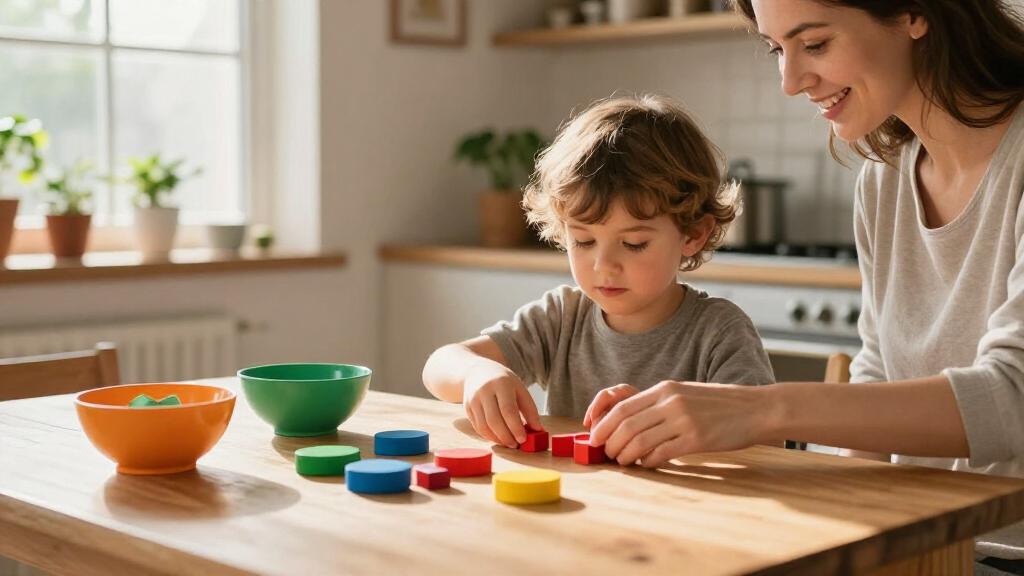
I compared these 15 products by how clearly they teach or use color matching, how easy their rules and pieces are to handle, and how well their format fits the ages and group sizes implied by the product descriptions. I also looked at the kind of play each supports: direct color recognition, sorting and counting, creative clue-giving, or a competitive challenge. For younger children, straightforward visual feedback and manageable components matter more than complex scoring; for older players, replay variety and interaction carry more weight.
The ranking gives priority to products with a clear role and a strong fit for their intended player, rather than assuming every product is interchangeable. Ravensburger Colorino leads for focused early color recognition, while Hues and Cues earns a distinct place for social clue-based play. Sorting toys and two-player challenge kits rank according to their specific strengths, with more generic or closely overlapping sets lower because buyers have less evidence of a distinct advantage between them. I avoid treating duplicated listings as separate innovations: the two Montessori Animal Color Sorting and Counting Toy Set entries share the same title, so the lineup does not establish a meaningful difference between them.
Factors to Consider When Choosing Best Color Matching Games
Before choosing, decide what you want players to do with color: identify it, sort it, describe it, or race to match it. That choice will narrow the field faster than comparing product names or piece counts. I’d also match the game’s pace and handling demands to the youngest regular player.
Choose the kind of color skill you want to practice
Color recognition, sorting, and color description are related, but they are not the same activity. A child who is learning to identify basic colors may benefit more from clear visual matching than from a game that asks players to interpret clues. Sorting and counting sets add categorization and number practice, while clue-based games ask players to connect colors with language and shared references. A common mistake is buying a game for its educational label without checking what players actually do each turn. Pick the skill that fits your goal, then treat extra learning benefits as a bonus rather than a promise.
Match the rules and pieces to the youngest player
Age recommendations are a starting point, but the practical test is whether the youngest player can see, grasp, and use the components without constant help. Small rings or loose pieces can be difficult for little hands and may need adult supervision, while large, simple pieces can make independent play easier. Rule load matters too: a child may recognize colors well before they can wait through turns or follow multi-step scoring. If adults will need to manage every move, the game may work better as a guided activity than as independent play. Favor a format that leaves room for the child to succeed without removing all challenge.
Decide whether you want open-ended play or a finished game
Sorting boards and busy-book activities often allow repeated practice without a fixed winner, which can suit short sessions and flexible play. Board games and card challenges provide clearer rounds, rules, and outcomes, making them easier to bring to a family game night. Neither format is automatically more educational or more fun; the right choice depends on whether your players prefer exploring at their own pace or sharing a goal. Buyers sometimes expect an open-ended toy to provide the structure of a board game, then find that an adult has to invent activities. Check whether your household wants guided rounds, free play, or both.
Think about group size and social energy
A two-player challenge set is a natural fit for siblings, friends, or a parent and child, but it may not serve a larger gathering without taking turns. A clue-based group game can bring more people into the same round, though players need enough language and patience to follow the discussion. For mixed-age groups, check whether younger players can participate meaningfully rather than simply watch older players make decisions. Speed-based play can add excitement for some children and frustration for others. Choose for the group that will play most often, not the largest group you might host once.
Look beyond piece counts to setup and storage
A large bundle can offer more combinations, but extra cards and small components also take longer to sort and store. For frequent short sessions, setup time and a place for loose pieces can matter more than the total number included. A compact activity book may be easier to take along, while a larger board or collection of parts may work better at a dedicated play table. Before buying, think about where the game will live and who will put it away. Storage is not a minor detail when the pieces are central to the play.
Pay more only for a difference your players will use
Extra materials are useful when they add genuinely different ways to play, not simply more of the same matching task. A premium-style choice makes sense when it improves durability, supports more players, or adds replay variety your household will return to. If your goal is basic color practice, a simpler set may cover the need without extra rules or components. Compare the actual activity and construction details, not just the product title or claims about learning. The best value is the game that gets played regularly and suits its players, not necessarily the one with the most pieces.
Frequently Asked Questions
Which type of color matching game is best for a toddler who is just learning colors?
I’d favor a simple, visual matching or sorting activity with pieces the child can handle, rather than a timed challenge or clue-based board game. Toddlers benefit from seeing a clear match and repeating it at their own pace. A busy book or sorting toy can work well when an adult can guide the first rounds and keep track of loose pieces. Check the maker’s age guidance and supervise play with small components. If your child already recognizes basic colors, a more structured game may hold attention longer.
Should I choose a sorting toy or a board game for family play?
Choose a sorting toy when the main goal is hands-on practice, flexible play, or short sessions with a young child. A board game is usually a better fit when several people want shared rules, turns, and a clear round structure. The tradeoff is that board games can ask for more patience and rule-following, while sorting toys may need an adult to create variety. Consider who will join most often and whether they want a cooperative activity or a contest. If both needs are common, these formats are different enough that one may not replace the other.
Are two-player color challenge sets suitable for more than two people?
They can work for a group if players are comfortable taking turns or pairing up, but the format may create downtime when only two players act at once. Check the product’s stated player count and rules before assuming extra pieces mean more simultaneous participants. A larger group may get more shared involvement from a game built around group clues or discussion. For a family with siblings, a two-player set can still be useful if children enjoy replaying rounds with a different partner. The key question is whether everyone can participate often enough to stay engaged.
How do I choose between Hues and Cues and a direct matching game?
Hues and Cues suits players who enjoy describing colors and interpreting what another person means; it is less about simply identifying an exact match. Direct matching games are a better starting point for children who need clear visual comparisons or are still learning color names. The clue-based format can prompt conversation and creative thinking, but its appeal depends on players understanding the rules and accepting that clues can be interpreted differently. If your group includes very young children, a simpler visual game is often easier to share. Choose based on whether you want discussion or direct recognition practice.
What should I check before buying a color game for a child who mouths toys?
Read the product’s age guidance and component information carefully, with particular attention to small rings, tokens, and loose pieces. A set marketed for older children may still contain parts that are unsuitable for a child who mouths objects. Look for clear material and safety details from the manufacturer, and supervise play rather than relying on a storage bag to keep pieces out of reach. A larger-piece format may be a better fit, but size and suitability should be verified from the listing. If the information is unclear, choose a product with more explicit safety guidance.
Conclusion
For the best overall fit, I’d choose Ravensburger Colorino when the main goal is approachable color recognition for young children. For value, compare the two-player challenge sets by their included components, storage, and the kind of rounds your players will repeat; the lineup does not establish a clear advantage for every similarly named kit. For beginners, choose a straightforward sorting or matching activity with manageable pieces rather than a speed-based challenge. For a premium-feeling family experience, Hues and Cues is the standout for group conversation, though it is better suited to players who can work with verbal clues. For hands-on sorting and counting, pick a Montessori-style set; for a playful board-game format, consider Raccoon Rumpus. Match the game to the players’ age, attention span, and preferred pace, and the right choice becomes much clearer.