
TL;DR

Turn the school run and nap time into listening time
- Thousands of audiobooks, podcasts and originals
- Listen on your phone, tablet or Echo — also offline
- Cancel anytime
Airlines in Germany are now enforcing a new rule mandating that children must wear seatbelts during all phases of flight. This development aims to enhance passenger safety, especially for young travelers. The policy is currently being implemented across several carriers, with some details still under discussion.
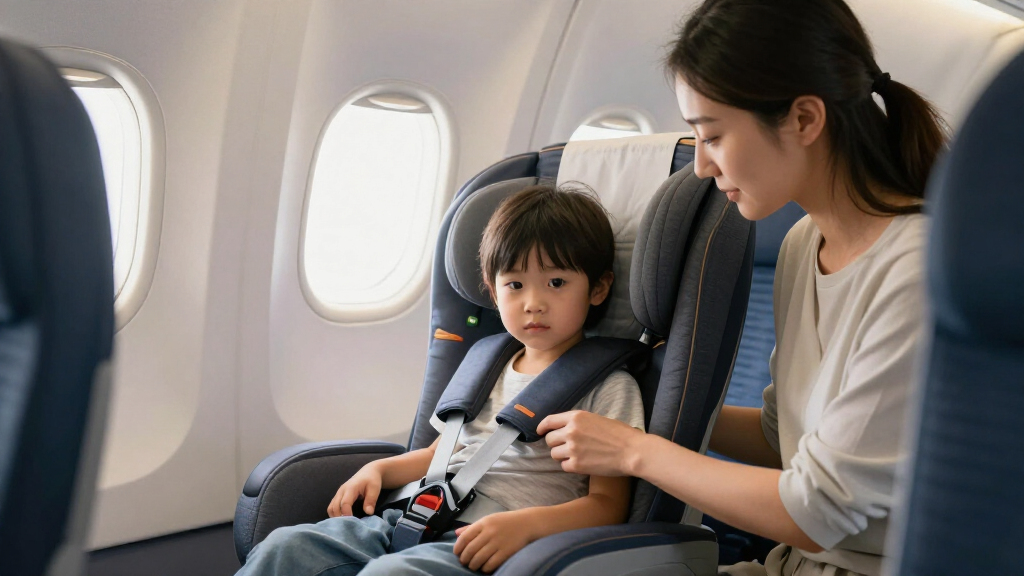
German airlines have officially implemented a new policy requiring children to wear seatbelts during all phases of flight, including takeoff, landing, and turbulence. This change aims to improve safety standards for young passengers and has been adopted by several major carriers after consultations with aviation safety authorities. The policy is now in effect across multiple airlines operating within Germany and Europe.
The new regulation mandates that children aged 2 and above must wear approved seatbelts at all times during a flight, similar to adult seatbelt requirements but with specific safety standards for children’s devices. Airlines confirmed that flight attendants will enforce this rule and assist parents in securing seatbelts properly. The move follows increased safety concerns and recent incidents highlighting the importance of proper restraint measures for young travelers.
Several airlines, including Lufthansa and Eurowings, have begun informing passengers about the new rules via onboard announcements and pre-flight communications. The policy also aligns with recommendations from European aviation safety authorities, which emphasize the importance of continuous restraint for children during turbulence and unexpected maneuvers. The regulation applies to all commercial flights operating within and outside Germany, with some variations depending on aircraft type and age of the child.
Why Mandatory Seatbelt Use for Children Matters
This policy change is significant because it reflects a heightened focus on passenger safety, especially for vulnerable groups like children. Ensuring children are properly restrained can reduce injury risks during turbulence or sudden aircraft movements. It also sets a precedent for stricter safety measures in commercial aviation, potentially influencing regulations across Europe and beyond. For parents and guardians, the rule provides clearer guidelines and aims to improve overall safety during air travel.
As an affiliate, we earn on qualifying purchases.
Background on Child Safety Regulations in Aviation
Historically, child safety measures in aviation have varied across countries and airlines, often relying on parents’ discretion and available child restraint devices. Recent incidents involving turbulence-related injuries have prompted regulators to revisit safety protocols. In 2022, the European Aviation Safety Agency (EASA) recommended stricter enforcement of restraint use for children, leading to the current policy rollout. Airlines have been gradually adopting these standards, with the latest being the mandatory seatbelt rule announced in March 2024.
“We are committed to ensuring the safety of all our passengers, especially children. The new seatbelt policy is a step forward in providing a safer flying experience.”
— Johann Meyer, Lufthansa spokesperson
child safety seatbelt for airplane
As an affiliate, we earn on qualifying purchases.
As an affiliate, we earn on qualifying purchases.
Details Still Being Finalized on Implementation and Exceptions
While the policy has been announced and is in the process of rollout, some details remain unclear. It is not yet confirmed how strictly enforcement will be applied on short-haul versus long-haul flights or how exceptions (such as medical conditions) will be handled. Additionally, the specific age range and type of approved seatbelt devices are still being clarified by authorities and airlines.
As an affiliate, we earn on qualifying purchases.
Monitoring and Adjusting the Child Seatbelt Policy
In the coming months, authorities and airlines are expected to monitor the policy’s effectiveness and compliance levels. Feedback from passengers and crew will inform potential adjustments. Further guidance on exceptions and enforcement procedures will likely be published by aviation safety agencies. Airlines also plan to conduct training for cabin crew to ensure consistent application of the rule.
airplane seatbelt extender for kids
As an affiliate, we earn on qualifying purchases.
As an affiliate, we earn on qualifying purchases.
Key Questions
At what age are children required to wear seatbelts during flights?
The regulation applies to children aged 2 and above, with specific standards for age-appropriate restraint devices.
Are there any exceptions to the seatbelt requirement for children?
Exceptions may include medical conditions or specific flight circumstances, but details are still being finalized by authorities.
How will airlines enforce the new seatbelt rule for children?
Flight attendants will be responsible for ensuring compliance, assisting parents, and providing guidance on proper seatbelt use during the flight.
Will this policy be adopted outside Germany?
While currently implemented in Germany and by some European airlines, similar regulations may be considered by other countries following the policy’s success and safety data.
What safety benefits are expected from this new regulation?
Proper restraint during turbulence and unexpected maneuvers can significantly reduce injury risks for children, enhancing overall flight safety.
Source: google-trends
Fall Picks
fall essentials
As an affiliate, we earn on qualifying purchases.