In Indian parenting, valuing free play helps your child develop creativity and independence, even as traditional focus remains on academics and discipline. By encouraging unstructured activities, you foster problem-solving, emotional resilience, and social skills. Setting aside time and providing simple materials for open-ended play can build confidence and foster a love for exploration. If you want to understand how balancing tradition with play benefits your child’s growth, this guide offers helpful insights.
Key Takeaways
- Free play fosters creativity, problem-solving, and emotional resilience essential for holistic Indian child development.
- Parental involvement and supportive environments encourage independence and exploration during free play.
- Integrating play with traditional values balances academic focus with nurturing creativity and confidence.
- Recognizing free play as vital enhances children’s social skills and emotional well-being.
- Embracing free play strengthens parent-child bonds and promotes lifelong skills like independence and self-expression.

In recent years, the importance of free play in Indian parenting has gained recognition as a crucial part of a child’s development. While traditional Indian culture often emphasizes academic achievement and discipline, many parents are beginning to see the value of allowing children to explore freely. Cultural differences influence how much parental involvement is considered appropriate during play. Some families naturally integrate free play into daily routines, seeing it as essential for fostering creativity and independence. Others may feel more comfortable supervising closely or setting strict boundaries, believing that structured activities are better for their child’s growth. Understanding these cultural nuances helps you navigate how to incorporate free play effectively, respecting your family’s values while supporting your child’s holistic development.
Your involvement as a parent plays a vital role in shaping your child’s attitude toward free play. Instead of controlling every aspect, you can create an environment that encourages curiosity and independence. This might mean setting aside specific times for open-ended play or providing simple materials like paper, colors, or natural objects that inspire imagination. When you step back and allow your child to decide how to use these resources, you’re reinforcing their sense of agency. This active participation in creating a safe space for free play shows your child that their ideas matter, fostering confidence and a love for exploration. Additionally, integrating AI-driven insights can help parents better understand optimal play strategies tailored to their child’s needs.
Create a safe space that encourages curiosity and independence through open-ended play.
Cultural differences can sometimes create tension between traditional parenting practices and the benefits of free play. In many Indian households, academic pursuits are prioritized, and play is viewed as secondary. Yet, research shows that children who engage in unstructured play develop better problem-solving skills, emotional resilience, and social competence. As a parent, you can find a balance by integrating play into daily routines without neglecting educational goals. For example, you might encourage your child to explore nature during outings or use storytelling as a form of creative expression. Doing so respects cultural values while recognizing that play is not a distraction but a vital part of learning.
Ultimately, your active involvement in promoting free play can nurture your child’s creativity and independence. By understanding cultural differences and adjusting your parental approach, you can help your child develop essential life skills. Instead of viewing play as a break from learning, see it as an integral part of your child’s growth. Your support and encouragement during these moments empower your child to think independently, solve problems creatively, and build confidence—traits that will serve them well throughout life. Embracing free play as a valued aspect of parenting not only enriches your child’s development but also strengthens your bond as a nurturing guide.
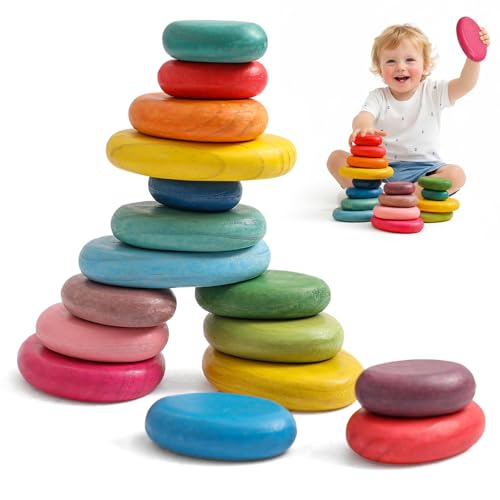
OESSUF Extra-Large Stacking Rocks for Toddlers 1-3, 16 PCS Wooden Montessori Toys, Safe Smooth Jumbo Balancing Stones for Open-Ended Sensory Play, STEM Building Blocks for Boys & Girls
Extra-Large & Safe for Toddlers 1-3: 16 PCS jumbo wooden stacking rocks designed for small hands. Smooth, BPA-free…
As an affiliate, we earn on qualifying purchases.
As an affiliate, we earn on qualifying purchases.
Frequently Asked Questions
How Can Parents Balance Free Play With Academic Responsibilities?
You can balance free play and academics by practicing effective time management, setting clear schedules that allocate specific periods for both activities. As a parent, provide guidance by encouraging your child to enjoy free play while respecting their study time. Establish routines that prioritize learning but also include breaks for creative activities, helping them develop independence and a healthy balance between play and responsibilities.
What Cultural Beliefs Influence Free Play Practices in Indian Families?
Cultural norms and parental authority deeply influence free play practices in Indian families. You might feel compelled to prioritize academic success and discipline, viewing play as secondary. This stems from a belief that parents should guide children strictly, limiting unstructured activities. However, understanding that balancing cultural expectations with encouraging creative, independent play can foster well-rounded development helps you create a nurturing environment that respects tradition while promoting joy and growth.
Are There Specific Types of Free Play That Benefit Indian Children Most?
Imagine your child’s laughter echoing through a vibrant courtyard as they engage in traditional games like Kho Kho or Gilli Danda. These outdoor activities boost their creativity and independence, offering physical movement and social interaction. Such free play nurtures their problem-solving skills and cultural connection, making them invaluable. Embrace these outdoor adventures, as they cultivate a well-rounded, confident child while keeping cultural roots alive in a fun, engaging way.
How Does Free Play Impact Social Skills Development in Indian Children?
Free play considerably boosts your child’s social skills by encouraging peer interaction, where they learn cooperation, sharing, and conflict resolution. It also enhances emotional intelligence as they navigate feelings and understand others’ perspectives. When your child engages in unstructured play, they develop confidence in social settings, building stronger relationships and empathy. This natural interaction nurtures essential life skills, helping them become more adaptable and emotionally aware individuals.
What Role Do Extended Family Members Play in Children’s Free Play?
Extended family members, especially grandparents and siblings, play a crucial role in your child’s free play. Grandparents often encourage creative activities and share cultural stories, enriching playtime. Siblings interact closely, fostering cooperation and problem-solving skills. Their involvement provides a safe, familiar environment where your child can explore independently, develop social bonds, and build confidence, all while feeling supported by the extended family network.

MOLLYBEE Kids Toddler Outdoor Scavenger Hunt Cards at The Park, Toddler Games, Gifts for Ages 2, 3, 4
Outdoor Exploration: Encourages toddlers to search for playground features, nature items, and everyday park objects; promotes curiosity and…
As an affiliate, we earn on qualifying purchases.
As an affiliate, we earn on qualifying purchases.
Conclusion
Embracing free play in Indian parenting fosters your child’s creativity and independence, shaping them into confident individuals. Remember, even in today’s fast-paced world, allowing kids to explore freely echoes the timeless wisdom of sages and storytellers, reminding us that childhood magic isn’t lost amidst gadgets and schedules. By nurturing their imagination now, you’re planting seeds for a future where they’ll think freely and dream boldly—just like the heroes of old tales.

ThinkFun Gravity Maze – Falling Marble Logic Game – Challenging STEM Toy for Kids 8-12 – Gravity Marble Maze – Brain-Building Fun – Educational Gift – Boosts Critical Thinking & Problem Solving
Ignite Creativity & Problem-Solving: ThinkFun's Gravity Maze sparks the imagination while honing critical thinking skills. Kids tackle engineering…
As an affiliate, we earn on qualifying purchases.
As an affiliate, we earn on qualifying purchases.
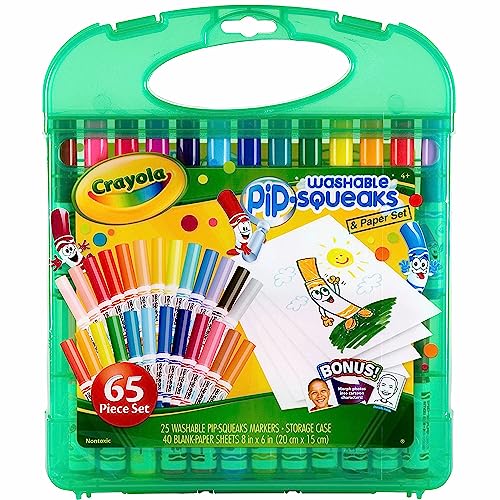
Crayola Pip-Squeaks Washable Marker Set (65ct), Coloring Set, Drawing Art Supplies for Kids, Spring Craft Kit, Travel Activity, Gifts for Kids
65 PIECE PIP-SQUEAKS MARKER SET: Includes 25 Pip-Squeaks Washable Markers and 40 sheets of high-quality paper in a…
As an affiliate, we earn on qualifying purchases.
As an affiliate, we earn on qualifying purchases.