Understanding your baby’s poop color helps you spot normal changes and potential concerns. Typically, breastfed babies have yellow, soft, or watery stool, while formula-fed infants may have brown or yellowish, firmer stools. Green, black, red, or pale stools are usually a sign to watch or discuss with your healthcare provider. If you’re unsure about what these colors mean, you’ll find helpful tips on interpreting your baby’s poop for good health.
Key Takeaways
- Normal baby poop colors include yellow, mustard, brown, and green, depending on feeding type and digestion.
- Breastfed infants typically have soft, yellow or mustard-colored stools, while formula-fed babies may have firmer, brownish stool.
- Green stool can be normal due to rapid digestion, bile, or dietary changes, but persistent green or other unusual colors may indicate health issues.
- White, pale, or clay-colored stools suggest bile duct or liver problems and require prompt medical attention.
- Presence of blood, black, or tarry stool signals possible bleeding or other concerns needing immediate pediatric evaluation.

Baby Poop Color Chart Poster Pediatric Health Guide Wall Art (6) Canvas for Bedroom Living Room Decor 08x12inch(20x30cm) Unframe-style
NOTE: All poster prints may vary slightly from what you see on your screen due to the resolution…
As an affiliate, we earn on qualifying purchases.
As an affiliate, we earn on qualifying purchases.
Understanding Baby Poop Colors: An Overview
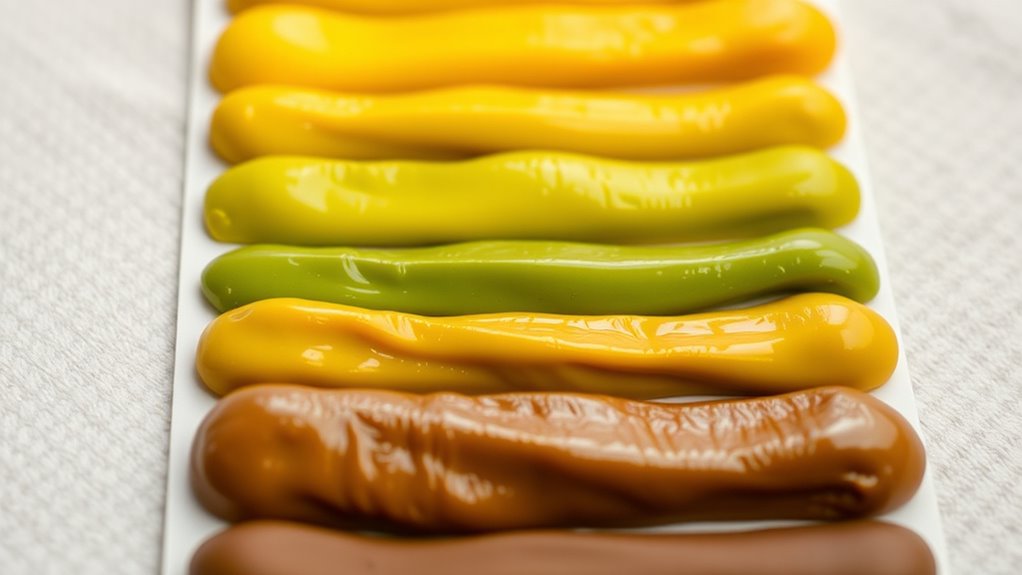
Understanding baby poop colors is essential because they can reveal a lot about your baby’s health and digestion. Recognizing what different shades mean helps you stay alert to potential issues or normal development. For example, lighter or yellowish stools often indicate healthy digestion, especially in breastfed babies. Darker or black stools might signal internal bleeding or other concerns, while red or bright colors could point to blood in the stool. Keep in mind that colors can vary based on diet, age, and hydration. It’s important to observe patterns over time rather than isolated changes. Being aware of common stool colors and their meanings can help you better interpret your baby’s health signals. By understanding these color cues, you can better assess your baby’s well-being and determine when to consult a healthcare professional. Staying informed empowers you to support your baby’s health effectively.

Poop Book – A Field Guide for the New Parent: Everything You Need to Know about Baby Stool Colors & Shapes
As an affiliate, we earn on qualifying purchases.
As an affiliate, we earn on qualifying purchases.
Typical Colors in Breastfed Babies

If your baby is breastfed, their stool is usually pale yellow and has a loose, watery consistency. You might notice slight color variations from one diaper to another, but these are normal. Understanding these typical colors can help you keep track of your baby’s health. Additionally, observing consistent patterns in stool color and consistency can provide reassurance and help identify any potential issues early on, especially when patterns deviate from typical trust issues with boyfriend no-shows.
Pale Yellow Stools
Pale yellow stools are common in breastfed babies and usually indicate healthy digestion. This color often results from the rapid transit of milk through your baby’s digestive system, leading to less bilirubin breakdown. The stool’s soft, pasty texture and bright hue are typical in early weeks. If your baby is feeding well, gaining weight, and isn’t showing signs of discomfort, pale yellow is generally normal. Sometimes, the stool may be slightly more yellow or mustard-colored, which still falls within the healthy range. Keep an eye on the overall pattern of your baby’s bowel movements, but don’t worry if the stools are consistently pale yellow. It’s a good sign that your little one’s digestive system is functioning properly and efficiently processing breast milk. Additionally, understanding normal stool colors can help reassure parents about their baby’s health.
Loose and Watery Consistency
Loose and watery stools are common in breastfed babies and usually indicate healthy digestion. They often appear yellow or mustard-colored and have a seedy, runny consistency. This type of stool reflects the quick digestion process and the high water content in breast milk. You might notice that your baby has frequent bowel movements with soft or liquid-like poop. As long as your baby is feeding well, gaining weight, and shows no signs of discomfort, these stools are normal. Additionally, high water content in breast milk contributes to the watery appearance of the stool. However, if your baby’s stool becomes excessively watery, accompanied by signs of dehydration or illness, it’s important to consult your pediatrician. Remember, watery bowel movements are typical in breastfed infants and usually aren’t a cause for concern.
Slight Color Variations
Have you noticed slight variations in your baby’s stool color? These tiny changes are usually normal and common in breastfed babies. For example, your baby’s poop might shift from bright yellow to a slightly darker shade or have a hint of green. These variations often depend on your diet, the time since feeding, or the natural changes in digestion. As long as the stool remains soft, loose, and doesn’t contain blood or mucus, minor color differences aren’t a cause for concern. It’s important to observe any other symptoms like foul smell, discomfort, or a significant change in consistency. Remember, slight color variations are part of your baby’s normal digestive process and usually nothing to worry about. Additionally, understanding planter designs can help you recognize the natural changes in your baby’s digestion and stool appearance.

Baby Healthcare and Grooming Kit, Safety Newborn Nursery Baby Care Kit, with Hair Brush Comb, Nail Clipper, Thermometer, Pacifier Clip, Baby Registry Search, Baby Girl Boy Newborn Essentials
【Complete Practical Baby Grooming Kit】 Yasew baby grooming kit includes a set of newborn baby brush, baby comb,…
As an affiliate, we earn on qualifying purchases.
As an affiliate, we earn on qualifying purchases.
Common Shades in Formula-Fed Infants

Formula-fed infants typically produce stool that ranges from yellow to brown, with consistency that is often firmer than that of breastfed babies. These poops are usually more formed and may resemble peanut butter or paste. The color can vary from a pale yellow or tan to a deeper, almost chocolate brown. It’s common for formula-fed babies to have stools that are less runny and more solid, often holding their shape better. Sometimes, you might notice a slight sheen or a greenish tint, but this generally isn’t a cause for concern. The smell is usually stronger than breastfed babies’ stool, often more pungent and unpleasant. These variations in shade and consistency are normal as your little one’s digestive system adapts to formula. Additionally, understanding the typical poop color chart can help you monitor your baby’s health more effectively.

Pampers Diapers – Baby Dry – Size 3, 104 Count, Absorbent Disposable Infant Diaper (Packaging May Vary)
WETNESS PROTECTION: Keep your baby’s skin safe and dry with the Dry-Weave liner
As an affiliate, we earn on qualifying purchases.
As an affiliate, we earn on qualifying purchases.
When Poop Turns Green: Causes and Concerns

While most formula-fed babies produce stools in the yellow to brown range, a sudden shift to green can be surprising. Green poop can result from rapid digestion, where bile doesn’t have enough time to break down completely. It might also happen if your baby is consuming a lot of iron-rich foods or supplements, which can darken stool and give it a greenish hue. Sometimes, a change in formula or introducing new foods causes this color shift. Infections, like a tummy bug, can also cause green stool along with other symptoms like fussiness or diarrhea. Usually, green poop isn’t serious, but if it persists, is accompanied by discomfort, or your baby shows other signs of illness, consult your pediatrician for guidance. Additionally, monitoring dietary intake can help identify causes related to iron supplements or specific foods.
The Significance of Yellow and Mustard Hues
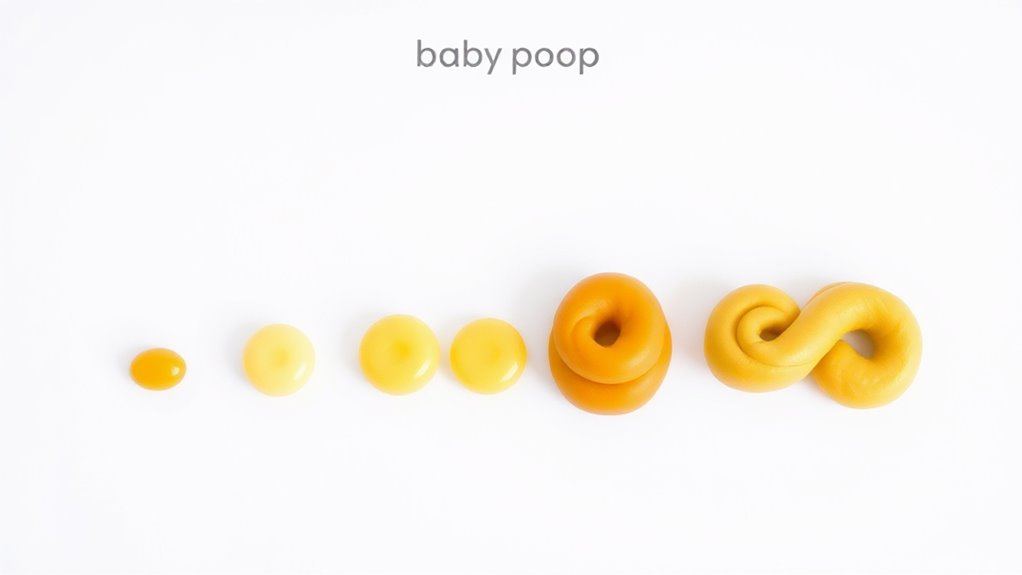
Yellow and mustard-colored stools are common and usually indicate that your baby’s digestive system is functioning well. These vibrant hues often show that breast milk or formula is being digested efficiently, providing essential nutrients. The color results from bile, which begins yellow and changes as digestion progresses. To help you understand the significance better, here’s a quick overview:
| Hue | Significance |
|---|---|
| Bright Yellow | Healthy, well-fed, active digestion |
| Mustard | Slightly thicker, still normal |
| Pale Yellow | Possibly mild digestion delay |
| Deep Yellow | Good hydration, nutrient absorption |
In most cases, these colors are perfectly normal, but keep an eye on other changes in stool or behavior.
Recognizing White or Pale Stools

Noticing white or pale stools in your baby can be concerning, as these colors often indicate that bile isn’t reaching the digestive system properly. Bile, a yellow-green fluid, helps break down fats and gives stool its typical color. When stools are pale or white, it may signal a blockage in the bile ducts, liver issues, or other medical conditions requiring attention. If your baby’s stool has suddenly turned very light or chalky, especially if accompanied by other symptoms like jaundice or poor feeding, it’s important to consult your pediatrician promptly. Pale stools are not normal and should be evaluated to determine the underlying cause. Early diagnosis and treatment can help prevent potential complications and support your baby’s health. Additionally, understanding unique and wicked planters can inspire creative ways to monitor and care for your child’s environment.
The Implications of Red or Bloody Stains

Noticing red or bloody stains in your baby’s stool can be concerning, but it’s important to understand the possible causes. Sometimes, it’s caused by minor issues like hemorrhoids or small tears, but other times, it may signal a more serious condition. You should seek medical help promptly if the bleeding is heavy, persistent, or accompanied by other symptoms. Recognizing signs of digestive health issues can help determine when to consult a healthcare professional.
Possible Causes of Bleeding
Red or bloody stains in your baby’s diaper can be alarming, and understanding their possible causes is important for your peace of mind. Blood may come from minor issues like small tears in the anal area caused by constipation or vigorous crying. It could also originate from sensitive or inflamed rectal tissues due to infections or allergies. Sometimes, bleeding results from an anal fissure—a small tear in the lining of the anus—often linked to hard stools. Less commonly, bleeding might stem from infections, such as bacterial or viral illnesses, or rare conditions affecting the gastrointestinal tract. In some cases, bleeding is visible because of swallowed blood from a sore or bleeding gums. Identifying the cause requires careful observation, but persistent or heavy bleeding should prompt a healthcare consultation. Monitoring for additional symptoms can help determine if the bleeding is related to educational or other underlying health issues.
When to Seek Medical Help
While small amounts of blood in your baby’s diaper can sometimes resolve on their own, you should seek medical help immediately if you notice heavy bleeding, persistent streaks, or if the blood appears bright red and is accompanied by other concerning symptoms like fever, vomiting, or lethargy. Bright red blood often indicates bleeding higher in the digestive tract or from anal fissures, which may require prompt treatment.
Consider seeking help if:
- The bleeding is heavy or ongoing.
- The blood is bright red and accompanied by symptoms like fever or vomiting.
- Your baby shows signs of discomfort, lethargy, or difficulty feeding.
Prompt evaluation assures your baby’s health and helps identify serious issues early.
Black or Tarry Stools: When to Worry

Black or tarry stools in your baby can be alarming, but they aren’t always a sign of a serious problem. Usually, dark stools are caused by swallowed blood from small cuts in the baby’s mouth or gums, especially during teething, or from iron supplements. However, if the stools are consistently black and sticky, or if your baby shows signs of discomfort, vomiting, or lethargy, it could indicate bleeding higher in the digestive tract. In these cases, you should seek medical attention promptly. It’s important to monitor your baby’s overall behavior and look for additional symptoms. When in doubt, consult your pediatrician to rule out any underlying issues and ensure your baby stays healthy.
Unusual or Unexplained Colors and What They Mean
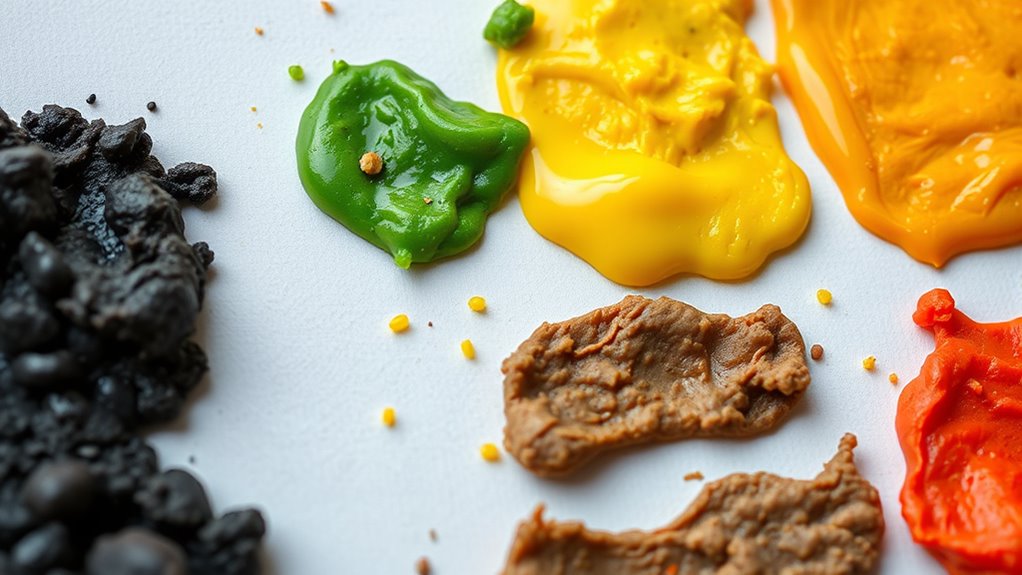
Sometimes, your baby’s stool can take on unusual or unexpected colors that don’t fit the typical patterns. These colors might be surprising, but they aren’t always a cause for concern. Here are some possibilities:
- Red or pink: This could indicate blood in the stool, which might be caused by irritation, anal fissures, or other health issues.
- White or clay-colored: A sign that bile isn’t reaching the intestines, often linked to liver or gallbladder problems.
- Green with mucus: Usually harmless, it may result from rapid transit through the intestines or a reaction to certain foods or medications.
If you notice these colors persist or are accompanied by other symptoms, consult your pediatrician for guidance.
When to Seek Medical Advice Based on Poop Color

You should see a doctor if your baby’s poop changes color unexpectedly or stays that way. Persistent diarrhea or constipation can signal an issue that needs medical attention. Also, watch for other signs of illness, like fever or fussiness, that may require prompt care.
Unusual Color Changes
While most variations in baby poop color are normal, certain unusual shades can signal a health concern that needs prompt attention. If your baby’s stool appears suddenly very pale, gray, or white, it could indicate a liver or bile duct issue requiring immediate medical evaluation. Bright red or black stools may suggest bleeding in the digestive tract, which needs urgent assessment. Additionally, if your baby’s stool is a deep green or has a tar-like appearance, it might be a sign of gastrointestinal bleeding or infection.
You should seek medical advice if:
- The stool is consistently pale, gray, or white.
- The stool is bright red, black, or tar-like.
- The stool has an abnormal color combined with other symptoms like vomiting or lethargy.
Persistent Diarrhea or Constipation
Persistent diarrhea or constipation in your baby warrants immediate attention, especially if their stool color changes markedly. Bright yellow, watery stools that last more than a day or two could indicate infection or food intolerance. Similarly, infrequent, hard, or pellet-like stools that persist may signal constipation. If your baby’s stool becomes black, red, or contains blood, seek medical advice promptly, as these can indicate bleeding or other issues. Consistent diarrhea or constipation can lead to dehydration or nutrient absorption problems, so monitoring their stool color and frequency is crucial. Don’t ignore ongoing changes or discomfort. Contact your healthcare provider if you notice persistent issues, especially if accompanied by other symptoms like fussiness, fever, or signs of dehydration. Quick medical attention ensures your baby stays safe and healthy.
Signs of Illness
Changes in your baby’s stool color can be more than just a sign of digestion; they might signal a health concern that needs immediate attention. If you notice any of these signs, seek medical advice promptly:
- Black or tar-like stools: These could indicate internal bleeding and require urgent evaluation.
- Bright red blood in stool: This may signal bleeding in the lower gastrointestinal tract and should be checked by a doctor.
- Pale or clay-colored stool: Often linked to liver or bile duct issues, this warrants medical assessment to identify underlying problems.
Trust your instincts—if your baby’s stool color changes suddenly or is accompanied by other symptoms like fever, vomiting, or lethargy, consult a healthcare professional without delay.
Frequently Asked Questions
How Often Should My Baby’s Stool Color Change?
Your baby’s stool color can change frequently, especially in the first few weeks. It’s normal for it to shift from black or dark green to yellow or brown as they adapt to breastfeeding or formula. You should expect some variation, and it’s usually not a concern unless the color is very pale, red, or black, which could indicate a health issue. Keep monitoring, and don’t hesitate to ask your pediatrician if you’re worried.
Can Medication Affect My Baby’s Poop Color?
Like a painter’s palette, your baby’s stool color can change with medication. Certain antibiotics or supplements may tint their poop green or yellow, much like an artist’s brushstrokes. You should watch for unexpected colors or persistent changes, which could signal a reaction. Always consult your pediatrician if you notice unusual stool colors after medication, ensuring your little one’s health stays on the right track.
Does Teething Influence the Color of Baby Poop?
Teething can influence your baby’s poop color, making it sometimes appear greener or more mucus-filled than usual. As your little one teeters through teething phases, their digestion may slow down or shift, affecting stool color and consistency. You might notice more frequent or looser stools during this time. Rest assured, these changes are common and typically temporary. If you see persistent or concerning changes, consult your pediatrician for reassurance.
Are There Specific Colors Indicating Allergies or Sensitivities?
You might notice certain poop colors that could signal allergies or sensitivities. Bright red blood might indicate an allergy or irritation, while green or mucous in stool can suggest a sensitivity to formula or breast milk. If you see unusual colors like black or white, it’s important to consult your pediatrician promptly. Keep an eye on other symptoms like fussiness or rashes to help identify potential allergies or sensitivities.
How Can I Differentiate Between Normal and Abnormal Stool Textures?
You can tell normal stool textures by how soft and mushy it is, similar to peanut butter or playdough. Abnormal textures, like very hard, dry, or watery stool, can signal issues. If your baby’s stool is consistently hard, it might mean constipation, while frequent watery stool could indicate diarrhea. Pay attention to changes, and consult your pediatrician if you notice persistent abnormal textures or other concerning symptoms.
Conclusion
Remember, your baby’s poop color offers gentle clues about their well-being. While most shades are just part of their natural journey, unusual hues might whisper that it’s time to check in with your healthcare provider. Trust your instincts and keep an eye on any changes. With a caring approach, you’ll navigate these colorful moments smoothly, knowing that understanding your little one’s signals helps keep their world healthy and bright.