If you’re experiencing intimate partner violence, it’s essential to recognize how it can affect your mental health during pregnancy and postpartum. Abuse can cause feelings of fear, shame, and isolation, increasing the risk of postpartum depression. Building emotional resilience through support, therapy, and self-care helps healing. Early intervention and support networks are key to recovery. Understanding these impacts can guide you toward the help you need—keep exploring to learn more about protecting your well-being.
Key Takeaways
- Abuse during pregnancy or postpartum can cause emotional distress, postpartum depression, and impact maternal mental health.
- Recognizing signs of trauma and depression enables timely intervention and support for affected mothers.
- Building emotional resilience through therapy and support networks helps mothers cope with abuse-related mental health challenges.
- Self-care, patience, and professional help are essential for recovery and managing postpartum mental health issues.
- Addressing intimate partner violence early is crucial for protecting both maternal mental health and overall well-being.

Maternal mental health is a crucial aspect of overall well-being that can be profoundly affected by experiences of abuse. If you’re going through or have endured intimate partner violence, it’s important to recognize how this trauma can impact your mental health, especially during the vulnerable postpartum period. Abuse can lead to feelings of fear, shame, and isolation, which often contribute to postpartum depression. You might find yourself overwhelmed by sadness, exhaustion, or feelings of hopelessness that seem to come out of nowhere. It’s essential to understand that postpartum depression is a common response to trauma and not a sign of personal weakness. Acknowledging these feelings is the first step toward seeking help and healing.
Building emotional resilience becomes a vital part of navigating these challenges. Resilience isn’t about being unaffected by stress but about developing the strength to cope and recover from adversity. When you’re facing the aftermath of abuse, resilience can help you regain control over your mental health and your life. You can bolster your resilience by reaching out for support, whether through trusted friends, family, or mental health professionals. Connecting with others who understand your experience can provide comfort and validation, helping you feel less isolated. Therapy is a powerful tool for processing trauma, managing postpartum depression, and strengthening your emotional resilience. It provides a safe space for you to explore your feelings, develop coping strategies, and rebuild your confidence. Additionally, understanding the impact of trauma on mental health can guide you toward effective coping mechanisms and recovery strategies.
It’s also important to pay attention to your physical health and self-care. Proper rest, nutrition, and gentle exercise can improve your mood and energy levels, making it easier to face daily challenges. Remember, healing isn’t linear, and setbacks are normal. Be patient and compassionate with yourself as you work through your emotions and rebuild your strength. Recognize the signs of postpartum depression, such as persistent sadness, loss of interest in activities, or feelings of worthlessness, and seek professional help if these symptoms persist. Your mental health is just as important as your physical health, and addressing abuse early can prevent long-term consequences.
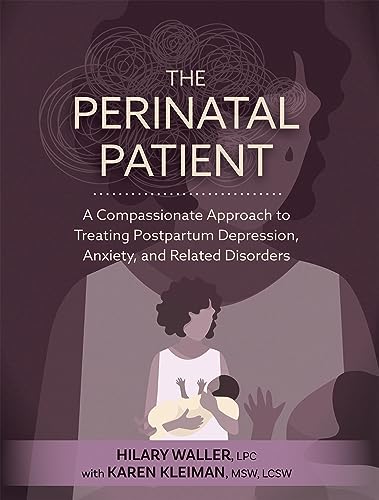
The Perinatal Patient: A Compassionate Approach to Treating Postpartum Depression, Anxiety, and Related Disorders
As an affiliate, we earn on qualifying purchases.
As an affiliate, we earn on qualifying purchases.
Frequently Asked Questions
How Can Partners Support a Woman Experiencing Abuse?
You can support a woman experiencing abuse by showing partner empathy and providing emotional validation. Listen without judgment, acknowledge her feelings, and let her know she’s not alone. Offer a safe space where she feels comfortable sharing her concerns. Encourage her to seek professional help if needed, and respect her decisions. Your understanding and compassion can empower her to take steps toward safety and healing.
What Are Early Signs of Mental Health Decline in Abuse Victims?
You might notice emotional warning signs like increased anxiety, sadness, or irritability. Behavioral changes, such as withdrawal from social activities, difficulty concentrating, or sudden mood swings, can also indicate mental health decline. If these signs appear unexpectedly or worsen over time, it’s important to encourage her to seek support. Staying attentive and offering a safe space helps her feel understood and can prompt her to get the help she needs.
Are There Specific Interventions for Postpartum Women Facing IPV?
Did you know that postpartum women facing IPV are 3 times more likely to experience depression? Specific interventions include connecting you to support groups, where you can share experiences and gain strength. Safety planning is vital; it helps you develop personalized strategies to protect yourself and your baby. Healthcare providers can also offer counseling, screening, and referrals to specialized services, ensuring you get extensive support during this vulnerable time.
How Does Abuse Impact Long-Term Maternal Mental Health?
Abuse can profoundly affect your long-term maternal mental health by causing psychological trauma and eroding emotional resilience. It may lead to persistent anxiety, depression, and difficulty bonding with your baby. Recognizing these impacts helps you seek support and recovery. Building emotional resilience through therapy, support groups, and self-care strategies can help you heal, regain strength, and foster a healthier environment for both you and your child.
What Resources Are Available for Abused Pregnant Women?
You can access a range of resources for abused pregnant women, including community programs that offer support, counseling, and safety planning. Legal assistance is also available to help with protective orders and managing custody issues. Many hospitals and clinics have partnerships with local organizations, so don’t hesitate to ask your healthcare provider for guidance or referrals. Remember, help is available, and you don’t have to face this alone.
postpartum depression therapy tools
As an affiliate, we earn on qualifying purchases.
As an affiliate, we earn on qualifying purchases.
Conclusion
By gently shining a light on the quiet shadows of your journey, you can nurture a space where hope blossoms. Remember, recognizing the whispers of discomfort allows you to embrace support and healing. Like tending a delicate garden, caring for your well-being helps your inner strength flourish. You’re not alone in this path—every step toward understanding and kindness creates a brighter, more resilient tomorrow for both you and your little one.
self-care products for new mothers
As an affiliate, we earn on qualifying purchases.
As an affiliate, we earn on qualifying purchases.
support networks for abuse survivors
As an affiliate, we earn on qualifying purchases.
As an affiliate, we earn on qualifying purchases.