The stigma around maternal mental health can silence you out of fear of judgment or feeling like you’re not a perfect mom. Society often expects women to be constantly happy and stress-free, making it harder to speak up about struggles like postpartum depression. But breaking this silence allows you to find support, share your experiences, and realize you’re not alone. Keep exploring to discover how challenging these stereotypes and fostering acceptance can help you and others.
Key Takeaways
- Societal expectations of motherhood often discourage women from admitting struggles, perpetuating silence and stigma.
- Peer support groups help normalize maternal mental health issues, reducing feelings of shame and isolation.
- Public education and awareness campaigns are essential to challenge stereotypes and promote open conversations.
- Emphasizing that seeking help is a sign of strength can shift cultural perceptions around maternal mental health.
- Destigmatization efforts foster early intervention and create a supportive environment for women to seek support.

Despite the increasing awareness of maternal mental health issues, stigma continues to prevent many women from seeking help. Society often views motherhood through a lens of perfection, making it difficult for women to admit they’re struggling emotionally. These societal perceptions create a heavy pressure to appear happy and capable at all times, which can deepen feelings of shame if you’re experiencing postpartum depression, anxiety, or other mental health challenges. When you feel like you must hide your struggles, it becomes even harder to reach out for support, trapping you in a cycle of silence and isolation.
Peer support plays a *crucial* role in breaking this silence. Connecting with other women who have faced similar struggles can help you realize you’re not alone. Sharing your experiences in a safe, understanding environment allows you to see that mental health issues are common and nothing to be ashamed of. Peer support groups create a space where you can be honest without fear of judgment, helping you feel validated and understood. These groups often foster a sense of community, reminding you that healing doesn’t have to be a solo journey. When you hear others’ stories, you might find the courage to voice your own, which is a *vital* step toward recovery.
Societal perceptions influence how mental health is viewed and addressed, often stigmatizing those who seek help. Many women internalize the idea that they should be able to handle motherhood effortlessly, which discourages them from acknowledging their struggles. This misconception feeds into the stigma, making it seem like mental health issues are a sign of weakness or failure. As a result, you might avoid seeking help out of fear of being judged as an unfit mother or a failure. Challenging these perceptions requires a cultural shift—recognizing that mental health struggles are common and valid, and that seeking support is a sign of strength, not weakness. Additionally, understanding the role of subconscious power during sleep can help women harness their inner resilience and promote healing through relaxation and positive reinforcement.
Changing societal perceptions involves education and open conversations about maternal mental health. When you share your story or listen to others, you contribute to normalizing these experiences. Over time, this can help dismantle harmful stereotypes and encourage more women to seek help early. Peer support initiatives, advocacy, and public awareness campaigns all play a part in shifting societal views, making it easier for women to speak out without shame. By breaking the silence and confronting societal perceptions head-on, you help pave the way for a more understanding, supportive environment where maternal mental health is prioritized and destigmatized.
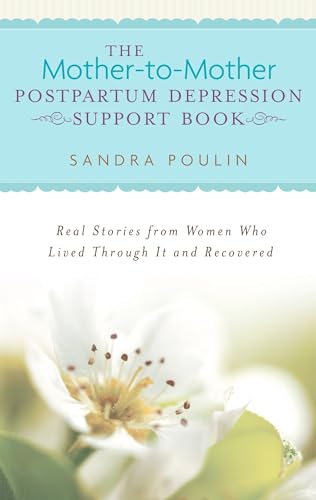
The Mother-to-Mother Postpartum Depression Support Book: Real Stories from Women Who Lived Through It and Recovered
As an affiliate, we earn on qualifying purchases.
As an affiliate, we earn on qualifying purchases.
Frequently Asked Questions
How Can Partners Support Women Facing Mental Health Stigma?
You can support women facing mental health stigma by offering emotional validation and practicing active listening. Show her you understand her feelings without judgment, and encourage her to share openly. Be patient and reassuring, making sure she knows she’s not alone. Your support creates a safe space, helping her feel heard and valued. This ongoing encouragement can considerably reduce feelings of shame and empower her to seek help.
What Are the Long-Term Effects of Maternal Mental Health Stigma?
Like a shadow cast long and dark, maternal mental health stigma can lead to social isolation, weakening the bond between mother and child over time. You might find yourself feeling disconnected, which hampers emotional closeness and development. This long-term effect can impact the child’s well-being and your confidence as a mother, creating a cycle of silence and misunderstanding that’s hard to break. Recognizing and addressing these issues early is vital for healing and connection.
Are There Specific Cultural Factors Influencing Stigma Around Maternal Mental Health?
Yes, cultural beliefs and traditional practices substantially influence stigma around maternal mental health. You might find that some cultures view mental health issues as a sign of weakness or spiritual failure, making women hesitant to seek help. Traditional practices may also prioritize family honor over individual well-being, discouraging open conversations. Recognizing these factors helps you understand the barriers women face and the importance of culturally sensitive support.
How Does Stigma Affect Mothers’ Willingness to Seek Help?
Like a locked door, stigma keeps you from seeking help, causing social isolation and deepening self-stigma. When you fear judgment, you’re less likely to reach out, believing you’re alone in your struggles. This silence only worsens your feelings, reinforcing the barrier. Overcoming stigma requires breaking this metaphorical lock, opening communication, and embracing support, so you can heal and reconnect with others, knowing you’re not alone in your journey.
What Role Do Healthcare Providers Play in Reducing Stigma?
Healthcare providers play a vital role in reducing stigma by undergoing provider training focused on stigma awareness. You can create a safe, supportive environment where mothers feel comfortable discussing mental health concerns. By actively listening, offering non-judgmental support, and educating yourself about maternal mental health, you help normalize these conversations, encourage help-seeking, and ultimately break down the barriers stigma creates. Your approach can make a significant difference in mothers’ lives.

Before You Break: A Mental Health Guide for New Parents Navigating Stress, Anxiety, and Emotional Overload
As an affiliate, we earn on qualifying purchases.
As an affiliate, we earn on qualifying purchases.
Conclusion
Breaking the silence around maternal mental health is vital. Did you know that nearly 1 in 5 women experience postpartum depression, yet many don’t seek help due to stigma? By speaking openly and supporting each other, you can help change this narrative. Your voice matters in creating a safe space where moms feel comfortable sharing their struggles. Together, we can break down barriers, foster understanding, and guarantee every mother gets the care she deserves.

Breastfeeding Counselor because Miracle Worker is not an official Job Title: Gift for Breastfeeding Counselors a Lined Journal Notebook that is 6 x 9 … Peer Counselors, Breastfeeding Leaders.
As an affiliate, we earn on qualifying purchases.
As an affiliate, we earn on qualifying purchases.

Perineal Medicated Witch Hazel Full-Length Cooling Pad Liners for Postpartum Care by Frida Mom | Speeds Healing and Reduces Swelling for Perineal Area | 24-Count
COOLING RELIEF: Witch Hazel cooling pads provide cooling relief during postpartum recovery. Store pack in refrigerator for added…
As an affiliate, we earn on qualifying purchases.
As an affiliate, we earn on qualifying purchases.