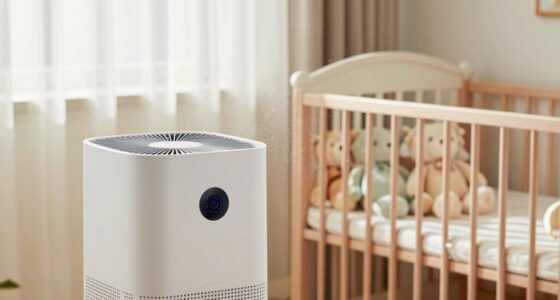
To prevent mold in your baby’s humidifier, regularly clean it thoroughly with vinegar and disinfect with a diluted bleach solution, and always dry all parts completely before use. Use distilled water instead of tap water to reduce mineral buildup and mold spores. Choose models with antimicrobial features, and replace filters monthly. Proper placement and maintenance help avoid microbial growth. If you keep these steps in mind, you’ll help protect your baby’s lungs from harmful mold spores—more tips await.
Key Takeaways
- Regularly inspect and clean the humidifier to prevent mold growth and detect early signs of contamination.
- Use distilled water and mold-resistant models to reduce mineral buildup and microbial growth.
- Disinfect the device weekly with vinegar or diluted bleach and thoroughly dry all parts before reassembling.
- Choose humidifiers with easy-to-clean surfaces and removable filters for effective maintenance.
- Position the humidifier away from windows and vents, maintaining proper humidity levels to minimize mold development.

Protec Humidifier Cleaning Fish, Tank Cleaner, Fights Slime & Odor, Lasts 30 Days, 1 Count, Color May Vary
Tank Cleaner: This tank cleaner for humidifiers reduces slimy surface buildup
As an affiliate, we earn on qualifying purchases.
As an affiliate, we earn on qualifying purchases.
Why Mold in Humidifiers Is a Hidden Health Risk for Babies
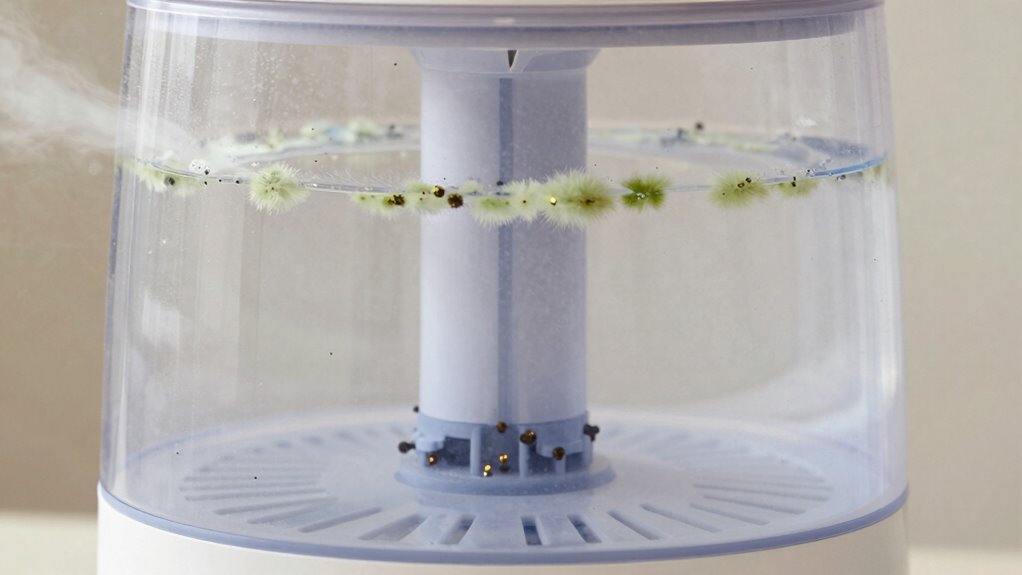
Mold in humidifiers poses a significant health risk for babies because their immune systems are still developing and are more vulnerable to airborne contaminants. When mold grows on humidifier filters, it releases spores into the air, which your baby can easily inhale. This exposure can lead to respiratory issues, allergies, or asthma. To reduce this risk, you should regularly clean and replace humidifier filters and consider using an air purifier in synergy with your humidifier. An air purifier helps trap airborne mold spores, enhancing your baby’s protection. Keeping both devices clean and well-maintained creates a safer environment. Additionally, smart home safety devices can help monitor humidity levels and alert you when cleaning or maintenance is needed. Regularly inspecting your home environment for airborne contaminants is crucial to maintaining a healthy space. Implementing proper humidifier maintenance practices further minimizes mold growth and airborne mold spores. Being aware of mold growth indicators can also help you catch problems early before they affect your child’s health.

PureGuardian Aquastick, Universal, Genuine Guardian Technologies Antimicrobial Humidifier Treatment, Ultrasonic & Evaporative, Fits All Brands, Reduces Odors, 2 Count (One Pack of Two), GGHS15
Fight mold growth: PureGuardian GGHS15 Aquastick humidifier water cartridge helps reduce the growth of mold and odor causing…
As an affiliate, we earn on qualifying purchases.
As an affiliate, we earn on qualifying purchases.
How to Recognize Mold in Your Baby’s Humidifier
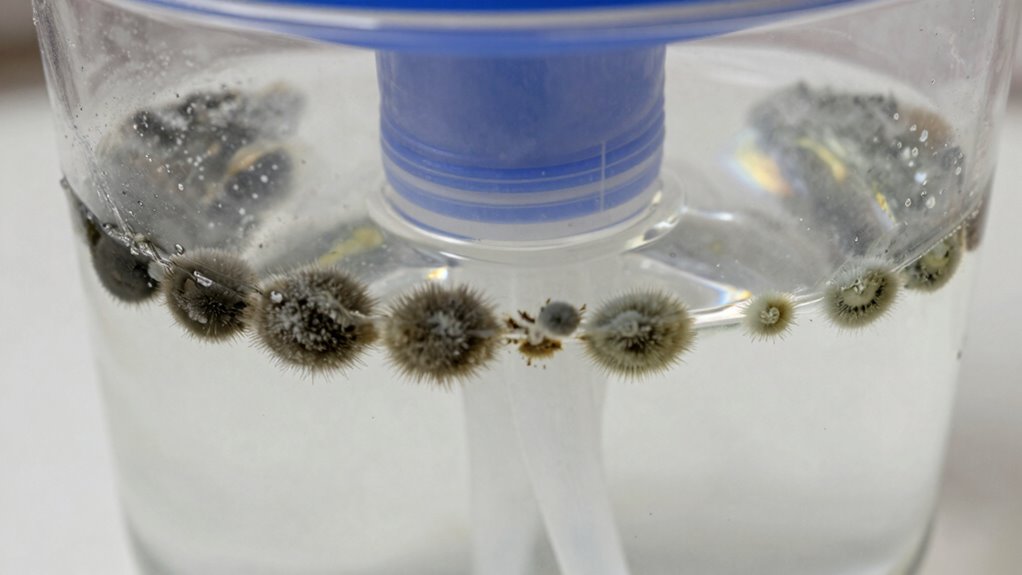
You should regularly check your baby’s humidifier for signs of mold. Look for visible mold growth on the surfaces or inside the tank, and note any musty odors that might indicate mold presence. Discolored or cloudy water is also a red flag that mold could be developing. Additionally, understanding the importance of Free Floating bacteria and mold can help in maintaining a healthier environment for your baby. Regular cleaning and using appropriate disinfectants can significantly reduce the risk of mold and bacteria buildup in the humidifier. Incorporating lifestyle habits that promote overall cleanliness can further help prevent mold growth. Being aware of market trends can also help you stay informed about the latest products and strategies for maintaining clean appliances. Moreover, choosing a humidifier with easy-to-clean features can facilitate more effective maintenance routines.
Visible Mold Growth
Since mold can sometimes be hidden beneath surfaces, it’s important to inspect your baby’s humidifier closely for visible signs of growth. Look for mold spores or patches of visible growth on the unit’s surfaces, especially around the water tank, nozzle, or inside the reservoir. These signs indicate mold presence and should never be ignored. Regularly performing maintenance routines such as cleaning and disinfecting can help prevent mold buildup. Proper humidifier care can significantly reduce the risk of mold development. Additionally, understanding mold growth conditions can help you identify potential problem areas before visible signs appear. Check for:
- Green, black, or white fuzzy patches
- Discolored or slimy buildup
- Mold spores floating or settled inside the water
- Unusual staining or spots on the humidifier parts
Being aware of mold prevention tips can further help in maintaining a healthy environment for your baby. Regular inspection and humidifier maintenance are essential to prevent mold spores from spreading and keep your baby safe from respiratory issues.
Musty Odor Presence
A musty odor is often one of the earliest signs that mold may be growing inside your baby’s humidifier. This smell indicates poor air quality and suggests microbial growth is present. When you notice a persistent, stale smell, it’s a clear warning that mold could be be thriving within the device. Mold spores release a damp, earthy scent as they multiply, affecting the air your baby breathes. Ignoring this odor can lead to increased respiratory issues and coughs in your little one. Regularly check and clean your humidifier to prevent microbial growth and maintain fresh air quality. If the musty smell persists even after cleaning, it’s a sign you need to deep clean or replace the unit to ensure a healthy environment for your baby. Understanding microbial growth can help you recognize early signs of contamination and take preventive measures.
Discolored Water
Discolored water in your humidifier is a clear sign that mold or bacterial growth may be developing inside the unit. If the water appears cloudy, stained, or has a tint of yellow, green, or black, it’s time to investigate. Mold growth thrives in damp, stagnant environments, and discolored water indicates it’s taking hold. Regularly inspecting your humidifier helps you catch these signs early.
To spot mold growth effectively, look for:
- Water that looks cloudy or murky
- Green, black, or yellow stains in the water tank
- Fuzzy or slimy residues on the surfaces
- Unusual odors coming from the device
- Proper maintenance is essential to prevent mold buildup and ensure your humidifier remains safe for your baby. Maintaining cleanliness can help reduce the risk of mold development and keep the water clear. Being aware of early warning signs can help you take prompt action before mold spreads further.
Addressing discolored water promptly prevents mold from spreading and keeps your baby’s environment safe. Recognizing mold growth is crucial for maintaining a healthy indoor environment. Additionally, understanding mold prevention strategies can help you avoid recurring issues and keep your humidifier hygienic.
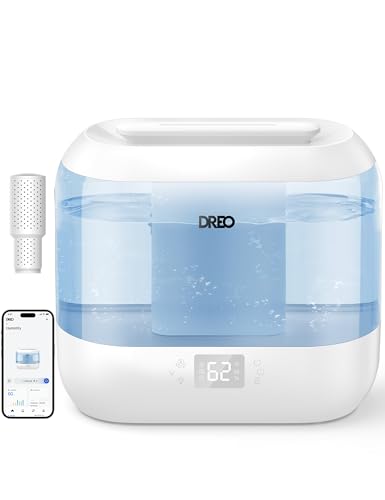
Dreo Smart Humidifiers for Bedroom-Filter Included,Top Fill 4L Humidifier Large Room with 28 dB, 36H Runtime, Touch/APP/Voice Control, Nightlight, Cool Mist Humidifiers for Baby, Plants, Indoor, Blue
Precise humidity, better comfort: You can finally control humidity at home with DREO's smart humidifier for bedroom, its…
As an affiliate, we earn on qualifying purchases.
As an affiliate, we earn on qualifying purchases.
How to Choose a Humidifier That Minimizes Mold Risk
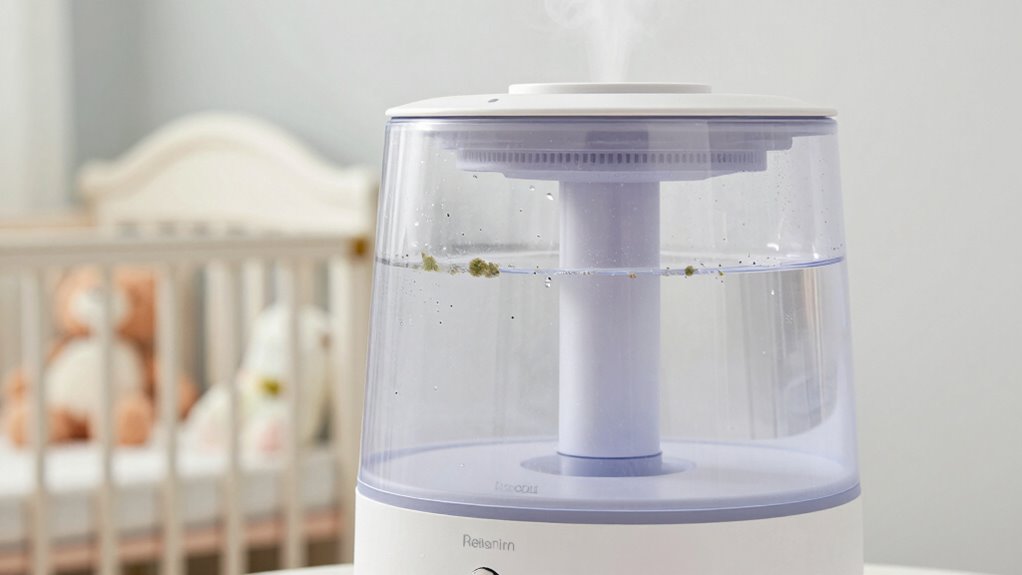
To reduce mold risk, choose a humidifier with antimicrobial features and an easy-to-clean design. Using distilled water instead of tap water can also help prevent mold growth. These simple steps can keep your humidifier safer and cleaner for your family. Additionally, regular maintenance and proper storage are crucial to maintaining a healthy environment and preventing mold proliferation. Incorporating proper cleaning techniques can further enhance your efforts to keep mold at bay.
Opt For Antimicrobial Models
Choosing an antimicrobial humidifier can substantially reduce the risk of mold growth and bacterial buildup. Look for models with antimicrobial coatings on internal components to inhibit mold and bacteria. Additionally, germ resistant filters help trap microbes before they circulate in the air, enhancing overall air quality. These features work together to keep your humidifier cleaner and safer for your family. When selecting a unit, consider the following:
- Antimicrobial coatings on tank and base surfaces
- Germ resistant filters for added microbial defense
- Compatibility with easy-to-clean components
- Certifications indicating antimicrobial effectiveness
Easy-to-Clean Design
A humidifier with an easy-to-clean design makes it simpler to maintain hygiene and prevent mold growth. Look for models with removable water tanks and smooth surfaces that wipe clean easily. Regular air filter maintenance is essential; choose a unit with accessible filters that can be cleaned or replaced without hassle. Pay attention to water temperature controls—humidifiers that operate at consistent, moderate temperatures reduce mold risk by discouraging mold spores from thriving. Avoid complex parts or hidden crevices where mold and bacteria can hide. A straightforward design helps guarantee thorough cleaning, which is vital for a healthy environment. By selecting a humidifier that’s easy to disassemble and clean, you’ll better protect your family from mold and airborne germs.
Use Distilled Water
Ever wonder why using distilled water can make a big difference in keeping your humidifier mold-free? It’s because distilled water has fewer minerals and impurities, reducing the chances of mold growth and mineral build-up. Using high-quality water minimizes the strain on humidifier filters and keeps the unit cleaner longer. When you opt for distilled water, you help prevent the formation of mold spores that thrive on mineral deposits. Plus, it improves water quality, leading to better air humidity without harmful contaminants. This simple switch can markedly lower the risk of mold-related issues, especially around babies. To maximize benefits, regularly clean your humidifier and replace filters as needed, ensuring everything stays hygienic and mold-free.
- Less mineral buildup on filters
- Reduced mold spores in water
- Less frequent filter replacements
- Improved overall water quality
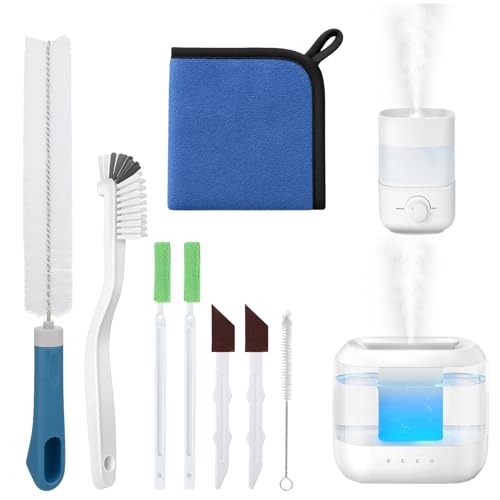
XANGNIER Humidifier Cleaner Brush Kits,8Pcs Humidifier Cleaning Brushes Tools Accessories
Humidifier Cleaning Solution:Still looking for a cleaning tool that can thoroughly clean your humidifier? Come and try our…
As an affiliate, we earn on qualifying purchases.
As an affiliate, we earn on qualifying purchases.
How to Use Your Humidifier Safely to Protect Your Baby’s Lungs
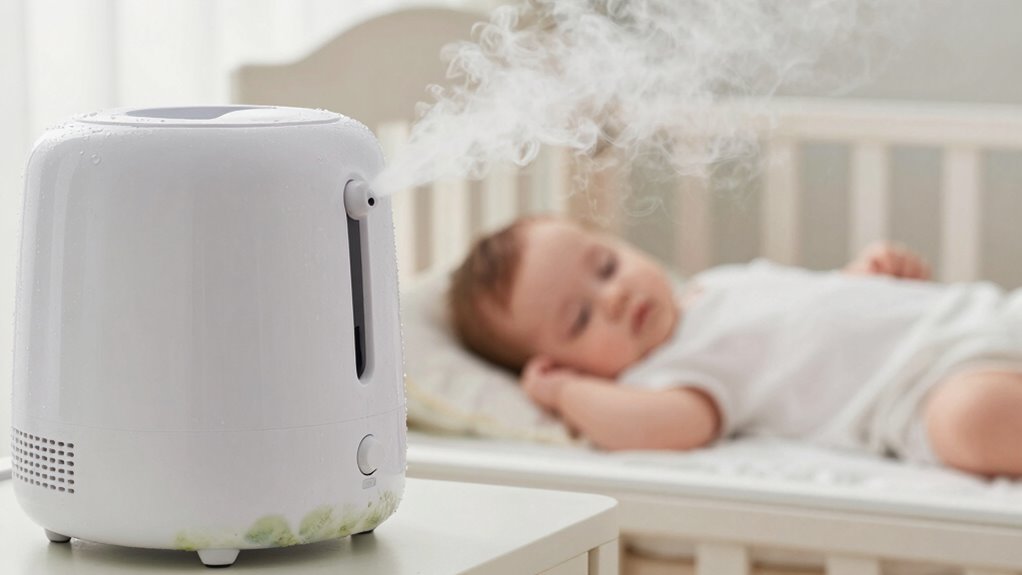
To guarantee your baby’s lungs stay safe, it’s essential to use your humidifier correctly. First, regularly change and clean the humidifier filters to prevent mold and bacteria buildup, which can compromise air quality. Always set the humidifier to the right humidity level—around 30-50%—to avoid excess moisture that encourages mold growth. Place the humidifier on a stable, non-carpeted surface, away from your baby’s reach, and ensure good ventilation in the room. Use distilled or filtered water to minimize mineral deposits and airborne contaminants. Keep the humidifier clean and dry when not in use. By maintaining proper hygiene and functioning, you help improve air quality and reduce the risk of respiratory issues for your little one.
How to Clean and Disinfect Your Humidifier Step-by-Step
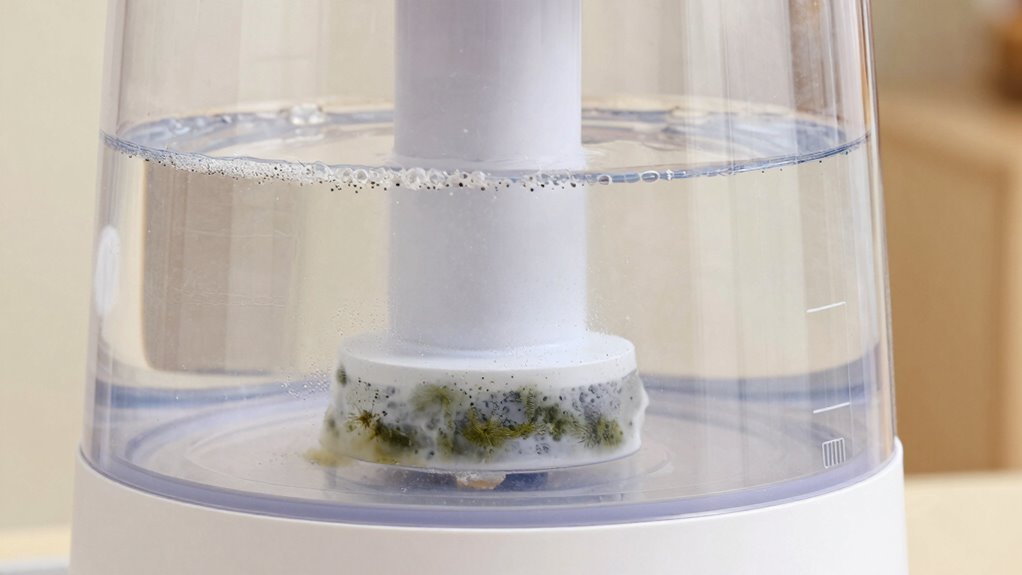
Regularly cleaning and disinfecting your humidifier is essential to prevent mold, bacteria, and mineral buildup that can harm your baby’s health. Start by unplugging the device and emptying the water tank. Use a mixture of white vinegar and water to soak all removable parts for 30 minutes, then scrub away any residue with a soft brush. Rinse thoroughly and sterilize with a diluted bleach solution, ensuring all parts are sanitized. Don’t forget to clean the air filter regularly—this helps maintain proper humidifier function and reduces mold risk. Pay attention to humidifier placement, keeping it on a flat, elevated surface away from direct sunlight and bedding. Finally, dry all parts completely before reassembling to prevent mold growth.
Regularly clean and disinfect your humidifier to prevent mold, bacteria, and mineral buildup that can harm your baby’s health.
- Use vinegar and bleach for thorough disinfection
- Scrub all removable parts gently
- Maintain the air filter regularly
- Ensure proper humidifier placement
Tips for Maintaining Your Humidifier to Prevent Mold
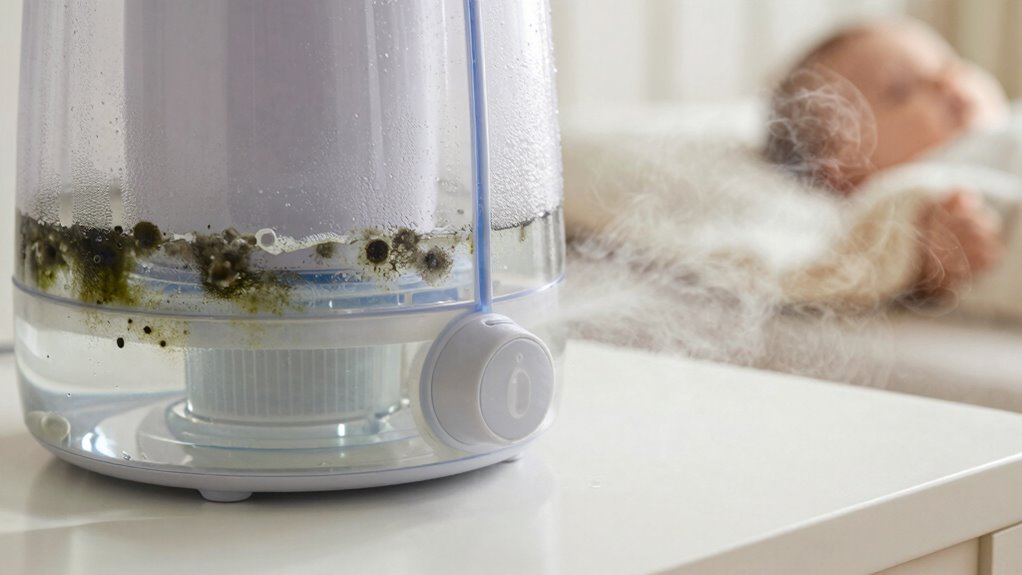
Maintaining your humidifier properly is essential for preventing mold growth and ensuring a safe environment for your family. To do this, regularly check and replace the air filter to keep mold spores at bay. Proper humidifier placement matters—avoid placing it near windows or vents where mold can thrive. Always clean and disinfect your device as recommended. Keep the water tank dry when not in use and avoid overfilling. Additionally, ensure good air circulation around the humidifier to prevent damp spots that encourage mold. Here’s a quick guide:
| Maintenance Tip | Why It’s Important | How To Do It |
|---|---|---|
| Air filter maintenance | Prevents mold spores from spreading | Replace monthly |
| Proper placement | Stops mold from growing on surfaces | Keep 3 feet from windows/vents |
| Regular cleaning | Eliminates mold buildup | Disinfect weekly |
| Dry tank when idle | Stops mold growth when not in use | Empty and dry tank |
| Improve air circulation | Reduces damp environments | Use fans or open windows |
Common Mistakes That Lead to Mold in Humidifiers
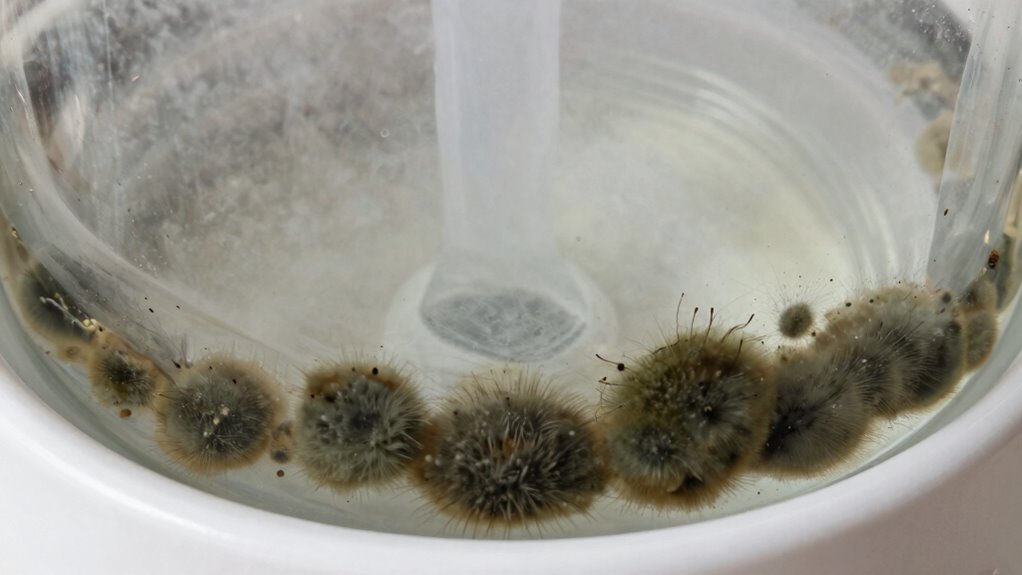
One of the most common ways people inadvertently introduce mold into their humidifiers is by neglecting proper cleaning routines. Failing to clean regularly allows mold spores to grow, especially around humidifier filters and internal surfaces. Using dirty filters or ignoring mineral buildup can compromise air quality and promote mold growth. Additionally, leaving water in the unit for too long encourages mold and bacteria development. Poor maintenance often means you’re breathing in contaminated air, which can worsen respiratory issues. To avoid this, be sure to:
- Clean your humidifier daily and disinfect weekly
- Replace humidifier filters as recommended
- Empty water tanks after each use
- Use distilled water to reduce mineral deposits and mold growth
These practices help keep your humidifier mold-free and improve air quality in your home.
When to Replace Your Humidifier for Safety and Peace of Mind

Understanding when to replace your humidifier is essential for guaranteeing your home’s air remains safe and healthy. Most humidifiers have a lifespan of about 3 to 5 years, depending on usage and maintenance. Once your device approaches this timeframe or shows signs of persistent mold, mineral buildup, or malfunctioning parts, it’s time to contemplate a replacement. Following safety guidelines helps prevent mold growth and bacterial buildup that can harm your family. Regular cleaning extends your humidifier’s life, but no amount of maintenance can fully eliminate risks after several years. Replacing your humidifier ensures you’re not exposing your household to potential health hazards. Trust your judgment and prioritize safety to maintain ideal indoor air quality and peace of mind.
Frequently Asked Questions
Can Mold Spores Cause Long-Term Health Issues in Babies?
Yes, mold spores can cause long-term health issues in babies. When you’re exposed to mold, it can lead to respiratory problems, especially in young children with developing lungs. Mold exposure might result in persistent coughs, wheezing, or allergies, and if left unchecked, it could impact your baby’s respiratory health over time. To protect your little one, keep humidifiers clean and mold-free, reducing the risk of long-term health complications.
Are There Natural or DIY Solutions to Prevent Mold Growth?
Sure, you can totally try natural remedies and DIY approaches to stop mold in your humidifier. Think vinegar or hydrogen peroxide to clean, lemon juice for a fresh smell, or DIY descaling solutions. Ironically, these simple solutions are often more effective than harsh chemicals, making your humidifier safer for your baby. Just remember to regularly clean and dry it—because mold loves a damp, neglected spot!
How Often Should I Replace the Filter in My Humidifier?
You should replace your humidifier filter every 1 to 3 months as part of regular humidifier maintenance. This filter replacement schedule helps prevent mold growth and guarantees clean, healthy mist. Check the manufacturer’s instructions, as some filters may need more frequent changes based on usage, water quality, or if you notice reduced performance. Staying consistent with filter replacement keeps your humidifier safe and effective for your home.
Is It Safe to Use Essential Oils in a Baby’s Humidifier?
Using essential oils in a baby’s humidifier isn’t safe due to potential respiratory irritation and allergic reactions. Essential oil safety isn’t assured in humidifiers, as oils can clog filters or damage the device. Instead, consider humidifier alternatives like saline sprays or using plain water, which are safer for babies. Always consult your pediatrician before trying any new options to ensure your baby’s health and safety.
What Are the Best Storage Practices to Prevent Mold When Not in Use?
Think of your humidifier as a vintage record—careful storage keeps it pristine. To prevent mold, dry out the tank completely after each use, then store it in a cool, dry place. Use airtight containers or covers to shield it from dust and humidity. Follow mold prevention techniques like cleaning regularly and inspecting for mold, ensuring it’s safe for your baby when you need it again.
Conclusion
Did you know that mold in humidifiers can increase respiratory issues in babies by up to 30%? Staying vigilant with proper cleaning and maintenance is essential to keep your little one safe. Regularly inspecting and disinfecting your humidifier helps prevent mold growth and protects your baby’s lungs. By following these tips, you can create a healthier environment and reduce the risk of coughs and other respiratory problems. Your proactive care makes all the difference.