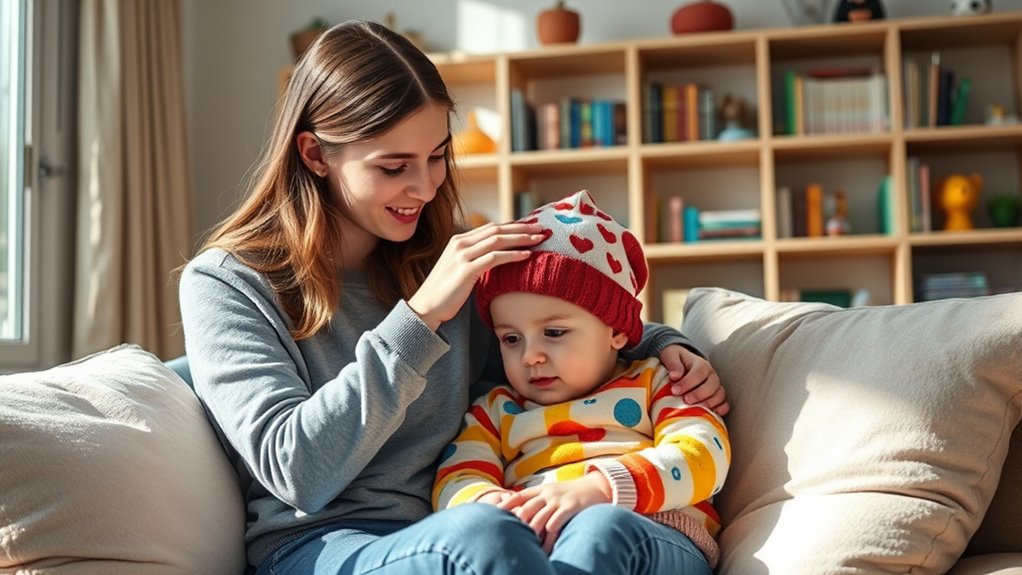

To prepare your older kids for a new sibling, understand their feelings, and communicate openly to ease worries. Involve them in preparations, like setting up the nursery or choosing gifts, to make them feel included and valued. Set clear expectations about their new role, and plan bonding activities to strengthen your relationship. Supporting their emotional needs and addressing concerns patiently helps them adapt more easily. If you want practical strategies to smooth this progression, keep exploring these helpful tips.
Prime for Young Adults — start your free trial
Fast free delivery, streaming and member deals for eligible 18–24 year olds.
As an affiliate, we earn on qualifying purchases.
Key Takeaways
- Recognize and validate older kids’ feelings like excitement, jealousy, or confusion to support healthy emotional adjustment.
- Communicate honestly and involve them in preparations to foster inclusion and reduce anxiety.
- Clearly define their new roles and responsibilities, emphasizing their importance in the family.
- Create bonding opportunities through shared activities and special one-on-one time to strengthen sibling relationships.
- Address concerns patiently, provide reassurance, and promote stability to help them adapt to family changes.
children's sibling preparation books
As an affiliate, we earn on qualifying purchases.
As an affiliate, we earn on qualifying purchases.
Understanding Older Siblings’ Feelings and Emotions

Understanding older siblings’ feelings and emotions is essential because they often experience a range of complex reactions to new family dynamics. You might notice they feel excited, confused, or even jealous as they adjust to a new sibling’s arrival. They could worry about losing your attention or struggle to understand their changing role within the family. These feelings are normal, but ignoring them can lead to frustration or behavioral issues. By recognizing their emotional responses, you can better support them through this progression. Pay attention to their words and actions, and create opportunities for open conversations. Validating their feelings helps them feel heard and understood, easing their adjustment process and fostering a healthier family environment. Additionally, understanding family dynamics can help you anticipate and address potential challenges as everyone adapts to the new situation.
As an affiliate, we earn on qualifying purchases.
Communicating the Upcoming Changes Effectively

Effective communication is key when preparing older siblings for upcoming changes in the family. Be honest and clear about what’s happening, avoiding vague or confusing language. Share information at a level they can understand, and encourage questions to address their concerns. Use a calm, reassuring tone to help ease any anxiety or worries. Timing matters—discuss the changes when your child is relaxed and receptive, not overwhelmed. Focus on positive aspects and emphasize that their role is important and valued. Keep the conversation ongoing, not a one-time talk, so your sibling feels supported throughout the process. By communicating openly and sensitively, you help your older kid adjust more smoothly and foster a sense of security amidst change. Understanding their emotional needs can further facilitate a supportive environment during this transition.
children's role in new sibling arrival
As an affiliate, we earn on qualifying purchases.
As an affiliate, we earn on qualifying purchases.
Involving Older Kids in Preparing for the New Arrival

You can help your older kid feel involved by giving them simple baby-related tasks to handle. Sharing the exciting news together makes them feel included and valued. These small steps can boost their confidence and ease the changeover for everyone. Being aware of cybersecurity measures, like security protocols, can also help you protect your family’s information during this busy time.
Assign Baby-Related Tasks
Involving older children in preparing for the new baby can help them feel included and responsible. Assign simple tasks that suit their age, like choosing a toy or clothing for the baby, helping pack the hospital bag, or setting up the nursery. These responsibilities make them feel trusted and important in the process. Keep tasks manageable to prevent overwhelm, and praise their efforts to boost confidence. Explain how their involvement contributes to welcoming the new sibling, fostering a sense of teamwork. Be clear about expectations, and offer assistance when needed. This involvement not only prepares them practically but also helps ease feelings of jealousy or exclusion. Additionally, understanding the importance of color accuracy in home cinema projectors can help in creating a comfortable environment that appeals visually to children. By sharing these tasks, you reinforce their role as a helpful and valued family member.
Share Exciting News
How can sharing the exciting news of a new baby involve older children and make them feel special? When you include them in the announcement, it shows they’re an important part of the family’s next chapter. Let them help you share the news, whether by helping craft a special card or choosing a fun way to tell relatives. Talking openly about the pregnancy makes them feel trusted and valued. Encourage their enthusiasm by asking how they want to celebrate or be involved. This involvement boosts their confidence and helps them see the new baby as a shared family adventure. Recognizing soulmate angel numbers can also inspire feelings of deep connection and excitement about the future, which you can share with your children to make them feel more connected to the upcoming changes. By making them feel like insiders, you foster excitement and lessen potential feelings of neglect or jealousy.
As an affiliate, we earn on qualifying purchases.
Setting Realistic Expectations and Addressing Concerns

You should start by clearly explaining your child’s new roles and responsibilities to prevent confusion later. It’s also important to address any fears or concerns they have early on, so they feel heard and supported. Doing this helps set realistic expectations and eases the progression for everyone involved. Incorporating community support can also provide your older child with additional reassurance and guidance during this transition.
Clarify New Roles
When adjusting to new roles within the family, it’s essential to set realistic expectations to prevent misunderstandings or resentment. Clearly define what your older child’s responsibilities are, such as helping with younger siblings or sharing specific chores. Explain that their role isn’t to replace your partner or take on all parenting duties but to support the family. Be specific about what behaviors are expected and what boundaries remain unchanged. Encourage questions so your child feels heard and understands their part. Reinforce that their contributions are valuable, but they’re not solely responsible for the new family dynamic. Additionally, understanding the importance of water safety can help your child feel more confident and responsible during family activities involving water. By clarifying these roles early, you help your child feel secure and confident, reducing frustration and fostering cooperation.
Address Fears Early
Addressing fears early helps prevent misunderstandings and eases your child’s shift into their new role. Kids often worry about losing attention, being replaced, or not fitting in. To help, consider these steps:
- Talk openly about their concerns, reassuring them that their feelings are normal.
- Set realistic expectations about their new role as an older sibling, emphasizing their important part.
- Involve them in preparations, like choosing baby clothes or setting up the nursery, to foster a sense of control and excitement.
- Explain how juice cleansing can support their health and well-being, encouraging a positive outlook on change.
Creating Special Bonding Opportunities
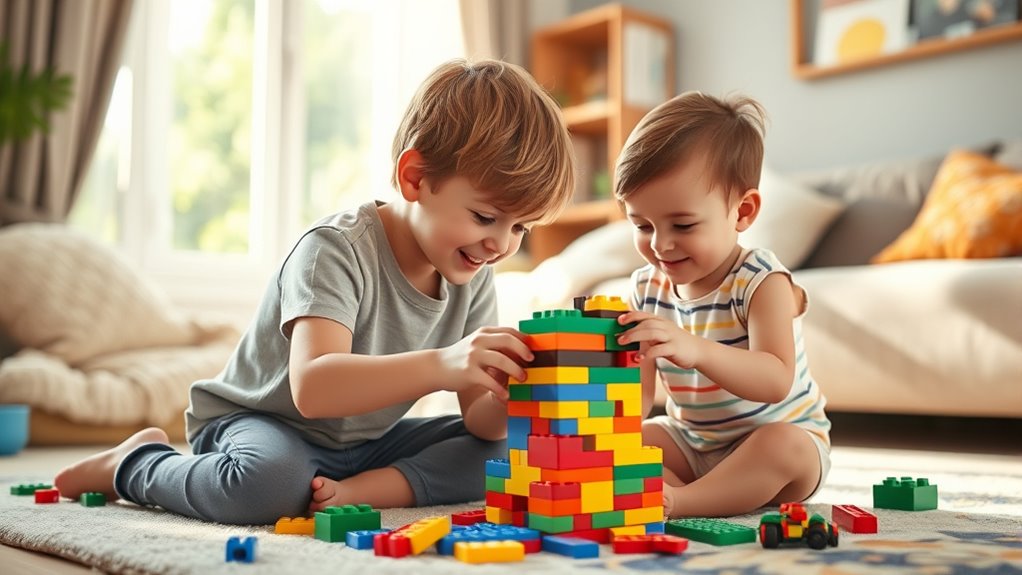
Creating special bonding opportunities can profoundly strengthen the relationship between siblings. When you intentionally set aside time for shared activities, you foster positive interactions and build lasting memories. Consider planning simple outings like a trip to the park or a movie night at home. Engaging in activities that both children enjoy encourages teamwork and cooperation. You might also create rituals, such as reading together before bed or having a weekly game night. These moments help siblings feel connected and valued. Remember, decoding slang and informal language can make communication more relatable and fun for children, helping them connect better. Regular opportunities for bonding reinforce their relationship over time. By making an effort to nurture these connections, you lay a foundation of trust and warmth that benefits everyone involved in the long run.
Supporting Older Children Through the Transition

How can you help older children navigate the changes that come with a new sibling? Start by involving them in preparations, like setting up the nursery or choosing gifts. This makes them feel included and important. Next, create opportunities for one-on-one time to reassure them of their special place in your life. Ultimately, openly discuss their feelings, listen without judgment, and validate their emotions. Understanding the significance of emotional responses in dreams can help you better interpret and address their concerns. Remember, supporting older children involves: 1. Encouraging their involvement in welcoming the new sibling 2. Prioritizing quality time together 3. Addressing their concerns honestly and patiently
Frequently Asked Questions
How Can I Help My Older Child Adjust to a New Sibling Emotionally?
You want to support your older child as they adjust emotionally to a new sibling. To do this, spend quality time with them, listening to their feelings and concerns. Reassure them of their special role in the family and involve them in caring for the baby. Encourage open communication, validate their emotions, and create opportunities for positive interactions, helping them feel loved, secure, and included during this changeover.
What Are Some Signs My Older Child Is Struggling With the Change?
You might notice your older child acting out, withdrawing, or showing signs of jealousy, which indicate they’re struggling with the change. They could also be more irritable, clingy, or resistant to your attention. Watch for changes in their sleep or eating habits, or if they seem unusually sad or anxious. These signs suggest they’re having a tough time adjusting, and addressing their feelings can help ease the shift.
How Can I Balance Attention Between My Older Child and the Newborn?
You can balance attention by dedicating special time to your older child daily, even if it’s just a few minutes. Involve them in caring for the baby, making them feel important. Keep routines consistent to provide stability, and praise their positive behaviors. Listen actively to their feelings and reassure them they’re loved. This approach helps your older child adjust smoothly and maintains a strong bond during this shift.
When Should I Seek Professional Help for Sibling Jealousy Issues?
If sibling jealousy becomes intense or persistent, it’s time to seek professional help. Look for signs like your child’s withdrawal, aggressive behavior, or ongoing sadness. If these feelings interfere with daily activities, social interactions, or the child’s well-being, don’t hesitate to consult a counselor or therapist. Addressing these issues early guarantees your child feels supported and helps foster healthier sibling relationships.
What Activities Can Foster a Positive Relationship Between Siblings Early On?
Think of building sibling bonds like tending a garden—you nurture, water, and wait. To foster positive relationships early on, engage in shared activities like reading stories together, playing cooperative games, or doing simple crafts. Encourage teamwork and celebrate successes as a team, not just individually. These activities help your kids learn cooperation, empathy, and trust, laying a strong foundation for a lifelong sibling connection.
Conclusion
Remember, welcoming a new sibling is like planting a seed—you both nurture it with patience and love. By understanding your older child’s feelings, communicating openly, and involving them in preparations, you help the bond grow strong and resilient. Stay attentive to their concerns and create special moments together. With your support, this progression can become a beautiful journey where sibling love blossoms, turning the upcoming change into a family treasure rather than a storm.
Fall yard work Picks
leaf blowers
As an affiliate, we earn on qualifying purchases.