
To pick climbing toys that build confidence and prevent injuries, focus on choosing ones made from high-quality, durable materials with sturdy construction and safety-tested features. Match the toy to your child’s age and skill level, ensuring it offers approachable challenges without overwhelming them. Look for safe surfaces, secure grip points, and adequate fall protection like soft padding. Regularly inspect and maintain the equipment, and create a clutter-free, spacious area. Keep exploring to discover more tips for safe, confidence-boosting climbing adventures.
Key Takeaways
- Choose age-appropriate climbing toys with suitable height, complexity, and grip features to match your child’s skill level.
- Ensure the structure is made of durable, safety-tested materials with stable, non-slip surfaces for secure climbing.
- Incorporate soft fall zones and padding around high-risk areas to minimize injury from falls.
- Regularly inspect and maintain the equipment to identify and fix loose bolts, worn parts, or damage.
- Select engaging, varied structures that promote safe challenges and problem-solving to boost confidence gradually.

Twinkoo Extra Large 8-Piece Soft Climbing Toys for Toddlers, Foam Climbing Block Set with Jumbo Size, Boosts Motor Skills & Color Coordination, Safe Indoor Toy for Child Development
🌈Perfect Size and Lightweight Blocks for Toddlers: The 8-piece toddler foam climbing blocks are designed with the ideal…
As an affiliate, we earn on qualifying purchases.
As an affiliate, we earn on qualifying purchases.
Why Safety and Durability Matter When Choosing Climbing Toys

Why is safety and durability so important when choosing climbing toys? Because these factors directly impact hazard prevention and help reduce injury risks. A sturdy climbing toy made from high-quality materials ensures it can withstand active play without cracking or breaking. When durability is compromised, sharp edges or loose parts can pose serious safety hazards. Additionally, well-designed toys with stable structures prevent falls and wobbling, which can lead to accidents. Choosing durable, safety-tested climbing toys gives you peace of mind that your child can explore and develop confidence without unnecessary dangers. Incorporating child development principles into your selection process can further enhance your child’s confidence and physical skills. Moreover, selecting toys with appropriate safety standards can significantly reduce the risk of injuries during play. Ensuring proper installation and maintenance also plays a crucial role in keeping climbing toys safe over time. Regular inspections and proper upkeep are essential to identify potential hazards early and maintain safety. It is also beneficial to consider material safety to ensure the climbing toy is free from harmful chemicals or toxins. Remember, investing in safety and durability isn’t just about longevity; it’s about creating a safe environment where your child can enjoy climbing adventures risk-free.

VEVOR Climbing Dome, 10FT Jungle Gym with Hammock and Swing, Geometric Dome Climber Supports 750LBS and Easy Assembly for Kids 3 to 10 Years Old, with Climbing Grip, Outdoor Backyard Play Equipment
Unlock More Play Options: Our geometric climbing dome includes a swing and a detachable cushion. The cushion can…
As an affiliate, we earn on qualifying purchases.
As an affiliate, we earn on qualifying purchases.
Assessing Your Child’s Age and Skill Level

Understanding your child’s age and skill level is crucial when selecting a climbing toy, as it guarantees the equipment matches their physical development and abilities. Start by considering age appropriateness, ensuring the toy is suitable for your child’s current stage. Conduct a skill level assessment to determine if they can handle the toy comfortably and safely. Younger children need simple, low-to-the-ground structures with easy grip points, while older kids may enjoy more challenging options. Always observe your child’s coordination, strength, and confidence during play. Choosing a climbing toy that aligns with their abilities helps prevent frustration and reduces injury risk. Regularly reassessing their skill level ensures the toy continues to support their growth and confidence as they develop new skills. Incorporating body-based healing methods can also help improve coordination and confidence, making play safer and more enjoyable. Additionally, selecting appropriate materials and designs can further enhance safety and durability, especially considering the importance of safety standards in outdoor and indoor play equipment. Being mindful of environmental factors, such as location and installation, can also contribute to a safer climbing experience. Proper piercing care and hygiene practices can also be adapted to ensure safety and comfort during physical activity.

Step2 Woodland Climber II Kids Playset, Ages 2 –6 Years Old, Toddler Slide and Climbing Wall, Outdoor Playground for Backyard, Sturdy Plastic Frame, Easy Set Up
Park Adventures At Home: Climbing wall, roomy deck, two steering wheels, slide, ladder, and a lower hideout for…
As an affiliate, we earn on qualifying purchases.
As an affiliate, we earn on qualifying purchases.
Types of Climbing Toys Suitable for Kids
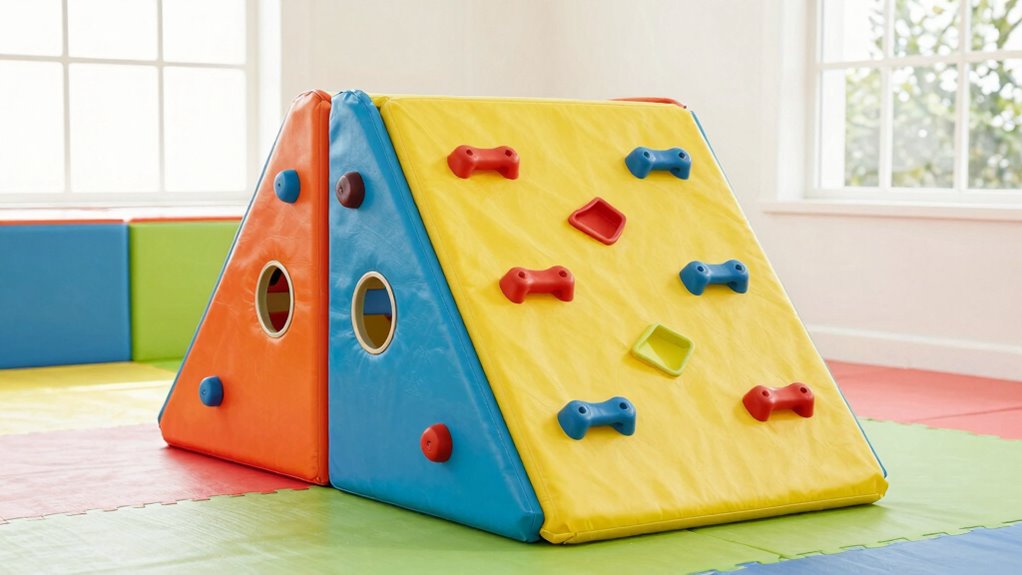
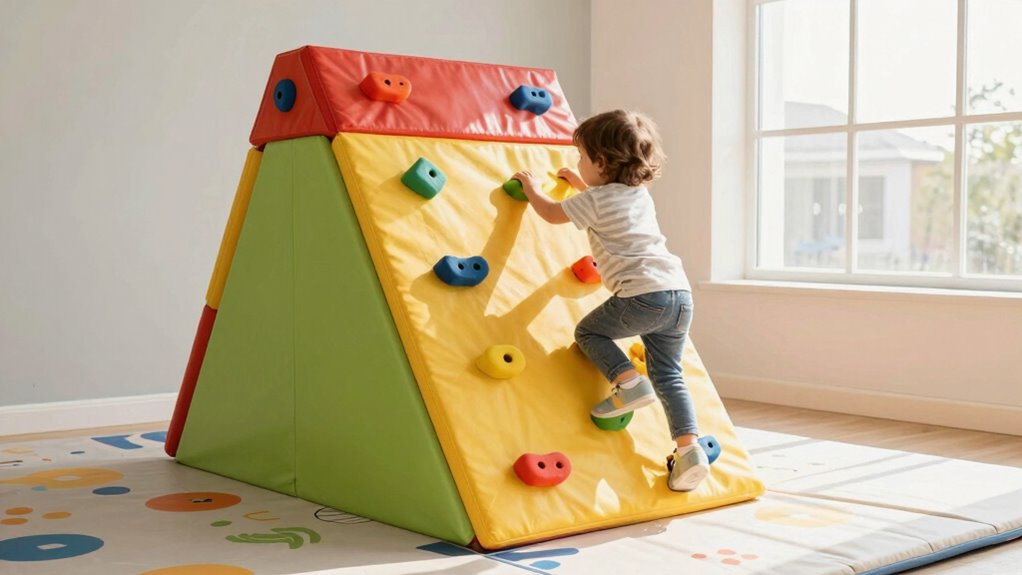
Choosing the right climbing toy depends on the variety of options available to suit different ages and interests. For indoor options, you might consider mini rock walls, climbing gyms, or foam climbing blocks that fit into your space and promote safe exploration. These are ideal for younger children and can be set up in playrooms or basements. Incorporating traditional crossbreeding techniques can lead to innovative designs and safer options for children. Outdoor varieties include climbing frames, jungle gyms, and natural rock walls, which encourage active play and outdoor engagement. These options are durable, often larger, and perfect for older kids who crave more challenge. When selecting, think about your child’s age, skill level, and available space. Both indoor and outdoor climbing toys help build confidence and strength while keeping safety in focus. Incorporating safety considerations into your selection process ensures your child can enjoy these activities with minimized risk. Additionally, considering appropriate supervision is essential to mitigate potential injuries and foster a positive experience. Recognizing child development benefits can also guide you in choosing toys that support physical and cognitive growth during play. Being aware of long-term growth opportunities can help you select toys that evolve with your child’s developing abilities and interests.

Eezy Peezy Climber with Top – Active Indoor Outdoor Play Set Climbing Dome Equipment Toys – Fun for Kids Ages 3 to 6 Years Old, Green and Blue
Non-stop Fun: Watch your little one enjoy endless hours of active play with the Eezy Peezy Monkey Bars…
As an affiliate, we earn on qualifying purchases.
As an affiliate, we earn on qualifying purchases.
Key Safety Features to Look for in Climbing Toys

When choosing climbing toys, safety should be your top priority. Look for sturdy materials that can withstand active play, secure grip surfaces to prevent slips, and proper fall protection to cushion any accidents. These key features help guarantee your child can enjoy climbing safely. Additionally, consider toys that are designed with support networks in mind, ensuring that the equipment fosters confidence-building rather than leading to injuries. Incorporating safe design principles can further minimize risks and enhance overall safety during play. Being aware of ergonomic considerations can also contribute to reducing strain and promoting healthier movement patterns as your child plays. Moreover, understanding regulatory compliance can offer insights into creating engaging and well-structured play environments that encourage confidence and safety.
Sturdy Material Construction
To make certain your child’s safety, it’s vital to select climbing toys made from sturdy, durable materials. High material quality ensures the toy can withstand active play and rough handling without breaking or wearing down quickly. Look for construction strength that guarantees stability and safety during use. Well-built climbing toys use solid wood, heavy-duty plastic, or rust-resistant metal, which provide reliable support and longevity. Additionally, considering robot mower technology can be beneficial for outdoor safety and maintenance, though it is less directly related to climbing toys. Choosing climbing toys with sturdy material construction reduces the risk of accidents, giving your child confidence while climbing and exploring. Focusing on early detection symptoms and selecting high-quality materials ensures you pick a safe, long-lasting option.
Secure Grip Surfaces
Secure grip surfaces are essential for keeping your child safe while climbing. A good climbing toy should feature texture variety, providing different tactile experiences that help your child develop their grip strength and confidence. Look for surfaces with high surface traction, which prevents slips and falls, especially when hands or feet get sweaty. The textured elements should be non-slip and uniformly designed to maximize grip without causing discomfort. Avoid surfaces that are too smooth or slick, as they increase the risk of accidents. Properly textured surfaces give your child a firm hold, encouraging safe climbing practices and reducing injury risk. When selecting a climbing toy, prioritize those with secure, textured grip surfaces to support safe, confident exploration.
Proper Fall Protection
Ensuring proper fall protection is essential for keeping your child safe during play. When evaluating climbing toys, consider fall height considerations to prevent injuries if your child falls. Look for models with adequate padding placement around high-risk areas to cushion impacts and reduce injury risk. Make sure the fall zone is clear of obstacles and has soft landing surfaces. Check if the toy’s design limits the maximum fall height, preventing dangerous falls from excessive heights. Proper fall protection also includes secure, stable structures that don’t tip or wobble. To keep your child safe and confident, prioritize climbing toys with clearly defined fall zones, sufficient padding, and built-in safety features. These precautions ensure play remains fun without compromising safety.
How to Set Up a Safe Climbing Area at Home

Creating a safe climbing area at home starts with selecting the right location. For indoor climbing, choose a spacious, clutter-free area with enough ceiling height for safe movement. Guarantee the flooring is padded or covered with soft mats to cushion falls. For outdoor installation, pick a flat, stable surface like a patio or backyard clearing, away from sharp objects or hard surfaces. Use durable, weather-resistant materials designed for outdoor use, and install the climbing toy securely to prevent tipping. Always check that the setup is stable and free of hazards before allowing children to climb. Regularly inspect the area for wear or damage, and maintain a clear zone around the climbing toy to prevent injuries. Proper setup fosters confidence while keeping play safe.
Common Mistakes Parents Make When Choosing Climbing Toys
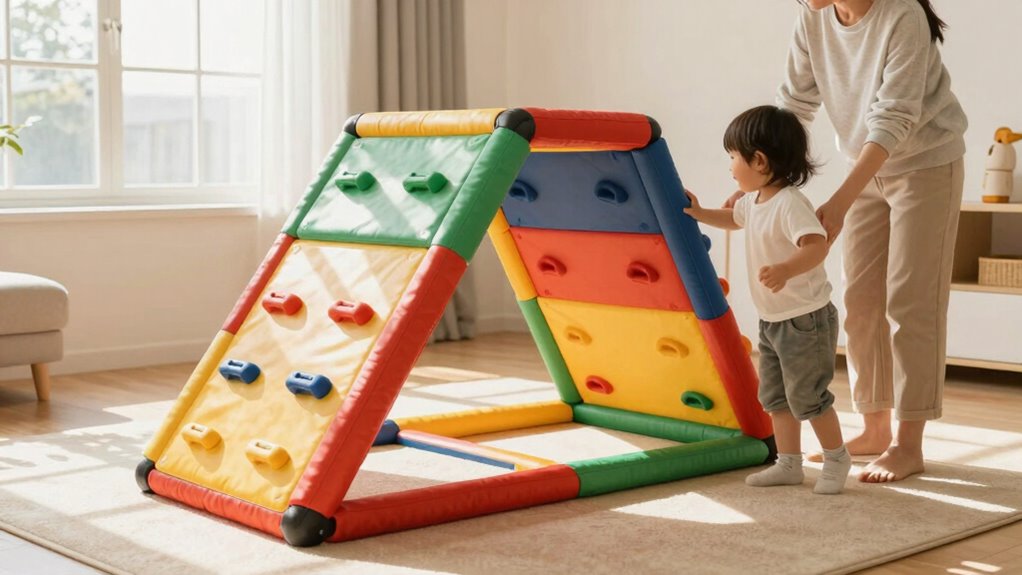
One common mistake parents make when choosing climbing toys is prioritizing looks over safety features. You might be swayed by colorful designs or trendy brands without considering if the toy meets safety standards. Parental oversight is key; always verify if the toy has appropriate safety certifications. Don’t rely solely on brand reputation—research reviews and safety records to ensure quality. It’s easy to get caught up in marketing, but overlooking critical safety aspects can lead to injuries. Focus on sturdy construction, non-toxic materials, and proper weight limits. Remember, a visually appealing climbing toy isn’t worth risking your child’s safety. Make informed choices by checking safety features and maintaining vigilant oversight to foster confidence while minimizing injury risks.
Building Confidence With Safe Climbing Challenges

Building confidence in your child through safe climbing challenges encourages them to take risks and develop essential skills. When you choose climbing toys that promote creative play, your child learns to problem-solve and adapt as they navigate different routes. These challenges foster motor skill development, improving coordination, strength, and balance. By providing age-appropriate obstacles, you help your child experience success, boosting their self-esteem. Safe climbing environments allow kids to push their boundaries without fear of injury, fostering independence. As they conquer new heights, they gain trust in their abilities. Incorporate varied textures and structures to keep the experience engaging. Ultimately, safe climbing challenges build resilience and confidence, setting a foundation for healthy physical and emotional growth.
Maintaining and Inspecting Climbing Toys for Long-Term Safety
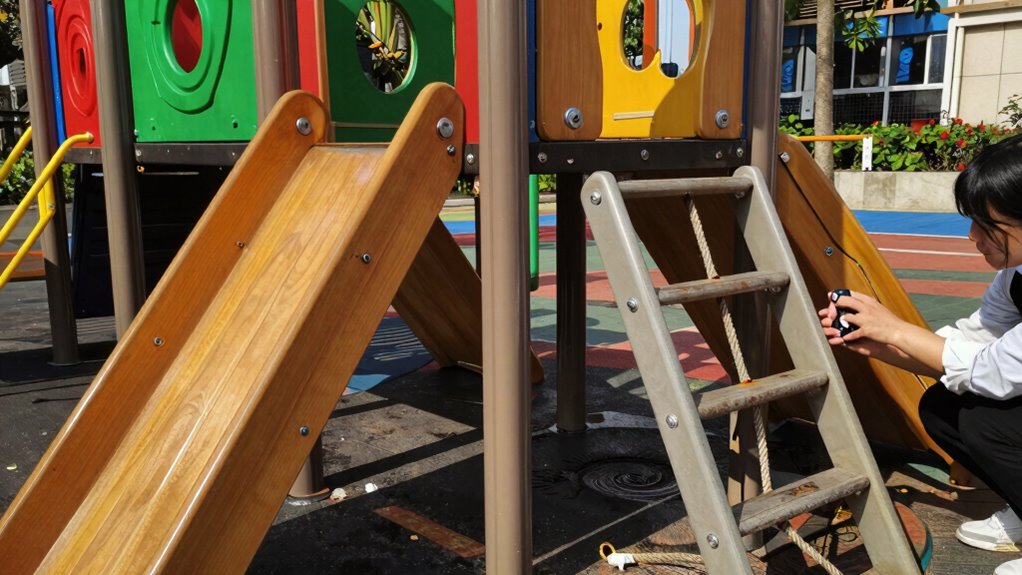
Regularly maintaining and inspecting climbing toys is essential to guarantee they remain safe for your child’s use over time. Consistent upkeep prevents accidents and prolongs the lifespan of the equipment. Follow simple maintenance tips to keep climbing toys in top condition, such as checking for loose bolts or worn-out ropes. Establish inspection routines that include visual checks for corrosion, splinters, or damage to padding. Be vigilant about loose or missing hardware, unstable surfaces, and frayed fabrics. Regular inspections help catch issues early, reducing injury risk. Remember, safety is ongoing. Staying proactive with maintenance tips and inspection routines ensures your child can enjoy climbing toys confidently and safely for years to come.
Frequently Asked Questions
How Can I Encourage My Child to Try New Climbing Challenges?
You can encourage your child to try new climbing challenges by using positive reinforcement, praising their efforts and bravery. Start with a gradual challenge that matches their current skill level, then gently increase difficulty as they gain confidence. Celebrate small successes along the way, and remind them that trying new things is fun and okay even if they stumble. Your support helps build their confidence and resilience in tackling new climbing adventures.
Are There Specific Brands Known for Safe Climbing Toys?
Yes, some brands are renowned for their safety and quality. Look for brands with a strong reputation for durability and safety certifications like ASTM or EN71. These certifications guarantee the climbing toys meet strict safety standards. Popular trusted brands include Little Tikes, Step2, and KidKraft, which prioritize design and safety features. Always check reviews and certification labels to confirm you’re choosing a safe option that encourages confidence without risking injuries.
How Often Should Climbing Toys Be Replaced or Upgraded?
Think of your child’s climbing toy as a trusted companion on their adventure; it needs to stay sturdy and reliable. You should replace or upgrade it when signs of wear and tear appear, typically every 1-3 years depending on usage. Monitoring the climbing toy lifespan and replacement frequency guarantees safety, keeps the challenge fresh, and continues to build confidence without risking injuries. Regular checks help your little explorer stay safe and confident on their journey.
What Signs Indicate a Climbing Toy Is Unsafe or Worn Out?
If you notice wear and tear, such as splintered wood or frayed ropes, your climbing toy might be unsafe. Check for loose parts, like screws or bolts, which can cause instability. Also, look for sharp edges or cracked surfaces that could hurt your child. Regular inspections help catch these signs early, ensuring your child stays safe while building confidence and having fun on their climbing toy.
How Do I Involve My Child in Choosing Their Climbing Toy?
You involve your child in the toy selection process by asking about their preferences and encouraging them to touch and try different options. For example, you could let a 5-year-old pick between two colorful climbing structures, fostering excitement and ownership. This child participation makes them more invested, helps you understand their comfort level, and guarantees you select a safe, engaging toy that boosts confidence and keeps injuries at bay.
Conclusion
Choosing the right climbing toy is like planting a seed of confidence—you’ll watch your child grow stronger and braver with each safe adventure. Prioritize safety, assess their skill level, and set up a secure space to nurture their independence. Remember, a well-chosen climbing toy isn’t just a fun distraction; it’s a stepping stone to resilience. With vigilant maintenance, you create a sturdy foundation where courage blossoms, turning play into lifelong confidence.