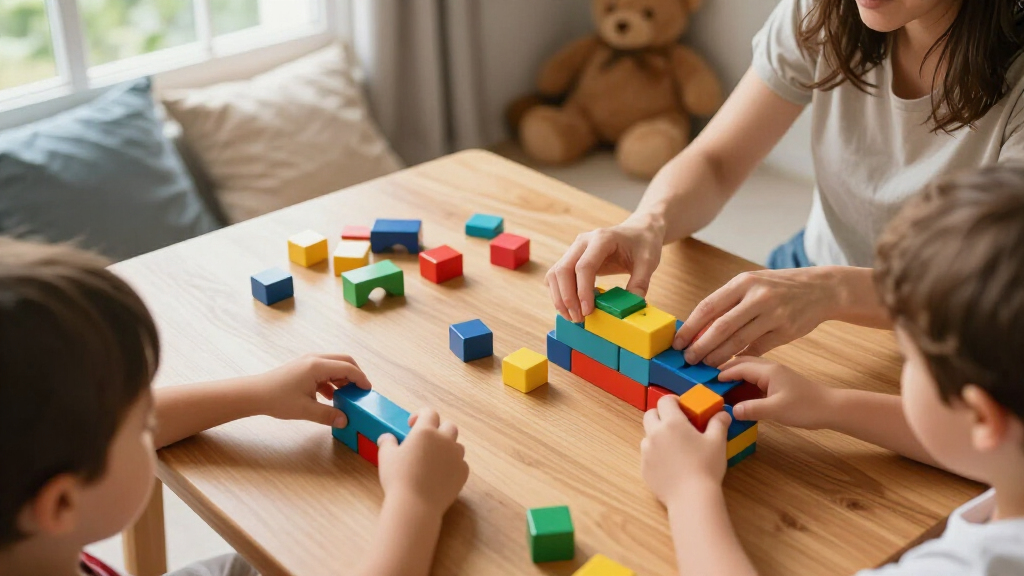

Finding the best toys and games for kids involves balancing fun, education, and safety. The Alilo Math Games stand out for portable learning, making math practice engaging on the go. For younger children, the Montessori Board Game offers a tactile, educational experience that fosters fine motor skills and problem-solving. Active and social kids will enjoy options like The Floor is Lava! or Pass The Potato, which promote movement and interaction. However, parents face tradeoffs between complexity, price, and developmental focus. Continue reading for a detailed breakdown of the top choices and how to pick the best toys and games for your child’s needs.

Turn the school run and nap time into listening time
- Thousands of audiobooks, podcasts and originals
- Listen on your phone, tablet or Echo — also offline
- Cancel anytime
Complete the kit


Key Takeaways
- The top picks balance educational value with active fun, ensuring kids learn while staying engaged.
- Durability and safety are key factors that set apart premium options from lesser-built alternatives.
- Versatile games that support multiple players tend to be more suited for family or group play.
- Age-specific design remains crucial; toys should match the child’s developmental stage to maximize benefits.
- Price often correlates with complexity and durability, but the most affordable options can still offer great value when chosen wisely.
| alilo Math Games for Kids Ages 5-12, Portable Math Toys for Travel |  | Best Overall for Engaged Math Practice | Number of Games: 19 | Included Components: Battery Cover, Auxiliary Tool, Belt, Manual, Math Games | Age Range: 3-12 years | VIEW LATEST PRICE | See Our Full Breakdown |
| Montessori Board Game for Kids 4-6, Wooden Sticks Dice Game with Balls, Educational Toy for 3-6 Years |  | Best for Early Fine Motor and Math Skills | Number of Players: 2-6 | Included Components: 42 sticks, 1 wooden tower, 12 balls, 1 die, manual | Minimum Age Recommendation: 36 months | VIEW LATEST PRICE | See Our Full Breakdown |
| TOMY Pop Up Super Mario Family Action Game |  | Best for Family Fun and Decision-Making | Number of Players: 2-4 | Ages: 4+ | Play Modes: Classic Play, Coin Collection, Team Play | VIEW LATEST PRICE | See Our Full Breakdown |
| Hasbro Gaming Operation Electronic Board Game |  | Best for Skill Development and Classic Fun | Ages: 6+ | Players: 1+ | Batteries: Included or required | VIEW LATEST PRICE | See Our Full Breakdown |
| Don’t Rock the Boat Board Game for Family Night |  | Best for Focus and Fine Motor Skills in Preschoolers | Age Range: 5+ | Theme: Pirate, Boat, Penguin | Type: Balance game | VIEW LATEST PRICE | See Our Full Breakdown |
| ThinkFun Gravity Maze – Falling Marble Logic Game – STEM Toy for Kids 8-12 |  | Best Overall for Critical Thinking and Engineering Challenges | Number of Towers: 9 | Marbles Included: 3 | Game Grid: Yes | VIEW LATEST PRICE | See Our Full Breakdown |
| Mattel Toss Across Indoor Outdoor Game for Ages 5+ |  | Best for Active Family Play and Indoor/Outdoor Versatility | Ages: 5+ | Players: 2-4 | VIEW LATEST PRICE | See Our Full Breakdown | |
| Educational Insights Kanoodle | 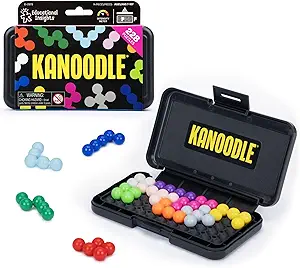 | Best Portable Brain Teaser for Critical Thinking and Travel | Number of puzzles: 228 | Puzzle pieces: 12 | Puzzle book pages: 48 | VIEW LATEST PRICE | See Our Full Breakdown |
| Goliath The Floor is Lava! Game by Endless Games |  | Best Active Family Game for Physical Play and Imagination | Number of players: 2-6 | Ages: 5 and up | Contents: 25 foam stones, challenge cards, spinner | VIEW LATEST PRICE | See Our Full Breakdown |
| Move2Play Pass The Potato – Active Family Game for Kids Ages 3-8+ |  | Best Interactive Sensor Game for Laughter and Active Play | Brand: Move2Play | Age Range: 6 Months+ | Number of Packs: 1 | VIEW LATEST PRICE | See Our Full Breakdown |
| Let’s Go Fishin’ Game by Pressman |  | Best Classic Family Game for Developing Hand-Eye Coordination | Players: 1-4 | Ages: 4 and up | Fish Count: 21 | VIEW LATEST PRICE | See Our Full Breakdown |
More Details on Our Top Picks
alilo Math Games for Kids Ages 5-12, Portable Math Toys for Travel
This portable math toy stands out for its wide variety of 19 interactive games, making it a versatile choice for children who enjoy learning through play. Compared with the simpler Montessori board game, it offers more structured skill development and adaptive challenges, though it can be overwhelming for younger or less experienced kids due to the number of options. Its voice encouragement and error correction boost confidence, especially for independent learners, but the need for batteries and unclear display quality are minor drawbacks. Overall, this makes the most sense for families seeking an engaging, travel-friendly math companion that encourages self-directed learning.
Pros:- Wide variety of 19 interactive math games to maintain engagement
- Voice encouragement and error correction support independent learning
- Portable and durable design suitable for travel and daily use
Cons:- Requires batteries, which are not included, adding a small extra step
- Some children may find the array of games overwhelming or distracting
Best for: Parents looking for a comprehensive, portable math toy that can keep kids entertained during travel or downtime
Not ideal for: Parents of very young children under 4, as the complexity may be confusing or unengaging for them
- Number of Games:19
- Included Components:Battery Cover, Auxiliary Tool, Belt, Manual, Math Games
- Age Range:3-12 years
- Model Number:KS-1
Our verdict“This pick is perfect for families needing a versatile, engaging math toy suitable for a range of ages and travel needs.”
Montessori Board Game for Kids 4-6, Wooden Sticks Dice Game with Balls, Educational Toy for 3-6 Years
This Montessori game excels at encouraging early math and motor skills, with its colorful wooden sticks, balls, and simple die. Compared to the more tech-based alilo math toy, it offers tactile, hands-on play that promotes social interaction among multiple players, making it ideal for small groups or classroom use. Its natural wooden construction and smooth surfaces appeal to parents seeking non-toxic, safe materials, but its limited age range and simplicity may leave older or more advanced children seeking more challenge. This game makes the most sense for parents of toddlers and preschoolers wanting to nurture foundational skills in a social setting.
Pros:- Encourages math skills and fine motor development simultaneously
- Suitable for multiple players, fostering social interaction
- Made from safe, non-toxic, smooth wooden materials
Cons:- Limited to children aged 3-6, not suitable for older kids
- Game complexity may be too simple for some children or homeschoolers
Best for: Parents of preschool-aged children who want a safe, social, and tactile math game
Not ideal for: Parents of older kids or those seeking highly challenging or complex gameplay
- Number of Players:2-6
- Included Components:42 sticks, 1 wooden tower, 12 balls, 1 die, manual
- Minimum Age Recommendation:36 months
- Brand:WhimsiPlay
- Model Number:2170010
Our verdict“Ideal for early childhood developmental play that combines math, motor skills, and social interaction in a safe, natural material setting.”
TOMY Pop Up Super Mario Family Action Game
This game stands out for its lively pop-up design and multiple play modes, making it a great choice for family game nights. While the game promotes decision-making, color recognition, and speech skills, it may be too simple for older children or seasoned gamers who prefer more complex challenges. Its quick setup and broad age range—4 and up—make it accessible, though the limited player count of 2-4 might restrict larger family groups. Compared with more physically active games like ‘The Floor is Lava!’, it offers a more manageable and inclusive experience, especially for Mario fans or younger kids who enjoy light, fast-paced play.
Pros:- Engaging pop-up gameplay with multiple modes offers variety
- Supports decision-making, color recognition, and speech development
- Easy to learn and quick to set up for family-friendly fun
Cons:- May be too simplistic for experienced or older players
- Limited to 2-4 players, not ideal for larger families or groups
Best for: Families seeking an easy, engaging game that combines fun with light educational elements for children and parents
Not ideal for: Older kids or groups looking for more strategic or physically active games
- Number of Players:2-4
- Ages:4+
- Play Modes:Classic Play, Coin Collection, Team Play
Our verdict“This game makes a lively, family-friendly choice for casual game nights with young children or Mario fans.”
Hasbro Gaming Operation Electronic Board Game
This electronic operation game emphasizes fine motor skills and hand-eye coordination, with its buzzer sound adding a layer of excitement. Compared to the more straightforward Mario game, Operation offers a more skill-focused experience that can be played solo or with others, making it flexible for different family setups. Its appeal is somewhat limited by its age range of 6 and up, and the buzzer can become frustrating if overly sensitive. The need for batteries, which may or may not be included, is a minor inconvenience. Overall, this game is a solid choice for children who enjoy precision challenges and a touch of competitive tension in a classic format.
Pros:- Develops fine motor skills and hand-eye coordination
- Fun and unpredictable buzzer sound adds excitement
- Suitable for solo play or group engagement
Cons:- Overly sensitive buzzer may cause frustration
- Limited age range and gameplay depth for older children
Best for: Parents wanting a skill-building game that promotes coordination and patience in children aged 6 and above
Not ideal for: Parents of very young children or those seeking a highly active or physical game
- Ages:6+
- Players:1+
- Batteries:Included or required
Our verdict“Ideal for children who enjoy precision tasks and classic skill challenges in a fun, slightly tense setting.”
Don’t Rock the Boat Board Game for Family Night
This balancing game excels at fostering focus, hand-eye coordination, and patience with its pirate ship theme and cute figures. Compared with the digital or electronic options, it offers a tactile, calming experience that’s ideal for preschoolers aged 5 and up. While engaging and fun, its challenge level may be too high for very young children or those with limited patience, and once mastered, it may lose some replay value. Nevertheless, it makes a charming addition to family nights or classroom activities, especially for kids developing core motor skills and concentration.
Pros:- Engaging balancing challenge that promotes focus
- Includes adorable pirate ship and penguin figures
- Good for developing fine motor skills and hand-eye coordination
Cons:- May be too challenging for very young children or those with limited patience
- Limited replay value once the game is mastered
Best for: Parents of young children seeking a gentle, engaging game that promotes concentration and fine motor skills
Not ideal for: Children older than 7 or those craving more fast-paced or strategic gameplay
- Age Range:5+
- Theme:Pirate, Boat, Penguin
- Type:Balance game
- Educational Focus:Focus, fine motor skills, hand-eye coordination
Our verdict“This game is well-suited for preschoolers working on focus and motor skills within a calming, themed environment.”
ThinkFun Gravity Maze – Falling Marble Logic Game – STEM Toy for Kids 8-12
The ThinkFun Gravity Maze stands out as the most comprehensive logic game in this lineup, offering a rich set of challenges that promote engineering, problem-solving, and strategic thinking. Compared with the simpler Toss Across, it provides a deeper educational experience, though it involves a longer setup time and may be less appealing for very young children under 8. Its 60 progressive challenges and multiple towers foster creativity and collaborative play, making it ideal for kids who enjoy building and reasoning tasks. However, the game’s complexity can be daunting for beginners and it’s limited to a single gameplay style. This pick makes the most sense for children aged 8-12 who are ready for more sophisticated STEM activities. The need for patience during setup and the narrow focus on marble-based puzzles are tradeoffs to consider.Pros:- Encourages critical thinking and engineering skills
- Includes diverse construction challenges for creativity
- Supports collaborative problem-solving
Cons:- Setup can be time-consuming for some users
- May be too challenging for children under 8
Best for: Families seeking a challenging, educational STEM toy that encourages critical thinking and teamwork for children ages 8-12.
Not ideal for: Younger children under 8 or families looking for quick, casual play sessions with minimal setup.
- Number of Towers:9
- Marbles Included:3
- Game Grid:Yes
- Target Piece:Yes
- Challenges:60 progressive challenges
- Recommended Age:8-14
Our verdict“This game is best suited for older kids who enjoy complex puzzles and engineering challenges, offering long-lasting educational value.”
Mattel Toss Across Indoor Outdoor Game for Ages 5+
Toss Across offers a lively twist on classic Tic Tac Toe, combining tossing skills with strategic placement, making it a great choice for family game nights. Unlike the more physically demanding Floor is Lava!, it requires less space and is easier to set up, ideal for smaller yards or indoor play. Its simple design helps develop hand-eye coordination and introduces younger children to competitive play, though its limited player capacity (up to four) and small game area might restrict longer gameplay sessions. This game makes the most sense for families with children aged 5 and up who want active, easy-to-understand fun that can be played anywhere. The need for some open space and the limited number of players are potential drawbacks.Pros:- Engages children and family members actively
- Helps develop hand-eye coordination
- Suitable for indoor and outdoor use
Cons:- Requires some space for tossing
- Limited to small groups (up to 4 players)
Best for: Parents seeking a quick, active game for children and families that works indoors and outdoors with minimal setup.
Not ideal for: Large families or game enthusiasts who want more complex gameplay or a higher number of players.
- Ages:5+
- Players:2-4
Our verdict“Perfect for quick, active play sessions that bring the family together, especially in smaller spaces.”
Educational Insights Kanoodle
Kanoodle excels as a compact puzzle game that challenges spatial reasoning and problem-solving through a large variety of puzzles, making it ideal for travel or quiet time. Its 228 puzzles span from beginner to expert, offering plenty of variety but also presenting a challenge that might frustrate newcomers. Compared to the more physically active Floor is Lava!, Kanoodle emphasizes mental agility over physical movement, appealing to kids who prefer solo, screen-free entertainment. Its small case makes it highly portable, though limited to one player at a time and puzzle difficulty can vary widely. This game is best suited for children who enjoy solitary brainteasers and travel-friendly activities. The narrow focus on solo play and puzzle difficulty are points to consider.Pros:- Highly portable and travel-friendly
- Wide range of puzzles for all skill levels
- Encourages critical thinking and spatial reasoning
Cons:- Designed for solo play only
- Puzzle difficulty varies, which can frustrate beginners
Best for: Kids who love brain teasers and need engaging, travel-ready mental challenges for quiet or on-the-go moments.
Not ideal for: Families seeking cooperative or physical games, or children who prefer group play.
- Number of puzzles:228
- Puzzle pieces:12
- Puzzle book pages:48
- Suitable for:1 player
Our verdict“An excellent choice for independent puzzle lovers who want portable, challenging entertainment.”
Goliath The Floor is Lava! Game by Endless Games
The Floor is Lava! invites kids and adults to leap across foam stones, turning physical activity into an imaginative challenge. It’s a lively alternative to the more cerebral Kanoodle, focusing on active movement and teamwork. While it’s a blast in larger indoor spaces or outdoors, the game’s requirement for jumping space and safety considerations limit its usability in tight areas. Its 25 foam stones and challenge cards make it engaging, but the maximum of six players and the need for space could restrict longer or larger group sessions. This game is ideal for energetic families who want a physically engaging experience that sparks imagination. Its physical demands and space requirements are tradeoffs to keep in mind.Pros:- Promotes physical activity and active imagination
- Suitable for indoor and outdoor play
- Engages entire family with fun challenges
Cons:- Requires ample space for jumping
- Limited to six players at a time
Best for: Active families with enough space who want a high-energy, imaginative game for kids and adults alike.
Not ideal for: Small apartments or indoor spaces with limited jumping room, or groups larger than six players.
- Number of players:2-6
- Ages:5 and up
- Contents:25 foam stones, challenge cards, spinner
Our verdict“Best for energetic families looking for a lively, physically active game that sparks creativity and movement.”
Move2Play Pass The Potato – Active Family Game for Kids Ages 3-8+
Pass The Potato offers a lively, sensor-enabled game that encourages active play and laughter, making it a strong choice for families with children in the 3-8 age range. Its humorous sayings and sound effects add a fun twist, especially compared to the more physically demanding Floor is Lava! which requires jumping and space. The adjustable volume and washable design make it practical for regular use, though the included battery may need replacement over time and the noise level could be an issue in quiet settings. This game makes the most sense for parents wanting a playful, interactive activity that’s easy to set up indoors or outdoors. Its reliance on batteries and potential noise issues are tradeoffs to consider.Pros:- Interactive with responsive sounds and sayings
- Suitable for indoor and outdoor active play
- Encourages physical activity and laughter
Cons:- Requires battery replacements over time
- Can be noisy at high volume
Best for: Parents seeking a playful, sensor-based game that fosters active movement and laughter for younger children.
Not ideal for: Families who prefer low-noise, non-electronic activities or children outside the 3-8 age range.
- Brand:Move2Play
- Age Range:6 Months+
- Number of Packs:1
- Included Components:1 Potato
- Model Number:FOOD102
Our verdict“Ideal for lively, sensor-based fun that promotes active movement and giggles in young children.”
Let’s Go Fishin’ Game by Pressman
Compared with more STEM-focused options like ThinkFun Gravity Maze, the Let’s Go Fishin’ Game offers a more tactile and fast-paced experience that captures kids’ attention through physical skill. Its bright, colorful fish and spinning pond create a lively atmosphere that makes it easy for younger children to stay engaged. While it may lack the strategic depth of more complex games, this pick excels at helping kids develop hand-eye coordination in a fun, approachable way. The limited number of players and the simplicity might make it less appealing for older children or larger family groups, but for preschoolers or early elementary kids, it’s a delightful introduction to game play. The game’s plastic construction ensures durability, though it might be less eco-friendly than wooden alternatives. Overall, this game makes the most sense for families seeking a quick, engaging activity that promotes fine motor skills.
Pros:- Bright, colorful design attracts young children
- Encourages development of hand-eye coordination
- Durable plastic construction for everyday play
- Simple rules make it easy for kids to learn quickly
Cons:- Limited to 1-4 players, less suitable for large groups
- May become less challenging for older kids or frequent players
Best for: Families with preschool or early elementary children who want a quick, engaging game to develop hand-eye coordination
Not ideal for: Older children or those seeking complex strategy games—its simplicity can become repetitive for more advanced players
- Players:1-4
- Ages:4 and up
- Fish Count:21
- Material:Plastic
Our verdict“This game is perfect for parents wanting a lively, skill-building activity for preschoolers and early elementary kids.”

How We Picked
This lineup was curated based on a combination of factors including educational impact, durability, ease of use, and versatility. I prioritized toys that foster learning through play, especially those encouraging problem-solving, coordination, and social interaction. Safety standards and build quality were essential, as was overall value—balancing price against features. To rank these options, I considered how well each toy suits different age groups, their replayability, and how effectively they combine fun with developmental benefits. The result is a selection that appeals to various interests and budgets, ensuring there’s a great option for every type of kid.Factors to Consider When Choosing Best Toys And Games For Kids
Choosing the best toys and games for kids involves more than just picking the most colorful or popular options. Think about the child’s age, interests, and developmental needs. Durability is important to withstand active play, while safety features protect against common hazards. Consider whether the toy encourages learning, physical activity, or social skills, depending on what you value most. Additionally, some toys are better suited for solo play, while others excel in group settings. Keep these factors in mind to select a toy that truly benefits your child’s growth and happiness.Age Appropriateness
Matching toys to a child’s age ensures both safety and engagement. Toys that are too complex can frustrate younger children, while overly simple options may bore older kids. Pay attention to recommended age ranges and developmental milestones—this helps in choosing toys that challenge without overwhelming. For instance, a puzzle suitable for 4-year-olds might be too easy for a 6-year-old, but a game designed for older kids could be too complicated for a preschooler. Ensuring age appropriateness boosts confidence and keeps playtime enjoyable.
Educational vs. Pure Fun
Some toys emphasize learning through interactive features, like math games and logic puzzles, helping kids develop skills while having fun. Others focus purely on active or imaginative play, fostering creativity and physical health. Striking a balance between these types can be ideal, especially for parents looking to combine entertainment with developmental benefits. Be wary of toys that claim to be educational but lack engagement, or those that are fun but miss opportunities for skill-building. Prioritize toys that seamlessly integrate learning and play to maximize value.
Durability and Safety
Toys should be built to withstand regular use, especially for active or outdoor play. Look for high-quality materials and secure fittings to prevent breakage or choking hazards. Safety standards vary by region, so checking for certifications can help ensure peace of mind. Investing in durable toys might cost more upfront, but they often last longer and provide better value. Remember, a well-made toy not only endures but also reduces safety concerns, making playtime worry-free for parents.
Versatility and Group Play
Games that support multiple players tend to be more engaging for families or groups of friends, encouraging social skills and cooperation. Versatile toys that can be adapted for different ages or play styles extend their usefulness over time. However, some highly specialized toys might appeal only to specific interests, limiting their long-term appeal. Think about how often and with whom the toy will be used—if it’s primarily for family nights or parties, choose options that encourage interaction and inclusivity.
Price and Value
While higher-priced toys often feature better craftsmanship and more complex features, affordable options can still deliver excellent play and learning opportunities when chosen carefully. Consider the long-term value—will the toy grow with your child or require frequent replacement? Also, look for features that add replayability, like multiple game modes or adaptable rules. Avoid impulse buys; instead, focus on toys that offer a good balance of cost, quality, and potential for ongoing fun.
Frequently Asked Questions
Are educational toys actually effective for learning?
Educational toys can be highly effective when they are age-appropriate and designed to stimulate thinking, problem-solving, and fine motor skills. They often incorporate interactive elements that keep children engaged and motivated to learn. However, the effectiveness depends on how the child interacts with the toy; active involvement and parental guidance can enhance learning outcomes. Look for toys that balance challenge and fun, encouraging curiosity without causing frustration.
Should I prioritize durability over features?
Durability is essential if your child tends to be active or rough with toys, as it ensures safety and longevity. While additional features can enhance play value, a fragile toy might break quickly, leading to safety risks or the need for frequent replacement. The best approach is to find a balance—choose toys that are sturdy enough to withstand regular use but also offer engaging features that match your child’s interests and developmental stage.
How do I choose toys that support my child’s interests?
Pay attention to what your child naturally gravitates toward—whether it’s building, arts, active play, or pretend scenarios—and select toys that align with those interests. Observing their favorite activities offers clues about what will keep them engaged. It’s also helpful to introduce a variety of options gradually, encouraging exploration of different skills and hobbies. The right toy will feel like an extension of their personality, fostering ongoing enthusiasm and learning.
Is it better to buy open-ended or structured games?
Open-ended toys and games tend to promote creativity, problem-solving, and social interaction, making them versatile choices for different ages and settings. Structured games, on the other hand, often teach specific skills or rules, providing clear objectives and outcomes. The best approach depends on your goals—if fostering imagination and adaptability is key, open-ended options are ideal. For teaching particular concepts or routines, structured games can be more effective, especially when combined with adult guidance.
How important is the age recommendation on packaging?
Age recommendations are a helpful guide to ensure safety and appropriate challenge levels, but they shouldn’t be the sole factor in decision-making. Some children may be ready for more advanced toys earlier, while others benefit from simpler options. Consider your child’s individual development, interests, and safety when choosing a toy outside the recommended age range. Ultimately, selecting age-appropriate toys helps maintain engagement and prevents frustration or safety issues.
Conclusion
For families seeking an all-around excellent choice, the Alilo Math Games stand out as the best overall option due to their portability and educational value. Parents looking for the best bang for their buck might prefer versatile and durable options like Move2Play Pass The Potato or Mattel Toss Across. Those interested in premium quality can consider more complex games like Gravity Maze or Operation, which offer lasting value and sophisticated play. Beginners or casual players should opt for simple, easy-to-understand games like Let’s Go Fishin’ or Don’t Rock the Boat. For kids with specific interests, such as active play or logic puzzles, tailored choices like The Floor is Lava! or Montessori Board Game will provide the best experience. With this guide, you can confidently select toys that match your child’s age, interests, and your budget to foster fun and growth.