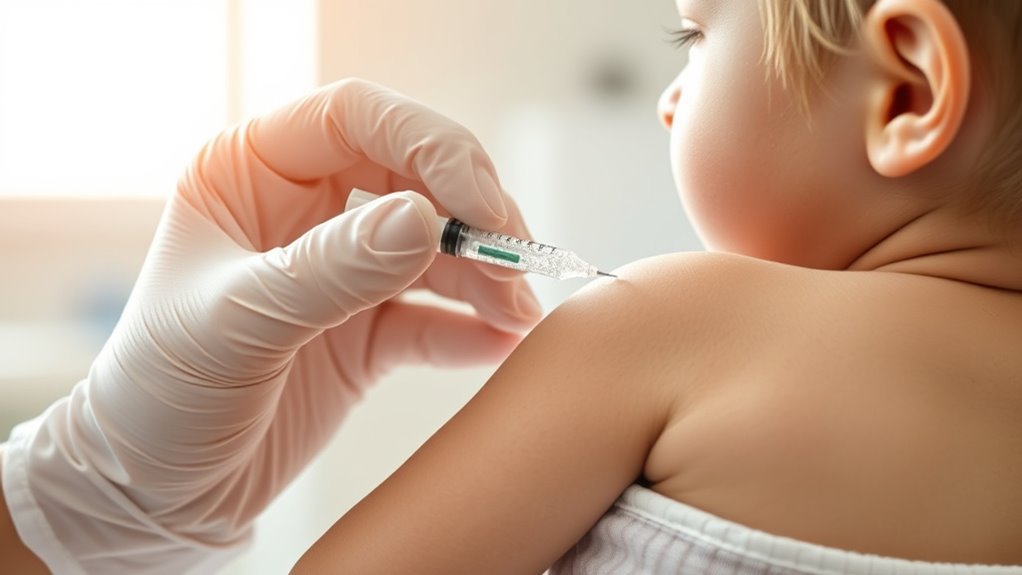

mRNA vaccines in pediatrics use a small genetic message to teach your child’s immune system to recognize and fight specific viruses like COVID-19. They are fast to develop, adaptable to new strains, and don’t use live viruses, making them safe and effective. Most side effects are mild and short-term. Because of their flexibility, mRNA vaccines are poised to protect kids against current and future health threats more efficiently. To explore how this technology is shaping child healthcare, keep going.
Key Takeaways
- mRNA vaccines teach children’s immune systems to recognize viruses by instructing cells to produce harmless viral proteins.
- They are highly effective, with over 90% reduction in COVID-19 cases among children, and have minimal side effects.
- mRNA technology allows rapid vaccine development and easy updates for new or mutated virus strains in pediatrics.
- Common mild side effects include soreness, fatigue, and headache; serious reactions are very rare.
- Future advancements aim for personalized, safer, and more efficient pediatric vaccines with longer-lasting protection.
Understanding Mrna Technology in Vaccines

Have you ever wondered how mRNA vaccines work? These vaccines teach your immune system to recognize and fight specific pathogens without introducing the actual virus. They contain messenger RNA, a tiny piece of genetic code, which instructs your cells to produce a harmless piece of the virus called the spike protein. When your cells make this protein, your immune system detects it as foreign and mounts a response, creating antibodies. If you encounter the real virus later, your body recognizes it and fights it off more effectively. The beauty of mRNA technology is that it’s quick to develop and adaptable. It’s a precise way to activate immunity without exposing you to the disease itself.
How Mrna Vaccines Work in Children

Since children’s immune systems are still developing, mRNA vaccines are designed to be both safe and effective for them. When you receive an mRNA vaccine, it delivers a tiny piece of genetic code that instructs your cells to produce a harmless piece of the virus, like the spike protein. Your immune system then recognizes this protein as foreign and mounts a response, creating antibodies. This process trains your body to recognize and fight the actual virus if you encounter it later. Importantly, the mRNA does not enter the nucleus of your cells or alter your DNA. This approach allows your immune system to learn quickly and efficiently, providing protection tailored to children’s developing immune systems while minimizing side effects.
Benefits of Using Mrna in Pediatric Immunizations
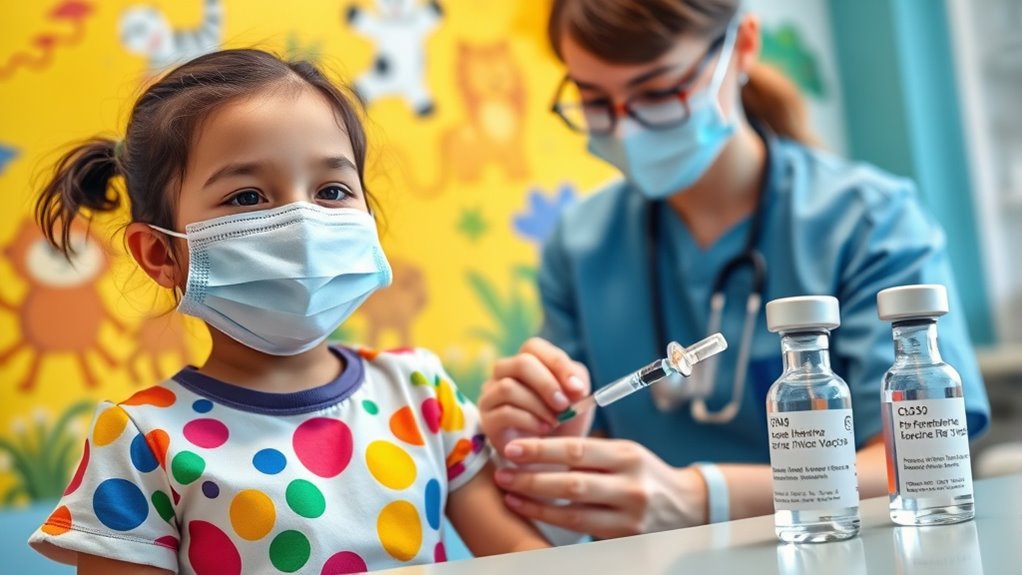
Using mRNA technology in pediatric immunizations offers several notable advantages. First, it allows for rapid development and manufacturing, which is essential during emerging outbreaks. Because mRNA vaccines instruct cells to produce specific proteins, they can be quickly tailored to target new or mutated viruses. This flexibility means vaccines stay current against evolving pathogens. Additionally, mRNA vaccines often elicit strong immune responses, providing effective protection with potentially fewer doses. They also avoid the use of live viruses, reducing the risk of infection from the vaccine itself. Moreover, mRNA platforms are adaptable, enabling the development of combination vaccines that protect against multiple diseases simultaneously. Overall, these benefits make mRNA vaccines a promising tool for safeguarding children’s health efficiently and effectively.
Safety and Efficacy of Mrna Vaccines for Kids

You might wonder how safe and effective mRNA vaccines are for children. The clinical trial results show strong protection with minimal side effects, but it’s important to understand what this means long-term. Let’s explore the data to see how these vaccines provide lasting immunity for kids. Notably, the high efficacy rates observed in trials suggest that these vaccines are highly effective in preventing severe illness.
Clinical Trial Results
Clinical trials have shown that mRNA vaccines are both safe and effective for children. These trials involved thousands of young participants, providing robust data on the vaccines’ performance. You can see that:
- The vaccines reduced COVID-19 cases in children by over 90%, demonstrating strong protection.
- Serious side effects were extremely rare, confirming safety across different age groups.
- Immune responses in children matched or exceeded those seen in adults, indicating effective immunity.
These results reassure you that the benefits of vaccination outweigh potential risks. The data supports widespread use in pediatric populations, helping to curb the spread of COVID-19 and protect children’s health.
Side Effect Profile
While mRNA vaccines have proven highly effective for children, understanding their side effect profile is essential for making informed decisions. Most side effects are mild and temporary, like soreness at the injection site, fatigue, or headache. Serious adverse reactions are rare but can include allergic responses or myocarditis, mostly in adolescent males. It’s important to weigh these risks against the benefits of protection against COVID-19. Here’s a quick overview: Enhanced natural language processing contributes to better monitoring and reporting of vaccine side effects in real-time.
| Side Effect | Common Symptoms | Rare Risks |
|---|---|---|
| Local reactions | Soreness, redness | Severe allergic reactions |
| Systemic reactions | Fatigue, fever, headache | Myocarditis, blood clots |
| Duration | Usually 1-2 days | Less than 1% experience |
| Severity | Mild to moderate | Rare, but serious |
| Management | Rest, hydration | Medical attention needed |
Long-term Protection
Despite being relatively new, mRNA vaccines have demonstrated strong long-term safety and efficacy in children. Ongoing studies show that the protection they provide lasts well beyond the initial doses. Here’s what you should know:
- They maintain high effectiveness in preventing severe illness and hospitalization over time.
- Research indicates minimal long-term side effects, with most adverse reactions occurring shortly after vaccination.
- Immunity may be boosted with additional doses, ensuring continued protection against evolving variants.
- Proper planning around vaccine schedules and understanding retirement planning can help families manage healthcare costs and future financial needs effectively.
Because of these factors, mRNA vaccines offer reliable long-term defense for kids. While ongoing research continues, current data supports their safety and sustained effectiveness, making them a valuable tool in pediatric health.
Types of Diseases Targeted by Mrna Vaccines in Pediatrics
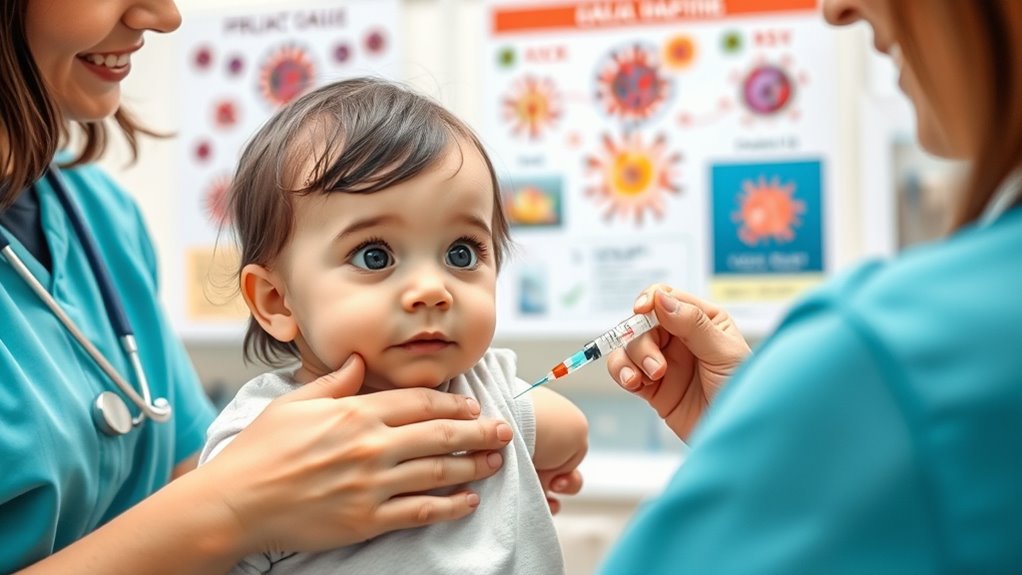
You should understand that mRNA vaccines are designed to prevent viral infections in children. They work by prompting the immune system to recognize and fight specific viruses effectively. This targeted immune response helps protect your child from serious diseases. Empowering families with knowledge about vaccine safety and benefits can further support informed decision-making.
Preventing Viral Infections
mRNA vaccines have revolutionized the way we prevent viral infections in children by directly instructing their cells to produce specific viral proteins, which then trigger an immune response. These vaccines target a variety of diseases, including:
- COVID-19: Protects against severe illness and transmission.
- Influenza: Reduces the risk of seasonal flu and complications.
- RSV (Respiratory Syncytial Virus): Aims to prevent serious respiratory infections in infants.
Targeted Immune Response
Building on how mRNA vaccines help prevent viral infections, they also enable a targeted immune response against specific diseases. These vaccines instruct your immune system to recognize and attack particular pathogens, reducing disease severity or preventing illness altogether. In pediatrics, mRNA vaccines target diseases like COVID-19, influenza, and certain cancers. They stimulate the production of specific antibodies and activate immune cells tailored to fight these illnesses. This precise approach enhances protection without exposing children to unnecessary risks. Because mRNA vaccines focus on particular viral proteins, they generate a strong, focused immune response. This targeted strategy improves vaccine effectiveness and can adapt quickly to new strains or emerging diseases, making them a powerful tool in pediatric disease prevention. Additionally, advances in applying mRNA technology have accelerated vaccine development, allowing for rapid responses to evolving health threats in children.
Future Perspectives of Mrna Vaccines in Child Healthcare

As research advances, the potential for mRNA vaccines to transform child healthcare continues to grow. You might see more personalized vaccines tailored to individual genetic profiles, improving effectiveness. Additionally, mRNA technology could enable rapid development of vaccines for emerging infectious diseases, providing swift responses during outbreaks. Finally, ongoing studies aim to reduce vaccine doses and eliminate the need for boosters, making immunizations more comfortable and accessible for children. These developments could lead to safer, more efficient immunization programs. You’ll benefit from vaccines that adapt quickly to new threats, offer fewer side effects, and improve overall child health outcomes. The future of mRNA in pediatrics promises a more responsive and personalized approach to disease prevention, shaping the next era of child healthcare. Advances in vaccine technology continue to hold promise for more targeted and effective pediatric immunization strategies.
Frequently Asked Questions
Are Mrna Vaccines Suitable for Children of All Ages?
You’re wondering if mRNA vaccines are suitable for children of all ages. Currently, these vaccines are approved for certain age groups, typically starting from age 6 months or older, depending on the vaccine. Safety and effectiveness data guide these approvals. For younger children, ongoing research continues, but it’s crucial to consult healthcare providers. They can provide personalized advice based on your child’s health and the latest guidelines.
How Do Mrna Vaccines Compare to Traditional Pediatric Vaccines?
Think of mRNA vaccines as a modern toolbox, offering precise instructions to your immune system. Compared to traditional vaccines, mRNA shots often work faster and can be tailored quickly to new threats. They’ve shown high effectiveness and often have fewer side effects. While traditional vaccines use weakened germs, mRNA vaccines teach your body to recognize and fight specific viruses, making them a powerful new chapter in pediatric immunization.
What Are Common Side Effects Specific to Children?
You might notice some common side effects in children after vaccination, like soreness at the injection site, fatigue, headache, or mild fever. These reactions are usually short-lived and a sign that their immune system is responding. Serious side effects are rare. Always watch for unusual symptoms and contact your healthcare provider if you’re concerned. Most children tolerate vaccines well and benefit from the protection they offer.
Can Mrna Vaccines Be Given Alongside Other Pediatric Medications?
Think of giving multiple medications as a symphony where each instrument plays its part. You can typically administer mRNA vaccines alongside other pediatric medications, but it’s essential to coordinate with your child’s healthcare provider. They’ll ensure there are no interactions or timing issues. Always inform them about all medications your child receives to keep the harmony of their health in tune and avoid any unintended side effects.
How Long Do the Immunity Effects Last in Children?
You’re wondering how long immunity lasts in children after vaccination. Typically, mRNA vaccines provide protection for several months to a few years, but the exact duration varies depending on the disease and individual factors. Boosters can help maintain immunity over time. It’s important to follow your healthcare provider’s advice on booster shots and ongoing protection to make certain your child stays protected against preventable illnesses.
Conclusion
Think of mRNA vaccines as skilled teachers guiding your child’s immune system like students learning to defend their school. They teach the body to recognize and fight off specific threats without causing harm. With this innovative approach, you’re equipping your child’s immune defenses for a healthier future. As science continues to advance, these vaccines become powerful allies in safeguarding your child’s well-being, just like dedicated teachers shaping confident, resilient students ready for any challenge.