Understanding the difference between baby blues and postpartum depression helps you recognize when to seek support. Baby blues cause mood swings, tearfulness, and irritability that usually fade within two weeks. Postpartum depression involves ongoing sadness, hopelessness, and difficulty caring for yourself or your baby, lasting weeks or months. If you’re feeling overwhelmed or your symptoms worsen, professional help is essential. Exploring this further will give you clearer guidance on what steps to take next.

Turn the school run and nap time into listening time
- Thousands of audiobooks, podcasts and originals
- Listen on your phone, tablet or Echo — also offline
- Cancel anytime
Key Takeaways
- Baby blues usually occur within the first two weeks postpartum and resolve quickly, while postpartum depression lasts beyond six weeks.
- Symptoms of baby blues include mood swings and tearfulness, whereas postpartum depression involves persistent sadness and loss of interest.
- Severity, duration, and impact on daily functioning differentiate postpartum depression from baby blues.
- Seek professional help if symptoms persist beyond a few weeks or include thoughts of self-harm or harming the baby.
- Support networks, open communication, and early intervention improve recovery chances for postpartum mood changes.
postpartum depression support books
As an affiliate, we earn on qualifying purchases.
As an affiliate, we earn on qualifying purchases.
Recognizing the Common Signs of Baby Blues

Many new moms experience the baby blues, which are common and usually temporary. You might notice mood swings, feeling more emotional than usual, or crying unexpectedly. Fatigue is also typical, making it hard to stay energized or focused. You may feel overwhelmed by the new responsibilities or unsure about your abilities as a mom. These feelings often come and go within the first two weeks after delivery. You might also experience irritability or anxiety, but these tend to be mild and short-lived. Recognizing these signs early helps you understand that these feelings are normal and part of the adjustment process. It’s also helpful to understand how color accuracy and contrast ratio in visual content can influence perception, as stress and fatigue may affect how you interpret your environment. Remember, the baby blues are a normal part of postpartum recovery, and they tend to improve on their own with time.
As an affiliate, we earn on qualifying purchases.
Understanding the Symptoms of Postpartum Depression
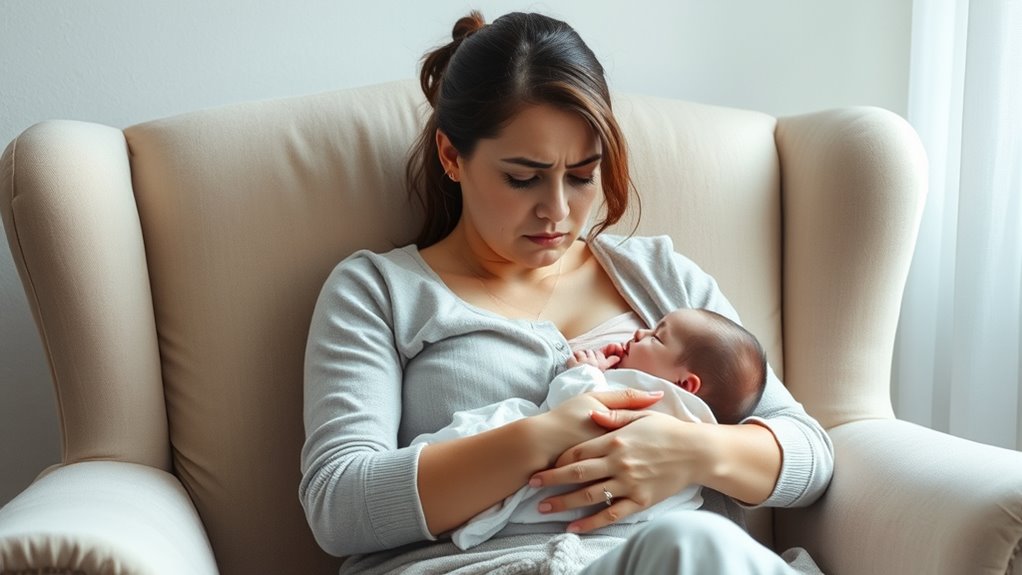
Postpartum depression goes beyond the typical mood swings and temporary feelings of the baby blues, affecting your daily life and well-being in more profound ways. You might notice persistent feelings of sadness, hopelessness, or emptiness that don’t go away. You could lose interest in activities you once enjoyed or feel disconnected from your baby. Sleep disturbances, whether too much or too little, are common. You might also experience fatigue, difficulty concentrating, or feelings of guilt and worthlessness. In some cases, thoughts of self-harm or harming your baby may arise. Recognizing these symptoms early is vital, as postpartum depression can interfere with your ability to care for yourself and your newborn. Using targeted treatments like Pimple Patches can be an effective way to address specific skin concerns during this challenging time. If these signs resonate with you, seeking support is an essential step toward recovery.
As an affiliate, we earn on qualifying purchases.
Timeline of Typical Mood Changes After Birth

After experiencing the intense emotions and physical changes following childbirth, your mood can fluctuate markedly during the first few weeks. Typically, you might feel overwhelmed, exhausted, or emotional as hormones adjust. Here’s what to expect:
- First Week: You may experience tearfulness, irritability, and mood swings—these are common baby blues.
- Weeks 2-3: Emotions might intensify, with feelings of sadness or anxiety. Sleep deprivation can worsen mood swings.
- Week 4: Many women notice stabilization, but some still feel vulnerable or teary.
- Beyond Week 6: If negative emotions persist or worsen, it could signal postpartum depression requiring attention. Recognizing the difference between baby blues and postpartum depression is crucial for seeking appropriate support.
As an affiliate, we earn on qualifying purchases.
Emotional and Physical Differences Between the Two Conditions

Understanding the emotional and physical differences between baby blues and postpartum depression is essential for recognizing when professional help is needed. With baby blues, you might feel mood swings, tearfulness, or irritability that come and go within a few days to a week. Physically, you may experience fatigue or mild sleep disturbances, but these generally improve quickly. In contrast, postpartum depression involves persistent feelings of sadness, hopelessness, or worthlessness that last for weeks or months. You might also experience loss of interest in activities, difficulty bonding with your baby, or thoughts of harming yourself. Physically, postpartum depression can cause significant fatigue, changes in appetite, and difficulty sleeping that don’t resolve on their own. Recognizing these differences helps you seek timely support and appropriate treatment. Additionally, awareness of symptoms and understanding mental health concerns can guide you in seeking the right help when needed.
Factors That Increase the Risk of Postpartum Depression

Your risk of postpartum depression can increase due to hormonal fluctuations after childbirth and a history of mental illness. These factors can make it harder to cope with the emotional changes that come with new motherhood. Understanding these risks helps you recognize early signs and seek support when needed. Awareness of modern toilet features and maintenance can also be beneficial in managing household stress during this challenging time.
Hormonal Fluctuations
Hormonal fluctuations play a significant role in increasing the risk of postpartum depression. After childbirth, your hormone levels—especially estrogen and progesterone—drop rapidly, which can trigger mood changes. These shifts affect neurotransmitters like serotonin, influencing your emotional stability. Here are four ways hormonal changes can heighten the risk:
- Sudden estrogen dips disrupting mood regulation
- Reduced progesterone impacting sleep and anxiety levels
- Imbalance in neurotransmitters leading to feelings of despair
- Hormonal sensitivity amplifying emotional responses
Understanding these fluctuations helps you recognize that these physical changes can contribute to emotional struggles, making it essential to seek support and monitor your mental health during this period.
History of Mental Illness
A history of mental illness substantially increases the risk of postpartum depression, as previous struggles with mood disorders can make it harder to adjust to the hormonal and emotional changes after childbirth. If you’ve experienced depression, anxiety, or other mental health issues before, you’re more vulnerable during this period. Recognizing this risk helps you seek support early. Factors like past episodes or ongoing treatment can influence your postpartum experience. Here’s a quick overview:
| Mental Health History | Increased Postpartum Risk |
|---|---|
| Past depression | Higher likelihood of postpartum depression |
| Anxiety disorders | Greater emotional vulnerability |
| Bipolar disorder | Elevated risk for mood swings |
| Previous postpartum episodes | Recurrence is common |
| Ongoing therapy | Important to maintain support systems |
Knowing your mental health background empowers you to get the help you need. Mental health history is a crucial factor to consider in postpartum care.
The Impact of Baby Blues and Postpartum Depression on Mothers and Families

The impact of baby blues and postpartum depression extends far beyond the individual mother, affecting her entire family. It can change daily routines, emotional dynamics, and communication patterns, sometimes leading to misunderstandings or strained relationships. Here are four key ways it impacts families:
- Emotional Strain: Family members may feel helpless, confused, or frustrated as they try to support her.
- Relationship Tensions: Increased stress can create distance between partners or with other children.
- Parenting Challenges: Postpartum struggles might hinder her ability to bond or respond to her baby’s needs.
- Support System Pressure: Family members often feel overwhelmed trying to balance caregiving and their own emotional health.
- The integration of AI in entertainment and technology could offer new tools for mental health support, helping families better understand and manage postpartum mental health challenges.
Understanding these effects helps families navigate challenges with compassion and awareness.
When to Seek Professional Help

If you’re experiencing symptoms that feel overwhelming or persist beyond a few weeks, it’s time to seek professional help. Recognizing urgent signs like intense mood swings, thoughts of harming yourself or your baby, or difficulty functioning is essential. Reaching out to mental health support can provide the guidance and care you need to heal and feel better. Considering long-term financial stability can also be important when planning for recovery and future wellbeing.
Recognizing Urgent Symptoms
Recognizing when symptoms become urgent is essential for your well-being and your baby’s health. If you notice any of these signs, seek professional help immediately:
- Persistent thoughts of harming yourself or your baby
- Sudden, severe mood swings or intense feelings of hopelessness
- Inability to care for your baby or yourself for more than 24 hours
- Hearing or seeing things that aren’t there, or feeling paranoid
- Using reliable waterproof running watches can help monitor your physical health during these challenging times.
These symptoms may indicate postpartum psychosis or severe depression requiring urgent intervention. Trust your instincts—if something feels off or overwhelming, don’t wait. Prompt help can make a significant difference in your recovery and safety. Always prioritize safety and seek help without delay.
Finding Mental Health Support
Knowing when to seek professional help is essential for your mental health and your baby’s well-being. If you notice persistent feelings of sadness, hopelessness, or anxiety that don’t improve after a few weeks, it’s time to reach out. Trust your instincts—if daily tasks feel overwhelming or you’re avoiding your baby, don’t hesitate to seek support. Talk to your healthcare provider about your symptoms; they can recommend counseling, therapy, or medication if needed. Remember, asking for help isn’t a sign of weakness but a step toward feeling better. Support from mental health professionals can provide you with coping strategies, validation, and relief. Utilizing self-care techniques can also help manage your emotions during this challenging time. Prioritize your mental health so you can nurture both yourself and your baby effectively.
Support Strategies for New Mothers Facing Emotional Challenges

Supporting new mothers facing emotional challenges requires a proactive and compassionate approach. You can help by implementing simple strategies that make a difference.
- Encourage open communication—let her share her feelings without judgment.
- Offer practical help—assist with chores, cooking, or caring for the baby to reduce her stress.
- Promote self-care—remind her to rest, eat nutritious food, and take moments for herself.
- Connect her with support networks—whether family, friends, or professional counseling, ensure she knows she’s not alone.
Long-term Outlook and Recovery Options
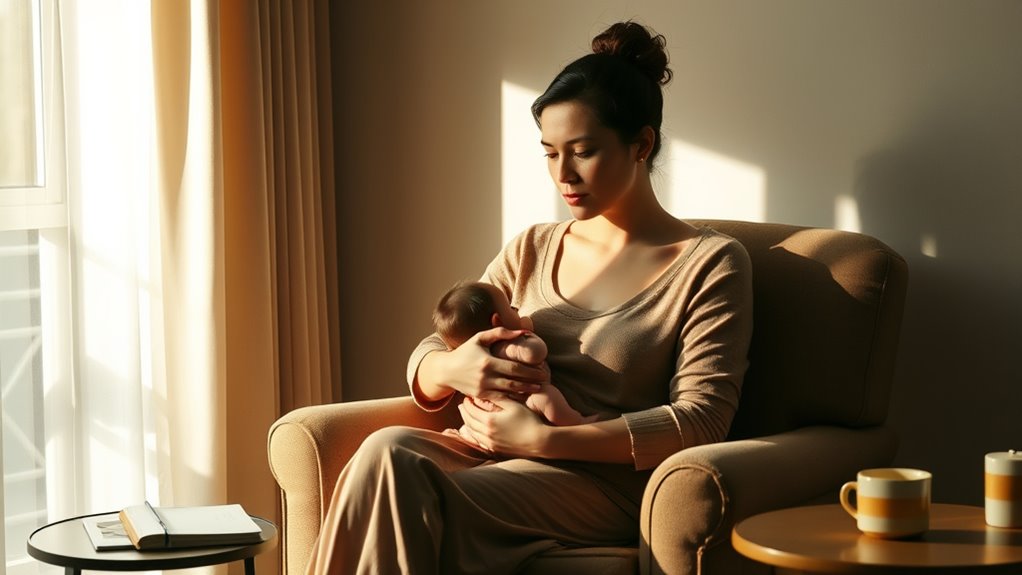
Understanding the long-term outlook for new mothers experiencing emotional challenges is essential for fostering recovery. If you’re dealing with baby blues, you’ll typically see your symptoms fade within two weeks without extensive treatment. However, if postpartum depression persists, recovery may take longer and require active intervention. Treatment options include therapy, medication, or a combination of both, tailored to your needs. Building a strong support network and practicing self-care are fundamental for sustained improvement. Remember, recovery isn’t linear—some setbacks are normal. With patience, professional help, and support, you can regain emotional stability. Stay committed to your mental health journey, and don’t hesitate to seek help when needed. Long-term recovery is possible, and you can return to feeling like yourself again.
Frequently Asked Questions
How Can Partners Support a New Mother Experiencing Mood Changes?
When your partner experiences mood changes, you can support her by listening without judgment and offering reassurance. Encourage her to rest when needed and help with daily tasks to reduce her stress. Be patient and understanding, recognizing that her feelings might fluctuate. Remind her she’s not alone and that seeking professional help is okay if her mood changes persist or worsen. Your support makes a big difference.
Are There Differences in Postpartum Depression Experiences Across Cultures?
You’ll notice that postpartum depression symptoms can vary across cultures, influenced by beliefs, stigma, and support systems. In some cultures, mental health struggles might be less openly discussed, affecting how women seek help. You might see differences in emotional expression or coping strategies. Understanding these cultural nuances helps you provide better support, ensuring new mothers feel validated and encouraged to seek appropriate care regardless of cultural background.
What Are Effective Self-Care Practices During Postpartum Emotional Struggles?
Imagine feeling overwhelmed, unsure how to cope—what can you do? During postpartum emotional struggles, self-care is your secret weapon. Prioritize rest, even if it’s just a few minutes a day. Reach out for support from loved ones or professionals. Practice gentle activities like walking or deep breathing. Remember, taking small steps each day can make a big difference, helping you regain strength and find your balance again.
Can Postpartum Depression Occur After a Subsequent Pregnancy?
Postpartum depression can definitely occur after a subsequent pregnancy. You might think it’s less likely if you’ve experienced it before, but it still can happen. Factors like hormonal changes, stress, and sleep deprivation can trigger depression again. It’s important to recognize symptoms early, seek support, and consult your healthcare provider. Remember, postpartum depression isn’t a sign of weakness; you deserve help and understanding, no matter which pregnancy you’re on.
How Do Hormonal Changes Influence Postpartum Mood Disorders?
Hormonal highs and lows heavily influence postpartum mood disorders. When your hormone levels rapidly fluctuate after childbirth, it can trigger emotional upheaval, making you feel overwhelmed, weepy, or anxious. These hormonal shifts can intensify feelings of sadness or despair, especially if your body struggles to stabilize its balance. Understanding this hormonal havoc helps you recognize that these mood changes are common and not a sign of failure, fostering patience and proper support.
Conclusion
Understanding the difference between baby blues and postpartum depression helps you recognize when to seek help. Remember, you’re not alone, and early action can turn the tide in your favor. Don’t let these feelings fester; addressing them is the key to brighter days ahead. With support and patience, you’ll find your footing again—sometimes, you have to weather the storm to see the rainbow. Trust in your strength; brighter days are within reach.
Halloween Picks
halloween
As an affiliate, we earn on qualifying purchases.






![Every Parent Dreads That Call From School… 📞😱 [Litterbox Comics]](https://motherchronicle.com/wp-content/uploads/2026/10/every-parent-dreads-that-call-from-school-litterbox-comics-featured-260x140.jpg)