

As a partner, your active involvement is key to supporting her mental health. Listen without judgment, validate her feelings, and show patience to create a safe space. Encourage her to seek professional help and offer to go with her to appointments. Keep supporting her consistently through small acts of kindness and emotional presence. Understanding her emotions helps her feel safe, loved, and helped on her journey to recovery—there’s much more you can do to make a difference.
Key Takeaways
- Actively listen and validate her feelings without judgment to foster trust and emotional safety.
- Encourage her to seek professional mental health support and offer to accompany her to appointments.
- Provide consistent emotional support and check in regularly to monitor her well-being.
- Help with daily tasks to reduce her stress and create space for recovery.
- Educate yourself about maternal mental health to better understand her experiences and needs.

When a mother struggles with her mental health, her partner’s support can make a essential difference. Your involvement as a father or partner isn’t just about sharing responsibilities; it’s about actively engaging in her emotional well-being. Paternal involvement plays a key role in helping her feel understood and supported during this challenging time. By being present and attentive, you demonstrate that she’s not alone, which can greatly alleviate feelings of isolation and anxiety.
Providing emotional support might seem straightforward, but it requires intentional effort. Listen without judgment when she shares her feelings, and validate her experiences. Sometimes, what she needs most is a compassionate ear, not solutions. Remember, mental health issues like postpartum depression or anxiety are medical conditions, not personal failings. Your understanding and patience can foster a safe space where she feels comfortable expressing her struggles.
You can help by encouraging her to seek professional help if she hasn’t already. Offer to accompany her to appointments or assist with managing daily tasks, so she has space to focus on her recovery. Your proactive approach in supporting her mental health shows that you’re committed to her well-being, which can boost her confidence in managing her condition. Furthermore, small acts of kindness—like preparing her favorite meal, giving her a break, or simply spending quality time together—can lift her spirits and remind her she’s valued.
Encourage her to seek help, join her at appointments, and show kindness to support her recovery and boost her confidence.
It’s important to recognize that emotional support isn’t a one-time gesture but an ongoing process. Be patient and consistent, checking in regularly to see how she’s feeling. Acknowledge her efforts and progress, no matter how minor they may seem. Your consistent support can help her build resilience and foster trust, making her more open to seeking help or discussing her feelings.
Understanding that mental health challenges are complex and multifaceted is key. Your active involvement and emotional support can be a stabilizing force in her life. Recognizing the importance of emotional regulation in BPD can help you better understand her experiences and needs. By being present, listening, and encouraging her to prioritize her mental health, you’re not just helping her cope—you’re actively contributing to her recovery process. Your role is indispensable in creating a nurturing environment where she feels safe, loved, and empowered to heal.
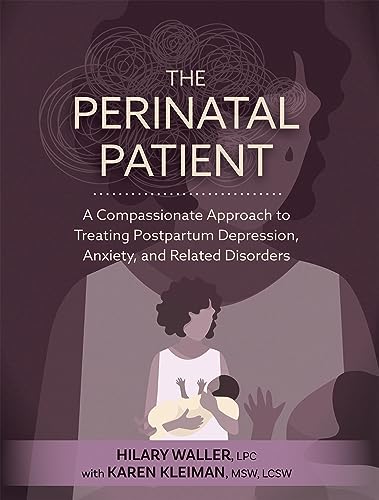
The Perinatal Patient: A Compassionate Approach to Treating Postpartum Depression, Anxiety, and Related Disorders
As an affiliate, we earn on qualifying purchases.
As an affiliate, we earn on qualifying purchases.
Frequently Asked Questions
How Can Fathers Identify Signs of Maternal Mental Health Issues Early?
You can identify signs of maternal mental health issues early by staying emotionally aware of her mood swings, withdrawal, or exhaustion. Pay close attention to changes in her communication strategies, like reduced talking or increased irritability. Engage in open, supportive conversations to encourage her to share feelings. By being attentive and responsive, you’ll help her feel safe and supported, making it easier to recognize and address any mental health concerns promptly.
What Specific Ways Can Partners Support Maternal Mental Health Daily?
You can support maternal mental health daily by offering emotional reassurance, letting her know you’re there and understanding her feelings. Make time for daily check-ins to discuss her well-being and listen without judgment. Small gestures like helping with chores or encouraging her to rest show you care. Consistent support fosters her emotional stability, making her feel valued and understood, which is essential during this challenging time.
Are There Any Risks for Fathers Experiencing Postpartum Depression?
Yes, fathers can experience postpartum depression, which may lead to paternal guilt and bonding challenges. You might feel overwhelmed or disconnected from your baby, making it harder to support your partner effectively. Recognizing these risks helps you seek help early. Prioritize self-care, communicate openly, and consider professional support to navigate these feelings. Addressing paternal depression benefits both your well-being and your family’s overall health.
How Can Workplaces Better Support New Fathers and Partners?
A stitch in time saves nine, so your workplace can better support new fathers by offering flexible work arrangements and peer support programs. By providing workplace flexibility, you help them balance family and work life more easily. Peer support programs foster a sense of community, reducing stress and encouraging open conversations. Supporting fathers this way benefits everyone, creating a healthier, more inclusive environment where new dads feel valued and supported.
What Resources Are Available for Fathers Seeking Mental Health Support?
You can access peer support groups and online forums designed specifically for fathers seeking mental health help. These resources offer a safe space to share experiences, get advice, and find reassurance from others who understand what you’re going through. Many organizations also provide helplines and counseling services tailored for fathers. Taking the step to connect with these resources can make a significant difference in managing your mental health.

Therapy and the Postpartum Woman: Notes on Healing Postpartum Depression for Clinicians and the Women Who Seek their Help
As an affiliate, we earn on qualifying purchases.
As an affiliate, we earn on qualifying purchases.
Conclusion
By understanding your essential role, you become the lighthouse guiding your partner through the stormy seas of postpartum challenges. Supporting her mental health isn’t just an act of kindness; it’s a lighthouse that helps her find her way back to calm waters. Your presence, patience, and words can be the anchor she needs during turbulent times. Together, you’re building a sturdy boat that can weather any storm, ensuring both of you sail toward brighter, healthier days.

Pink Stork Postpartum Mood Support, 30-Day Supply
- Designed for Postpartum Season: Supports emotional wellness and hormone balance
- Non-Drowsy Daily Support: Fits into day or night routine
- Targeted Mood and Cognitive Support: Enhances brain function and mood stability
As an affiliate, we earn on qualifying purchases.
As an affiliate, we earn on qualifying purchases.

Nuyviare New Mom Gift Set, Postpartum Self Care Affirmation Cards with Amethyst Worry Stone, Emotional Support Gift for New Moms After Birth, Baby Shower Push Present, Mother’s Day Mom Gift(Purple)
- Supportive Affirmation Cards: 31 daily support cards for new moms
- Includes Amethyst Worry Stone: Natural stone for stress relief
- Thoughtful Emotional Support Gift: Ideal for postpartum, baby showers, Mother’s Day
As an affiliate, we earn on qualifying purchases.
As an affiliate, we earn on qualifying purchases.