

As a grandparent, your role is to support your grandchildren by sharing family traditions, stories, and values without overstepping boundaries. You can do this by fostering trust, encouraging independence, and embracing both cultural heritage and modern technology. Engaging with them in respectful, loving ways helps build strong bonds and supports their personal growth. If you want to discover more ways to balance guidance and boundaries, there’s plenty to explore about nurturing meaningful relationships.
Key Takeaways
- Respect boundaries by asking for permission before offering advice or involvement in personal matters.
- Focus on active listening and emotional support rather than trying to solve every issue.
- Engage in shared activities that honor traditions without overwhelming the parent-child relationship.
- Use technology thoughtfully to stay connected without replacing necessary face-to-face interactions.
- Support grandchildren’s independence while providing guidance rooted in love and respect.

Have you ever wondered what roles grandparents play in their grandchildren’s lives? You might imagine a figure of warmth and wisdom, but their influence goes far beyond storytelling and hugs. They are often the keepers of family traditions, passing down customs, recipes, and stories that anchor a child’s sense of identity. When you spend time with your grandchildren, you get the chance to share these traditions, whether it’s cooking a favorite dish together or celebrating holidays in ways that have been handed down through generations. This connection to family history helps grandchildren develop a sense of belonging and respect for their roots.
Grandparents are the keepers of family traditions, passing down stories, recipes, and customs that shape grandchildren’s identities.
In today’s digital age, grandparents are increasingly engaging with technology to bridge gaps and stay connected. You might find yourself teaching your grandchildren how to use video calls, social media, or messaging apps so you can stay involved even when you’re physically apart. This engagement isn’t about replacing face-to-face interactions but enhancing them. When you learn their favorite apps or games, you’re not only fostering communication but also showing genuine interest in their world. It’s a way to support their independence while still being present in their lives. Sometimes, you might use technology to share stories, watch movies together online, or even collaborate on digital projects. Your willingness to adapt and learn shows your grandchildren that you value their interests and want to be part of their lives in ways that resonate with them.
By blending the preservation of family traditions with modern technology engagement, you create a dynamic relationship that respects the past and embraces the present. You serve as a bridge, connecting generations through shared experiences and cultural touchstones. This approach helps grandchildren appreciate their heritage while also feeling supported in their digital routines. It’s important to remember that your role isn’t to control or dominate these experiences but to support and encourage them. When you involve yourself thoughtfully, you foster trust and open communication.
Ultimately, your influence as a grandparent extends beyond mere presence. You shape how your grandchildren see their identity, values, and connections to others. Supporting them through traditions and technology, without overstepping boundaries, keeps your relationship meaningful and respectful. Your involvement can be a guiding light, helping your grandchildren navigate their world with confidence, rooted in love, history, and understanding. Moreover, engaging with anime movies or animated films that touch hearts can be a wonderful way to bond over shared stories and cultural themes.

You're a Grandparent — A gift book to celebrate a grandparent.
As an affiliate, we earn on qualifying purchases.
As an affiliate, we earn on qualifying purchases.
Frequently Asked Questions
How Can Grandparents Set Healthy Boundaries With Their Grandchildren?
To set healthy boundaries with your grandchildren, clearly communicate your limits and respect theirs. Focus on maintaining a balance between being involved and overstepping, ensuring your involvement supports parents’ decisions. Be consistent and gentle when enforcing boundaries, and listen to your grandchildren’s needs. This approach fosters healthy involvement and respects grandparent boundaries, creating a positive relationship where both you and your grandchildren feel valued and understood without overstepping.
What Are Effective Ways to Support Parents Without Interfering?
You can support parents effectively by practicing respectful communication, listening without judgment, and offering emotional support when they need it. Respect their parenting decisions, even if they differ from your views, and avoid giving unsolicited advice. Show understanding and empathy, letting them lead parenting choices. Your consistent support and open dialogue foster trust, helping them feel confident and backed up without feeling overpowered or undermined.
How Do Cultural Differences Influence Grandparent Involvement?
Cultural differences shape how you get involved with your grandchildren, influenced by cultural expectations and family traditions. You might find that some cultures encourage active participation, while others favor more respectful observation. To support without overstepping, learn about these traditions and respect boundaries, adapting your involvement accordingly. By understanding and honoring diverse cultural norms, you can offer meaningful support that strengthens family bonds without overstepping.
When Is the Right Time for Grandparents to Step Back?
You should step back when you notice your presence is disrupting your grandchild’s emotional independence or crossing generational boundaries. It’s the right time to give them space to grow and develop their own identity. Watch for signs they’re seeking more independence or making decisions on their own. Respect their needs and trust their parents’ guidance, stepping back gently to let them flourish without overstepping, fostering healthy boundaries and emotional growth.
How Can Grandparents Adapt to Changing Family Dynamics?
You can adapt to changing family dynamics by embracing generational shifts and staying open to new ways of connecting. Keep family communication honest and respectful, listening actively to understand everyone’s perspectives. Respect boundaries and be flexible in your role, offering support when needed without overstepping. By staying engaged and adaptable, you foster stronger relationships and show your love in ways that respect the evolving family landscape.

Custom Cookbook Making Kit Including 5 Printed Cookbooks Filled with Your Favorite Recipes – Quick, Convenient and Easy to Use – No More Typing Recipes.
✔️ CREATE YOUR OWN COOKBOOK – THE EASY WAY: No more endless typing! With our Smart Recipe Converter,…
As an affiliate, we earn on qualifying purchases.
As an affiliate, we earn on qualifying purchases.
Conclusion
Just like a steady lighthouse guiding ships safely to shore, your role as a grandparent should be a gentle beacon of support. You can offer wisdom and love without overstepping boundaries, allowing your grandchildren to grow independently. Remember, your presence should be a warm, reassuring light—not a shadow that overshadows their parents’ guidance. By striking this balance, you create a nurturing environment where family bonds flourish and trust deepens naturally.

Smart Frame by ViewClix, The Digital Picture Frame with Video Calling | Share Photos & Videos | Add Captions | Designed for Grandparents | Share from Phone | 1 Month Membership Included, 15.6”
EASY TO USE FEATURES: ViewClix makes video calling with Seniors simple! Set the frame to auto-answer a video…
As an affiliate, we earn on qualifying purchases.
As an affiliate, we earn on qualifying purchases.
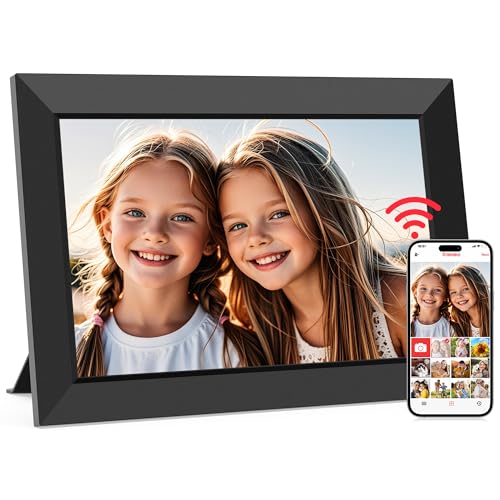
Frameo 10.1 Inch WiFi Digital Picture Frame, Smart Cloud Electronic Photo Frame with HD IPS Touch Screen Slideshow 32GB Memory Auto-Rotate Wall Mount, Share Photos/Videos from Phone – Gifts for Mom
SHARE MOMENTS INSTANTLY & SECURELY: Easily send photos and videos (up to 15s) from anywhere to your Frameo…
As an affiliate, we earn on qualifying purchases.
As an affiliate, we earn on qualifying purchases.