To support your mental health during subsequent pregnancies after postpartum depression, focus on building resilience by openly acknowledging your feelings and using coping strategies like mindfulness and journaling. Connect with others who’ve experienced similar journeys in support groups or online communities to share advice and find reassurance. Involving your partner or family in understanding PPD can provide essential support, and seeking professional mental health resources offers tailored guidance. Continuing this approach can help you foster strength and well-being throughout your pregnancy.
Key Takeaways
- Engage in open communication with your partner and healthcare providers about your mental health concerns.
- Build a strong support network through peer groups, online communities, or trusted friends.
- Prioritize self-care routines like sleep, nutrition, exercise, and relaxation techniques to manage stress.
- Seek professional mental health resources, such as counseling or therapy, for tailored support.
- Prepare for future pregnancies by setting boundaries, practicing resilience, and addressing fears proactively.

Have you ever wondered how you can best support your mental health after experiencing postpartum depression? It’s a valid concern, especially as you prepare for another pregnancy. Building emotional resilience becomes essential during this time. Emotional resilience is your ability to adapt, recover, and stay strong amidst challenges. It doesn’t mean you won’t feel overwhelmed or anxious, but it helps you manage those feelings more effectively. One way to strengthen this resilience is by openly acknowledging your fears and worries, rather than suppressing them. Recognize that your feelings are valid and that seeking help is a sign of strength, not weakness. Developing coping strategies, such as mindfulness, journaling, or deep breathing exercises, can also bolster your emotional resilience. These tools enable you to stay grounded when anxiety spikes or negative thoughts creep in.
Peer support plays a pivotal role in maintaining your mental health during subsequent pregnancies after PPD. Connecting with others who have experienced postpartum depression provides reassurance and understanding that you’re not alone. Whether through support groups, online communities, or trusted friends, sharing your feelings fosters a sense of solidarity. Hearing others’ stories can normalize your experiences and diminish feelings of isolation. Peer support also offers practical advice; others may share strategies they found helpful in steering through their own journeys. It’s important to find a safe space where you can express vulnerabilities without judgment. This kind of support can boost your confidence and emotional resilience, reminding you that others have faced similar fears and come through stronger. Additionally, understanding mental health resources available can guide you toward professional assistance if needed.
In addition, involving your partner or trusted family members in your mental health journey can enhance your support system. Educating them about postpartum depression and your specific needs ensures they can provide the right kind of encouragement and assistance. Sometimes, simply knowing someone understands what you’re going through can be incredibly comforting. Remember to prioritize self-care routines that nourish your mental well-being. Regular exercise, adequate sleep, balanced nutrition, and time for activities you enjoy all contribute to emotional resilience. It’s also okay to set boundaries and say no to things that add unnecessary stress. Seeking professional help, such as therapy or counseling, is another significant step. A mental health professional can guide you through tailored strategies to manage anxiety, depressive symptoms, or fears related to future pregnancies.
Supporting your mental health after PPD isn’t about avoiding challenges but preparing yourself to face them with strength. Cultivating emotional resilience and leaning on peer support lay the foundation for a healthier, more confident approach to your next pregnancy. You’re capable of steering this journey, and with the right tools and support, you’ll find a path that promotes your well-being and that of your growing family.

The Mindfulness and Meditation Workbook for Anxiety and Depression: Balance Emotions, Overcome Intrusive Thoughts, and Find Peace Using Mindfulness-integrated CBT
As an affiliate, we earn on qualifying purchases.
As an affiliate, we earn on qualifying purchases.
Frequently Asked Questions
How Can Partners Best Support Mental Health During Subsequent Pregnancies?
You can best support mental health during subsequent pregnancies by maintaining open partner communication and offering emotional reassurance. Listen actively to her concerns without judgment, validate her feelings, and encourage her to express herself. Help create a calm, supportive environment and remind her she’s not alone. Your reassurance and understanding can markedly reduce stress, making her feel more secure and cared for as she navigates this important time.
Are There Specific Warning Signs to Watch for After Previous PPD?
You should watch for emotional warning signs like persistent sadness, hopelessness, or frequent crying, which might indicate emerging depression. Behavioral cues such as withdrawal from loved ones, difficulty sleeping, or loss of interest in activities are also concerning. If you notice these signs, encourage open conversations and seek professional help promptly. Recognizing these early can make a significant difference in managing mental health during your pregnancy.
What Role Does Counseling Play in Preventing PPD Recurrence?
Counseling plays a crucial role in preventing PPD recurrence by providing you with therapy options tailored to your needs and helping you develop coping strategies. Engaging in support groups offers additional emotional support, reducing feelings of isolation. These resources empower you to recognize early warning signs and build resilience, making it easier to manage stress and maintain mental health during subsequent pregnancies. Taking proactive steps can markedly lower your risk of experiencing PPD again.
How Does Postpartum Depression Affect Bonding With a New Baby?
Imagine feeling disconnected from your newborn, struggling with bonding challenges due to postpartum depression. PPD can hinder your emotional connection, making it hard to respond sensitively or enjoy early moments. This emotional barrier may lead to feelings of guilt or frustration, affecting both you and your baby’s development. Recognizing these impacts helps you seek support, fostering healthier bonding and ensuring a stronger, more nurturing relationship.
Are There Effective Self-Care Strategies for Mental Health During Pregnancy?
You can boost your mental health during pregnancy by practicing mindfulness regularly, which helps reduce stress and increase emotional resilience. Incorporate nutritional strategies by eating balanced, nutrient-rich foods that support brain health and stabilize mood. Prioritize self-care, stay connected with supportive loved ones, and don’t hesitate to seek professional help if needed. These strategies empower you to maintain mental well-being during pregnancy and prepare for a healthier postpartum experience.

5 MINUTES A DAY Mental Health Journal, 91-Day Guided Journal, Pink
- Daily Self-Care & Reflection: Track progress and process thoughts daily
- Mood and Habit Tracking: Monitor emotions and habits monthly
- Therapy Support: Record experiences for therapy sessions
As an affiliate, we earn on qualifying purchases.
As an affiliate, we earn on qualifying purchases.
Conclusion
Remember to prioritize your mental health, seek support when needed, and communicate openly with your healthcare provider. Remember to care for yourself, to ask for help, and to set boundaries. Remember that your well-being matters just as much as your baby’s. By nurturing your mental health, you’re not only healing but also strengthening your journey through subsequent pregnancies. Keep your mental health front and center, because your happiness, your strength, and your peace are all essential.
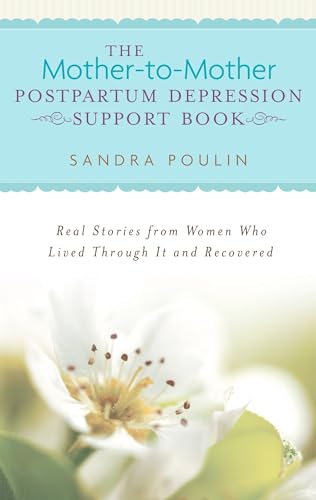
The Mother-to-Mother Postpartum Depression Support Book: Real Stories from Women Who Lived Through It and Recovered
As an affiliate, we earn on qualifying purchases.
As an affiliate, we earn on qualifying purchases.
professional counseling for postpartum anxiety
As an affiliate, we earn on qualifying purchases.
As an affiliate, we earn on qualifying purchases.