
To support your mental wellness as a mother, prioritize your needs through consistent self-care. Focus on nourishing yourself with nutrient-dense foods, staying hydrated, and getting enough sleep, even if it’s quick naps. Remember, taking time for yourself isn’t selfish but essential for resilience and emotional stability. Create calming routines and seek support when needed to manage stress better. By making self-care a priority, you’ll strengthen your capacity to care for others—learn more to empower your journey.
Key Takeaways
- Prioritize your physical and emotional needs to strengthen mental resilience during motherhood.
- Maintain balanced, nutrient-rich postpartum nutrition to support recovery and emotional stability.
- Incorporate restful sleep routines and manage fatigue to improve mood and overall mental wellness.
- Seek support with household tasks and childcare to reduce stress and create time for self-care.
- Practice patience and consistency in self-care routines to reinforce mental health and caregiving capacity.

Have you ever considered how essential maternal self-care is to both your well-being and your ability to care for your family? As a new mom, prioritizing your needs might feel overwhelming or selfish, but it’s actually vital for your mental wellness. One of the most important aspects is postpartum nutrition. After childbirth, your body needs specific nutrients to recover, boost your energy, and support breastfeeding if you’re doing so. Filling your plate with nutrient-dense foods—like fruits, vegetables, lean proteins, and whole grains—can help stabilize your mood and enhance your physical recovery. Don’t forget to stay hydrated; water is key to maintaining your energy levels and supporting milk production. It’s tempting to focus entirely on your baby, but nourishing yourself isn’t a luxury—it’s a necessity. Simple, quick meals or snacks can make a big difference during those hectic days. Keep healthy options available, and don’t hesitate to ask for help with meals or groceries so you can focus on your recovery and mental wellness. Incorporating proper hydration and nutrition into your daily routine can significantly improve your overall well-being. Sleep strategies are equally crucial, yet often overlooked. Postpartum sleep deprivation is common, but you can adopt strategies to improve your rest. Whenever possible, sleep when your baby sleeps, even if it’s just short naps. Creating a calming bedtime routine can signal to your body that it’s time to rest, helping improve sleep quality. Consider ways to make your sleep environment more comfortable—dim the lights, keep the room cool, and minimize noise. If your baby wakes frequently, sharing nighttime duties with your partner or a support person can give you a chance to catch up on rest. It’s important to be patient with yourself; sleep patterns will improve over time. Avoid caffeine late in the day and limit screen time before bed to help your mind unwind. Remember, even small improvements in sleep can considerably boost your mood and overall mental health. Prioritizing sleep strategies and postpartum nutrition isn’t just about physical recovery—it’s about nurturing your mental resilience. When you nourish your body and rest adequately, you’re better equipped to handle the emotional ups and downs of motherhood. Over time, these self-care practices reinforce your sense of well-being, empowering you to care for your family with patience and strength. It’s a continuous journey, and every small effort counts toward maintaining your mental wellness as you navigate motherhood.

Nourished Beginnings Baby Food: Nutrient-Dense Recipes for Infants, Toddlers and Beyond Inspired by Ancient Wisdom and Traditional Foods
As an affiliate, we earn on qualifying purchases.
As an affiliate, we earn on qualifying purchases.
Frequently Asked Questions
How Can New Mothers Find Time for Self-Care?
You can find time for self-care by incorporating postpartum relaxation into your routine and using simple time management tips. Schedule short breaks throughout the day, even if it’s just a few minutes to breathe deeply or stretch. Enlist support from loved ones to watch the baby, allowing you to focus on your needs. Prioritizing self-care helps you recharge and better care for your little one.
What Are Simple Self-Care Practices for Busy Moms?
You can easily incorporate simple self-care practices into your busy day by practicing mindfulness exercises during short breaks, helping you stay centered and calm. Also, dedicate a few minutes to a skincare routine, which boosts your confidence and provides a calming ritual. Even just five minutes of deep breathing or gentle skincare can make a difference, helping you recharge and feel more balanced amidst your hectic schedule.
How Does Self-Care Impact Postpartum Mental Health?
Think of self-care as a anchor that stabilizes your emotional ship through postpartum storms. When you prioritize self-care, you boost your emotional resilience and help restore hormonal balance, which are crucial for mental health. This practice reduces feelings of overwhelm, anxiety, and depression, making it easier to navigate the postpartum period. By caring for yourself, you strengthen your capacity to bond with your baby and find joy in motherhood.
Are There Self-Care Strategies Suitable for Mothers With Limited Support?
Yes, even with limited support, you can practice effective self-care. Reach out to community resources like local parenting groups or mental health services, which often offer guidance and support. Additionally, consider virtual support options such as online forums, telehealth counseling, or virtual meetups. These tools help you connect with others, share experiences, and access resources, making it easier to prioritize your mental wellness despite challenges.
How Can Partners Support Maternal Self-Care Efforts?
Your partner can be your biggest hero by prioritizing clear partner communication and offering consistent emotional support. They should listen actively, validate your feelings, and help you carve out crucial self-care time, even if it means moving mountains. By actively supporting your mental wellness, they make sure you feel seen, heard, and cared for, creating a safe space where your needs come first—because your well-being is essential for both of you.

As an affiliate, we earn on qualifying purchases.
Conclusion
Remember, tending to your own well-being isn’t selfish—it’s the gentle rain that nurtures your inner garden. By giving yourself permission to pause and nurture your soul, you create a brighter path for both you and your little one. Embrace these moments of tender self-care as precious whispers of love, guiding you through the busy days with grace and resilience. In caring for yourself, you’re simply blossoming into your best, most radiant self.

Aromasong Lavender Pillow Spray for Sleeping – All Natural Calming Linen & Bedtime Sleep Mist for Deep Sleep – Pillow Spray Aromatherapy with Botanical Essential Oils for Relaxing Stress
- Promotes Relaxation and Calmness: Helps reduce stress and promote comfort
- Enhances Sleep Quality: Infused with natural lavender for restful sleep
- Easy to Use: Simply shake and spritz on bedding
As an affiliate, we earn on qualifying purchases.
As an affiliate, we earn on qualifying purchases.
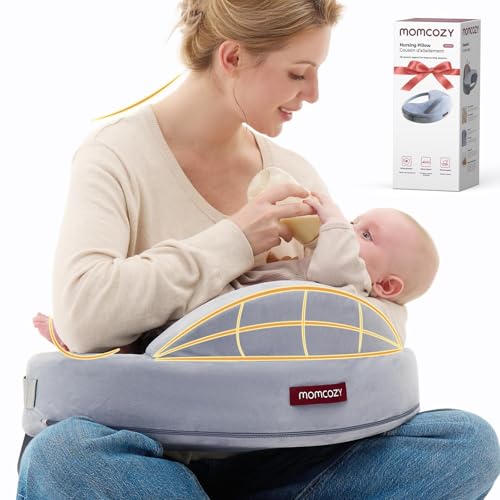
Momcozy Cozylite Nursing Pillow for Breastfeeding – Supportive Memory Foam
- Ergonomic Support: Comfortable memory foam for better latch
- Safety Guard Design: Prevents baby slipping for safer feeding
- Spacious Nursing Nest: Large, wide support for growing babies
As an affiliate, we earn on qualifying purchases.
As an affiliate, we earn on qualifying purchases.